

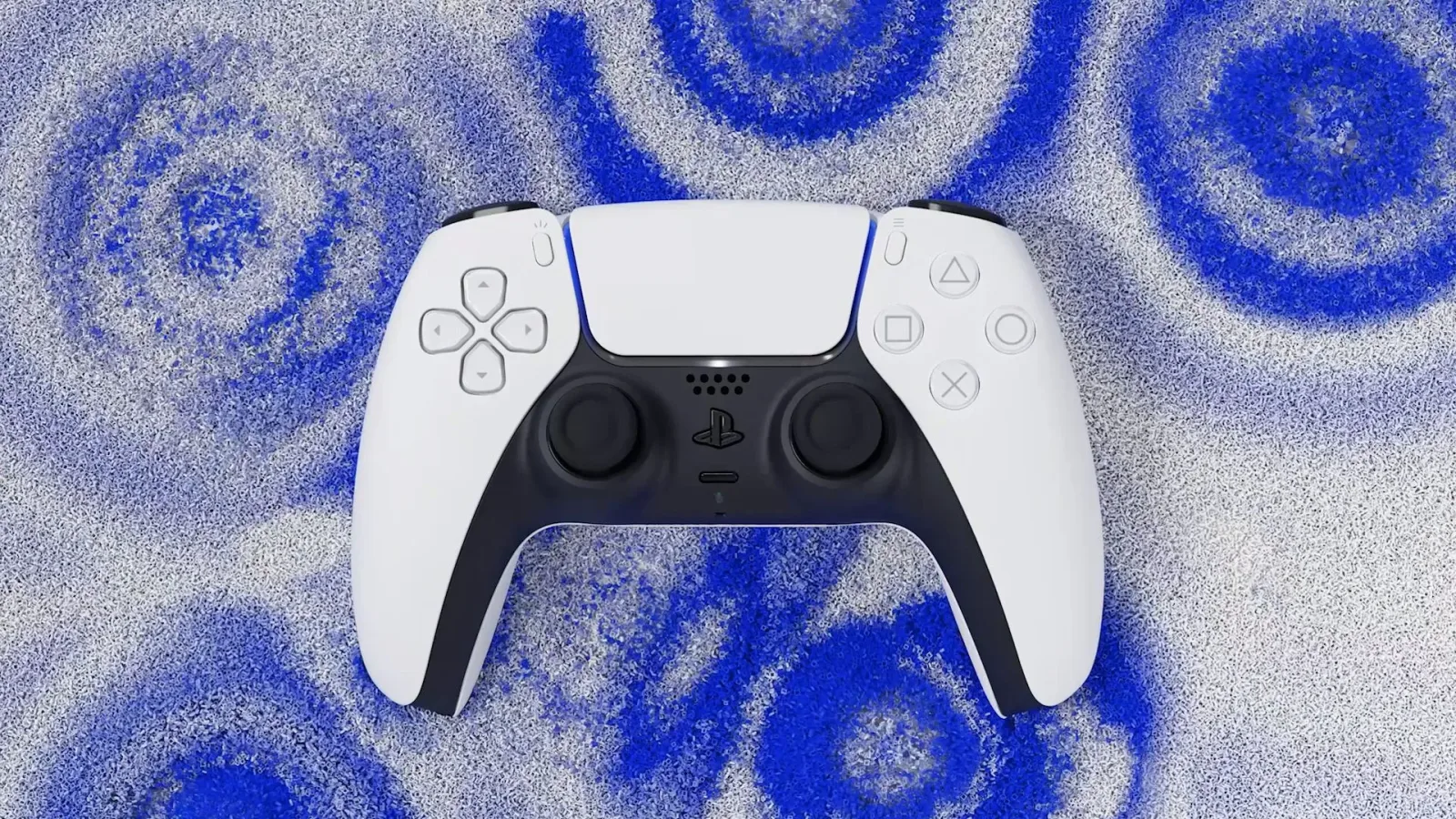
Sony will not attend CES in 2027, bringing an end to an unbroken presence at the annual technology convention that stretches back to the show's beginnings in 1967. The decision is notable for many reasons, but it carries particular historical weight for PlayStation fans: CES has hosted several pivotal Sony gaming announcements, including the events that helped set PlayStation's entire story in motion.
A Sony spokesperson said the company's present priorities are centered on entertainment, intellectual property, and technology designed to support creators. The spokesperson added that Sony continually reviews how it handles events and public communications based on the differing needs and priorities across its businesses.
That explanation does not indicate that Sony is stepping away from gaming hardware or from PlayStation announcements. Instead, it points to a broader shift in how one of the industry's largest companies chooses to communicate. CES remains an enormous global gathering for consumer technology, but major game-platform holders now have more ways than ever to reach audiences directly, without tying their largest reveals to one particular convention calendar.
For Sony, the decision nonetheless closes a meaningful chapter. The company has exhibited at CES for six decades, long before the PlayStation brand existed, and the show has repeatedly served as a stage for products and partnerships that would become part of gaming history.
For useful background on this topic, read The Witcher 3 Remastered AMD GPU Glitches Should Be Fixed With Radeon Adrenalin 26.9.2.
A Convention With Deep PlayStation History
The most famous CES-related moment in PlayStation history dates to 1991. Sony used the event to announce its planned Super Nintendo CD-ROM collaboration with Nintendo, a project commonly remembered as the SNES PlayStation. The proposed machine was meant to pair Nintendo's console business with Sony's optical-disc technology.
That partnership famously fell apart almost immediately in public view. The day after Sony's announcement, Nintendo revealed that it would not proceed with Sony and had instead arranged a separate deal with Philips. The collapse of the arrangement became one of the most consequential breaks in video game history. Sony ultimately moved forward on its own, eventually creating the original PlayStation and establishing the brand as a major force in console gaming.
CES was therefore not merely a place where Sony displayed televisions, audio equipment, cameras, and other consumer electronics. In a roundabout but very real sense, it was part of the setting in which PlayStation began. The 1991 episode remains a reminder that some of the industry's biggest changes begin with plans that do not work as originally intended.
Much later, CES also became the location for a smaller but still highly recognizable PlayStation 5 milestone. In January 2020, then-PlayStation chief Jim Ryan took the stage to reveal the PS5 logo. The symbol was not a full console unveiling, but it confirmed the visual identity Sony would use for the new generation as anticipation continued to build around the system.
CES 2022 brought another major PlayStation-focused presentation. Sony announced PlayStation VR2, the virtual reality headset built for PS5, alongside Horizon: Call of the Mountain. The announcements demonstrated that the company still saw CES as a useful platform for communicating plans that sat at the intersection of gaming, hardware, and broader entertainment technology.
Why Sony May No Longer Need CES in the Same Way
The media and event landscape has changed considerably since Sony's CES run began. In earlier decades, a giant trade show offered manufacturers a concentrated opportunity to reach press, retail partners, investors, and consumers. A keynote from CES could define the news cycle because there were fewer direct channels through which companies could deliver global announcements on their own terms.
That is no longer the only viable model. Sony can now launch video presentations, publish product material, coordinate social campaigns, and deliver announcements directly to a worldwide audience within minutes. For PlayStation specifically, State of Play broadcasts and the less frequent PlayStation Showcase format have become central tools. These streams can draw millions of viewers while giving Sony control over pacing, timing, messaging, and the mix of first-party and third-party material.
That flexibility matters for hardware news. Major console announcements often require carefully managed marketing plans, developer coordination, software demonstrations, retailer preparation, and manufacturing considerations. A standalone presentation can be scheduled around those requirements rather than around an external convention's dates. It can also avoid competing with hundreds of other technology announcements fighting for attention during CES week.
Sony's stated emphasis on creator-supporting technology also reflects the company's unusually broad business footprint. PlayStation is one part of Sony's operations, alongside entertainment, music, film, imaging, electronics, and other technology interests. A decision not to take a conventional CES presence should not automatically be read as a reduction in interest in any individual product category. It may simply mean that Sony sees better ways to present those categories separately.
Sony said it continuously evaluates its event and communication approach strategically, based on the needs and priorities of its diverse businesses.
Part of a Wider Retreat From Traditional Gaming Events
The CES decision also fits a pattern in Sony's recent convention strategy. PlayStation has not attended Gamescom, the world's largest gaming convention, since 2019. That absence has stood out because both Xbox and Nintendo have continued to appear at the German event with regularity.
Gamescom remains important for public hands-on demos, community enthusiasm, business meetings, and major game marketing pushes. Yet Sony's lack of a recent presence illustrates how little a platform holder is required to rely on a single in-person expo. The end of E3 as a functioning annual industry centerpiece reinforced that reality. Publishers and hardware companies increasingly choose between their own digital broadcasts, selective appearances at fan events, smaller media sessions, and targeted partnerships.
For players, this has created a mixed experience. Direct presentations can be more convenient than traveling to a convention or following several days of fragmented news. They can also be tightly focused, limiting the lengthy stage segments and technical interruptions associated with traditional press conferences. On the other hand, conventions offer surprise, shared atmosphere, playable demos, and the sense that many parts of the industry are gathering in one place.
Sony's departure from CES does not mean the company cannot return to large public events in the future. Nor does it prevent PlayStation from working with CES in other ways, participating through partners, or using the period around the show for separate news. What is confirmed is narrower but still significant: Sony itself will skip CES 2027, the first time it has done so in the convention's 60-year history.
What It Could Mean for Future PlayStation Hardware
There is no newly announced PlayStation console attached to the CES 2027 decision, and Sony has not identified where any future hardware reveal will take place. It would be premature to treat the company's absence from the event as evidence about the timing, features, or existence of a particular device.
Still, Sony's established communication habits offer a reasonable indication of how future PlayStation news could be handled. If the company has major gaming hardware to unveil, a dedicated PlayStation Showcase or State of Play would be a natural venue. Such a presentation would let Sony build a focused message around the hardware, games, accessories, and developers involved, rather than sharing attention with the wide range of televisions, cars, AI tools, appliances, and other products that define CES.
The current console generation also remains active. PS5 continues to be Sony's primary gaming platform, while PSVR2 is part of its wider hardware ecosystem. With players continuing to use current-generation systems, any discussion of a successor will likely be shaped by market conditions, development costs, hardware pricing, and the availability of games as much as by the calendar of a technology show.
CES 2027 will consequently feel different for long-time Sony watchers, even if the company's most important announcements have increasingly moved elsewhere. The convention has been present at crucial moments: the breakup that led Sony toward the original PlayStation, the branding of PS5, and the introduction of PSVR2 and Horizon: Call of the Mountain.
Ending that attendance streak is a symbolic change. But Sony's message is less about withdrawing from public communication than about choosing the venues that best serve its current goals. In the modern PlayStation era, the next major reveal may arrive not from a convention stage, but from a stream designed entirely around the audience Sony wants to reach.
Community
Discussion
Start the conversation.
No comments have been posted yet.