

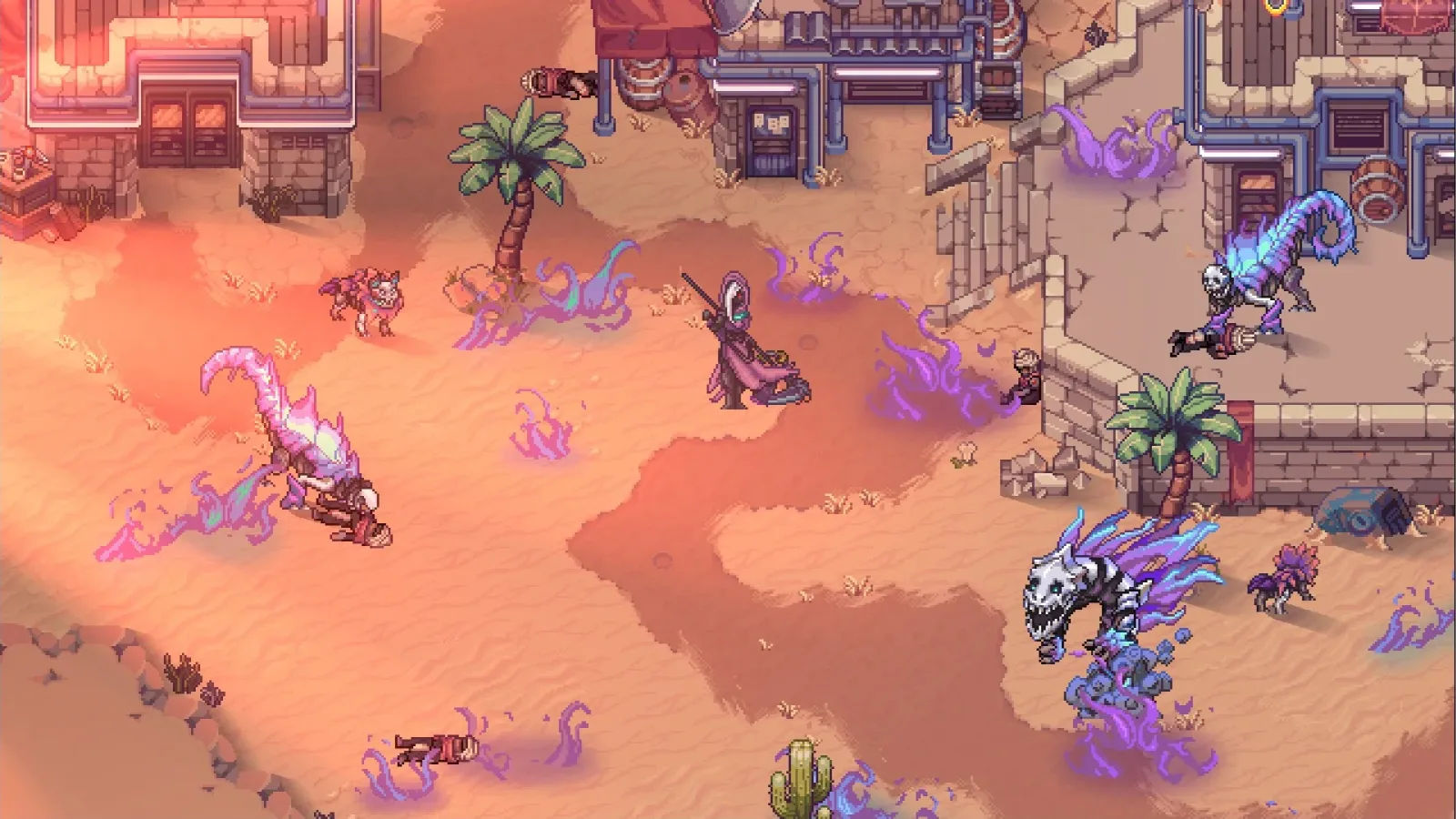
Soulbound: Online has taken a major Early Access step with the arrival of Spectra, the game's first raid built for eight players. Opened on September 17, 2026, the new activity introduces Spectra the Necromancer, an enemy positioned as the first of the Anima: hostile entities emerging from the game's digital world.
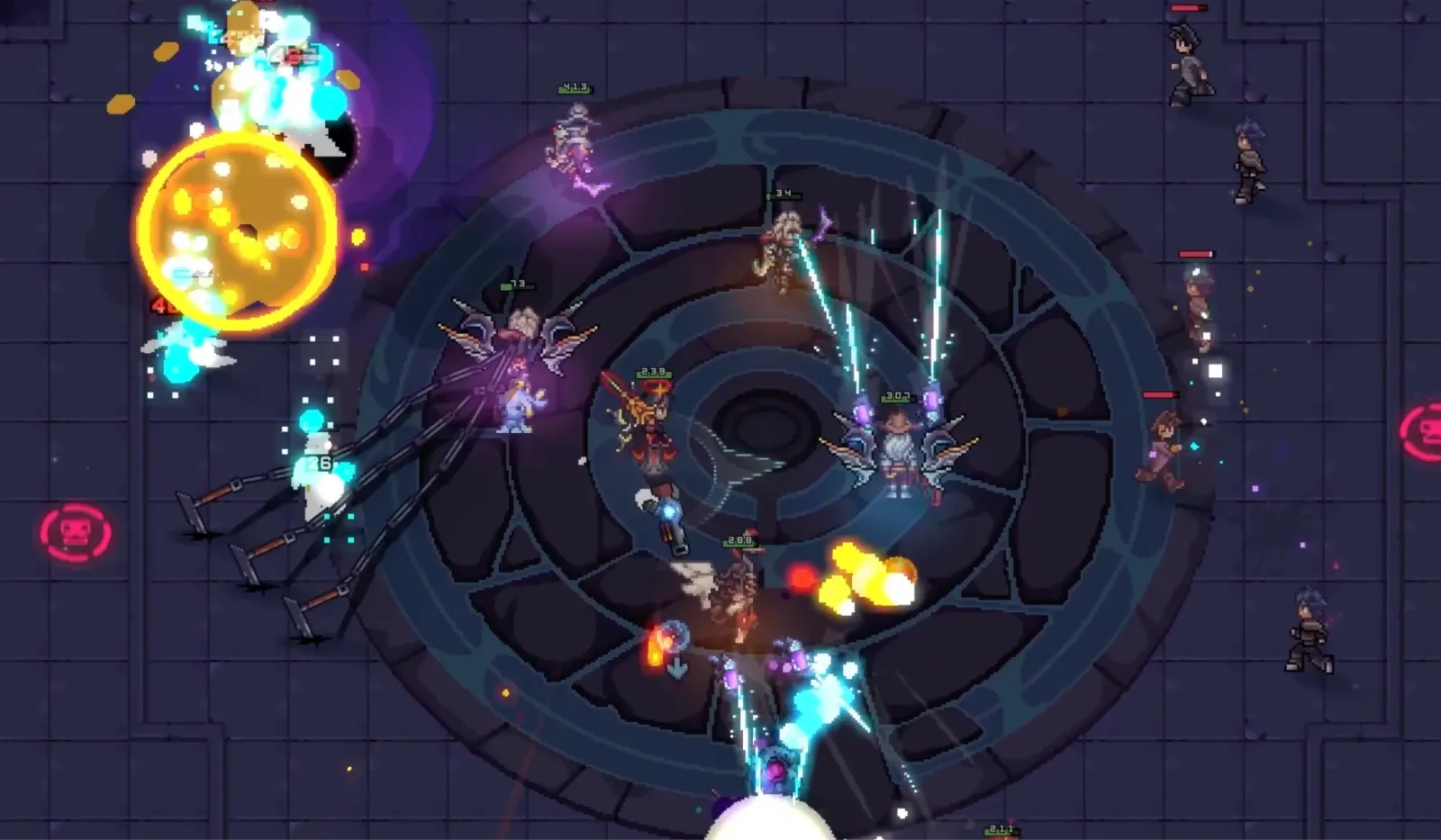
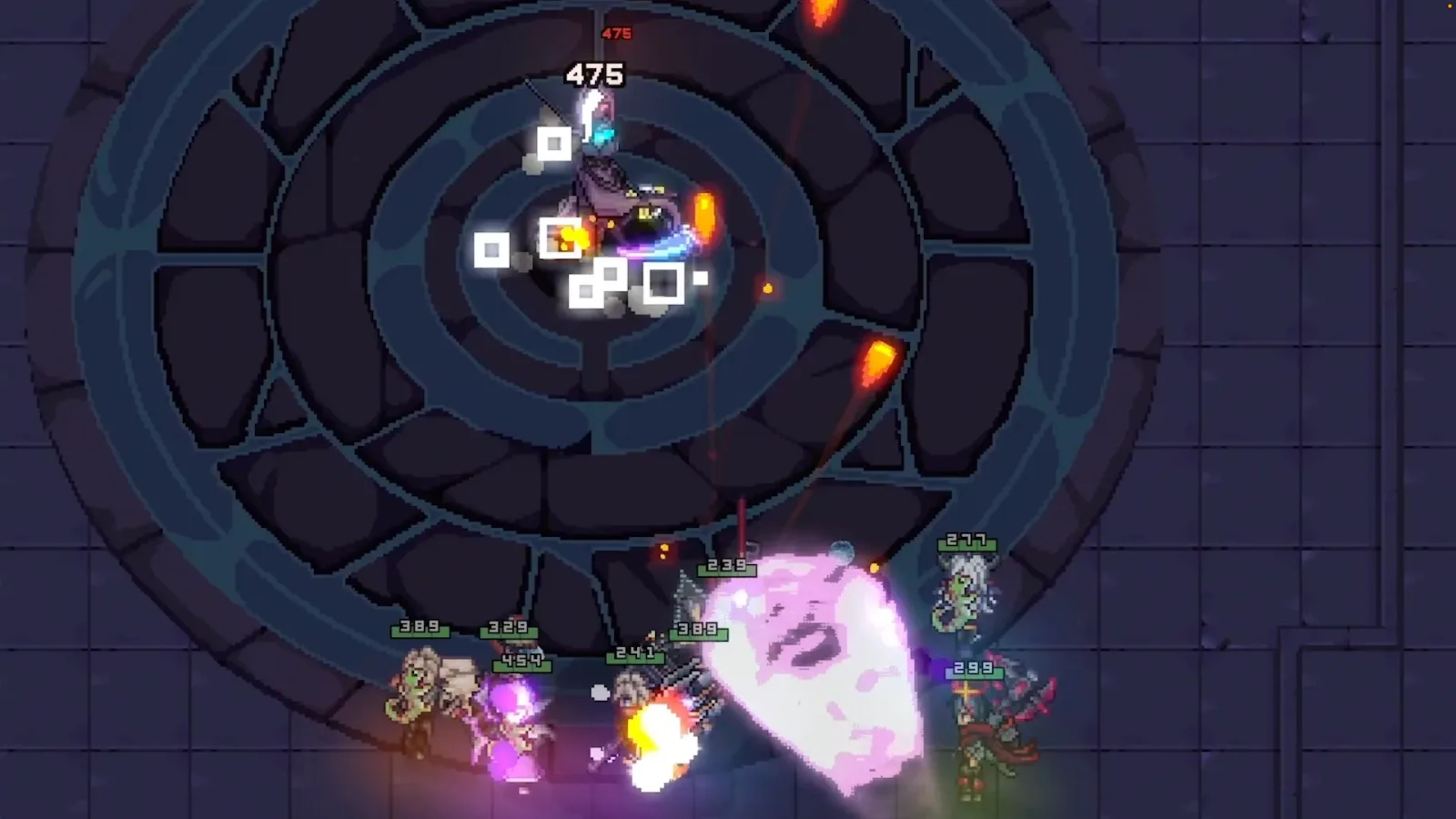
For Spiderware, the update represents more than an additional boss fight. Spectra is designed as a structured group challenge in which individual execution matters, but no one player is intended to carry every part of the encounter. Players will need to fill familiar MMO-style jobs including tank, healer and damage dealer, while responding to hazards described as bullet-heaven mechanics and using manual casting to make precise decisions under pressure.
The raid follows eight weeks of post-launch patches and hotfixes after Soulbound: Online entered Early Access on July 21. Across that stretch, more than 330 changes were made to systems including quests, dungeons, inventory, achievements, crafting and balance. Spectra arrives alongside further engineering work intended to make the overall experience smoother, especially in areas where a busy online game can become difficult to read or control.
Spectra Is Built Around Eight-Player Coordination
Raids typically act as a test of a game's combat systems, progression and social organization all at once, and Spectra appears to be Soulbound: Online's clearest move in that direction so far. The encounter requires a full eight-player party, with mechanics that cannot be handled by a single participant alone.
For useful background on this topic, read Woodo Opens Strong Across Consoles and PC, With Nintendo Switch Launch Standing Out.
That emphasis changes the nature of preparation. A group will not simply want players who can deal high damage. It will need people ready to maintain their assigned role, react to targeted effects, manage positioning and coordinate around the boss's mechanics. Manual casting is an especially notable piece of the design, as it puts the focus on player timing rather than relying entirely on automated ability use.
The bullet-heaven style elements should add another layer to those responsibilities. Players are expected to navigate complex projectile patterns while continuing to perform their jobs, creating the kind of overlapping pressure that can make a raid encounter memorable. Tanks may need to control the boss and protect space for allies, healers must keep the team alive through bursts of danger, and damage-focused players need to contribute without ignoring hazards or mechanics.
Access is also tied to the game's existing dungeon progression. Teams need raid keys earned through earlier dungeons before they can enter Spectra. That requirement gives prior PvE content a direct role in the path toward raiding and means the activity is not simply a standalone queue for new players to enter immediately.
For another perspective on this story, read Soulbound: Online Opens Spectra, Its First Eight-Player Raid.
Two Doors, Two Difficulty Expectations
At the entrance, groups can choose between separate doors for Normal and Hard difficulty. Both versions center on Spectra the Necromancer, but the behavior of the fight changes in ways that should make Hard more than a simple numerical increase in enemy health or damage.
On Normal, Spectra marks two players with Soul Bolts. This version has been designed to be clearable without voice chat, making it a more approachable starting point for groups that are still learning their responsibilities or playing with a less formal party setup. That does not mean it will be effortless; players still need to contend with the encounter's role requirements, manual casts and projectile-heavy challenges. It does, however, establish a lower communication threshold for an eight-player activity.
Hard mode raises the coordination demands sharply. Spectra marks all players rather than two, moves faster, and expects more tightly synchronized responses. With every party member potentially affected, the room for missed calls or delayed reactions becomes far smaller. Groups taking on this version will likely benefit from clear role assignments and active communication, even though players will ultimately need to execute on their own.
Each raid attempt operates under a 15-minute timer. Wipes do not immediately end a team's overall run as long as time remains, allowing parties to regroup and try again. There is also a useful late-fight provision: if Spectra reaches its final health as the timer expires, players can continue and finish the encounter. That rule prevents an especially close attempt from being invalidated at the exact moment the clock hits zero, while still maintaining the intended pace of the raid.
Necromancer Loot and Horizontal Build Options
Spectra brings a sizeable new reward pool. The update includes roughly 65 pieces of Necromancer raid gear, based on 13 distinct pieces with five variants of each. That quantity suggests that raiding will offer more than a single, fixed best-in-slot reward, potentially giving players options to pursue combinations that better suit their own approach to combat.
The reward list also includes horizontal ability relics. Horizontal progression generally broadens what a character can do instead of solely increasing raw power, and these relics could be important for players who want to refine their build choices rather than chase only larger numbers. Exactly how individual relics interact with abilities will be for players to explore in-game, but their inclusion fits a raid that leans heavily on deliberate role play and execution.
Legendary drops are also available, while Hard mode has an additional exclusive incentive: a legendary cape that can only be earned from the more demanding version of the encounter. Restricting that cape to Hard provides a clear goal for established parties after they have learned the standard fight, without removing Normal mode's own progression rewards.
Alongside the new drops, Spiderware has reworked effects for 16 existing legendary items. The revised group includes Oathmourne, Ruinchain, Spectra's Amulet, Ring of Death and Wraith Binding, as well as the Revenant Priest and Necrotic Warrior sets. Changes to established legendary effects can be just as significant as a new loot table, since they may shift which equipment players value and how particular builds function inside dungeon and raid content.
A Raid Update Accompanied by Technical Work
The Spectra update is arriving after a sustained period of foundational work across Soulbound: Online. The team's eight weekly patches and hotfixes addressed a broad range of player-facing systems, from questing and dungeon activity to inventories, achievements, crafting and balance. For an online Early Access title, that kind of work can determine whether new endgame content feels inviting or frustrating once larger groups begin putting it through sustained use.
Several of the engineering changes focus on loading and network responsiveness. Sprite loading was rebuilt, and the game now uses a persistent on-disk sprite cache. In practical terms, those changes are intended to improve how visual resources are handled over time, reducing repeated loading pressure where possible.
Large world updates have also been split into smaller packets. That can help avoid situations where a large amount of information arrives or is processed in a way that creates noticeable disruption. Per-frame work has been capped as well, an improvement aimed at eliminating performance spikes. Together, these adjustments target smoother moment-to-moment play rather than only headline-grabbing new features.
The update further promises that players and NPCs should appear within a second, while mount movement and camera movement have received smoothing work. V-Sync has been added too. These are the sorts of details that may be particularly meaningful in an encounter like Spectra, where seeing allies, enemies and projectiles clearly can affect a group's ability to react on time.
What Spectra Means for Early Access
Soulbound: Online is still in Early Access, but the debut of an eight-player raid gives its PvE progression a new focal point. Earlier dungeons now feed directly into raid access through keys, Normal mode offers an entry point for groups that do not rely on voice communication, and Hard mode presents a more organized challenge with its own exclusive reward.
Just as importantly, the encounter's design appears to prioritize active participation from every member of the team. Soul Bolt targeting, role definitions, manual cast timing and bullet-heavy danger patterns should ensure that a successful clear depends on more than simply assembling eight well-equipped characters. Players will have to learn the fight, recognize their responsibilities and adapt when the encounter accelerates.
With Spectra now available, groups in Soulbound: Online can begin collecting raid keys, choosing their difficulty door and testing themselves against the Necromancer. The update adds a major cooperative objective to the game's Early Access build while pairing that new challenge with system changes intended to make the road to--and through--the raid more stable.


Community
Discussion
Start the conversation.
No comments have been posted yet.