


Stranded Deep is opening its Pacific survival sandbox to more PC players with a free-to-play Steam weekend running from October 15 through October 19. Anyone interested in testing the game's isolated-island survival loop can play during that period without buying it, while a separate 60% Steam discount is available from October 15 through October 22 for players who decide they want to keep the game in their library.
The promotion arrives alongside a fresh look at Stranded Deep 2, the upcoming follow-up that shifts the series away from ocean-bound island hardship and into a desert setting. Creative Director Sam Edwards has discussed elements of the sequel's setting, its wildlife, and the modular systems intended to make crafting and resource use a more central part of staying alive.
For players who missed the original release or have only encountered it from a distance, the timing provides a straightforward chance to find out whether its deliberately demanding approach to survival is a good fit. The first game begins after a mysterious plane crash leaves its protagonist stranded in the Pacific, where safety, food, water, equipment, and a means of escape all need to be earned through exploration and improvisation.
A Steam Weekend for Pacific Survival
Stranded Deep's premise is immediately recognizable, but its appeal rests in the details of managing a dangerous environment with limited supplies. A crash survivor starts with little more than the ability to search the surrounding area, collect useful materials, and make basic tools. That initial scramble gradually develops into a wider survival routine involving crafting, shelter construction, travel, and exploration across islands and beneath the water.
For useful background on this topic, read Razer Barracuda V2 Pro Launches With a Clever Dongle Hiding Place.
The Pacific setting means that the sea is not simply scenery or a boundary between locations. It is a source of opportunities and risks. Players can investigate underwater spaces, search for resources, and travel between islands, all while confronting the practical consequences of being far from a stable home base. Each excursion can matter because a missed resource, a poorly planned trip, or an encounter with a threat can complicate the effort to survive.
Crafting is a major part of that process. Materials gathered from the environment can be turned into tools and other necessities, helping players move from vulnerable newcomer to someone better equipped to handle the conditions. Building shelter is similarly important, giving the experience a sense of progress that goes beyond merely surviving another day. Rather than presenting the player with a fixed route through a linear adventure, Stranded Deep asks them to determine what they need next and how far they are willing to go to get it.
The free period on Steam lasts until October 19. It is an opportunity to experience the game's survival systems firsthand before making a purchase decision. Players who do choose to buy after trying it can use the 60% discount, which remains active through October 22. The two dates are worth noting: the free-play window ends first, while the reduced-price offer continues for several more days.
For another perspective on this story, read Stranded Deep Is Free to Play on Steam Until October 19.
What Makes Stranded Deep's Survival Loop Distinct
Survival games often share familiar ingredients: gathering, crafting, construction, exploration, and environmental danger. Stranded Deep frames those ideas through the specific pressure of being isolated among Pacific islands. The player is not simply accumulating equipment for its own sake. Every tool and shelter component is connected to the core challenge of making an inhospitable place livable long enough to continue exploring.
That structure gives basic actions weight. Scavenging is not a background chore when useful supplies may determine whether a new area can be safely explored. Crafting is not just an optional collection system when improved tools broaden what can be gathered or built. Shelter is not merely decorative when it represents a more dependable foothold in a world where the player begins with almost nothing.
Underwater exploration adds another dimension to the formula. The islands offer obvious destinations and a surface-level view of the environment, but the water invites players to look beyond the shoreline for materials and locations that would otherwise remain out of reach. It also reinforces the game's central theme: survival depends on adapting to a landscape that is both beautiful and hazardous.
For newcomers, a free weekend is particularly useful for a game built around this kind of pace. Survival experiences are often best understood through their rhythms rather than a feature list. Some players enjoy carefully planning supply runs, building up a secure base, and learning the hazards of a hostile world through trial and error. Others may prefer a faster or more directed experience. Playing a portion of Stranded Deep offers a better sense of where its island adventure sits on that spectrum.
Stranded Deep 2 Moves Into the Desert
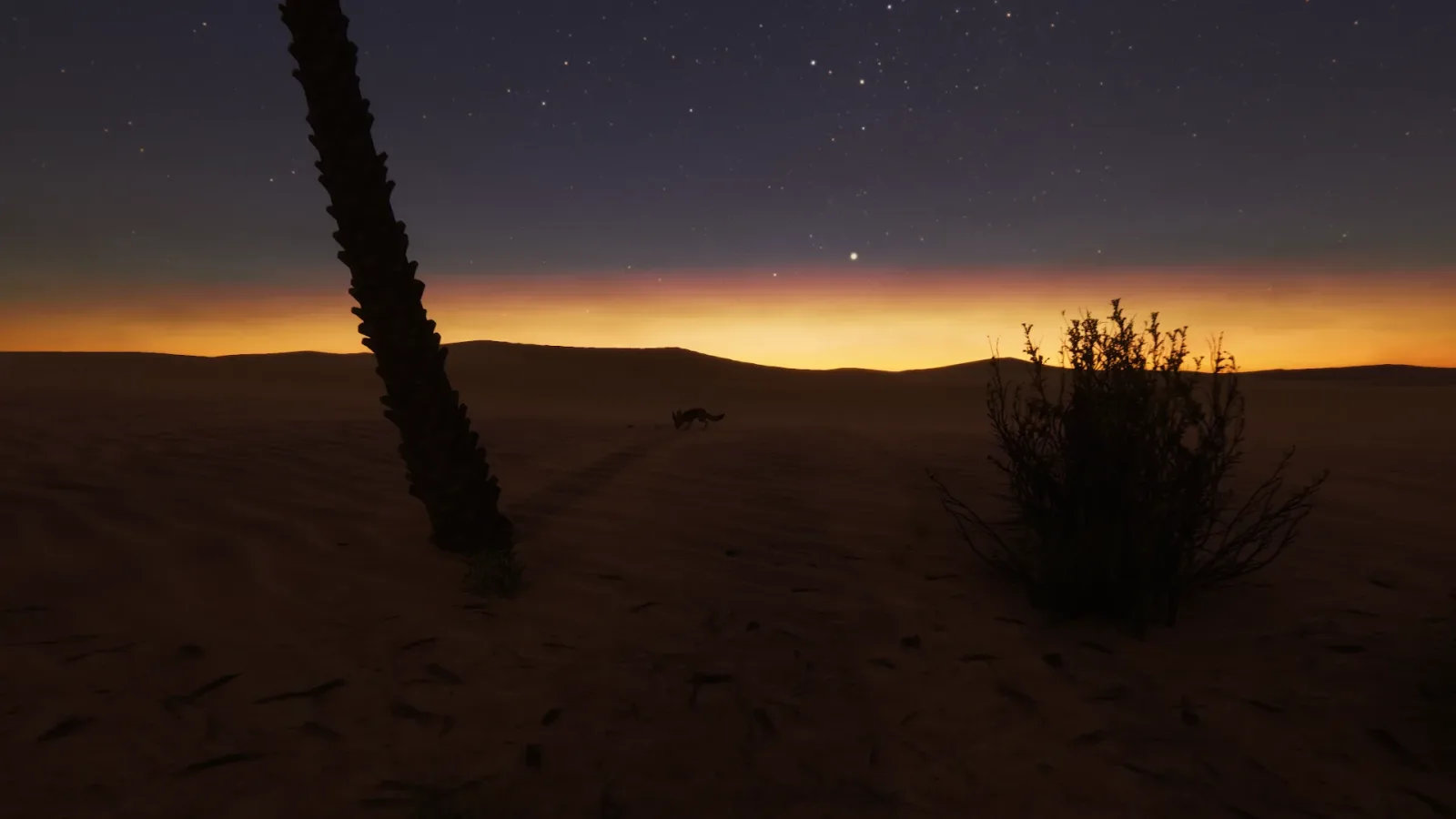
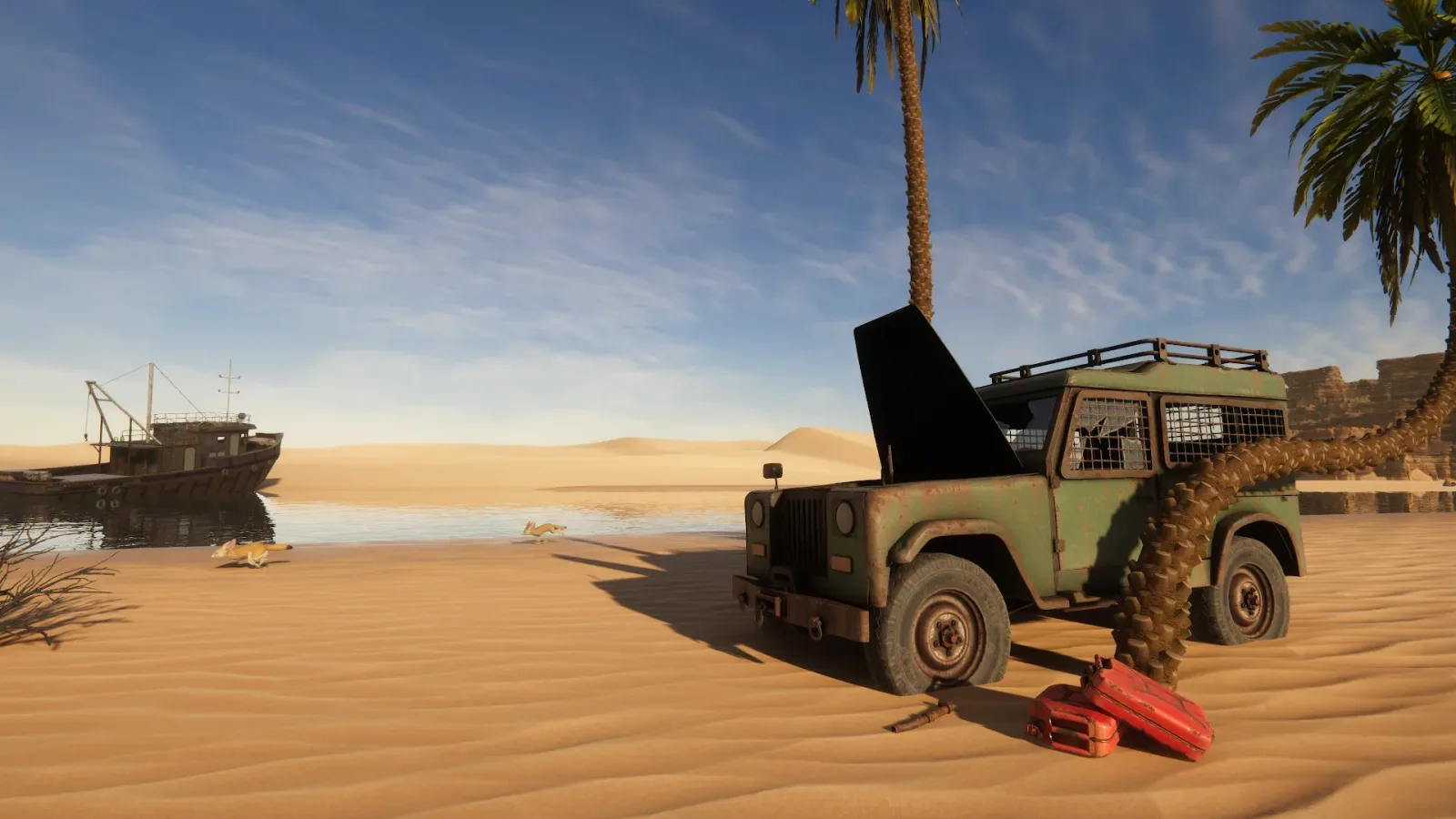
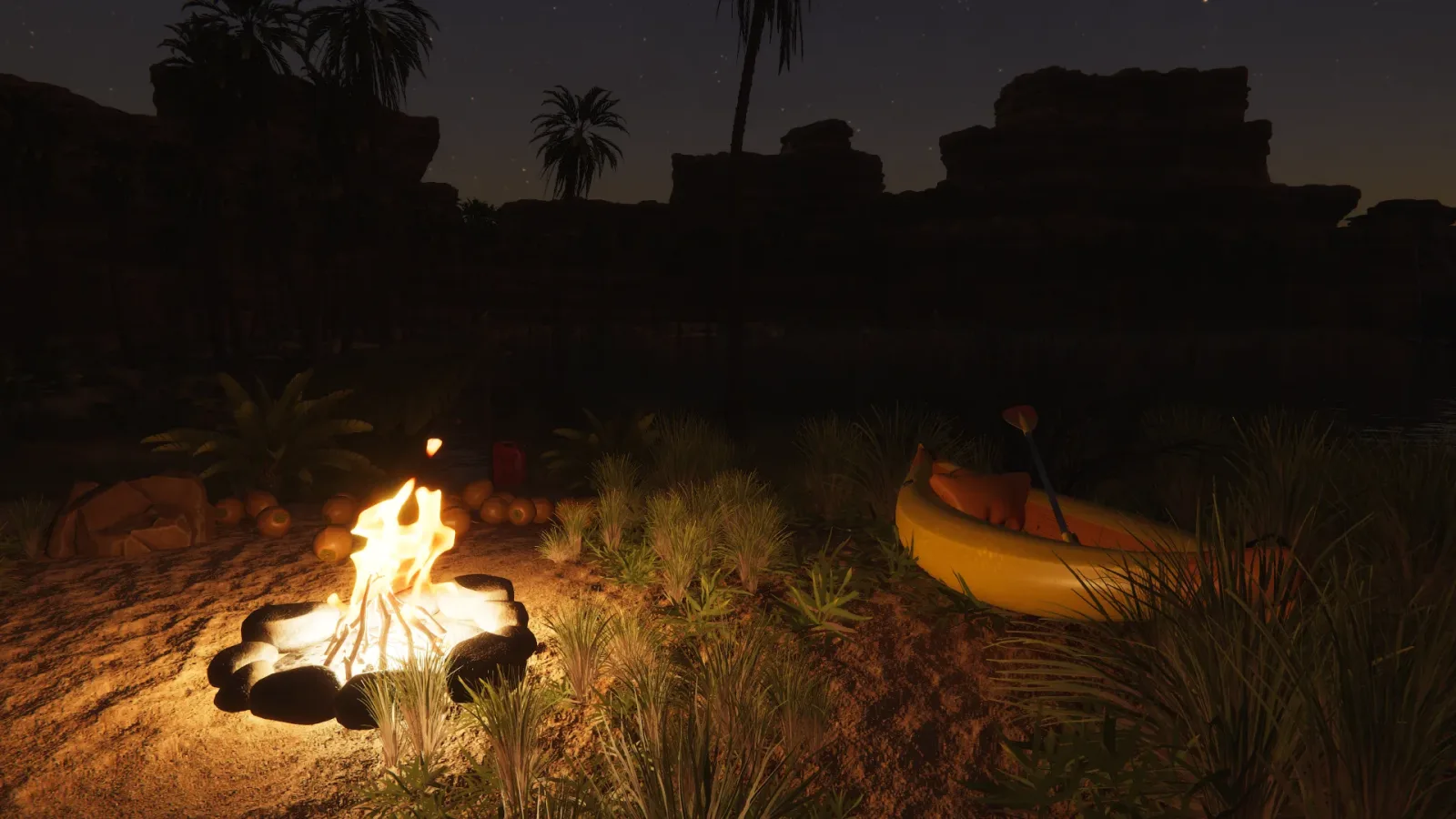
While the original game is inviting players back to the ocean, Stranded Deep 2 is preparing a contrasting survival setting. The new developer blog focuses on the sequel's desert environment, establishing a meaningful change in atmosphere and likely in the kinds of choices players will face. Desert survival brings a different visual identity from the first game's islands, but it remains compatible with the series' interest in scarcity, resourcefulness, and the challenge of enduring an unforgiving natural world.
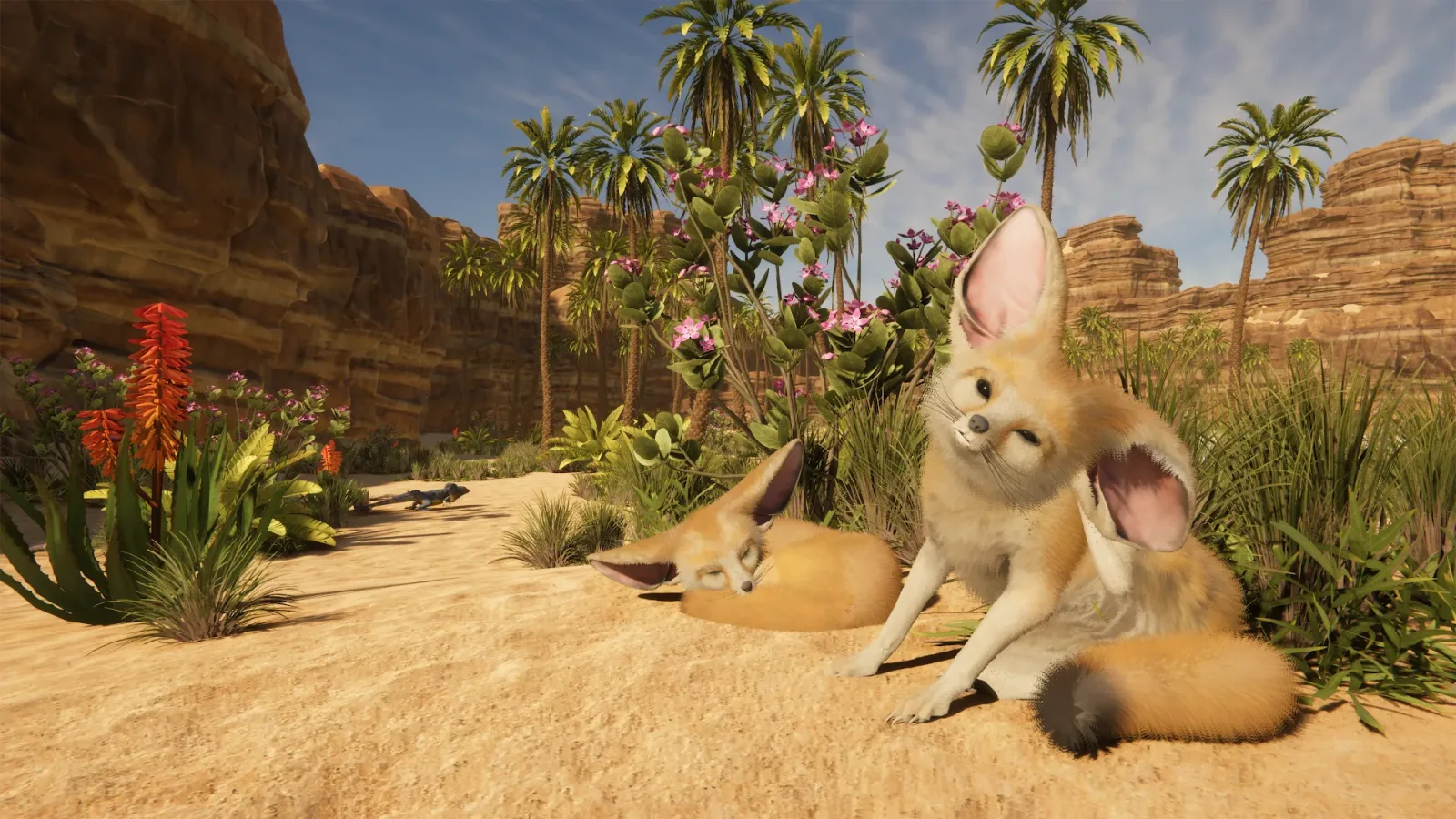
Edwards' update also introduces two new animal species planned for the sequel. Specifics beyond their introduction were not detailed here, but the addition signals that wildlife will be part of the new environment's survival ecosystem. In games of this kind, animals can shape how players assess a location, decide where to travel, or prepare their available equipment. Their presence can make a landscape feel more alive while also providing another layer of uncertainty outside the player's control.
The desert setting should make Stranded Deep 2 feel immediately separate from its predecessor without abandoning the broader survival identity that defined the first game. Where the original places players amid island chains and underwater spaces, the sequel is looking toward a harsher, drier landscape. That change creates room for new environmental storytelling and new pressures on the player, even as the basic appeal of gathering materials and turning them into a path forward remains recognizable.
Modular Crafting at the Center of the Sequel
The new development update places special emphasis on Stranded Deep 2's modular crafting system. The goal is to make tools, materials, and locations more interconnected in the moment-to-moment survival experience. Rather than treating crafting as a separate menu task detached from the world, the sequel is being positioned around the idea that what players find, where they find it, and how they use it will help shape their choices.
That focus has the potential to be one of the sequel's most important distinctions. Modular systems can give players more flexibility in how they approach a problem, whether they are preparing for an expedition, responding to the dangers of a new area, or trying to get more value from scarce resources. The developer blog's behind-the-scenes look suggests that this is a foundational design consideration rather than a minor addition.
Of course, the final balance and depth of the system will only become clear once Stranded Deep 2 is closer to release and players can see it in action. For now, the update provides an early outline: survival will be shaped not only by the desert itself, but by the relationship between materials, equipment, and place. That is a fitting direction for a series whose original game asked players to turn scattered natural resources into the means to endure.
A Good Time to Revisit the Series
The Steam promotion gives Stranded Deep a useful spotlight at a moment when attention is also turning toward the sequel. Existing fans can revisit the island survival experience, while curious players can try the original without an upfront purchase during the October 15-19 free period. Those who want permanent access can take advantage of the 60% discount before it ends on October 22.
It is also a chance to see the series' roots before Stranded Deep 2 expands its scope in a new direction. The original remains rooted in the tension of being stranded after a plane crash, scavenging what the Pacific environment offers, building the tools and shelter needed to persist, and venturing through islands and underwater areas despite the danger. The sequel's desert, new animals, and modular-crafting ambitions point to a different setting and potentially broader survival possibilities, but they also build on the same core idea: surviving means learning to make use of whatever the world gives you.
Players can now use the free Steam weekend to decide whether that original formula is for them, then keep an eye on Stranded Deep 2 as its desert survival systems continue to take shape.


Community
Discussion
Start the conversation.
No comments have been posted yet.