

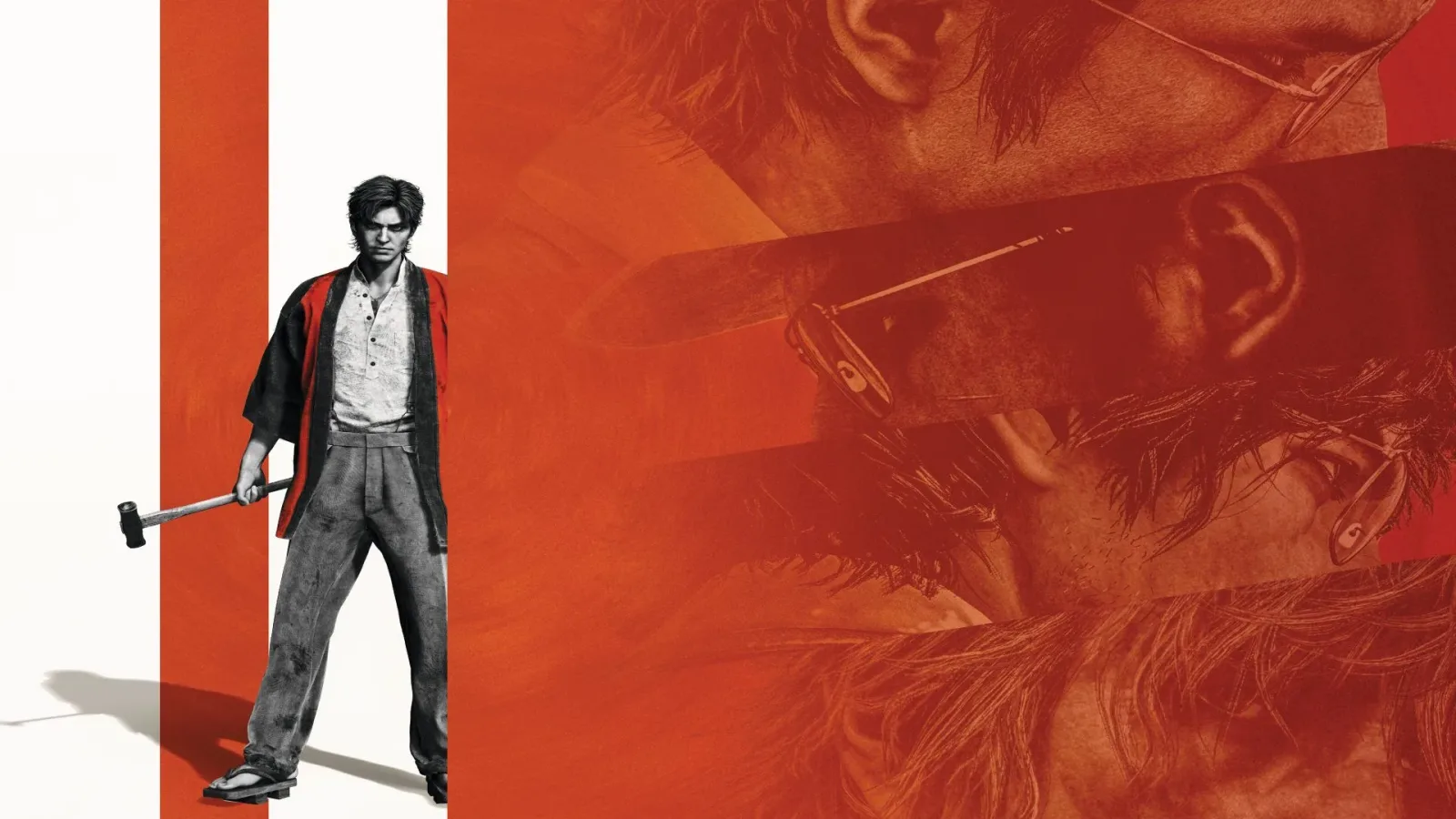
RGG Studio is taking a substantial creative swing with Stranger Than Heaven, a violent period crime saga that follows one man across roughly 50 years of history. The developer is known for games where heightened street fights, underworld stories and exuberant side activities coexist, but its next project appears to be pursuing a different balance. There is still blunt-force violence, criminal intrigue and a larger-than-life cast. This time, though, music is not simply a diversion between fights. It is central to the protagonist's life, his ambitions and the game's identity.
The story begins in 1915 with Makoto Daito, a man born to a Japanese mother and American father. He has grown up in the United States, but he is attempting to leave San Francisco and reach Japan. Early scenes establish a far more anxious tone than the usual boisterous opening hours associated with RGG Studio's work. Daito moves through a dark harbour while avoiding searchlights, scavenging for food and trying to survive long enough to board a ship.
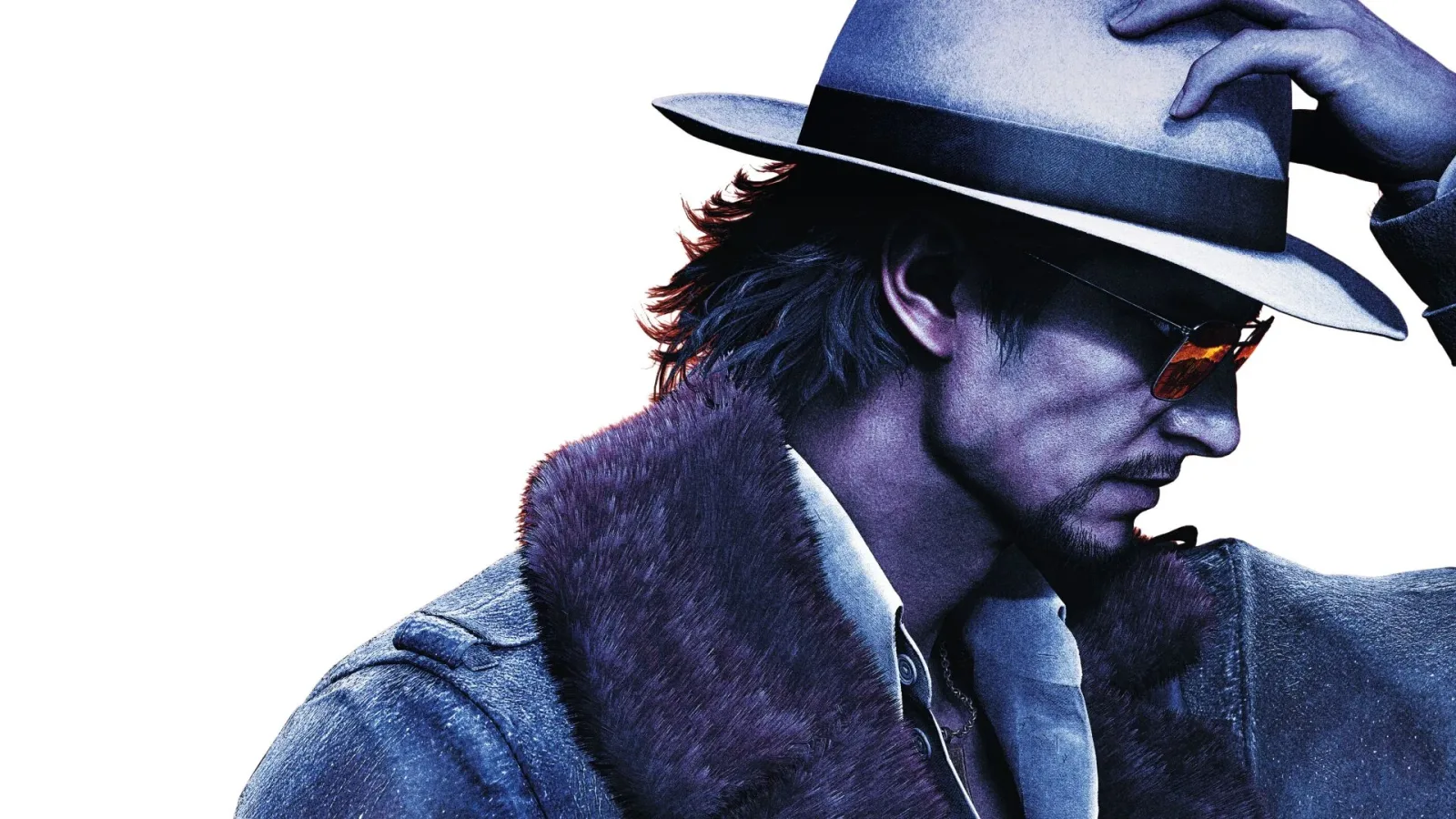
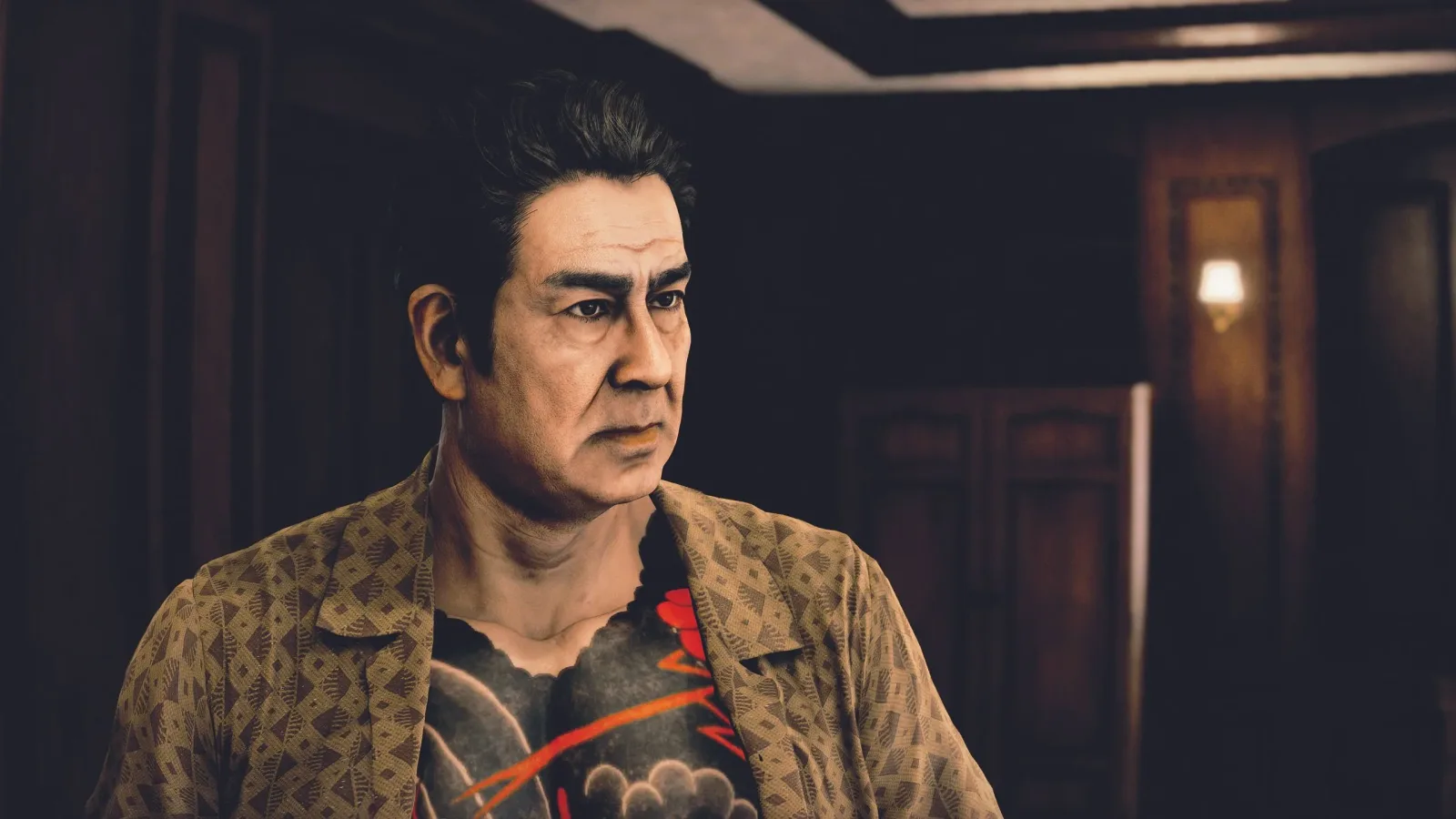
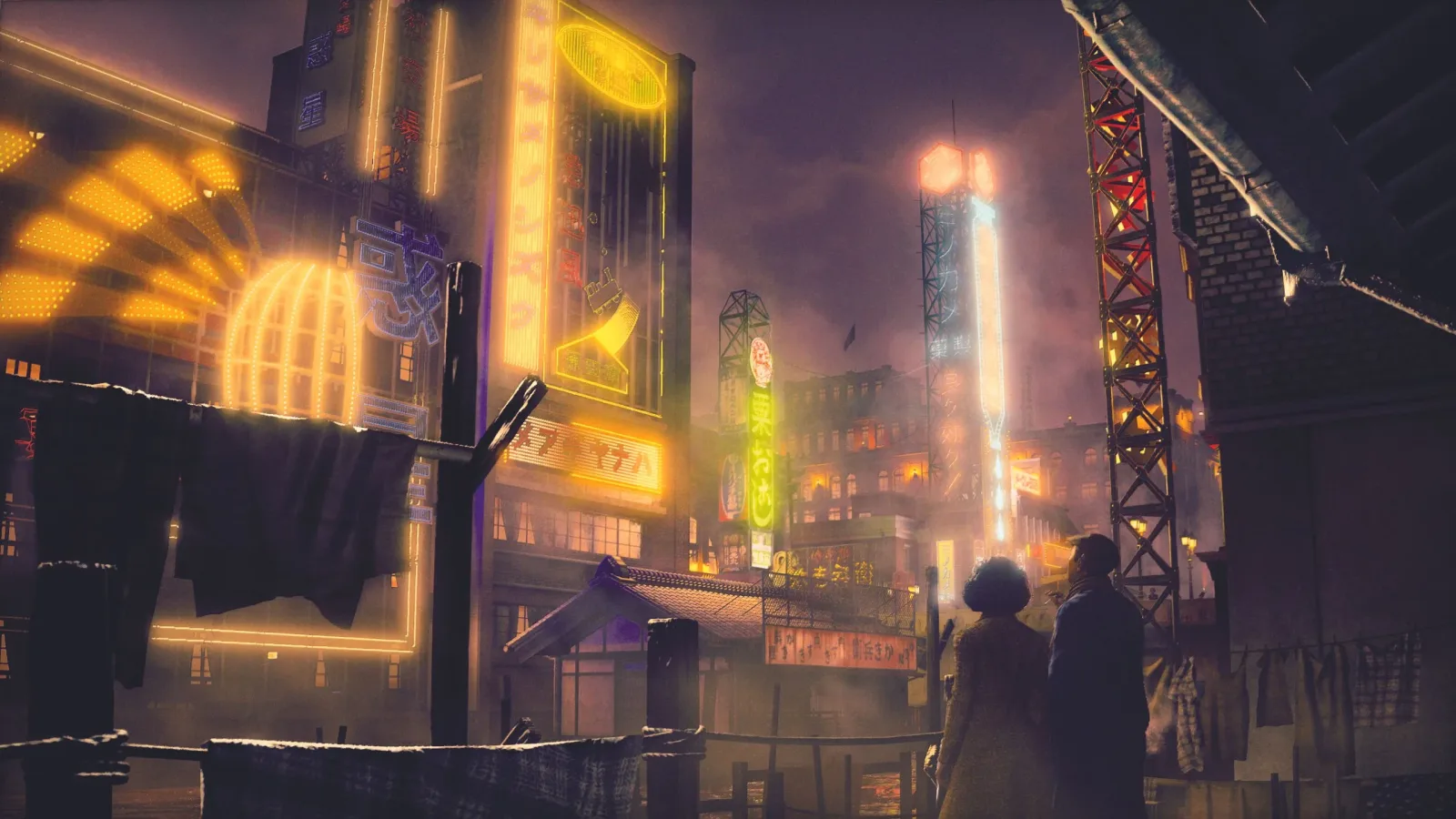
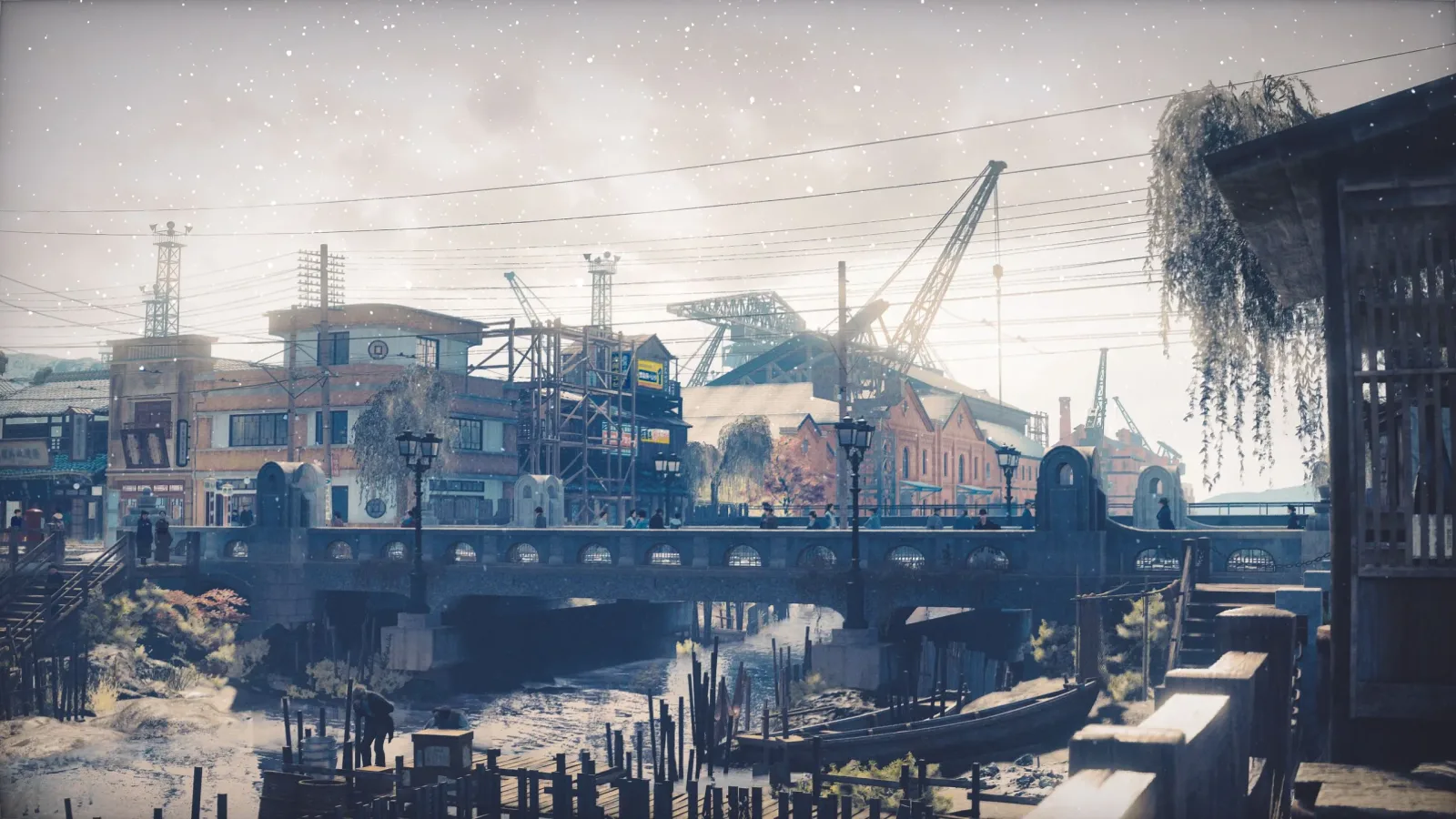
That desperate escape is only the beginning of a life that will carry Daito through early Taisho-era Japan, post-war society and the 1960s. The studio's plan calls for cities from multiple historical periods, with locations including Kokura, Kure City in Hiroshima and wartime Osaka's Sotenbori entertainment district. By 1943, Daito has earned the title "The King of Sotenbori," while an earlier jump forward shows him as a better-dressed, tattooed yakuza in Kure City.
A story about belonging, prejudice and survival
Daito's mixed heritage is not background detail. It is presented as a persistent source of conflict throughout Stranger Than Heaven. After arriving in Japan, he is subjected to xenophobic abuse and slurs from people he encounters. The hostility extends beyond story scenes and appears in everyday activities, reinforcing the idea that he cannot simply leave discrimination behind by crossing an ocean.
For useful background on this topic, read Doug Bowser Apologizes After AI Thanksgiving Image Draws Fan Backlash.
Game director Mikinobu Abe has spoken about having lived abroad, returned to Japan, left again and eventually come back. While he has stressed that his own experiences are not identical to Daito's, that background informed his understanding of the protagonist's uncertainty, his movement between cultures and his search for a place to belong. Abe's hope is that the core feeling behind Daito's story can resonate beyond its specific historical circumstances, whether players relate through moving somewhere new, changing jobs or entering an unfamiliar community.
Executive director Masayoshi Yokoyama has indicated that the game will not pretend this aspect of Daito's life simply disappears as the years pass. Attitudes will shift as foreign cultural influence becomes more visible in Japan, but Daito's encounters with prejudice will remain something that affects him across his lifetime. That framing gives the project a more serious emotional foundation than a simple rise-to-power crime story.
His earliest involvement with the underworld begins in Kokura. A local gang tasks him with taking Tae Matsumoto away from a gang leader, but the assignment introduces him to someone facing her own difficult circumstances. Tae, a waitress who says she was sold off when she was 12, becomes an important figure in Daito's life. Her desire to become a singer also points toward the musical direction that will eventually define his future.
Yu Shirota plays Daito, while Moeka Hoshi plays Tae. RGG Studio chose Shirota in part because it needed a performer who could portray the character at very different ages. Producer Hiroyuki Sakamoto has described the voice direction as a lengthy process, reflecting the unusual challenge of charting one person's development over such a large stretch of time. Dean Fujioka also appears as Shinjo, another key character in Daito's orbit.
Combat built around each hand
For all of its historical and personal drama, Stranger Than Heaven remains an RGG Studio game, and Daito's path regularly leads to fights. The team has reworked the basic control approach for these confrontations. Rather than leaning on a familiar sequence of light and heavy attack buttons, the left and right bumpers correspond to light strikes from Daito's respective arms, while the triggers unleash heavier blows from each side.
Pressing both triggers enables grappling. If an enemy is knocked down, Daito can straddle them and continue the assault. Before finishing an opponent, players need to drain a small meter representing their will to fight. Defensive options include blocking and directional parries, with a successful timed response opening an enemy up to a punishing counter. Dodging is available as well, and may be especially important when knives enter the equation.
The result is reportedly more deliberate than the fast, combo-heavy brawling fans may expect. That does not mean it is unresponsive; instead, it aims for force and danger. Even ordinary fights are designed to have a sense of consequence, with hits landing heavily and opponents capable of punishing mistakes. Enemies also do not politely stop attacking when Daito is down, meaning a player may need to roll away while prone rather than immediately recovering.
Weapons shift the pace further. A razor-like blade offers quick strikes at the expense of raw damage, while a katana and other tools bring their own properties. The sledgehammer, however, is an especially intimidating option: slower to use, but devastating when a charged swing connects. Healing comes from a blue medicinal drink consumed with a D-pad input, an era-appropriate variation on the restorative items familiar to RGG devotees.
Yokoyama's explanation for the two-sided control scheme is strikingly straightforward. The team considered how someone unfamiliar with a controller might intuitively interpret it: press a button on the left, and expect the left side of a character to respond. It is an approach born from questioning accepted conventions, even when those conventions have become invisible to experienced players.
Five decades of "historical fun fiction"
Recreating multiple eras is an enormous production challenge, but RGG Studio believes its Dragon Engine and accumulated expertise are key advantages. Yokoyama has said the technology gives the team significant control over lighting, colour and atmosphere. Art director Daishi Kanaya explained that the studio often relies less on traditional concept art than early 3D mock-ups, which it can explore, test and iterate on directly.
The goal is not museum-level reconstruction in every detail. Yokoyama characterizes the approach as "historical fun fiction": settings should feel authentic and evocative, but they must also be lively enough for a modern game. More doors are open for Daito to enter than players might expect from earlier RGG adventures, yet the places have been designed around compelling activity rather than a strict simulation of what each city may literally have been like.
This philosophy also helps explain some of the game's most conspicuous fiction. Snoop Dogg appears as himself in the role of Orpheus, an enigmatic figure whom Daito first meets aboard the ship to Japan. Orpheus is more than a brief guest appearance, and can even teach Daito to roll a herbal cigarette for a pre-fight boost. Tupac Shakur is also part of the game, though the details of his role were not shown in the hands-on session.
Yokoyama has framed these inclusions around the excitement of performers and characters with real-world connections appearing in the same fictional space. He specifically pointed to the well-known relationship between Snoop Dogg and Tupac as part of the appeal. Their presence is deliberately anachronistic, but it fits a project that is more interested in expressive cultural remixing than rigid historical realism.
Music is gameplay, not just atmosphere
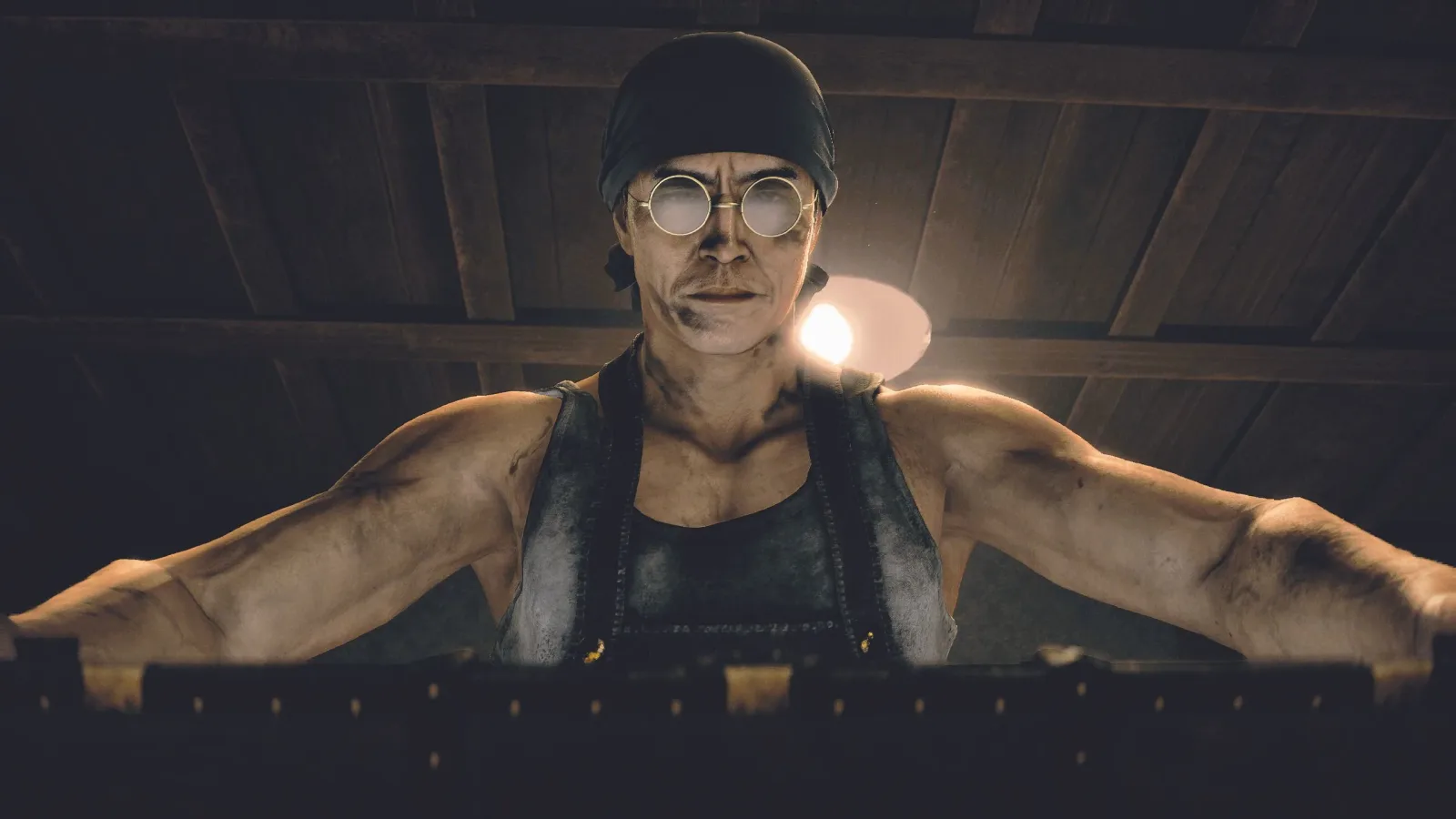
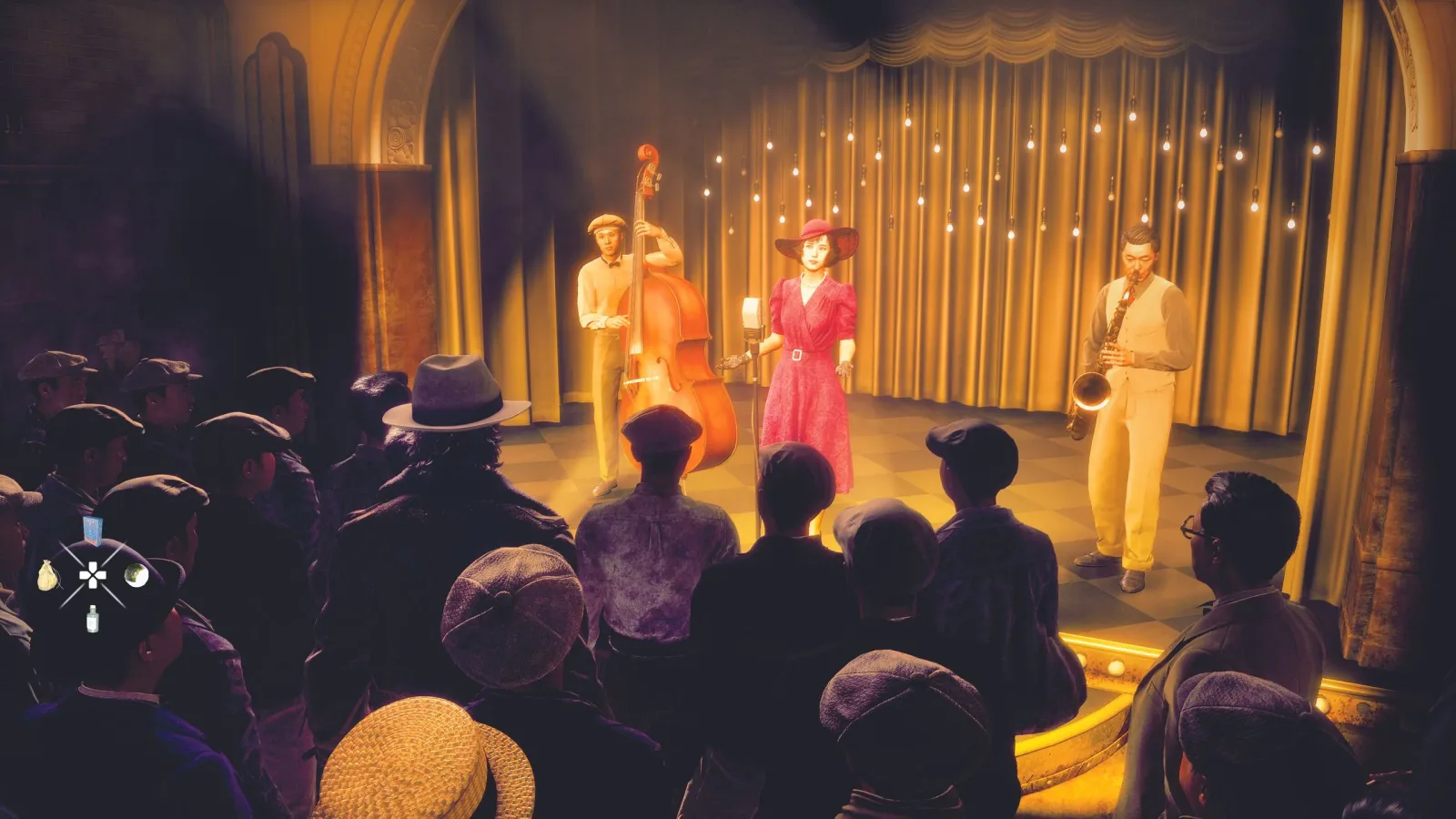
The clearest departure for RGG Studio may be Daito's evolution into a music promoter. The concept emerged early during story planning, and it gives his natural sensitivity to sound a practical role in the game. In Osaka, Daito can listen closely to the city and identify sounds he "digs" for later use in music. A musician on the street might offer an obvious source of inspiration, but so can the ticking of a clock, a blacksmith's anvil or even a crying baby.
These collected sounds are taken to a composer and incorporated into existing pieces. Players can reshape music across genres including country blues, New Orleans and gypsy jazz, early pop, marches and slow boogies. The sound-collection interface is accompanied by visual effects and controller feedback inspired by music visualizers and audio-editing software, turning a mundane city noise into a moment of creative discovery.
Putting on a show involves more than assembling a tune. Daito can hire musicians, weigh the cost against their ability, prepare stage effects and manage cues during the performance. Rhythm inputs are said to be more forgiving than the karaoke challenges in Like a Dragon, but handling lighting and sound successfully can elevate a concert. Financial success is not guaranteed, either. A strong performance can still lose money if the crowd is too small.
That risk-reward loop suits a story about a man trying to make a place for himself in a changing world. Music can offer Daito an alternative route through the prejudice and violence surrounding him, while his criminal connections complicate the business behind every show. A scene in which Daito and Shinjo sing a childhood song before launching into an impromptu performance suggests that music will be a source of joy as well as commerce.
Stranger Than Heaven has not yet answered every question about how its brawling, crime drama, social themes and promoter systems will hold together over five decades. Still, the initial picture is unusually bold: a story of identity and hardship, a hard-hitting new combat model, and a musical system embedded deeply in the protagonist's rise. RGG Studio is clearly moving beyond a familiar formula, without abandoning the dramatic excess and tactile action that made that formula memorable in the first place.
Community
Discussion
Start the conversation.
No comments have been posted yet.