

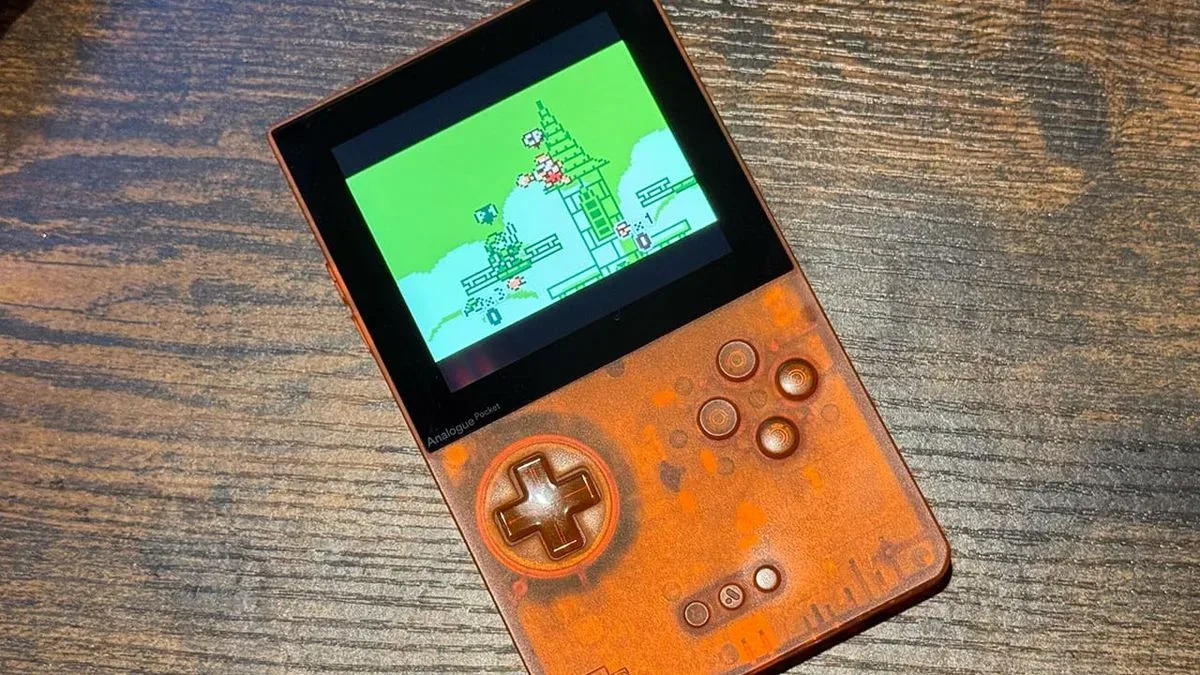
Super Smash Land, the long-running unofficial homebrew tribute to Nintendo's platform-fighting series, has gained a new and especially fitting way to play: on actual Game Boy Advance hardware. Rather than being an official Super Smash Bros. release for the 32-bit handheld, this is a technical revival for a fan-made demake originally built with the original monochrome Game Boy in mind.
The project's code has been translated from C so it can run through a Game Boy Advance flash cartridge. It is also compatible with FPGA-based handheld hardware, including the Analogue Pocket, as well as emulators on a computer. For retro handheld enthusiasts, the update creates something that once seemed like a missed opportunity from Nintendo's own history: a compact Smash-style game playable on the GBA years before Super Smash Bros. ultimately made its official handheld debut on Nintendo 3DS.
That distinction matters. Super Smash Land is not a newly discovered Nintendo project, a retail GBA release, or a conversion of the full Nintendo 64 original. It is an independent homebrew game designed around the visual language and technical limitations of classic Game Boy software. Yet its move to Game Boy Advance hardware gives the project a new practical home on one of the most beloved portable systems of the early 2000s.
A demake built around classic handheld limits
Demakes are often more than visual downgrades. The best ones rethink a modern or console-scale idea through the constraints of older hardware, choosing which features are essential and which need to be transformed. Super Smash Land approaches Nintendo's crossover fighter from that perspective. Its characters, arenas and action are reduced into a Game Boy-inspired presentation while retaining the core tension of knocking opponents off a stage.
For useful background on this topic, read Creative Assembly Responds After Total War: Shogun 2 Complete Edition Is Pulled From Sale.
Its arrival on GBA-compatible hardware is particularly appealing because the Game Boy Advance sat between two eras. It was much more capable than the original Game Boy, but it still carried the compact, immediate style that suits a stripped-down fighting game. The project's visuals remain rooted in its Game Boy origins rather than becoming a new GBA-native redesign, but players can now load it onto hardware that many associate with portable multiplayer sessions, link cables and shared cartridges.
That historical connection is part of the charm. Official Super Smash Bros. portable play did not arrive until the Nintendo 3DS era. For players who spent the Game Boy Advance generation imagining what a pocket-sized version might look like, Super Smash Land offers an alternate-history answer: a deliberately small-scale interpretation with its own roster, stages, progression and multiplayer support.
Six fighters, including two unlockable challengers
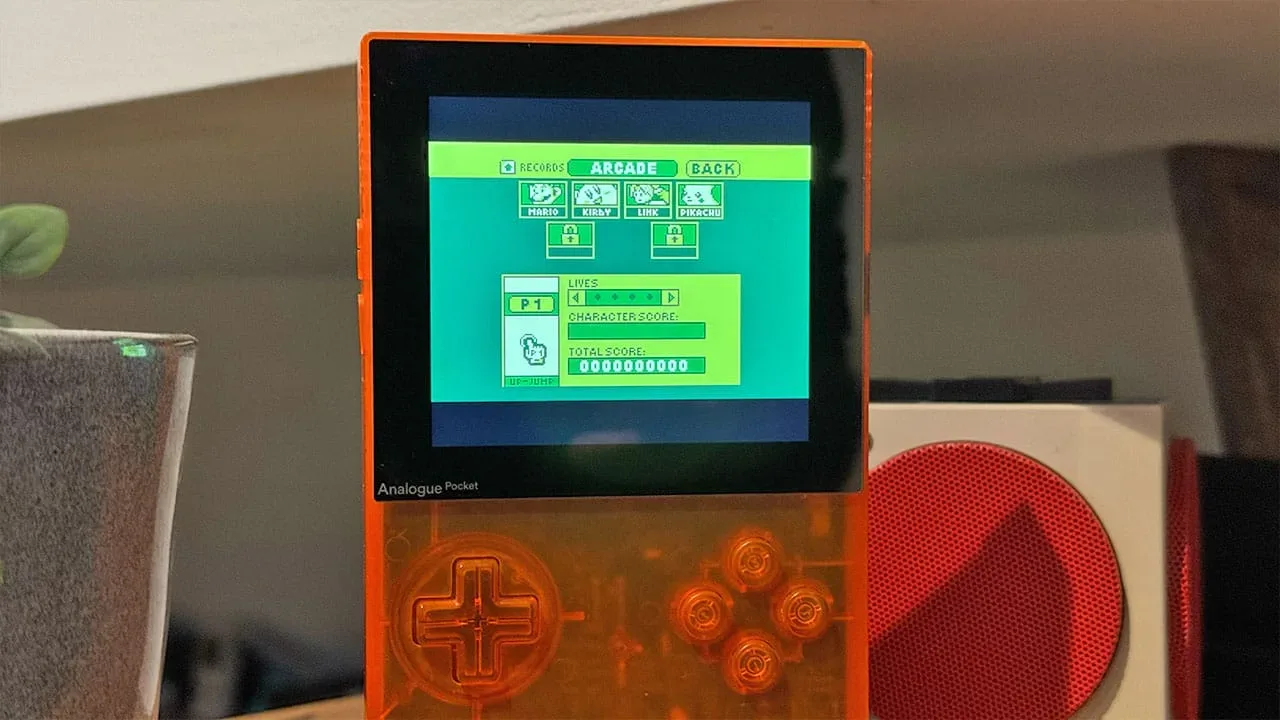
Super Smash Land begins with four available fighters: Mario, Link, Kirby and Pikachu. Those names immediately establish the game's familiar Nintendo-inspired foundation, with character selections that reflect the earliest Super Smash Bros. roster while fitting the homebrew project's retro crossover spirit.
Two additional combatants can be unlocked through play: Mega Man and Vaporeon. Their inclusion underlines that this is a fan-made game rather than a strictly historical recreation of a single official Smash release. Unlocking characters has always been a major part of the wider Smash Bros. appeal, encouraging players to revisit single-player challenges, experiment with the cast and pursue hidden conditions. Super Smash Land adopts that sense of discovery instead of making every feature available immediately.
The game has 11 stages in total. Five are playable from the start, while the remaining six must be unlocked. That structure gives the small handheld package some longer-term momentum. A player can jump into quick matches immediately, then keep progressing toward new arenas and fighters rather than treating it as a one-session curiosity.
There are also three camera modes to cycle through. Camera treatment is an important consideration in any platform fighter, particularly one adapted to a compact screen and a retro visual style. Offering multiple views gives players room to find a presentation that feels most comfortable for competitive play or casual experimentation.
Arcade, Versus and Endless modes provide different ways to play
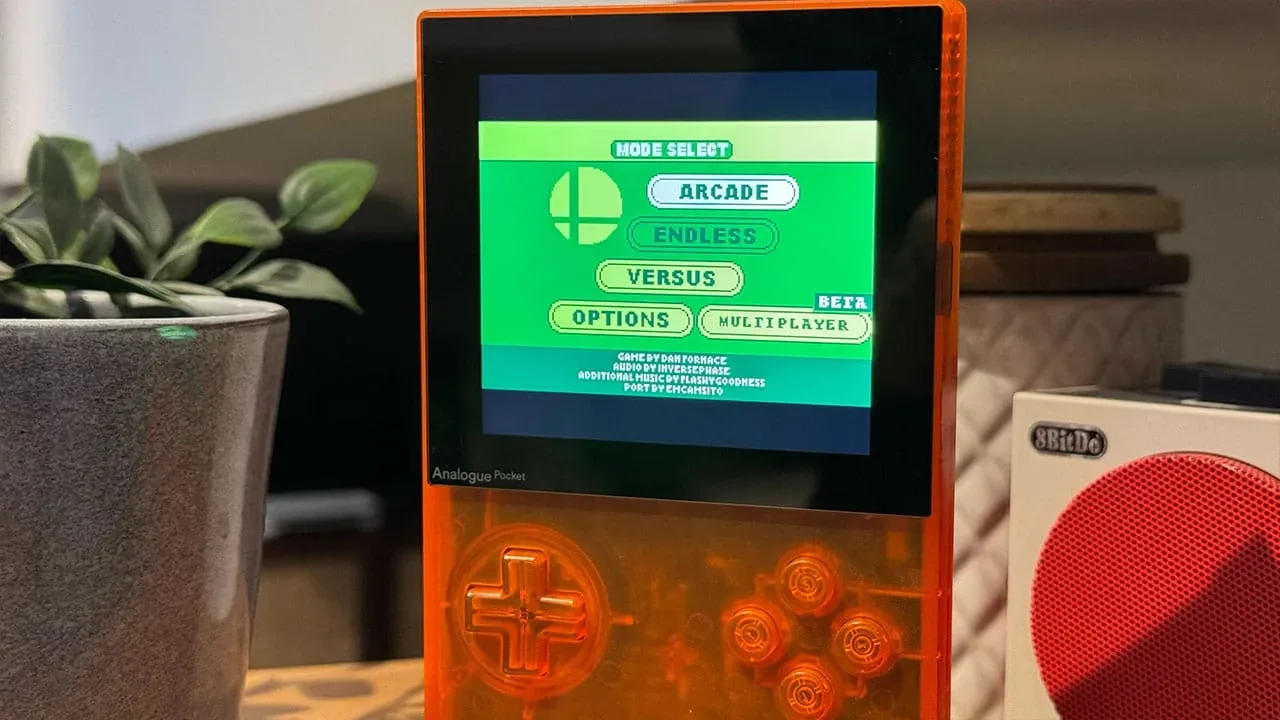
Super Smash Land includes three central modes: Arcade, Versus and Endless. Each serves a clear role within the game's condensed fighting-game format.
- Arcade offers a structured solo route through battles.
- Versus is built for direct matches between players or for setting up specific rivalries.
- Endless focuses on sustained survival and provides another challenge for players looking to test consistency.
Even with a smaller roster than official Smash games, those modes help establish the rhythm expected from the series' style of fighter. There is a solo path, a social competitive option and a mode that emphasizes endurance. Combined with unlockable content, the package is more substantial than a simple technical demo or proof-of-concept brawler.
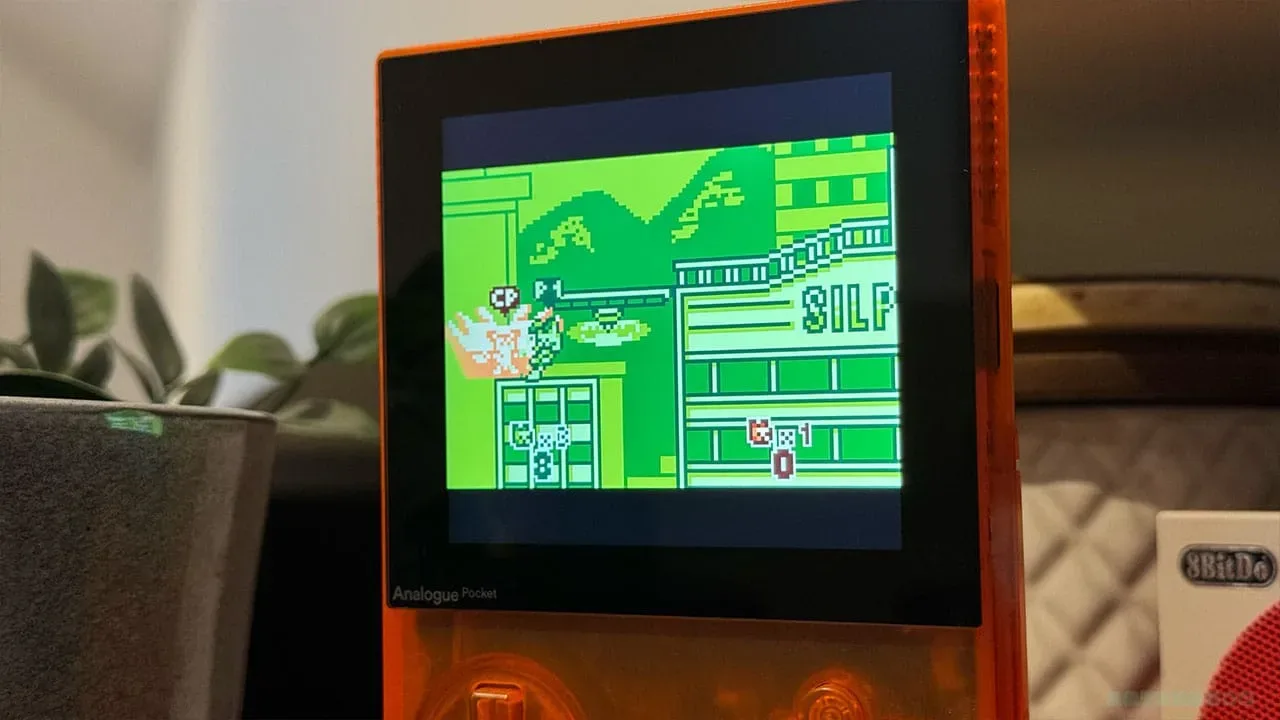
The computer-controlled opponents are also described as formidable. CPU fighters do not simply wait for the player to approach; they can quickly pressure an idle opponent and look to secure the round. That aggression is important in a game of this type. Platform fighters rely on motion, positioning and the constant threat of being launched away, so opponents that force engagement can make solo play feel much more active.
Familiar character flavor remains part of the experience as well. Link's spinning sword jump, for example, is represented among the game's recognizable attacks. Such touches are key to the demake's purpose: the goal is not merely to place famous sprites in a generic fighting engine, but to capture some of the moves and personality players associate with the larger crossover series.
Real link-cable multiplayer is the standout feature
The most notable element of the Game Boy Advance version may be its hardware multiplayer support. Players with multiple GBAs and a link cable can play together locally, with matches supporting up to four participants. That is exactly the kind of feature that makes this release feel at home on the system.
There is one important setup requirement: everyone taking part needs to be using the same version of the ROM. With the proper matching builds and hardware in place, however, the setup turns Super Smash Land into a genuine couch multiplayer game for Game Boy Advance devices rather than a solitary emulation novelty.
For retro players, that evokes an era when handheld multiplayer meant gathering in the same room, connecting systems physically and passing the time around a tiny screen. The GBA had many memorable link-cable experiences, and local four-player support gives this homebrew a particularly strong reason to be loaded onto real hardware. It is easy to imagine the game becoming a fun addition to meetups, retro events or a group's collection of flash-cart favorites.
How to play Super Smash Land on GBA-compatible devices
The ROM is available through itch.io. From there, the process depends on the preferred platform. Players using a Game Boy Advance will need a compatible flash cartridge and a microSD card. The ROM can be transferred to the card, loaded through the flash cartridge and launched on the handheld.
Those playing on FPGA hardware can use an appropriate supported device, including the Analogue Pocket. Computer users can run the game through an emulator instead. These different options make the project accessible whether someone wants the authentic buttons and link-cable setup of original hardware or simply wants to try the game quickly on a PC.
As with any homebrew ROM, players should take care to use compatible hardware, follow the instructions supplied with their flash cartridge or FPGA device, and ensure every participant has the same ROM version before attempting a multiplayer session. The game's appeal lies partly in its flexibility: it can be explored casually in emulation, carried on a modern FPGA handheld or treated as a dedicated Game Boy Advance multiplayer title.
An affectionate alternate path for handheld Smash fans
Super Smash Land does not replace an official Super Smash Bros. game, nor is it trying to reproduce every system, character and spectacle that later entries accumulated. Its appeal is more specific. It imagines what the concept could have felt like if it had been compressed into a Game Boy-era format, then extends that idea to hardware from the GBA generation.
With six fighters, 11 stages, hidden content, three play modes, multiple camera options and four-player local multiplayer, it offers a surprisingly complete retro package. Most importantly, its new compatibility gives Game Boy Advance owners a rare chance to play a Smash-inspired brawler through the kind of portable hardware that once seemed perfectly suited to the series.
For fans of homebrew preservation, handheld fighting games and imaginative retro demakes, Super Smash Land's GBA support is an intriguing technical achievement and a welcome excuse to dig out a flash cart, link cable and a few extra systems.
Community
Discussion
Start the conversation.
No comments have been posted yet.