

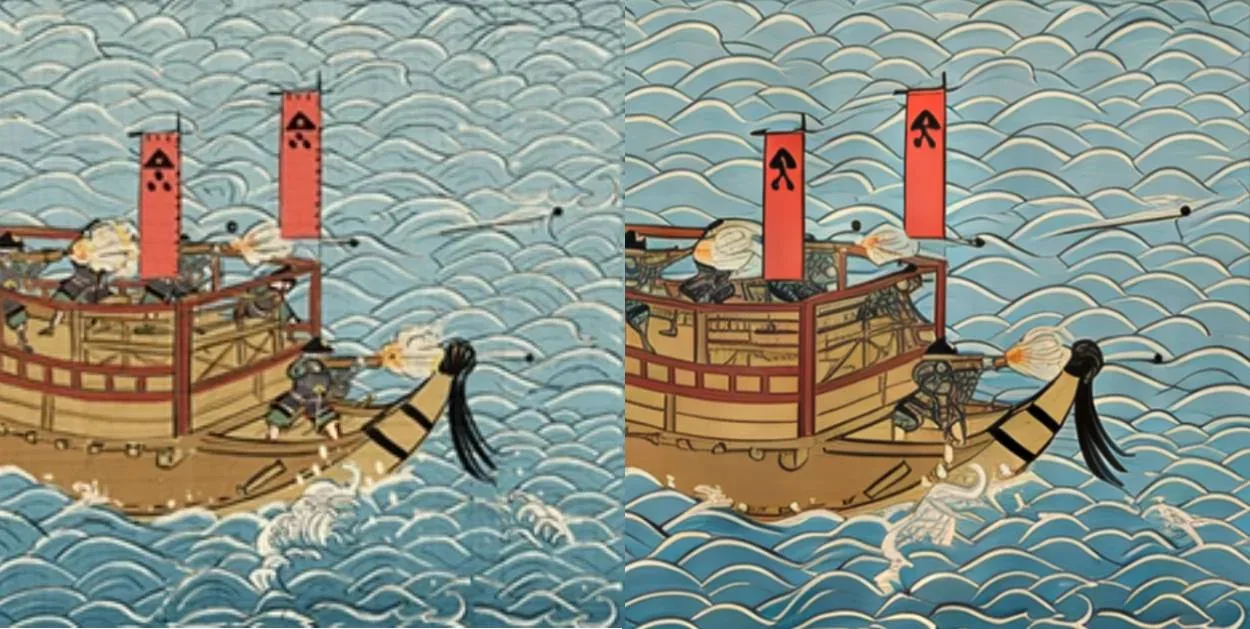
Creative Assembly has issued its first substantial response following the troubled launch and rapid removal of Total War: Shogun 2 Complete Edition. The newly updated version of the acclaimed strategy game arrived in a condition that drew a fierce backlash from players, who cited major performance problems, an unattractive presentation, and artwork that appeared to have been enhanced through AI upscaling.
In a forum statement, Total War division vice president Roger Collum said the release did not reach the quality standard expected of the series or its community. He acknowledged that players were angry and disappointed, adding that Creative Assembly shares that frustration. The company has now assembled a small group of senior developers to work alongside Sega and the external development partner on determining what happens next.
The response is an important one, not only because Shogun 2 holds a particularly esteemed place in Total War history, but because the situation has raised difficult questions around outsourcing, internal quality assurance, preservation of older games, and the appropriate use of artificial intelligence in game production.
A beloved Total War game gets an unwanted overhaul
Originally released in 2011, Total War: Shogun 2 is routinely regarded as one of the high points of Creative Assembly's long-running strategy franchise. Its combination of turn-based clan management, diplomacy, technological progression, and large-scale real-time battles set in feudal Japan made it a lasting favorite among both Total War veterans and newcomers. Its expansion content, including Fall of the Samurai, has also remained highly regarded.
For useful background on this topic, read Palworld Studio Receives Fan Requests to Buy Mass Effect Following BioWare shutdown Reports.
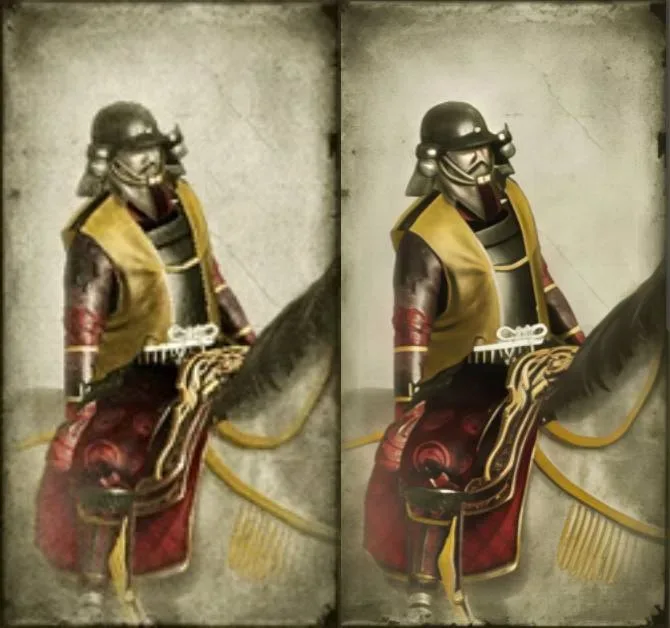
That reputation made the release of Complete Edition especially sensitive. Marketed as an updated, enhanced, and complete package, the version instead accumulated overwhelmingly negative Steam user reviews shortly after launch. Complaints focused on poor performance and visuals that many players felt looked worse than the older release. Players also identified images in the game's encyclopedia which seemed to be based on AI-upscaled versions of original low-resolution material.
The fallout was immediate enough that Sega pulled Complete Edition from sale. The removal also generated concern because the older version was reportedly taken down at the same time, leaving prospective players without the previously available edition while the replacement faced severe criticism.
Creative Assembly accepts responsibility, while highlighting external development
Collum's statement repeatedly stresses that Complete Edition was not built directly by Creative Assembly's internal teams. He said the studio had taken its attention away from the external development of the project while its own teams were focused on larger upcoming work.
Although the statement does not name the partner, the development work has been associated with Polish studio Mataboo. Collum's explanation frames the release as a failure in external oversight rather than the work of the developers currently making Creative Assembly's major projects. At the same time, he recognized the unavoidable fact that the Total War name remains Creative Assembly's responsibility.
"Whatever the development arrangements, Total War is our franchise and our name is on it," Collum said in the statement.
That distinction is likely to be central to how players assess the response. Outsourced development is common throughout the games industry, particularly for ports, remasters, re-releases, support work, and adaptations intended to bring older titles to newer storefronts or hardware. But external production does not remove the need for publisher and franchise-holder approval. In this case, the central question for many fans is how a major revision of one of the series' most cherished games could reach customers without the type of review expected from a flagship brand.
Collum directly addressed that point by saying the project was not subject to the same internal reviews and quality-assurance process as Creative Assembly-developed games. That admission explains part of the breakdown, but it also creates further uncertainty about why those safeguards were not applied to a commercial release carrying the studio's name.
AI-upscaled art is under investigation
The other major issue is the alleged use of generative AI or AI-assisted processing. The controversy appears to center on small encyclopedia assets from the original game, where players found visual artifacts and distorted details consistent with automated upscaling. While the images may have been relatively minor compared with core battle systems, interface performance, or campaign functionality, their presence became symbolic of a release that many buyers felt had not received adequate care.
Collum sought to clarify Creative Assembly's wider policy. He said the studio does not use generative AI to make game assets, including AI-generated art, and that it expects the same from external development partners. The Shogun 2 situation, he said, is being investigated.
However, Creative Assembly does use AI tools in other limited capacities. Collum described AI as something that can assist skilled employees rather than replace them, naming areas such as analysis, debugging, and rapid prototyping as potential applications. In his view, the dividing line is whether a tool supports a human creator's work or substitutes for human creativity.
That is a distinction increasingly being debated throughout game development. Many studios and publishers have explored machine-learning and AI-assisted tools for testing, localization support, workflow automation, analytics, coding assistance, and early experimentation. The public response is often much harsher when such technology appears in final consumer-facing art, writing, voice work, or other creative assets--particularly when the result is visibly flawed.
For Shogun 2 Complete Edition, the available details leave several practical questions unanswered. It is not clear whether the external team had access to higher-resolution source materials for the original encyclopedia images, whether those originals still exist in usable form, or whether there were resources to recreate the art manually. Those circumstances would not erase the criticism of the final result, but they could help explain how an automated process made its way into the release.
What happens next for Complete Edition?
Creative Assembly has not announced a relaunch date, a patch plan, or a detailed roadmap for Complete Edition. The immediate commitment is that senior Creative Assembly staff will work with Sega and the external developer to identify next steps. For players, the key outcomes will be whether the game returns in a substantially improved state, whether its performance and visual defects can be meaningfully addressed, and whether the legacy version becomes available again.
A credible recovery will likely require more than isolated fixes. The concerns surrounding the launch are interconnected: poor technical performance undermined confidence in the update's basic purpose, visual changes created doubt about the care given to the original game's aesthetics, and the reported AI-upscaled art prompted questions about process and accountability. Restoring trust means demonstrating that each problem has been evaluated rather than simply returning the product to sale after minimal corrections.
There is also a broader preservation concern. Re-releasing older PC games can be valuable when it improves compatibility, packages expansions, supports current operating systems, or protects a title from disappearing as digital storefronts change. But replacement editions carry risks when they remove access to an earlier version or alter the game without matching its original standard. Shogun 2's reputation means the community is likely to scrutinize any future release closely, particularly if it is positioned as the definitive way to buy and play the game.
Collum asks fans not to target individual developers
Alongside the apology and explanation, Collum asked members of the community not to direct harassment or personal abuse toward individual employees. He said the people working on Total War do not deserve to be singled out or attacked online. Instead, he urged players to direct their criticism toward him as the person accountable for the division.
The call to avoid personal harassment is a necessary one. Criticism of the release, its business decisions, its quality controls, and its use of external development is entirely reasonable; targeting rank-and-file developers personally is not. Games of this size are made through complicated chains of decisions across studios, publishers, production leadership, QA, and commercial teams, and public anger should remain focused on those decisions and their outcomes.
Collum closed by saying Creative Assembly must earn back player trust through good games and through the way it responds when it fails. That is a straightforward standard, and one that will now be tested by the company's handling of Shogun 2 Complete Edition.
For now, the game remains a cautionary example of how quickly goodwill around a classic can be damaged by a flawed modernization. Creative Assembly has acknowledged the failure, confirmed that it is examining the reported AI issue, and accepted that the Total War brand ultimately answers for the product. The next meaningful step is not another statement, but a clear solution for the players who expected a respectful, polished return for one of strategy gaming's most celebrated releases.
Community
Discussion
Start the conversation.
No comments have been posted yet.