

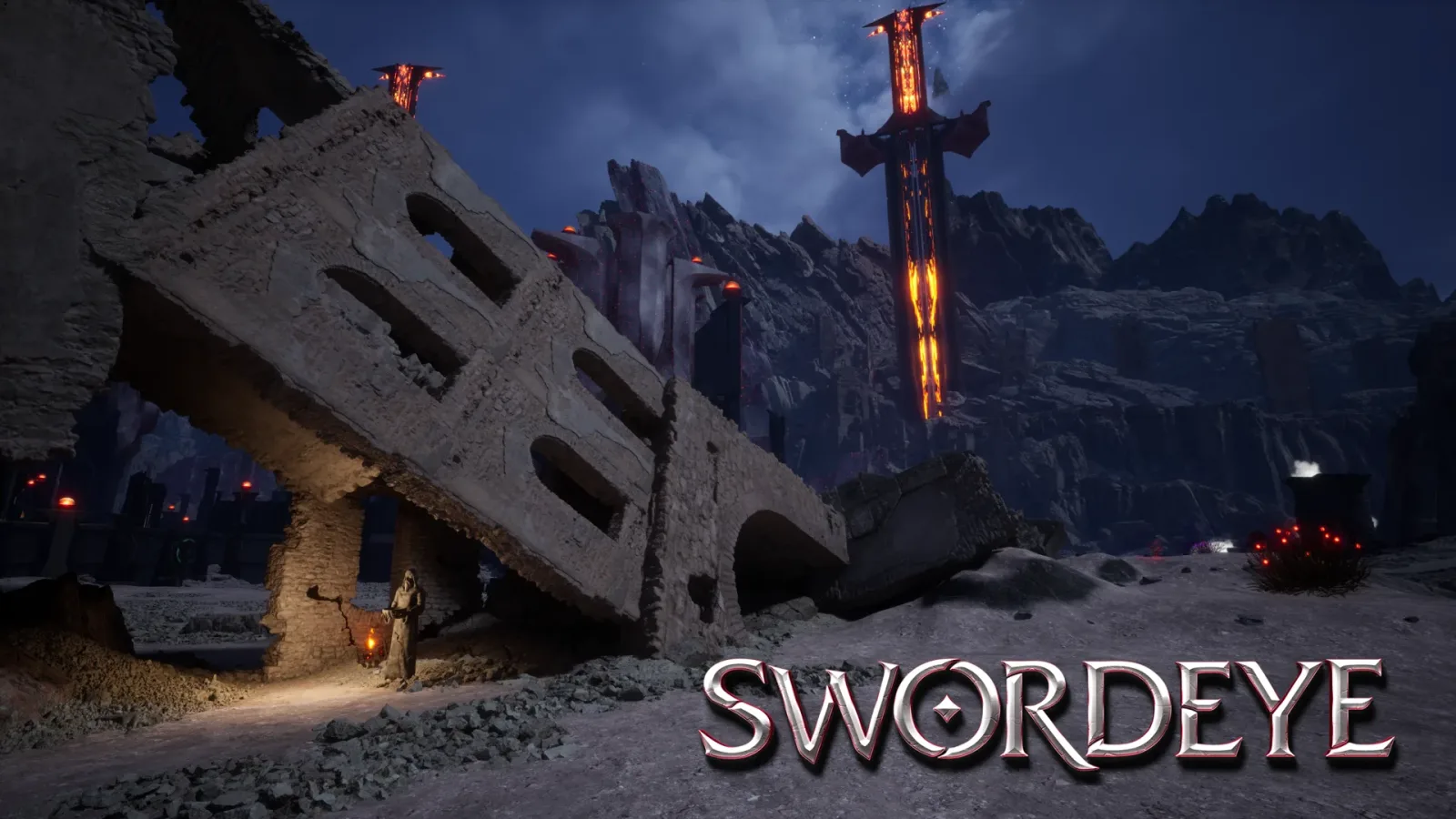
Swordeye, the upcoming melee-focused extraction PvPvE game from solo developer ALX Theory, is receiving an updated demo for October's Steam Next Fest. Previously known as Swordai, the project is positioned as a demanding fantasy combat experience where survival depends on far more than landing the first swing.
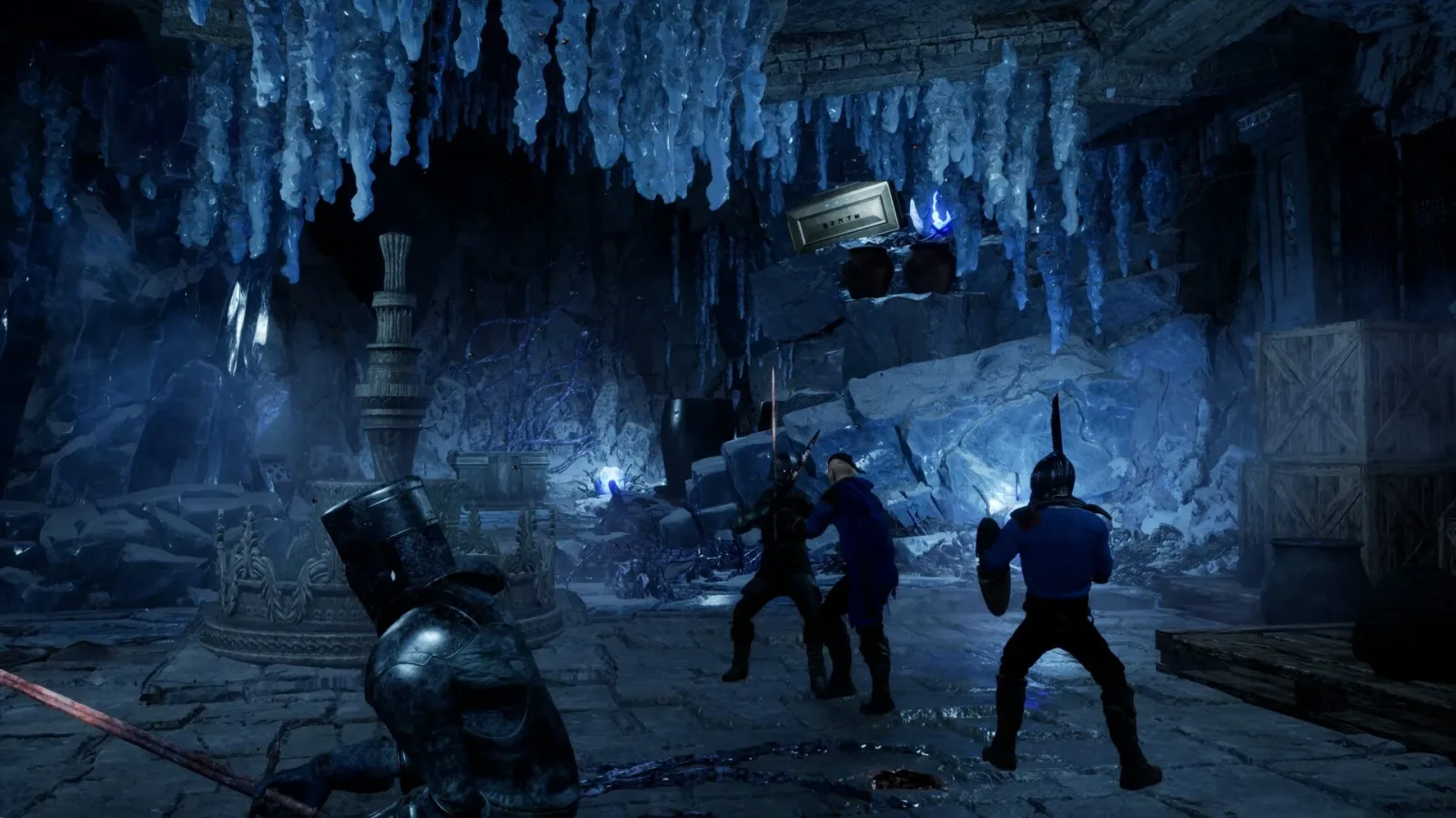
The refreshed demo is intended to provide a broader view of Swordeye's open-world structure and its precision-based directional fighting. Players will be able to venture through the wider map, enter a tier 1 dungeon area, and explore an updated version of the Ice Cave. Along the way, they can battle NPC opponents or confront other players while pursuing rewards that must be secured through extraction.
That combination places Swordeye in a particularly tense corner of multiplayer action design. It is not simply a sword-fighting game, nor solely a dungeon crawler, nor only an extraction game. Its central hook is the way those ideas intersect: enter dangerous spaces, manage threats from the environment and hostile creatures, deal with the possibility of player interference, gather valuable loot, and make it out alive.
A sword system built around intent and timing
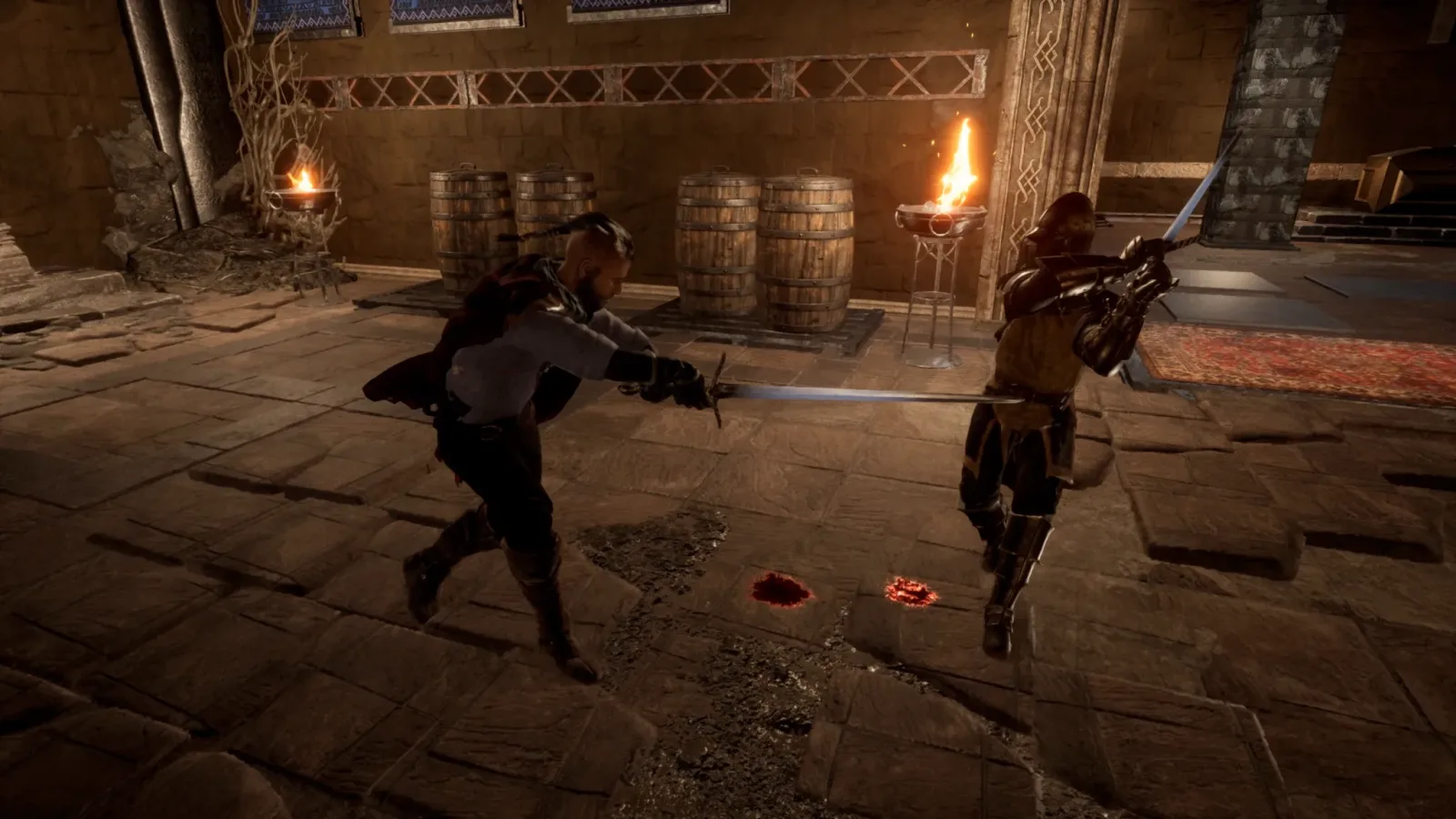
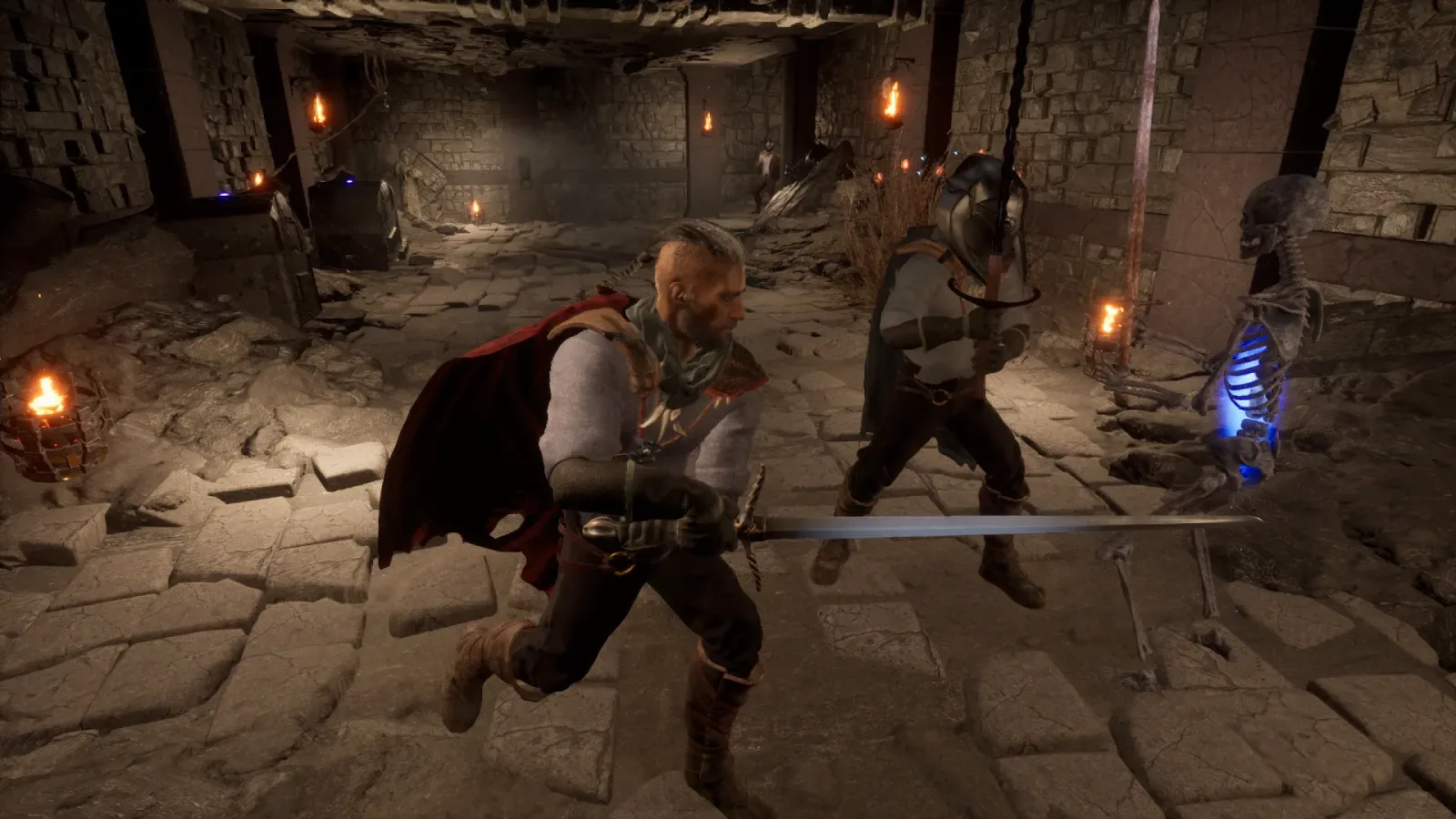
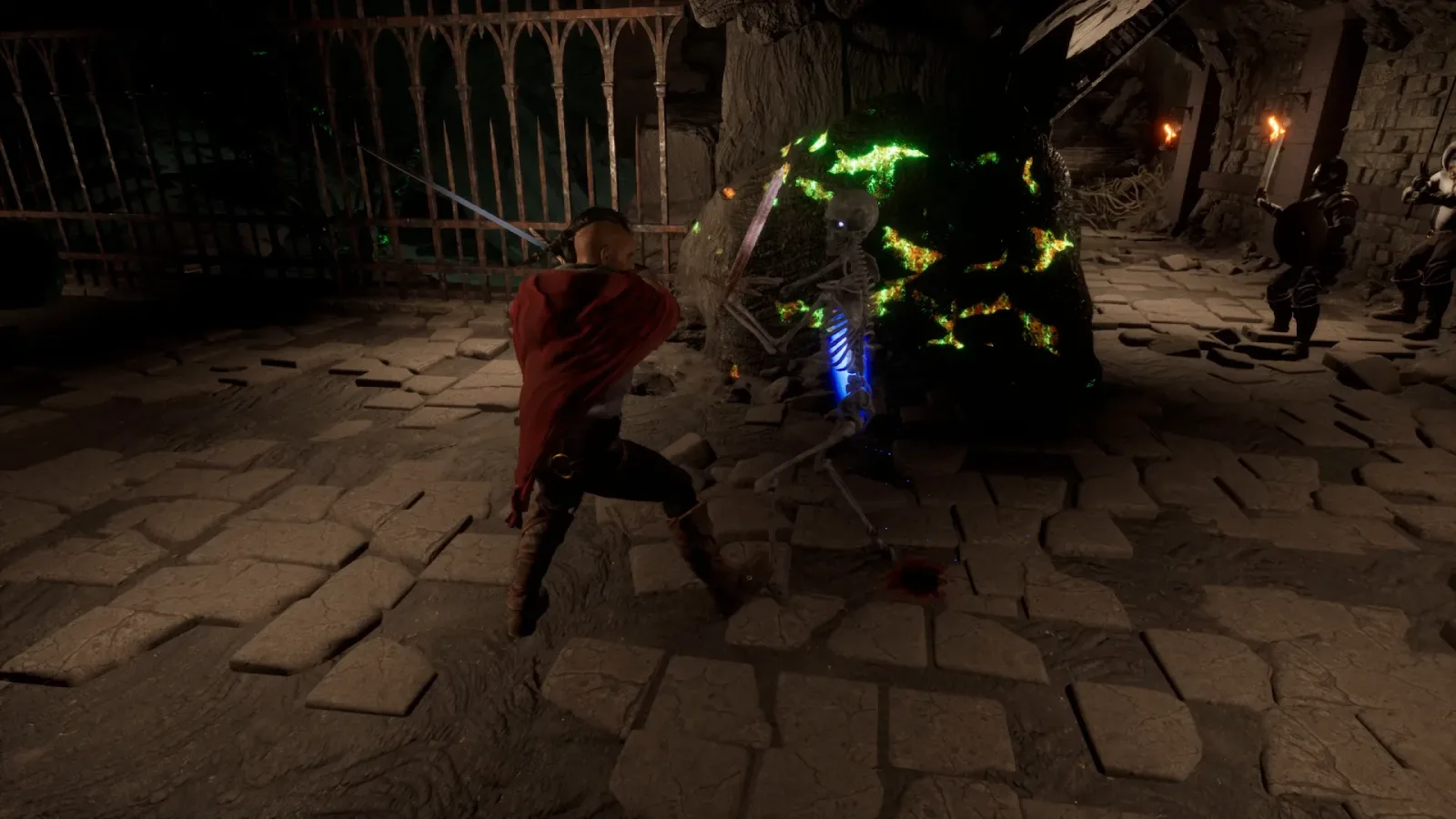
Swordeye's combat is built around a hardcore six-directional system. Rather than treating melee as a sequence of uncomplicated button presses, the game emphasizes the direction and timing behind each action. Attacks, defensive blocks, and parries all matter, while the wider toolset includes ripostes, feints, kicks, and combos.
For useful background on this topic, read Hell is Us Arrives on Nintendo Switch 2 as Update Adds 10 Hollow Walkers.
The stated goal is a style of fighting where players need to read an opponent's choices and respond with purpose. A successful parry can create an opening, but an ill-timed defense may leave a combatant vulnerable. Feints can potentially force a reaction. Kicks offer another way to disrupt an enemy's rhythm. Combos provide offensive pressure, but committing too aggressively in an extraction setting could be just as dangerous as playing too cautiously.
This approach gives Swordeye an identity rooted in melee fundamentals. Encounters are designed to make every strike and defensive decision consequential, particularly when another player may be carrying valuable equipment or when the winner of a duel gains access to resources needed for long-term advancement.
In practice, the stakes extend beyond defeating an opponent. A player who wins a fight still has to contend with the rest of the dungeon or open-world route, including monsters, traps, environmental dangers, and the journey toward extraction. The game's structure means a clean duel is only one part of the larger survival challenge.
For another perspective on this story, read Swordeye's Updated Steam Next Fest Demo Brings Directional Melee and Extraction Raids Into Focus.
Exploration, dungeons, and extraction pressure
The Steam Next Fest demo will include access to Swordeye's open-world map, giving players an opportunity to investigate the game's broader environment in addition to its more focused combat spaces. The tier 1 dungeon area should offer an early look at the game's crawl-based progression, while the updated Ice Cave adds another environment for players to test their build and their decision-making.
Each floor of the game's tower is described as a distinct, hand-crafted dungeon crawl. These areas are expected to combine enemies, trials, traps, and treasure rather than relying on combat alone. That structure should make route planning important: a promising loot path may also lead into an ambush, a difficult trial, or a location where other players are likely to appear.
The extraction component ties those risks to progression. Acquiring loot is not the final objective by itself; players must also extract it successfully to turn a run into meaningful advancement. That creates a familiar but effective tension in which a well-equipped character has more to lose, while a player on a lighter run may have reason to take chances for a larger payoff.
Swordeye supports massive multiplayer dungeons and is designed for both solo players and groups. That leaves room for several different approaches. A solo adventurer may prioritize mobility, stealthy navigation, and carefully chosen engagements. A group may have more options in direct fights, but cooperation can also make a party more visible and potentially more attractive as a target. The demo's NPC and player encounters should help demonstrate how those differing risk profiles feel in play.
Progression beyond a single raid
While the immediate objective of a Swordeye session is to survive, loot, and extract, the game also includes persistent progression. Players can work toward new skills, abilities, gear upgrades, crafting options, and customizable loadouts. A skill tree is planned as part of that progression framework.
This gives successful expeditions a purpose beyond the contents of one inventory. Rewards earned from trials, challenges, dungeons, and combat can contribute to a character's developing capabilities. The ability to adjust a loadout also suggests that players will be able to shape their approach around preferred combat habits, whether that means leaning into direct pressure, defensive responses, utility, or a mixture of styles.
Persistent systems can make extraction games especially compelling because they create a constant balance between present danger and future potential. Bringing better equipment into a hostile zone may improve a player's odds, but it also increases the cost of a bad encounter. Conversely, entering with less may reduce the loss of failure but limit available options. Swordeye's focus on gear, crafting, upgrades, and skills suggests that these decisions will sit at the heart of its long-term loop.
The trials and challenges mentioned for the game may also offer players a route to learn its mechanics in a more structured way. That matters for a six-directional melee system, where understanding defensive angles, timing windows, and offensive mind games may take practice. A demo can only show part of a progression arc, but it can establish whether the core combat has the clarity and depth needed to support it.
Raids, duels, and tournament competition
Outside of its dungeon expeditions, Swordeye is set to feature tactical raids, 1v1 tournaments, and lethal duels. These modes and activities point toward different scales of competition within the same combat foundation.
Raids place the directional swordplay within the unpredictable conditions of multiplayer exploration, where positioning, resource management, monsters, and extraction routes can matter alongside individual fighting skill. Duels, by contrast, put the emphasis more directly on a combatant's ability to outthink and outplay another opponent. Tournaments could provide a more formal competitive context for players who want to focus on head-to-head mastery.
For a game with feints, ripostes, kicks, blocks, and combos, the 1v1 side is likely to be especially important. It is where players can test whether they are recognizing patterns or merely reacting. A fighter who repeatedly blocks one line may be vulnerable to a changed angle. A player who expects an immediate strike may be baited by a feint. In an extraction raid, those exchanges are complicated by other threats; in a duel, the sword system has room to take center stage.
The updated demo will not necessarily represent every system planned for the full release, but it is positioned as a substantial opportunity to evaluate the main pillars: open-world exploration, dungeon danger, PvPvE conflict, directional melee, and the reward-driven pressure of getting loot out safely.
An important test during Steam Next Fest
Steam Next Fest is a useful setting for Swordeye because the game's appeal depends on how its systems feel in motion. Descriptions of tactical melee and extraction tension can establish the premise, but a playable build gives players the chance to judge the responsiveness of attacks, the value of defensive choices, the danger of enemy encounters, and the pace of a run through the available locations.
The updated Ice Cave and tier 1 dungeon should be particularly relevant in showing how Swordeye uses different spaces to support its combat and exploration. Hand-crafted dungeons filled with traps, challenges, treasure, and enemies need more than visual variety; their layouts can influence whether a player chooses to fight, retreat, take a detour, or risk a faster route toward an exit.
ALX Theory has not announced a final release date in the available details. Swordeye is listed as coming soon to Steam, with the October Steam Next Fest demo serving as the next public step for the game. For players interested in deliberate sword combat and high-risk multiplayer dungeon runs, the demo will offer an early opportunity to see whether its blend of precision melee and extraction progression can carve out a distinct place on PC.


Community
Discussion
Start the conversation.
No comments have been posted yet.