

Xbox is formalizing its ambitions beyond consoles, subscriptions, and game releases with the creation of Xbox Pictures, a division intended to bring the company's worlds and characters to audiences through film, television, and other linear storytelling formats.
The move places adaptation work inside a much broader organizational initiative called XP, a name that plays on the familiar gaming term "Experience Points." Xbox CEO Asha Sharma has described XP as a framework for four distinct investment areas: Xbox Pictures for screen adaptations, Xbox Products for licensing and merchandise, Xbox Partnerships for sponsors and brand collaborations, and Xbox Places for broadcasts, live events, theme parks, and other location-based experiences.
That structure makes the announcement more significant than a simple Hollywood production label. Xbox is presenting adaptations as one element in a coordinated effort to turn its recognizable games into entertainment brands that can reach people whether or not they own an Xbox console, play on PC, or use a cloud gaming service.
New XP president Kayleen Walters, previously CEO of Mojang, will help oversee that wider push. Walters' background is notable given Mojang's stewardship of Minecraft, one of the most globally recognizable game properties under the Xbox umbrella and a franchise already making the transition into theatrical entertainment.
For useful background on this topic, read Hell is Us Arrives on Nintendo Switch 2 as Update Adds 10 Hollow Walkers.
Xbox Pictures is built around adaptations, not a confirmed slate
The stated mission for Xbox Pictures is clear: match Xbox-owned worlds and characters with film and television opportunities. What remains unclear is the practical shape of the division's first slate, how directly it will participate in production, and which creative teams or studios will ultimately take on individual projects.
There have been no new titles, casting announcements, release dates, or platform commitments revealed alongside the formation of Xbox Pictures. That distinction matters. A dedicated division signals a long-term business direction, but it does not automatically mean that every major Xbox franchise is about to receive a movie or streaming series.
Instead, the announcement suggests Xbox wants a clearer route for evaluating pitches, locating production partners, handling brand oversight, and building related licensing opportunities when a project moves forward. In other words, Xbox Pictures may serve as a connective organization between game studios, outside film and television companies, consumer-products efforts, and the teams responsible for live promotional experiences.
The wording around partnerships also indicates that Xbox does not necessarily intend to become a traditional all-in-one film studio. The emphasis is on bringing properties to production companies rather than outlining a major internal operation that writes, shoots, finances, and distributes every project itself. That could allow the company to stay comparatively hands-off on day-to-day filmmaking while maintaining a more organized approach to its intellectual property.
A familiar strategy, now under a single banner
Game publishers have increasingly looked to film and television as an extension of their biggest franchises. The potential rewards are substantial: a successful adaptation can introduce a series to viewers who have never played it, renew interest in older games, create demand for merchandise, and give an upcoming game launch a much larger cultural footprint.
For Xbox, the opportunity is especially broad. Years of acquisitions and publishing relationships have left the company with an extensive library ranging from family-friendly creative games to fantasy role-playing adventures, military science fiction, racing, survival horror, and action series. Not every property will be suited to the same format. Some could work best as a large-scale theatrical release, while others may be better served by a limited series, an ongoing streaming drama, animation, or a smaller character-focused project.
The new XP model recognizes that the value of these franchises is no longer limited to a game disc, digital download, or monthly subscription. Xbox Products is positioned to handle merchandise and licensing; Xbox Partnerships covers sponsors and broader brand relationships; and Xbox Places opens the door to in-person attractions, events, broadcasts, and even theme-park-related experiences. Xbox Pictures can potentially feed all three of those neighboring areas if an adaptation finds a major audience.
That does not mean the company has abandoned games as its center. The entire XP name is rooted in game language, and the properties being adapted originate in interactive entertainment. But it does show Xbox looking to operate more like an entertainment ecosystem, where a player may first encounter a world through a show, a collectible, a live attraction, or a promotional event before ever picking up a controller.
Several Xbox adaptations are already at different stages
Xbox Pictures arrives at a time when several game adaptations connected to Xbox properties are already underway, though they are not all in the same phase of development.
A sequel to A Minecraft Movie is in the works. Minecraft is an obvious cornerstone for an expanded cross-media strategy because its appeal extends across age groups, platforms, countries, and play styles. It also lends itself naturally to consumer products and real-world experiences, making it an important example of how a game can operate as a wider entertainment brand.
Elsewhere, the planned Gears of War film for Netflix remains in an uncertain state. The project has been announced, but there is no clear indication yet of when production might begin or what its final creative form will be. Gears has long been one of Xbox's defining action franchises, and its intense setting, military themes, and large-scale creatures make it a property with obvious blockbuster potential. Yet those same qualities also make an adaptation expensive and creatively demanding.
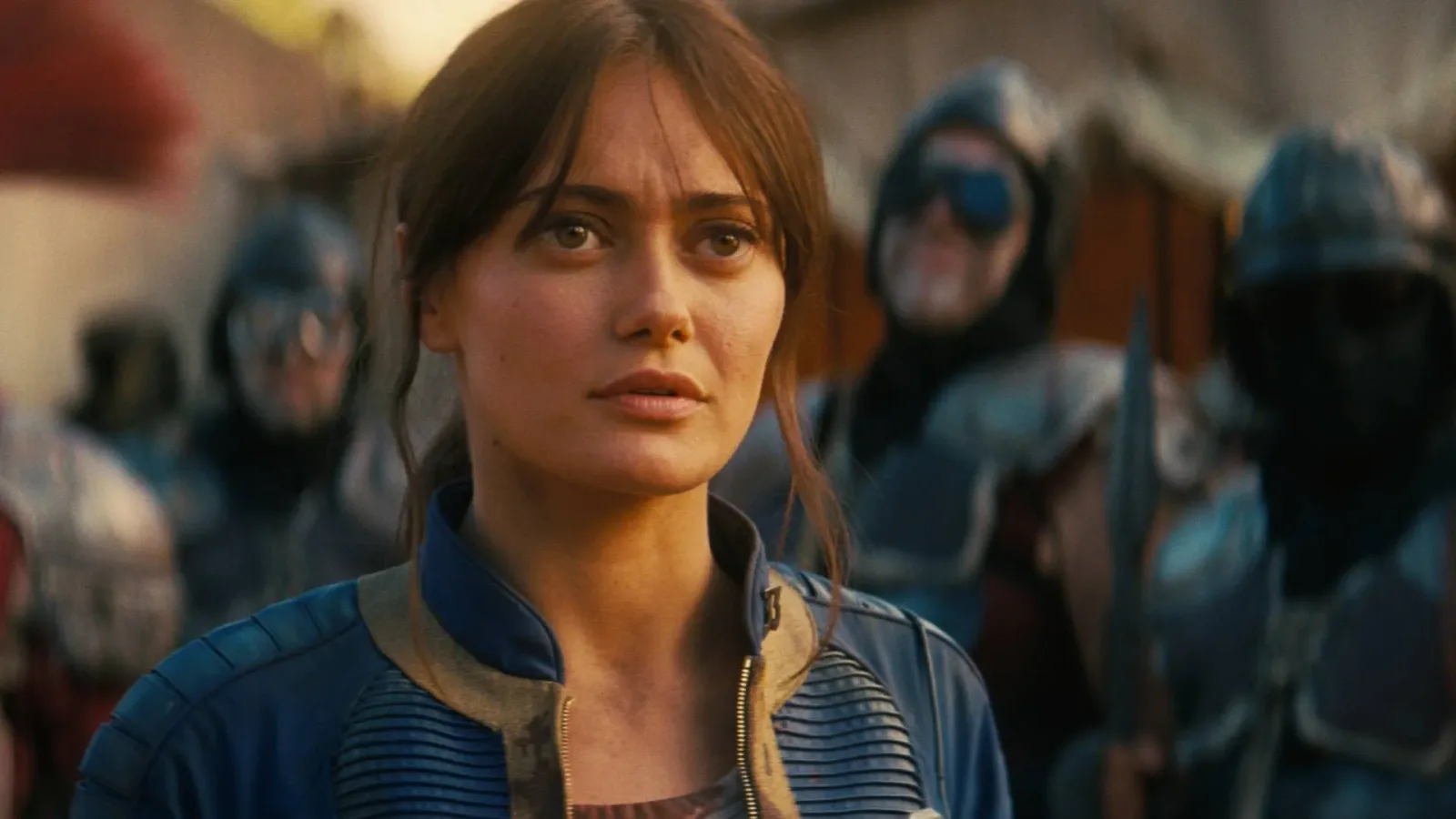
The Fallout television series is further along. Season 3 is filming, and it could arrive as soon as May 2027. Fallout is a particularly useful illustration of what a successful adaptation can achieve without merely retelling the plot of a game. Its post-apocalyptic setting has enough space for original characters and stories, while still offering familiar imagery, themes, factions, and darkly comic ideas that longtime players recognize.
Xbox has also been linked with efforts to pitch further major names for film and television treatment, including The Elder Scrolls, Diablo, and Halo. At present, however, the on-screen future of those series is not confirmed. The mention of Halo is especially notable because the franchise has already had a recent television adaptation, making any return to the screen likely to invite close attention from fans and questions about format, continuity, and creative direction.
The challenge is choosing the right projects
Creating an Xbox Pictures label is the relatively straightforward part. The harder work will be selecting which franchises should be adapted, finding partners with a genuine understanding of the material, and allowing filmmakers enough room to make compelling screen stories without losing what makes each game distinctive.
Not every popular game needs a live-action series. A sprawling fantasy property may benefit from several seasons of television, while a high-concept action game might be more effective as a focused movie. Some series have established player-created stories or open-ended worlds that are well suited to original narratives. Others are strongly associated with a particular protagonist, campaign structure, or interactive choice system that could be difficult to translate directly.
There is also a risk in trying to build a franchise machine too quickly. Screen audiences have become more receptive to game adaptations, but they are still selective. Recognition alone is not enough to make a show or movie work. A project needs a clear reason to exist beyond brand familiarity, whether that is an exceptional creative team, a fresh angle on a known universe, or a story that can stand on its own for viewers unfamiliar with the games.
The more deliberate, partnership-oriented approach implied by Xbox Pictures could help on that front. If the division is designed to connect individual properties with suitable producers and studios, then the company may avoid forcing every franchise into the same formula. Minecraft, Fallout, Gears of War, Diablo, Halo, and The Elder Scrolls have very different tones and audiences. Treating them as interchangeable would be a mistake.
What Xbox's XP plan could mean for fans
For players, XP's most visible outcome may eventually be a greater number of ways to engage with favorite worlds. A series could lead newcomers toward a game, a game launch could receive more coordinated merchandising, and an in-person event could become a place for communities to gather around a shared franchise.
For now, Xbox Pictures is best viewed as an organizational commitment rather than a promise of imminent announcements. The company has established the division, named the broader XP structure, and made clear that film and television will be part of its future growth plans. The specifics--what gets adapted next, who makes it, where it appears, and when audiences can watch--remain largely unknown.
Still, the direction is unmistakable. Xbox is preparing to treat its biggest game worlds as entertainment properties with lives beyond gameplay. With Minecraft's sequel in development, Fallout continuing production, Gears of War still waiting for momentum, and other high-profile franchises potentially in the conversation, Xbox Pictures could become the central gateway for the company's next wave of screen projects.
Community
Discussion
Start the conversation.
No comments have been posted yet.