

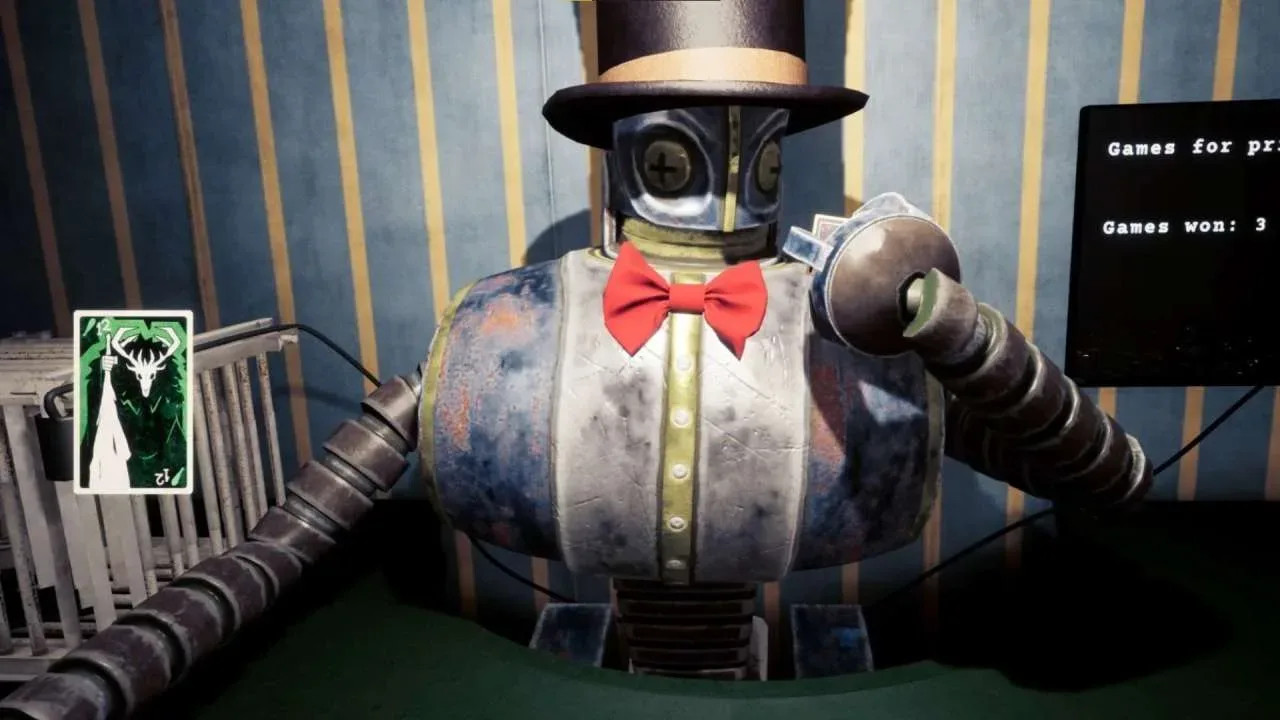
The Transference, a first-person escape-room mystery from Spanish solo developer Kuraishisama, is scheduled to arrive on consoles on October 29, 2026. Published by JanduSoft, the game begins with a disquieting twist on a familiar setting: the player wakes up at home, only to discover that the doors and windows have been boarded shut.
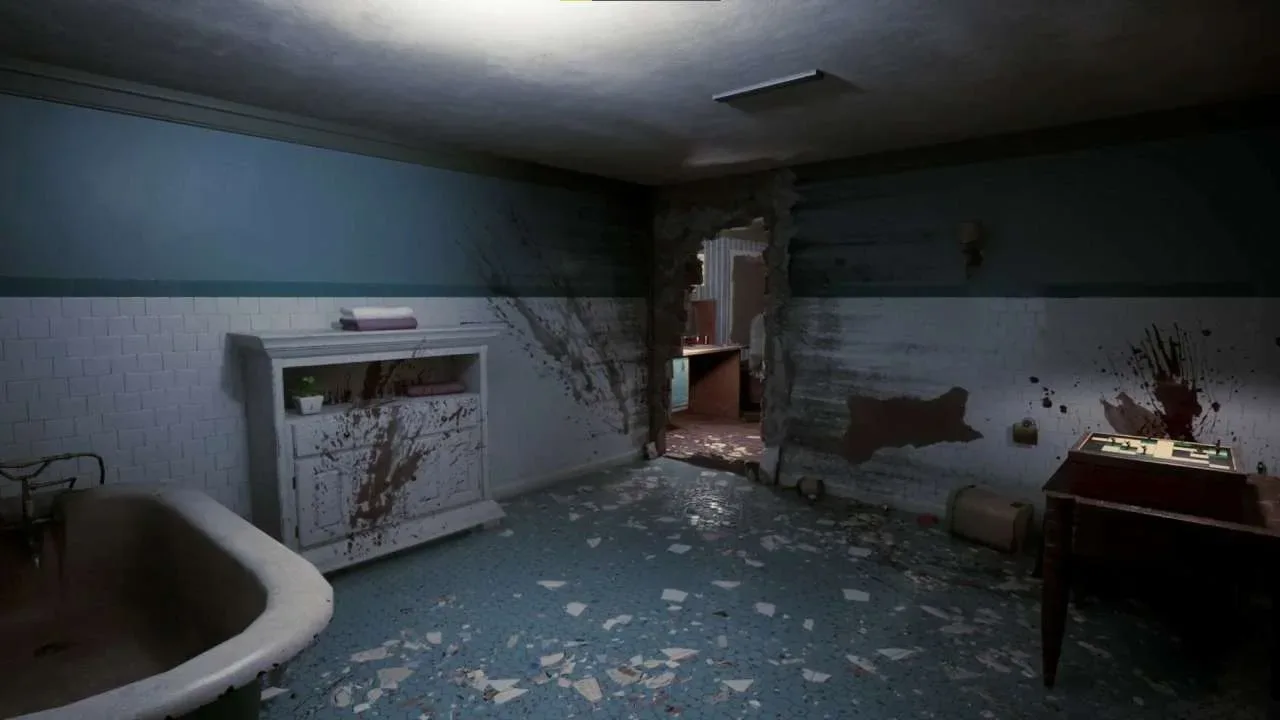
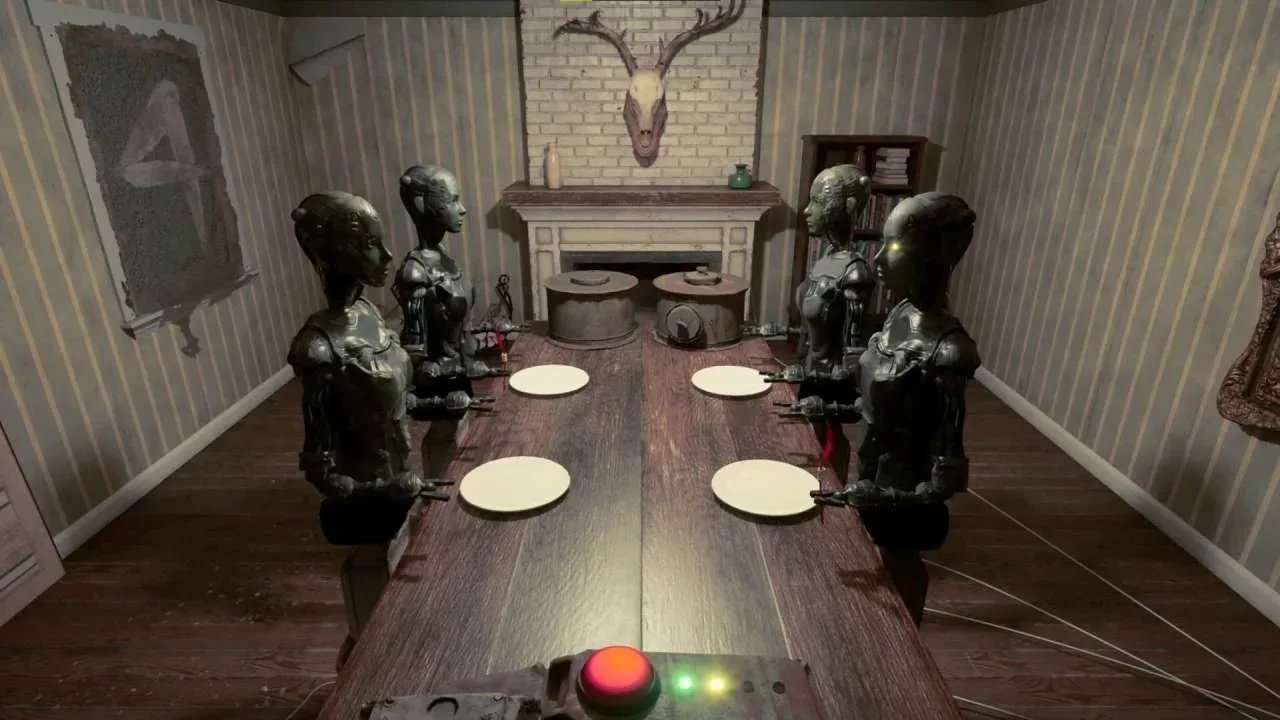
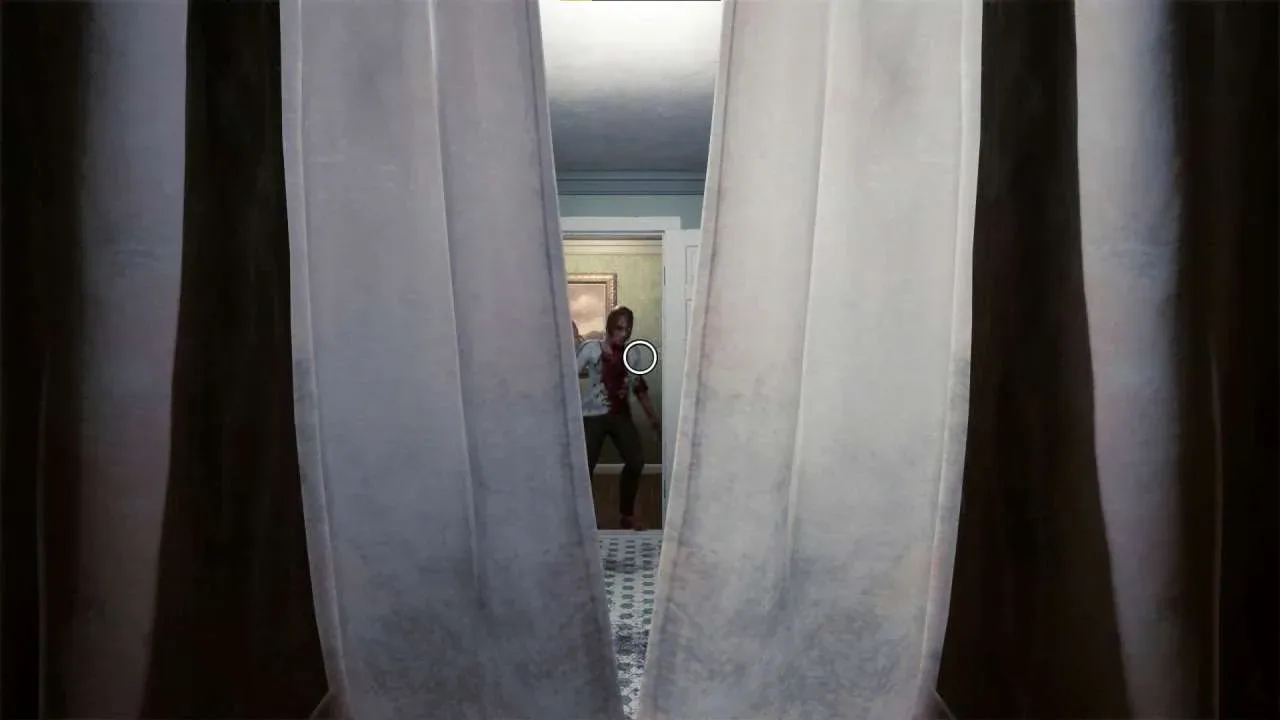
Rather than presenting an unfamiliar mansion, abandoned laboratory, or overtly fantastical dungeon, The Transference places its central puzzle inside a domestic space. Strange challenges are spread across the rooms, and players must inspect their surroundings, locate clues, and work through the mystery of who confined them there. The ultimate questions are direct but ominous: who locked the protagonist inside, and why?
Kuraishisama's project is described as an adventure centered on puzzles, exploration, and tension. It will include full voice acting in both Spanish and English, giving players two voiced language options as they search the sealed house for answers.
A prison built from familiar rooms
Escape-room games naturally rely on confinement, observation, and the satisfaction of gradually turning scattered details into a solution. The Transference takes that framework and applies it to a location that should represent safety. A player's home is normally a place whose rooms, objects, and routines are understood instinctively. Boarding up its exits changes the emotional meaning of every hallway and closed door.
For useful background on this topic, read Fire Emblem: Fortune's Weave Review -- A Grand Strategy Epic With Too Much to Manage.
That premise can make exploration feel especially personal. A locked room in a distant castle is expected; a blocked window in one's own house is immediately more unsettling. The game's mystery is therefore not only about how to escape, but about the violation of a space that ought to be secure. Each clue potentially serves two purposes: opening the path forward and revealing why the ordinary environment has been transformed into a trap.
The available details emphasize that players will need to explore every corner of the house. That suggests a structure in which careful attention matters as much as simply spotting an obvious exit. Objects, rooms, and environmental details may take on new importance when the route out is unclear, while the collection of puzzles scattered through the home gives the setting a deliberate, constructed quality. Someone has not merely shut the protagonist in; they have apparently left behind a sequence of mysteries to confront.
First-person puzzles and mounting tension
The first-person perspective is a natural match for the game's escape-room focus. It places the player directly in front of the boarded entrances, unusual objects, and confined rooms that define the experience. In a puzzle adventure, proximity can be crucial: the act of looking closely at a clue, revisiting a room after gaining new information, and recognizing a connection between items all benefit from an intimate viewpoint.
For another perspective on this story, read The Transference Brings a First-Person Escape Mystery to Consoles October 29.
The Transference is not being framed solely as a chain of mechanical brainteasers, however. Its stated focus on tension gives the investigation a broader purpose. The house is not just a puzzle box to be efficiently dismantled. It is the site of an unexplained confinement, and the answers behind that situation are part of the intended draw.
That combination creates room for a slower, more deliberate style of play. Players who enjoy escape-room adventures often find the appeal in taking stock of a space before acting: noting which doors are inaccessible, identifying items that appear out of place, and retaining small details that may become meaningful later. A mystery-driven setup adds another layer, because each discovery can be read not only as a possible solution but as evidence about the person or force responsible for the locked-down house.
It also means the central uncertainty can carry the game forward. The premise establishes a clear immediate objective--find a way out--but the larger narrative question remains unresolved. Escaping may be the practical goal, yet learning who arranged the confinement and their motivation is what gives the situation its stakes. The Transference's title itself points toward a mystery that may involve more than a straightforward physical lock and key.
A solo-developed project from Spain
The Transference is being developed by Kuraishisama, a Spanish solo developer. Independent projects made by a single creator can often feel tightly bound to a particular concept, and the game's contained setting appears well suited to that kind of focused approach. A single home offers a manageable but potentially dense environment: rather than relying on size, it can build interest through how rooms relate to one another and how familiar spaces become strange under pressure.
The announcement does not detail the house's scale, the number of puzzles, or the game's expected length. It also does not outline the specific nature of its narrative beyond the locked-in premise. Those unknowns leave the focus on the key pillars currently confirmed: first-person exploration, puzzle solving, an escape-room structure, and an unnerving mystery taking place inside the protagonist's own home.
JanduSoft will publish the console version. The October 29 launch places The Transference among the season's darker mystery releases, a fitting window for a game built around a sealed residence and unexplained puzzles. No individual console storefronts or platform-specific details have been announced in the information currently available, beyond the planned arrival on consoles.
Voice acting in Spanish and English
Full voice acting in Spanish and English is one of the more notable confirmed features. Since the game is developed in Spain, the inclusion of Spanish voice work provides a fitting option for its creative origins, while English voice acting broadens access for players who prefer to experience the story in English.
Voice performances can be especially important in a first-person mystery, where much of the atmosphere may come from the player character's reactions and from whatever narrative material is encountered during exploration. The announcement does not identify the cast, nor does it explain how dialogue will be used throughout the adventure. Still, confirming complete voice acting in both languages indicates that the game's storytelling is intended to be part of the experience rather than an entirely text-led puzzle format.
For players, the two-language approach may also help reinforce the game's sense of place without limiting its reach. The Transference is a Spanish-developed mystery with a universally understandable setup: a person wakes up in a place they know, realizes that its exits are barred, and must make sense of an impossible situation. That is a premise that can work through visual detail and puzzle design, but voiced storytelling can give the investigation more immediacy as the underlying truth comes into view.
What players can expect on October 29
Based on the announced information, The Transference is best understood as a compact first-person mystery adventure with escape-room foundations. Players will begin inside a boarded-up home, examine the environment for clues, solve the puzzles placed throughout its rooms, and pursue the explanation behind their confinement. The game's tone is intended to lean into tension rather than treating its puzzles as disconnected challenges.
The appeal of that approach will likely rest on how convincingly the house can become both recognizable and threatening. Domestic spaces carry built-in expectations: a bedroom, a living room, a kitchen, or a hallway usually communicate function and familiarity at a glance. Altering those expectations through boarded windows, inaccessible doors, and unexplained puzzles can create a particularly effective kind of unease. Players know what a home is supposed to be, which makes it all the more disturbing when it stops behaving like one.
There is still much to learn about The Transference before its release, including the wider nature of the mystery and the exact puzzle mechanics waiting behind the house's sealed entrances. For now, its strongest hook is simple and immediate. You are awake in your own home. Every way out is blocked. The rooms hold clues, but the person responsible has left you with one far more troubling question than how to open the next door.
The Transference launches on consoles on October 29, 2026.
Community
Discussion
Start the conversation.
No comments have been posted yet.