


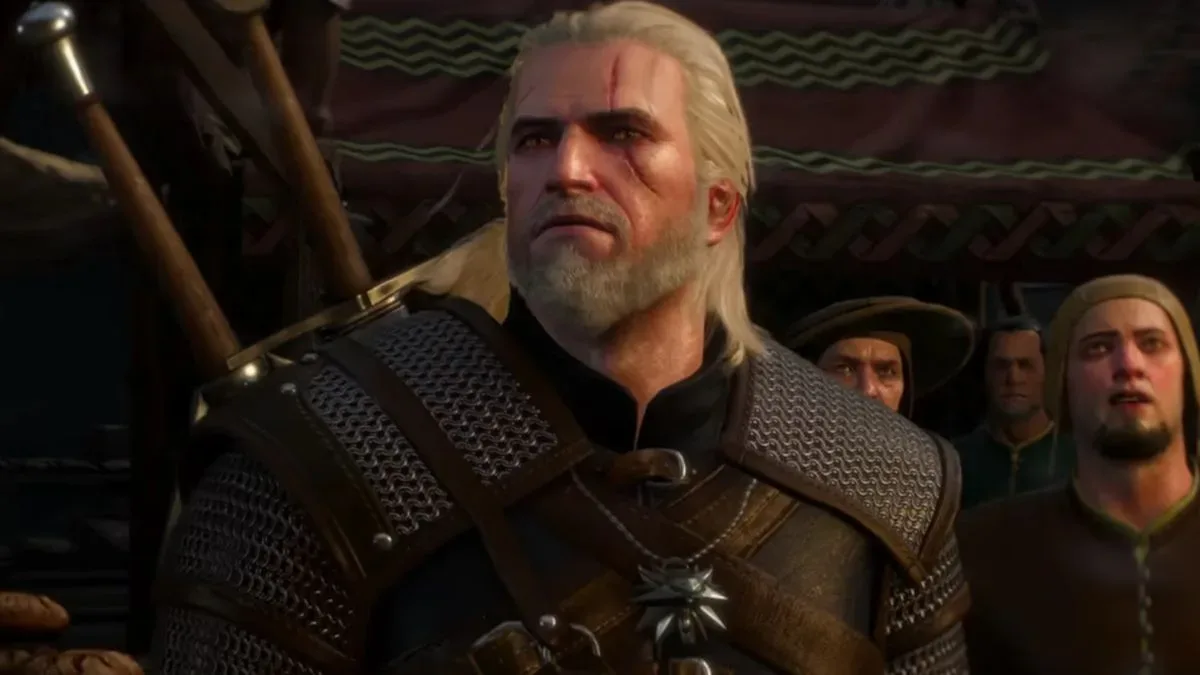
The Witcher 3 is remembered for its enormous world, difficult moral choices, memorable characters, and monster contracts that routinely turn simple jobs into elaborate folk-horror stories. Even among those quests, however, there is something especially enduring about The Oxenfurt Drunk. It is a comparatively compact optional contract, but it captures the series at its funniest and most inventive: Geralt is investigating a run of bloodless bodies, discovers the victims were heavily intoxicated, and eventually uses himself as bait for a vampire with a very particular appetite.
The resulting plan is exactly as reckless as it sounds. Geralt downs an excessive amount of vodka, wanders around Oxenfurt singing and looking vulnerable, and waits for the creature to decide that his alcohol-soaked blood is too tempting to ignore. It is a ridiculous premise, played with enough commitment that it becomes one of the game's most charming monster hunts rather than a throwaway gag.
Yet the contract also points toward a major opportunity for The Witcher 4. The series has always described witchers as learned professionals: hunters who recognize tracks, understand curses, prepare specialized oils, identify supernatural habits, and win through knowledge as much as swordsmanship. The games often portray Geralt as exactly that kind of expert. But players are usually asked to follow the conclusion of his investigation rather than truly participate in reaching it.
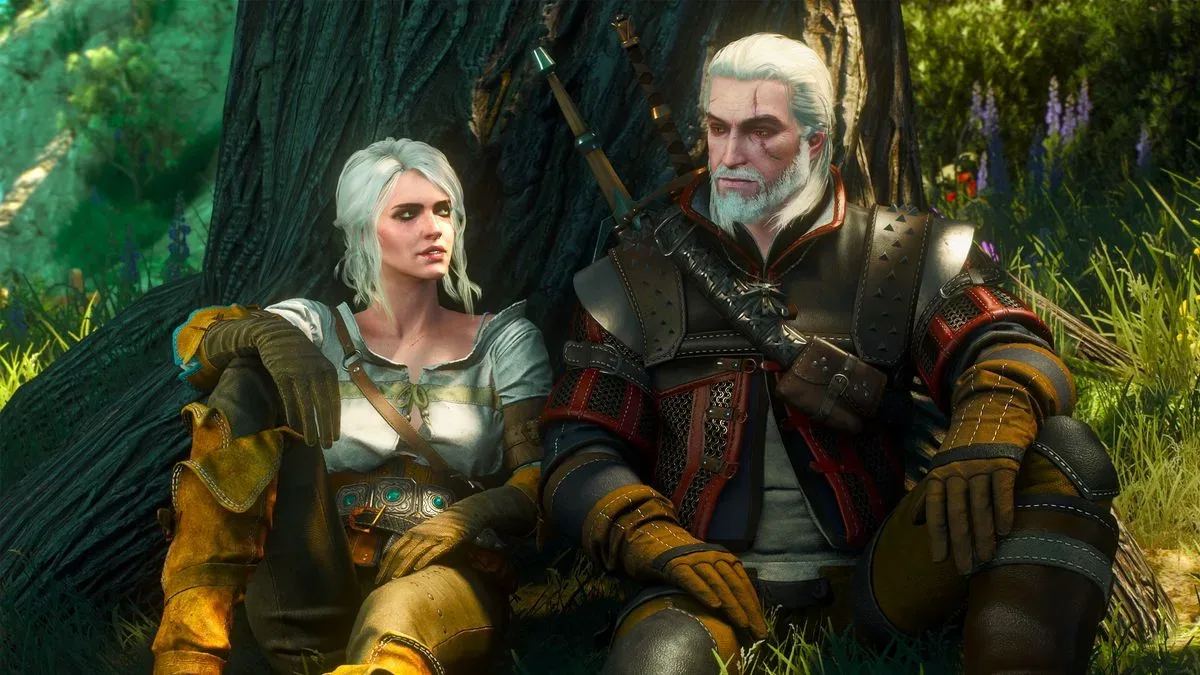
With Ciri positioned as the new protagonist of The Witcher 4, CD Projekt Red has a chance to make the intellectual work of monster hunting a much larger and more interactive part of the role-playing experience.
For useful background on this topic, read The Blood of Dawnwalker Update 1.1 Brings Directional Animal Petting, Respecs and 1,100-Plus Fixes.
A brilliant contract built around an absurd discovery
The setup for The Oxenfurt Drunk initially feels familiar. A string of murders has left victims drained of blood, which naturally places vampires high on the list of suspects in a Witcher world. The investigation becomes far more distinctive once Geralt examines the corpses and notices a consistent detail: every victim had been drinking heavily.
That clue transforms the job. This is not simply a predator killing whoever happens to be nearby. The monster is choosing prey based on an unusual preference for alcohol-rich blood. Instead of following the most direct route to a fight, Geralt adapts his behavior to exploit that appetite. The eventual bait strategy feels less like a conventional combat encounter and more like a desperate tavern tale that should not possibly work.
That mix of grim evidence, folkloric creature design, black comedy, and practical preparation is why Witcher contracts are often among the strongest material in The Witcher 3. They are miniature mysteries. They invite players to inspect a scene, consider local rumors, learn a monster's habits, and prepare for a particular threat. When the game lands a weird premise as confidently as it does in Oxenfurt, the formula is hard to beat.
Still, there is an important difference between a mystery that is presented to the player and one the player is allowed to solve. In this case, the game delivers the key realization through Geralt's observations. The player enjoys the reveal, but is not really given room to form a wrong theory, prepare for the wrong opponent, or arrive at a more imaginative plan before the quest points toward its intended answer.
Geralt does the deduction for the player
Much of The Witcher 3's investigative structure follows a familiar pattern. Witcher Senses illuminate highlighted trails, objects, scents, and areas of interest. Geralt follows them until he reaches a corpse, damaged object, note, nest, or patch of fur. He then interprets the evidence and identifies the monster, after which the Bestiary provides a neatly useful list of vulnerabilities, recommended oils, signs, and potions.
It is an effective system for pacing. It ensures that side contracts remain approachable, prevents long stretches of fruitless searching, and gives the player a reliable path into an encounter. The Witcher 3 is an enormous RPG, and not every player wants every monster job to become a difficult logic puzzle.
But the structure can also make the player feel like an assistant following the trail left by a genius rather than a witcher in their own right. Geralt is the one who notices what claw marks mean. Geralt is the one who recognizes an animal's behavior pattern. Geralt is the one who names the monster. The player generally receives the answer after interacting with the correct glowing evidence.
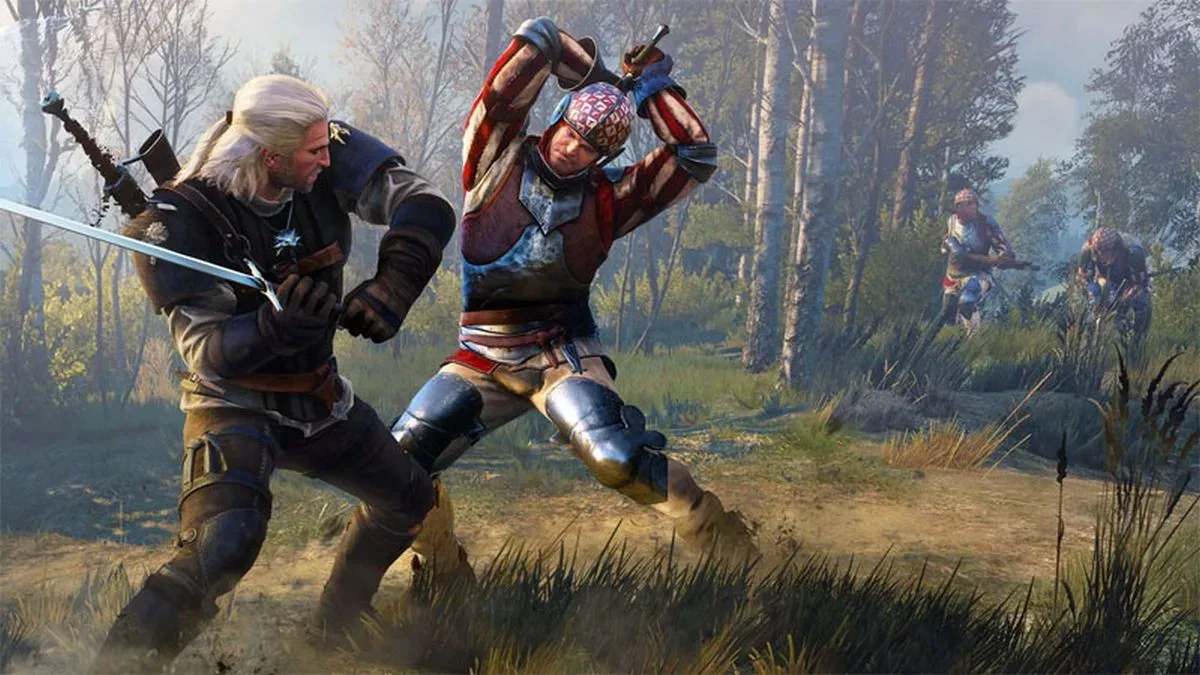
That approach slightly undersells one of the most important fantasy roles in the setting. A witcher is not merely a heavily mutated fighter carrying two swords. Their profession depends on study, memory, preparation, alchemy, and an ability to separate superstition from useful evidence. The silver sword matters, but knowing when to use it, and what to do before drawing it, is what distinguishes a professional hunter from an armed mercenary.
Ciri offers a natural reason to make learning interactive
The Witcher 4 has a particularly strong setup for expanding this side of the formula. Ciri is not Geralt. Whatever skills and experience she brings into the next game, she is newer to the Path than the veteran witcher players controlled throughout the previous trilogy. That makes her an ideal character through whom to explore the process of becoming a more capable hunter.
Geralt can credibly identify a monster from a handful of clues because he has spent decades living that life. Ciri may need to consult notes, compare evidence with descriptions, question witnesses, and gradually develop confidence in her own conclusions. A more detailed Bestiary could become part of her progression rather than simply a menu full of combat advice.
Imagine starting with a broad, sometimes incomplete monster manual. Players might read about regional variants, feeding patterns, tracks, vulnerabilities, and folklore that is not always entirely dependable. A contract could present a set of signs: victims attacked after dark, wounds of a certain depth, disturbed soil, an odd smell, missing livestock, or eyewitness accounts that conflict with one another. From there, the player could decide which creature is most likely responsible.
That does not require every quest to demand a perfect answer or turn the game into a rigid examination. Instead, it could create meaningful layers of preparation. Correctly identifying the monster might allow Ciri to brew the ideal oil, equip the best bomb, set an appropriate trap, or seek out a useful piece of information. A mistaken conclusion could lead to a harder battle, wasted resources, an ambush, or a revised theory after the creature reveals more of its nature.
The key is that being wrong should be interesting, not simply a fail state. A witcher investigation can feel tense precisely because certainty is not always available. Players should be able to make an educated guess, live with the consequences, and adjust.
Let players devise the bait-and-trap plan
The Oxenfurt contract is especially useful as a model because its most memorable element is not the name of the monster. It is the strategy. The discovery that the vampire favors intoxicated blood should open up a series of possible plans, not just a predetermined sequence in which Geralt becomes the lure.
In a more systemic version of that quest, players could choose to have Ciri drink and patrol the streets, leave out a bottle mixed with blood, obtain a drunkard's help, investigate taverns for the monster's preferred hunting grounds, or lure the creature into a prepared kill zone. Some plans might be quieter and safer. Others might be more dangerous but create advantages during the fight. A badly placed trap might catch an innocent person's attention, while an overconfident approach could bring the vampire down on Ciri before she is ready.
That sort of flexibility would make contracts feel less like isolated combat missions and more like hunts shaped by player judgment. It would also suit the series' long-standing fascination with consequences. The Witcher is at its best when even a practical job has complications, competing interests, and unexpected costs. Investigation mechanics could become another place where those consequences emerge.
There is room to support players who want a smoother, more guided experience as well. Ciri could obtain expert advice, pay for a scholar's consultation, ask a seasoned witcher for help, or use optional quest markers and deductions. Meanwhile, players looking for a sterner challenge could rely more heavily on their own journal, their reading of the Bestiary, and the evidence discovered in the field. Optional settings could control how explicit those hints become.
A Bestiary should feel like a tool, not a solution screen
The current Bestiary is useful, but its role is often reactive: discover a monster, then receive a concise guide to defeating it. The Witcher 4 could make that book far more evocative by treating it as a working resource that evolves throughout the journey.
Ciri's entries could include sketches, uncertain claims, annotations, regional observations, and additions made after encounters. Players might record their own notes, mark suspected habitats, or compare two monsters with overlapping traits. The information should not always be perfectly authoritative. Legends can be inaccurate. Locals can mistake one creature for another. A monster can behave unusually because it is wounded, hungry, cursed, manipulated, or adapting to its environment.
That uncertainty would not just make the game more difficult. It would make each victory more satisfying because the player earned a theory, tested it, and learned something from the result. It would also make a monster feel like a creature with behavior and context rather than a health bar assigned to a contract.
None of this means The Witcher 4 should abandon spectacular sword fights, powerful signs, alchemy, or cinematic storytelling. It means those elements could be better connected. The preparation before battle should matter as much as the execution during battle. A player who understands the quarry should enter the fight with an advantage, while someone who rushes in unprepared can still survive through skill and improvisation.
The next Path could reward curiosity
The Witcher 3 already demonstrated how much personality can fit into a monster contract about a vampire that likes its victims drunk. Its oddball premise, gruesome evidence, and unforgettable bait plan are proof that even a short side quest can deliver a complete story.
For The Witcher 4, the next step is clear: trust players with more of the reasoning. Let them inspect evidence and weigh possibilities. Let them open a worn monster manual before committing to a theory. Let them make preparations based on incomplete information. And, crucially, let them discover an unusual weakness and turn it into a trap of their own design.
Ciri's journey could be the perfect place to make monster hunting feel more investigative, more personal, and more dangerous. The strongest witcher fantasy is not just being the person who can kill the monster. It is being the person capable of figuring out what the monster is, why it is here, and how to beat it when every frightened villager has the wrong answer.

Community
Discussion
Start the conversation.
No comments have been posted yet.