

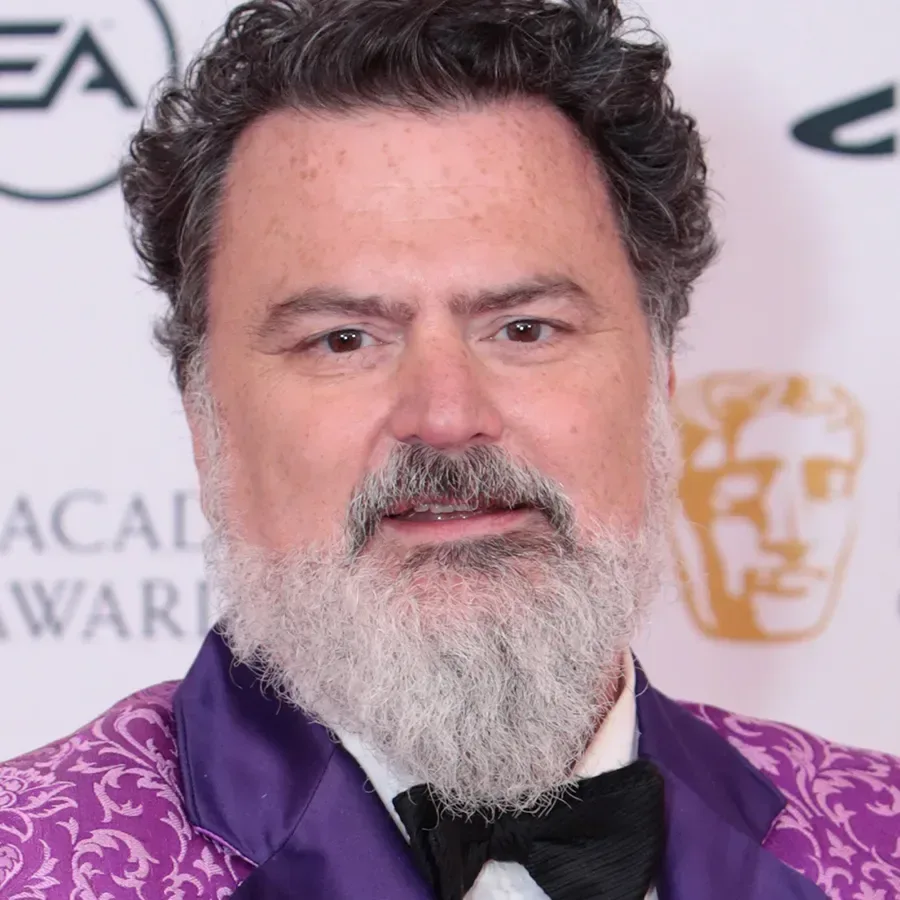
Tim Schafer has voiced fresh concern about the state of game development employment, saying he no longer understands the economic logic behind years of layoffs, closures, and restructuring across the business. The Double Fine founder's comments arrive during a difficult stretch for developers at studios of every size, including teams connected to major publishers and people working independently on smaller projects.
Speaking in a video interview published on September 23, Schafer reflected on what he expected would be a familiar boom-and-bust hiring cycle. In his view, the traditional pattern was grim but comprehensible: companies would reduce staff, discover they needed more people to complete their next projects, then begin rebuilding. What troubles him now is the duration and severity of the downturn.
"I don't understand the economics of making games to be honest," Schafer said. He added that the industry has been "down for like, four years," despite the continued popularity of games and the money being made within the market.
For Schafer, that contradiction is at the heart of the present crisis. Games continue to draw enormous audiences, and major launches can deliver strong critical and commercial results. Yet successful releases have not consistently translated into stability for the people who made them. Teams can finish highly visible work and still face layoffs shortly afterward, making a finished game feel less like a milestone and more like another point of uncertainty.
For useful background on this topic, read Halo Fans Debate a Full Reboot as Activision Prepares Its Next Move.
A downturn that has lasted longer than expected
The games business has always involved risk. Projects can take years, budgets can grow dramatically, and changing technology can reshape development plans well into production. But Schafer's point is that the current situation appears to go beyond ordinary volatility. The anticipated recovery in hiring has not arrived at the speed many developers might have expected, even as players continue to spend time and money on new games.
He described a cycle in which executives cut jobs and later realize the work still requires experienced staff. That can produce another wave of hiring, only for the pattern to begin again. Schafer said he had assumed the broader industry would eventually rise after falling. Instead, the sustained losses have left him questioning why employment remains so precarious.
Schafer speculated that greed may be a factor somewhere in the equation, though he did not identify a specific company, decision, or business practice. His central message was less an attempt to offer a complete diagnosis than an expression of frustration shared by many developers: financial success in games does not always protect the workers responsible for achieving it.
The issue is especially stark when layoffs follow successful launches. Recent cuts have affected staff connected to Battlefield 6 despite the game's strong launch, favorable critical response, and financial performance. Such cases have intensified debate over whether publishers are managing long-term development capacity effectively, or whether short-term financial goals are overriding the stability needed to make ambitious games.
AAA pressure and indie uncertainty
Schafer did not frame the discussion as a simple divide between major publishers and independent developers. He emphasized that there is significant imagination and energy throughout game development, including both blockbuster productions and smaller teams. In particular, he pushed back on the notion that creative work belongs exclusively to indie studios, arguing that AAA games can also deliver substantial creative achievements.
Still, he sees different forms of insecurity across those paths. At large studios, developers may face a stressful environment in which their work is not rewarded with continued employment once a project ships. The scale of AAA production can bring resources, specialized talent, and the chance to work on globally recognized franchises, but it can also mean an employee's future is tied to a publisher's next round of financial planning.
Independent development has no guaranteed refuge from that instability. Rather than being laid off by a major employer, an indie team can run out of funding after launch, particularly if a game does not find enough buyers or cannot sustain itself with post-release revenue. Smaller creators may enjoy more autonomy over the projects they pursue, but autonomy does not remove the pressure of financing years of work before knowing whether an audience will respond.
- AAA developers can encounter layoffs following a game's completion, even after a major release performs well.
- Indie developers may retain more creative control but can face a direct funding crisis if a project fails to generate enough revenue.
- Workers across both sectors are dealing with an industry where talent and creativity remain abundant while long-term job security remains elusive.
That distinction matters because it complicates easy answers. Moving from a large studio to an independent team is not necessarily a safer career choice, and joining a major publisher does not necessarily provide reliable stability. Schafer's comments portray both routes as vulnerable, even if the nature of the risk is different.
Double Fine's separation from Xbox
Schafer's concerns are personal as well as industry-wide. Double Fine, the studio behind Psychonauts 2, was among the teams separated from Xbox amid the company's wider restructuring. Xbox has been undertaking a major reorganization involving planned layoffs and the divestment of several studios. Teams that have moved into independent status have also had to downsize as they adjust to operating outside the larger organization.
For a studio with Double Fine's long history, independence brings both pressure and a chance to define the next chapter. Schafer has previously spoken about keeping the company alive following its separation, characterizing the experience as a creative awakening rather than a reason to retreat. His determination was clear in a previous interview when he said that nobody would put Double Fine out of business except him.
That defiant attitude does not minimize the challenge. A newly independent studio must manage creative ambitions alongside budgets, staffing, publishing arrangements, and the realities of an unpredictable marketplace. The studio's reputation and back catalog may provide goodwill, but goodwill alone does not solve the financial demands of modern game development.
It also illustrates why the current round of restructuring is more consequential than a typical corporate reshuffle. When a studio changes ownership or leaves a larger organization, developers must navigate more than a new logo on an email signature. They may need to reassess the size of their team, the scale of their projects, and how they will fund work that previously had access to a major platform holder's support.
Xbox restructuring continues to affect studios
Xbox's ongoing changes remain a major part of the wider story. Thousands of planned layoffs have been tied to the company's reorganization, while several studios have been divested. The impact has extended across its gaming operations and is expected to continue as the business adjusts its structure.
More recently, Halo Studios was affected by cuts. Activision is now leading development of the next Halo game, while Halo Studios has been shifted toward other responsibilities involving the franchise. The move is significant for one of Xbox's defining series and underscores the scale of internal change underway across the organization.
It would be too early to draw sweeping conclusions about what the new Halo arrangement means for future games or for the teams involved. However, the decision reflects a broader willingness to redistribute work, alter studio roles, and reorganize development responsibilities during a period when many employees are already confronting uncertainty.
Creativity remains, but stability is the question
Schafer's remarks are ultimately not an argument that the game industry lacks ideas or talent. He sees the opposite: a business full of life, enthusiasm, and creative ambition. The problem is that those qualities are not reliably producing a humane or secure workplace for the people turning those ideas into finished games.
That tension may be the defining issue behind the current wave of concern. Players have more games competing for their attention than ever, while developers have access to powerful tools and an extraordinary range of creative influences. At the same time, escalating production costs, prolonged development cycles, shifting corporate priorities, and uncertain funding can leave workers exposed regardless of a game's quality.
Schafer said he hopes the industry's downturn is still part of a cycle and that it will eventually bounce back. For now, though, the recovery he once expected remains difficult to see. Double Fine's effort to move forward after leaving Xbox will be one example to watch, but the larger question extends far beyond one studio: whether an industry capable of producing major hits and remarkable creative work can build a more sustainable future for the people making it.
Community
Discussion
Start the conversation.
No comments have been posted yet.