

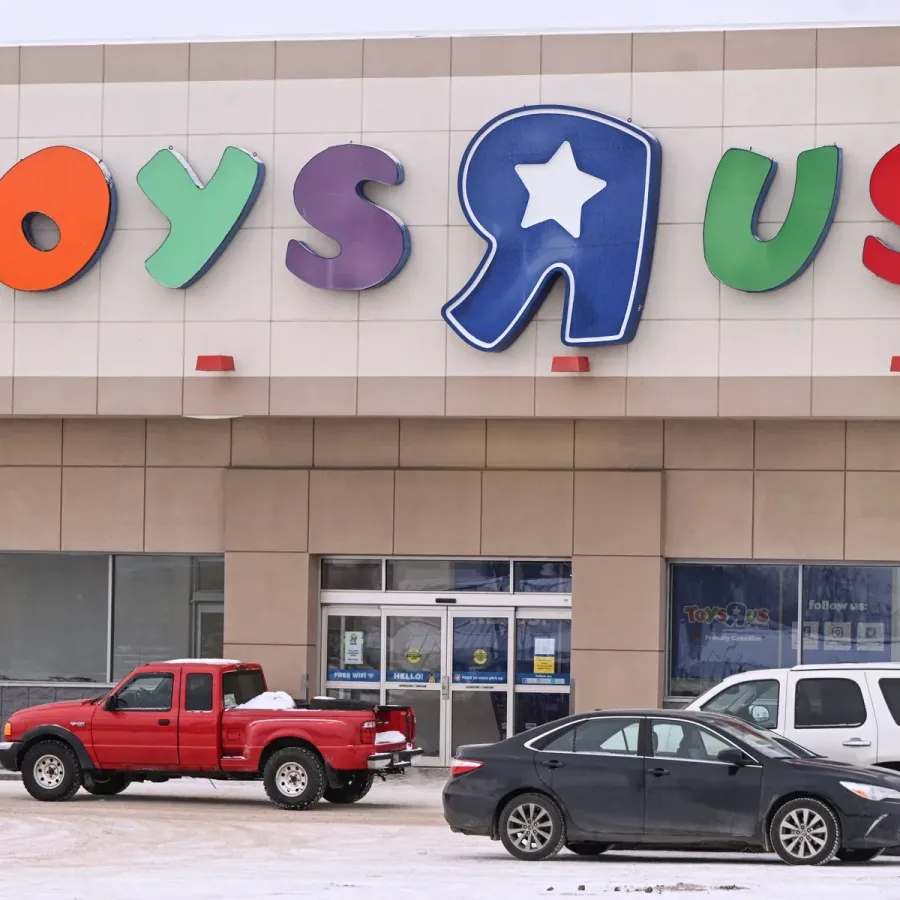
Toys 'R' Us is preparing for a significant return to the American retail landscape. The brand has announced plans to open 120 new standalone stores across the United States during the holiday season, greatly increasing the physical footprint of a chain that many players and collectors remember as a defining destination for toys, games, and gifts.
The expansion is being carried out with Go! Retail Group, which began working with Toys 'R' Us owner WHP Global three years ago as part of the effort to re-establish the famous retailer. There are currently 40 standalone Toys 'R' Us stores in the US, alongside additional shop-in-shop locations within selected Macy's stores. Adding another 120 stores would represent a substantial change in visibility for the once-bankrupt chain, particularly at the busiest gift-buying point of the year.
For gaming fans, Toys 'R' Us has long held a place in the culture that goes beyond ordinary toy shopping. Its old game sections were a landmark for many children and families: shelves and walls covered with box art, new releases presented as major events, and ticket-based purchase systems that sent customers to a counter to collect the actual game. The retail environment has changed drastically since that era, but a larger Toys 'R' Us presence could once again give physical games, hardware, collectibles, and licensed merchandise more room in the broader holiday-shopping conversation.
A Bigger Physical Presence for a Familiar Brand
WHP Global Executive Vice President Jamie Uitdenhowen described the new rollout as a major point in the brand's US growth. The company's strategy is not limited to traditional standalone shops. Toys 'R' Us is also being positioned to meet customers through a mixture of store formats, including Macy's locations, airport retail, and Navy Exchange locations.
For useful background on this topic, read Roblox The Hunt 20: Every Game, Quest and Reward Explained.
That multi-format approach matters because toy and gaming purchases now happen in many different places. Big-box retailers, online marketplaces, specialty game chains, department stores, pop-up stores, and direct-to-consumer storefronts all compete for the same holiday customer. A dedicated Toys 'R' Us storefront cannot simply depend on nostalgia for its old name. It needs to offer a reason for families, collectors, and younger shoppers to visit in person.
Go! Retail Group CEO Gideon Schlessinger emphasized the seasonal excitement of entering a toy store, seeing familiar brands and characters, discovering popular products, and tracking down a gift. That pitch taps into an experience digital storefronts cannot fully reproduce. Online stores can offer convenience and large catalogs, but an in-person trip can make browsing feel like an event--especially when kids are choosing birthday or holiday gifts and adults are looking for something unexpected.
The announcement does not detail which individual locations will carry particular gaming products, nor does it identify specific hardware, game publishers, or collectible lines. Still, the timing naturally puts the expansion near the period when video game consoles, handheld devices, major releases, accessories, toys-to-life products, trading cards, and character merchandise receive heightened attention.
Why the Return Matters to Gaming Culture
Before digital downloads and online retail transformed game buying, toy stores played an important role in how players discovered games. A trip down the aisle could introduce someone to cover art, mascots, racing games, role-playing adventures, licensed superhero releases, or a newly launched console. For younger customers especially, the store itself was part of the anticipation surrounding a purchase.
Toys 'R' Us was one of the most recognizable versions of that experience in the US. Its gaming department was remembered not just as a place to pick up a title, but as a visual display of what was possible across Nintendo, PlayStation, Xbox, PC, and handheld gaming. Seeing a whole wall of new releases created a sense of scale that was different from scrolling a digital storefront one listing at a time.
Today's physical game market is smaller than it was during the chain's earlier peak, and the announcement does not suggest that the returning stores will replicate the exact video game departments of decades past. The business environment is also more complicated. Digital libraries have become central to modern console and PC ecosystems, while collector editions and physical releases tend to serve a more specialized but still enthusiastic audience.
Even so, physical retail remains relevant. Families still shop for boxed games as gifts. Controllers, headsets, storage solutions, figures, plushes, building sets, board games, and branded apparel all benefit from being seen in person. Licensed properties routinely connect games, films, television, animation, toys, and collectibles, making a toy retailer a potentially useful place for franchises to reach fans across multiple forms of entertainment.
Creator Studios and Event Spaces Could Change the Store Model
The most modern element of the announcement is the plan for select Toys 'R' Us locations to introduce experiences tied to play, entertainment, and content creation. These stores may include Creator Studios, dedicated spaces intended for influencers, creators, and toy brands to make content, reveal products, and hold launches or special events.
That concept signals that the revived chain is aiming for more than rows of products and checkout counters. Retailers increasingly use demonstrations, community events, photo opportunities, workshops, tournament-like activities, and launch celebrations to make stores destinations. The goal is to give customers a reason to return even when they are not arriving with a specific item already in mind.
For games and adjacent fandoms, creator-oriented spaces could potentially be a natural fit, though no specific gaming plans were announced. Product reveals, collectible unboxings, hands-on demonstrations, family-friendly creator events, cosplay-adjacent gatherings, and character showcases all align with the crossover between toys and game culture. Whether individual stores actually host these kinds of activities will depend on their local programming and the partnerships behind them.
Select locations are also expected to feature candy shops and cafés. Those additions further reflect a shift toward spending time in-store instead of making a quick purchase and leaving. A café or snack stop can turn a shopping trip into an outing, while candy and novelty food options suit the family-centered identity that Toys 'R' Us is trying to reinforce.
The Holiday Test
Opening 120 standalone stores for the holiday season creates an enormous operational challenge, but it also gives the brand its best possible window to make an impression. The final months of the year are when toy retail becomes especially competitive, with parents, relatives, collectors, and last-minute shoppers searching for products that may be difficult to find elsewhere.
The strength of Toys 'R' Us remains its name recognition. Generations of shoppers associate it with huge aisles, colorful displays, and the feeling that a store could contain nearly every kind of toy imaginable. That memory has value, but it also brings high expectations. Modern customers will judge the return by store selection, pricing, convenience, staff knowledge, inventory reliability, and whether the locations offer something that competing retailers do not.
For the gaming audience, the most interesting questions will emerge as the stores begin opening. Will gaming hardware and software receive a prominent place? Will collectible and trading-card sections be major draws? Can creator spaces become useful venues for family-friendly game and fandom events? And will the chain successfully blend its nostalgic identity with the habits of customers who now buy much of their entertainment digitally?
Those details have not yet been laid out. What is clear is that Toys 'R' Us is no longer operating as a small-scale comeback story. With 120 planned openings on top of its existing standalone locations and its Macy's presence, the retailer is making a large bet that there is still demand for a dedicated, experience-driven toy store.
A New Chapter, Not Simply a Revival
The forthcoming expansion is best understood as an attempt to build a different version of Toys 'R' Us rather than restore every part of its past. The brand's iconic history will undoubtedly attract former customers who remember buying their first games, action figures, dolls, board games, or holiday gifts in its aisles. But Creator Studios, cafés, candy shops, and multiple retail formats suggest a company trying to adapt to a far more fragmented entertainment market.
That balance may be especially important in gaming. Players have more ways than ever to purchase games, watch reveals, follow creators, join communities, and interact with favorite franchises. A successful physical retailer now needs to complement those habits rather than compete with them directly.
If the new stores deliver compelling inventory and a reason to linger, Toys 'R' Us could regain a meaningful role in the holiday retail circuit. For longtime gamers, it may also bring back a feeling that has become rarer in the digital age: walking into a store with no exact plan, wandering through the aisles, and discovering the next game, character, or collectible that demands attention.
Community
Discussion
Start the conversation.
No comments have been posted yet.