

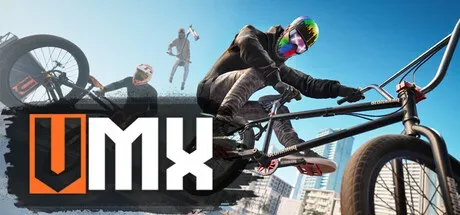
VMX, a virtual reality game built around BMX, mountain bike and scooter riding, is set to launch on October 2, 2026. Independent developer Break Free Interactive has confirmed the game for Meta Quest 2, Meta Quest 3 and PCVR headsets, with an emphasis on physical controls, movement-driven tricks, customisation and multiplayer riding sessions.
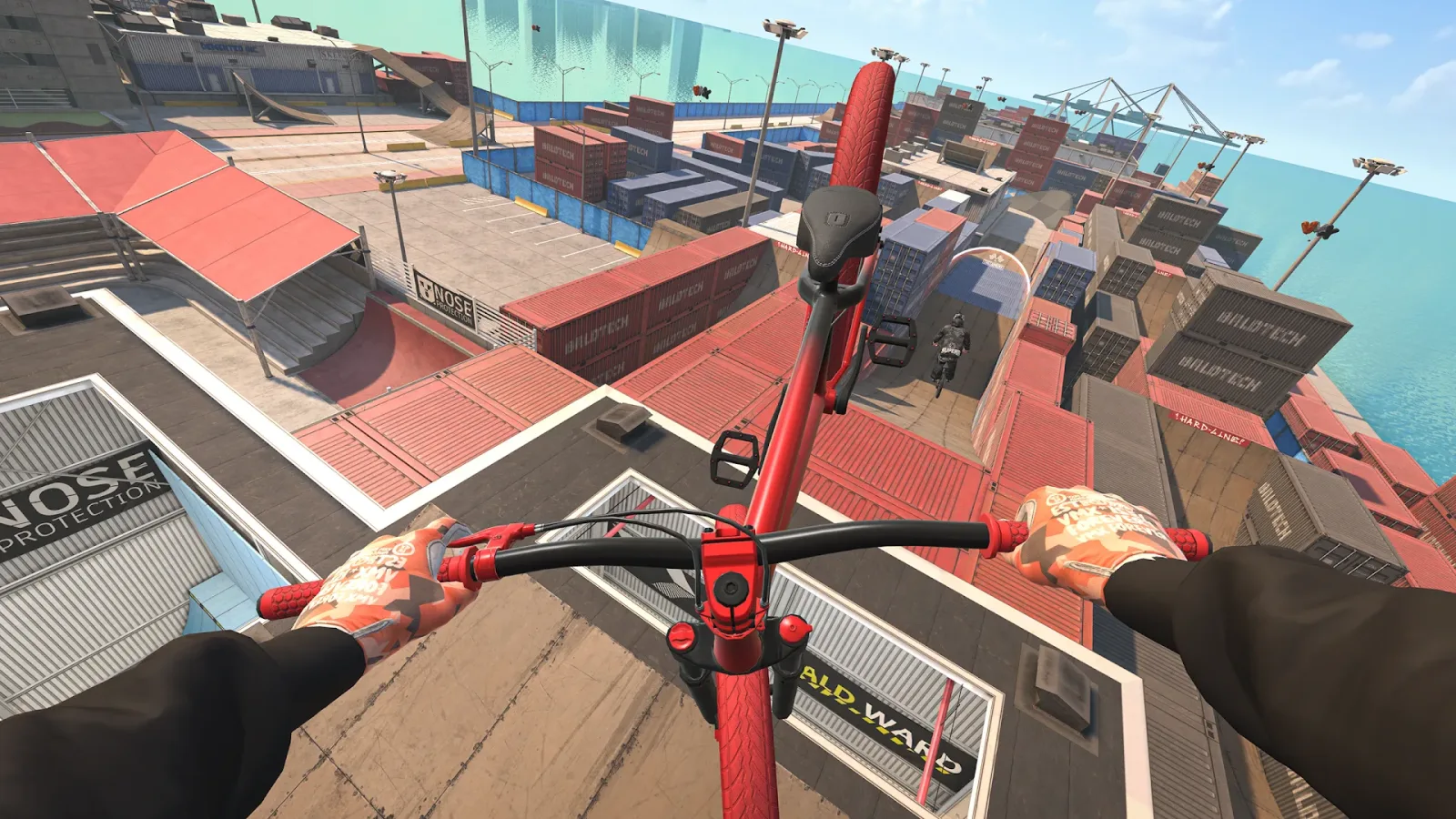
Rather than approaching extreme sports as a button-combo exercise, VMX is designed to put the player's hands at the centre of every ride. Its riding model uses dedicated VR controls and a custom physics system intended to make handling feel responsive and grounded. Riders will be able to seek out lines, carry speed through a map, hit ramps and use their real-world movements to attempt tricks while airborne.
The result is positioned as a VR playground for three distinct action-sports disciplines. BMX, MTB and scooters will all be supported, giving players different ways to approach skateparks, dirt courses and larger stunt-focused spaces. The announcement does not outline the individual mechanical differences between each vehicle type, but the inclusion of all three gives VMX a broader focus than a game devoted to a single form of riding.
Physical gestures are at the heart of VMX tricks
The defining idea behind VMX is gesture-driven trick input. Players will not simply select moves from a menu or rely entirely on conventional controller-button sequences. Instead, tricks are performed through physical gestures in VR, meaning body and hand movement are part of the process of taking off, rotating and styling a run.
For useful background on this topic, read Nintendo Switch Success Helped Prevent a Deeper Decline for Japan's Console Market, Analyst Says.
That approach can make the difference between a ride feeling observed and feeling inhabited. In a conventional sports game, a player may understand the timing of a jump through animations and meter management. In VR, the goal is to create a more direct relationship with the ramp, the bike or scooter, and the space in front of the player. VMX's control and physics design is intended to support that relationship through precise handling rather than an automated ride from obstacle to obstacle.
There is a natural challenge to this design, too. Physical inputs need to recognize deliberate movements while avoiding frustration when a rider is simply trying to regain balance or adjust their view. The game's promise of advanced controls and a bespoke physics model suggests Break Free Interactive is targeting a system where momentum, route selection and timing matter as much as a player's trick attempt.
For players who enjoy improving a line over repeated runs, that focus could be particularly important. A successful session is not necessarily just about landing the largest move. It can involve understanding where speed is gained or lost, identifying the right approach to a transition and finding a sequence of jumps that flows cleanly through a park.
For another perspective on this story, read VMX Brings Gesture-Driven BMX, MTB and Scooter Riding to Quest and PCVR on October 2.
Five locations cover streets, dirt and giant ramps
VMX will ship with five maps, each offering a different setting for free riding, challenges and multiplayer sessions. The announced lineup moves from compact urban spaces to open dirt riding and a stadium built around a megaramp.
- Underpass bridge skatepark: A skatepark set beneath a bridge, bringing a street-oriented location to the map selection.
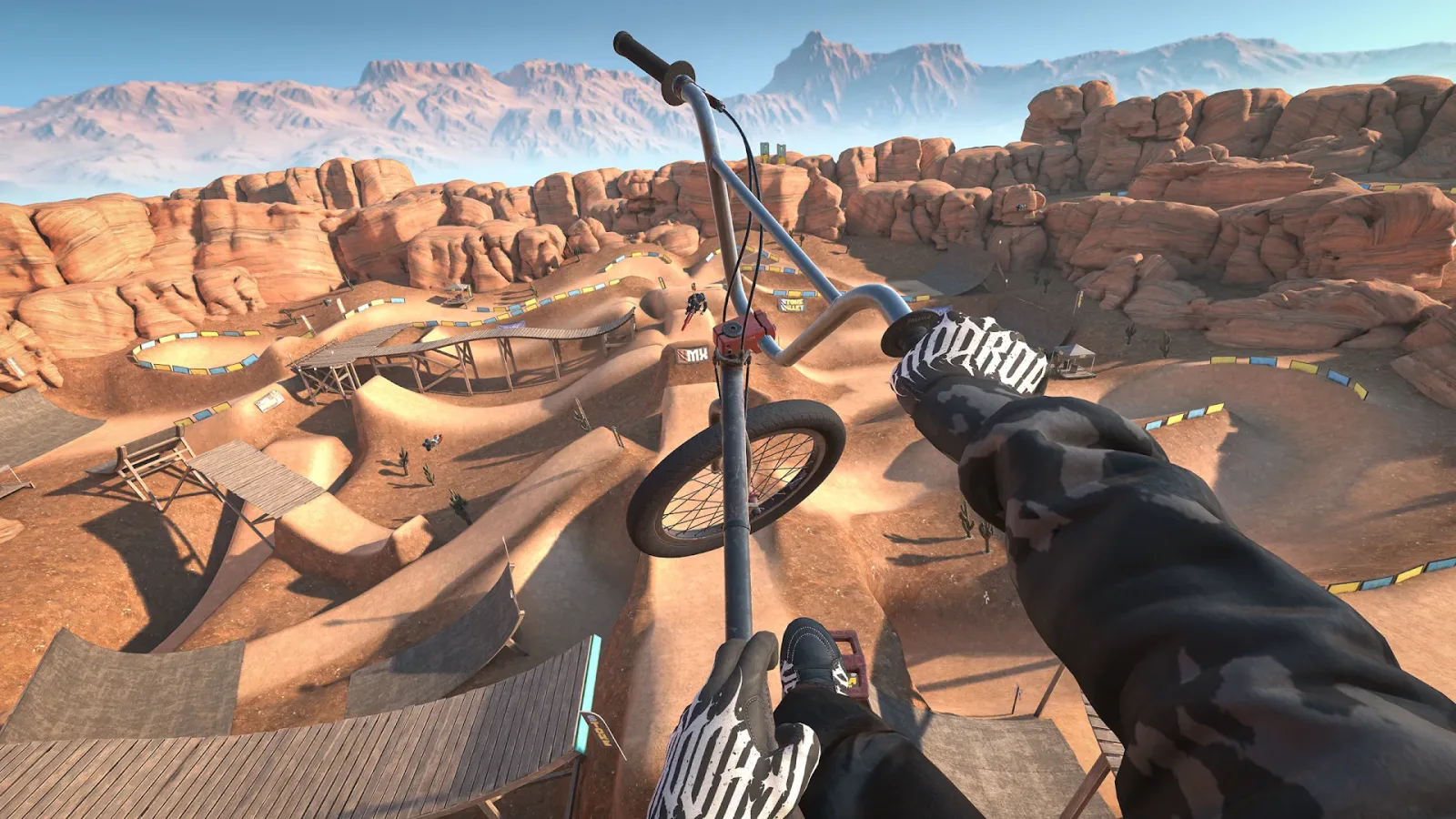
- Desert valley dirt track: A dirt-focused environment that should provide a contrasting backdrop for mountain bike riding and momentum-based runs.
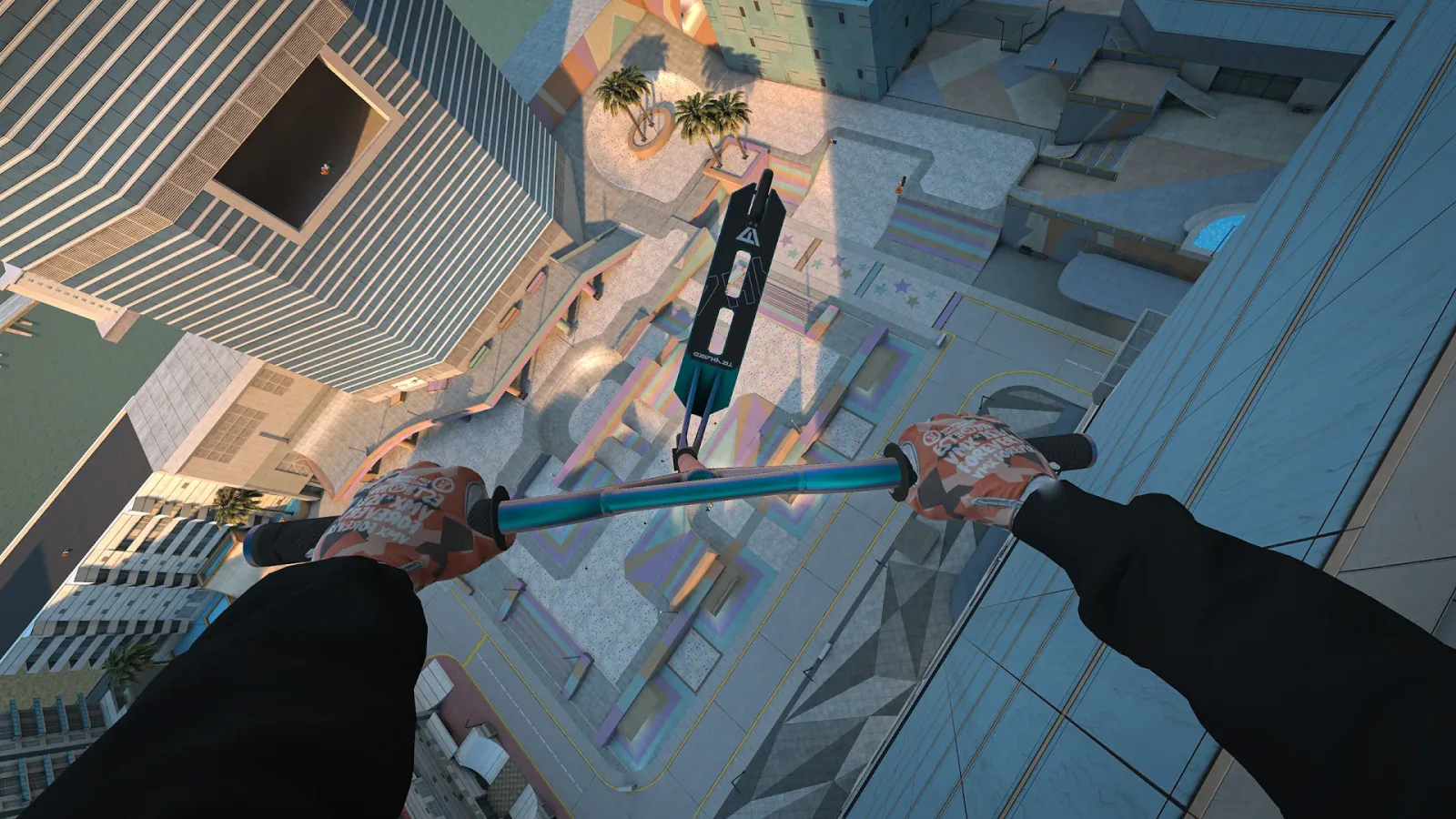
- Miami city skatepark: An urban skatepark set in a Miami-inspired city environment.
- Docks warehouse skatepark: A warehouse-based park in a dockside setting.
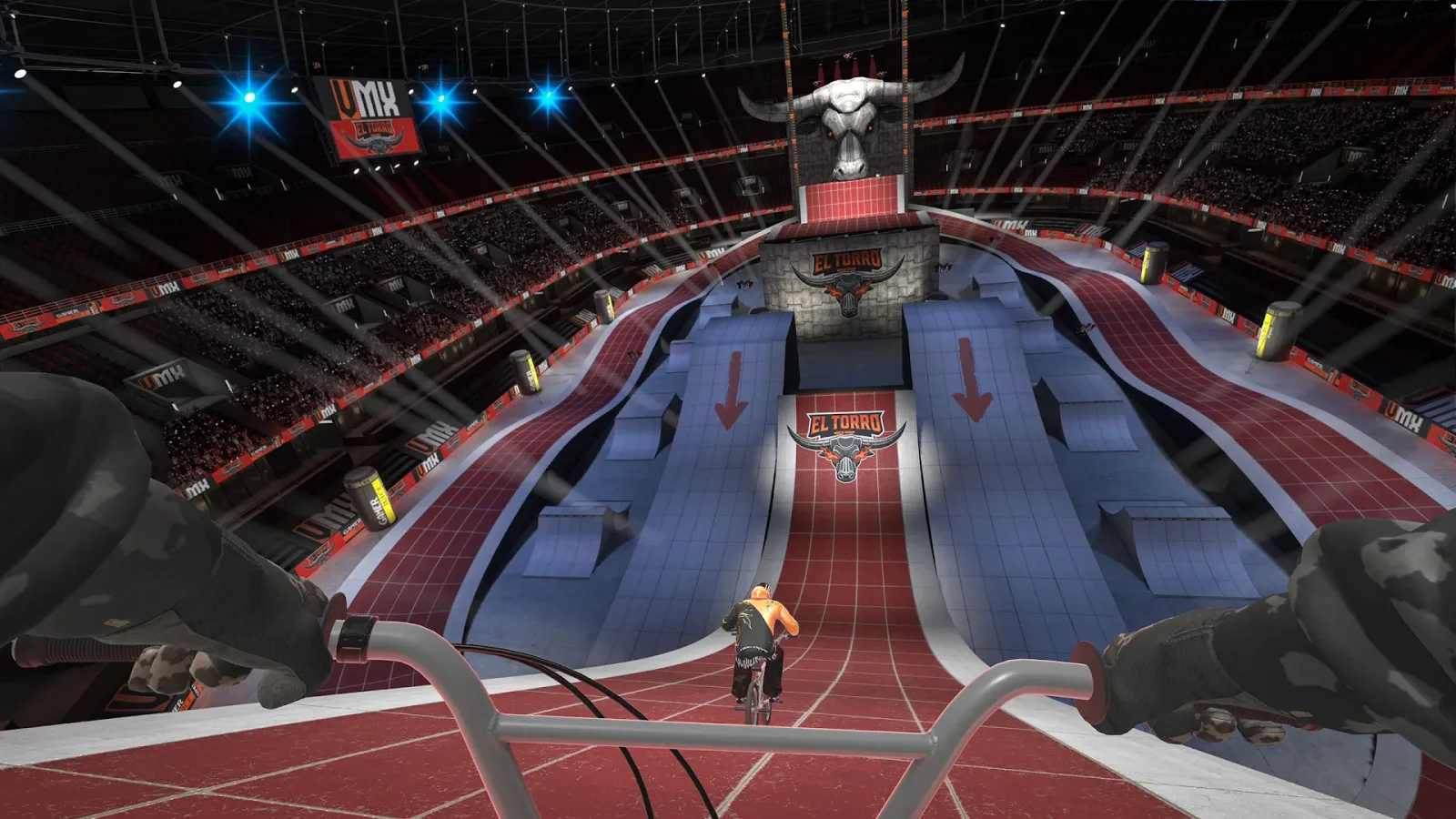
- Stadium: A larger venue featuring a megaramp and animated crowds.
The range of environments is significant because VR riding games benefit from spaces that communicate their purpose quickly. A skatepark can invite experimentation with bowls, rails and transitions, while a dirt track points players toward a different rhythm of jumps and speed management. The stadium, meanwhile, sounds like the most overtly spectacle-driven option, with its megaramp and animated audience framing it as a place for high-risk attempts.
Players will be able to tackle challenges on these maps or simply spend time riding them with friends. That distinction matters: not every rider wants to turn a casual session into a leaderboard pursuit. VMX is being presented as a game where practising one trick, testing a route or hanging out in a shared park is as valid as pursuing a formal objective.
Multiplayer supports relaxed sessions and competitive runs
Break Free Interactive is placing multiplayer at the core of the VMX experience. Players can explore maps together, meet up at skateparks, practise tricks, take on challenges and compete for high scores. The modes described range from low-pressure freeriding to direct head-to-head competition.
That structure fits the social side of real-world riding culture, where a session can be as much about watching friends test an obstacle as it is about setting a score. In VR, multiplayer can also make environments feel more active. A large ramp or park gains a different sense of scale when another rider is waiting at the top, attempting a line nearby or celebrating a successful landing.
The announcement does not yet detail player counts, cross-platform support, specific competitive rules or whether progression rewards are tied to multiplayer challenges. Still, the stated ability to move freely from casual exploration to score-focused contests indicates that the game is not intended to be a solitary trick sandbox alone.
The Workshop adds bikes, gear and personal style
VMX will include a Workshop where players can customise both their rider and their bike. The bike-editing side includes a detailed spray-paint system with options for colours, blends, gradients and custom patterns. That gives players a way to create a machine that looks distinct before taking it into public sessions or competitive challenges.
Rider customisation will include clothing and riding gear. Break Free Interactive says that selection will grow through items unlocked during gameplay. While the announcement does not specify the full range of unlocks or whether cosmetic items are connected to particular tasks, the progression element gives riders reasons to keep returning beyond the immediate pursuit of cleaner tricks and higher scores.
Customisation is especially suited to a multiplayer sports game because it makes individual riders recognizable at a glance. A striking paint design, a chosen set of gear and a preferred vehicle category can all help establish a player's presence in a shared session. It also brings a creative layer to a game otherwise centred on motion and technical execution.
Comfort settings aim to make VR riding more approachable
Fast movement, drops and aerial spins can be demanding in virtual reality, so VMX will offer two experience settings aimed at different comfort levels. Comfort Mode is set as the default option and is intended to reduce motion discomfort while creating a smoother riding experience. This should provide a more approachable starting point for players who are new to VR movement or who prefer a less intense presentation.
For experienced VR players, Immersive Mode is intended to offer a more intense and realistic ride. The exact visual and movement differences between the two modes have not been detailed, but the split recognizes that VR audiences vary widely in what they find comfortable. A rider who wants the strongest sense of speed and movement may have very different preferences from someone looking to spend an extended session practising without discomfort.
Making the comfort-focused setting the default is a notable decision for a game built around rapid traversal and air time. It suggests the developer wants the basic experience to be welcoming before players decide whether they want to move toward a more demanding simulation-like feel.
What to expect when VMX arrives
VMX has a clear pitch: bring the feel of action-sports riding closer to the player by turning VR motion into part of the control scheme. Its success will depend on how naturally that gesture system reads player intent, how satisfying its momentum feels and how much variety its five maps provide once riders have learned their most obvious routes.
Its feature set provides several potential ways to play. Players can chase high scores, repeatedly refine a difficult jump, create a personalised bike design, work through gameplay unlocks or use multiplayer to turn a park into a social meeting place. BMX, mountain bikes and scooters also give the game a useful breadth, even as all three share the same focus on lines, launches and trick execution.
Break Free Interactive's VMX launches for Meta Quest 2, Meta Quest 3 and PCVR headsets on October 2, 2026. With Comfort Mode for a gentler introduction and Immersive Mode for riders seeking a stronger VR sensation, the game is aiming to make its virtual parks accessible while retaining the physical thrill of a well-timed run.


Community
Discussion
Start the conversation.
No comments have been posted yet.