

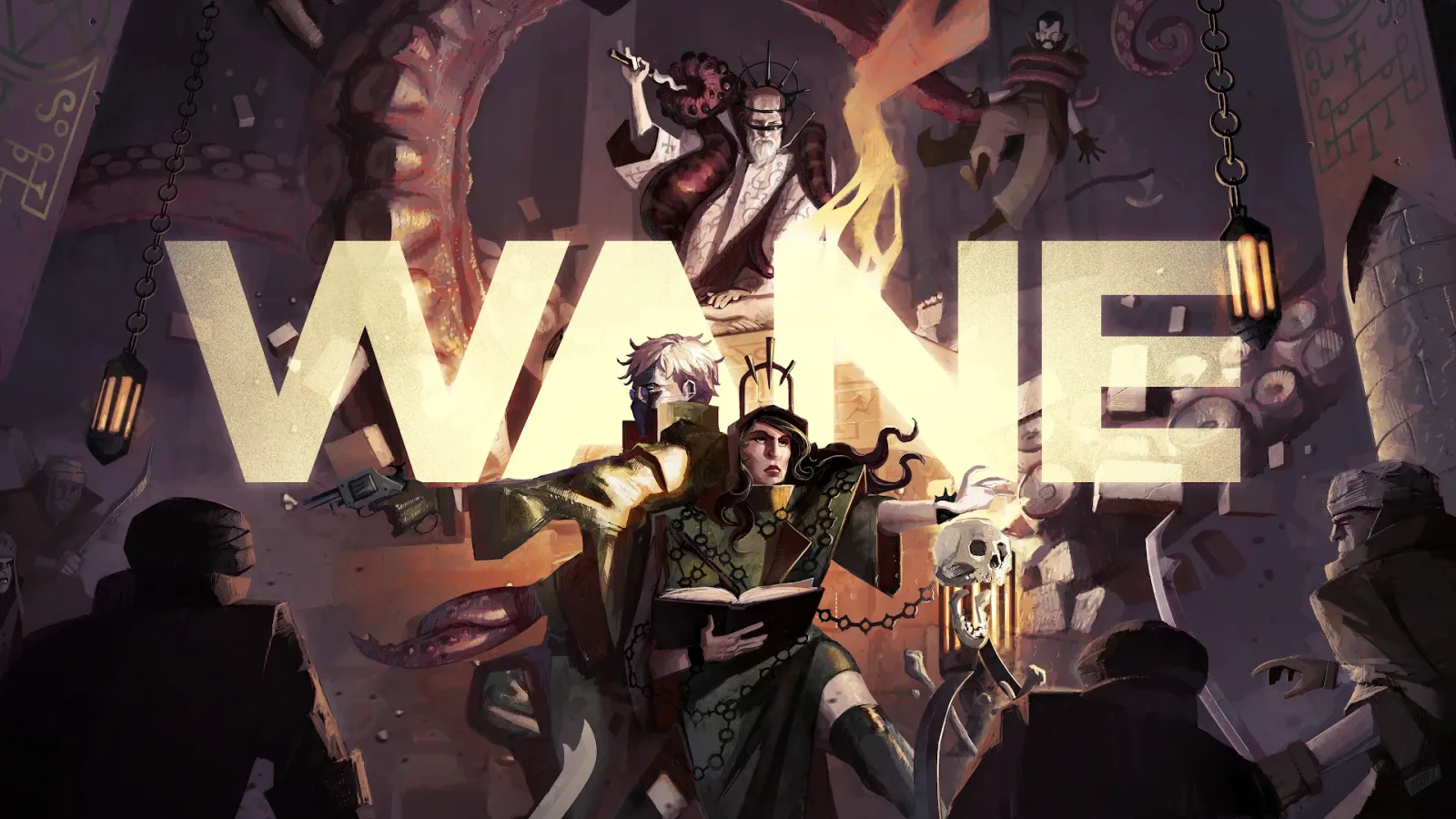
Metis Creative has announced WANE, an occult turn-based RPG in development for PC. Revealed during the PC Gaming Show Tokyo Direct, the game combines grid-based tactical encounters with roguelike-style expeditions, putting players in command of small parties venturing into a shifting realm called Ravelle.
Shoreline Games is partnering with Metis Creative on publishing duties. A release date has not been announced, and PC is the only confirmed platform at this stage.
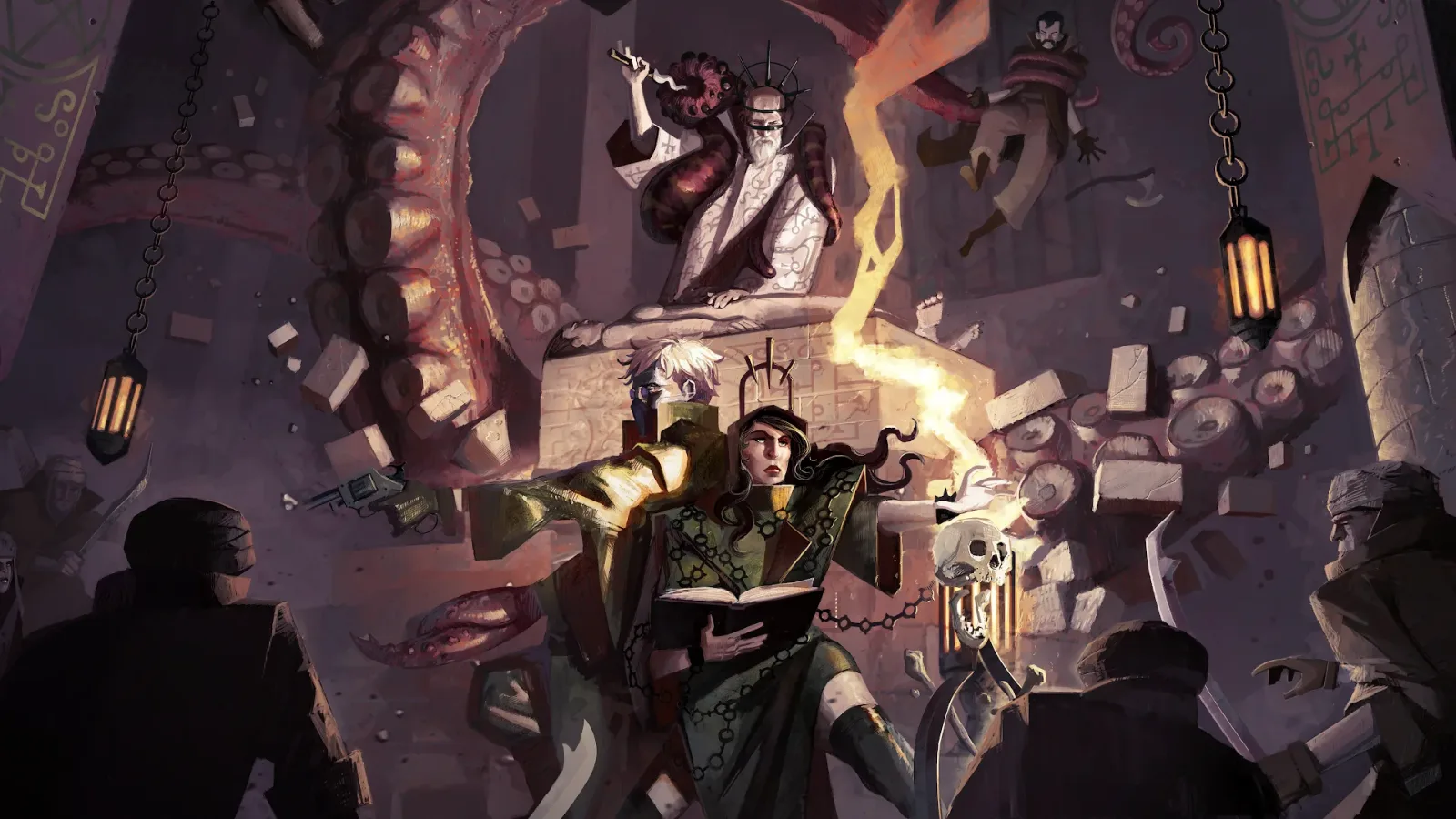
WANE's central premise is built around memory rather than a conventional fixed-world adventure. Its protagonist, Declan Wayne, is a once-prominent archaeologist now in decline. His broken recollections form Ravelle, a labyrinthine place shaped by the trauma, obsessions, and regrets he carries. That setup gives the game's repeated runs a narrative purpose: every expedition is not simply a trip through another dungeon, but another attempt to navigate a world made unstable by a damaged mind.
A noir dystopia inside a fractured memory
The announced setting blends occult fiction with an industrial, 1980s-inspired noir dystopia. Rather than presenting Ravelle as a straightforward fantasy realm, WANE frames it as a constructed and reconstructing space born from Declan's memories. The result is intended to make the environment itself part of the story, with the realm changing as players continue their descent.
For useful background on this topic, read Escape From Playtime Enters Steam Early Access on October 21, 2026.
Metis Creative describes this approach with the phrase "Memory is the Map." In practical terms, Ravelle is designed to be shaped and reshaped over the course of play. The game's narrative will unfold across repeated expeditions, while new discoveries and longer-term progression alter what players can do on subsequent attempts.
Three major biomes have been named so far: the Ravellian Sanatorium, the Palace of Arvanshah, and the Death Pilgrimage to Erabel. Their names point to a setting that moves between institutional decay, grand but unsettling architecture, and a grim ritual journey. The announcement has not detailed how the three locations connect narratively or mechanically, but they will serve as the primary environments players descend through during expeditions.
The memory-driven structure is especially important because it distinguishes WANE's premise from a roguelike that uses randomization only to vary combat layouts. Here, the shifting world is tied directly to Declan's personal history. The announced themes of trauma, regret, and fixation suggest that progress may reveal more about both the character and the spaces generated from his past, though the full scope of the narrative remains to be outlined.
For another perspective on this story, read WANE Revealed as Occult Tactical RPG Set Inside a Fractured Memory.
Grid-based battles emphasize positioning
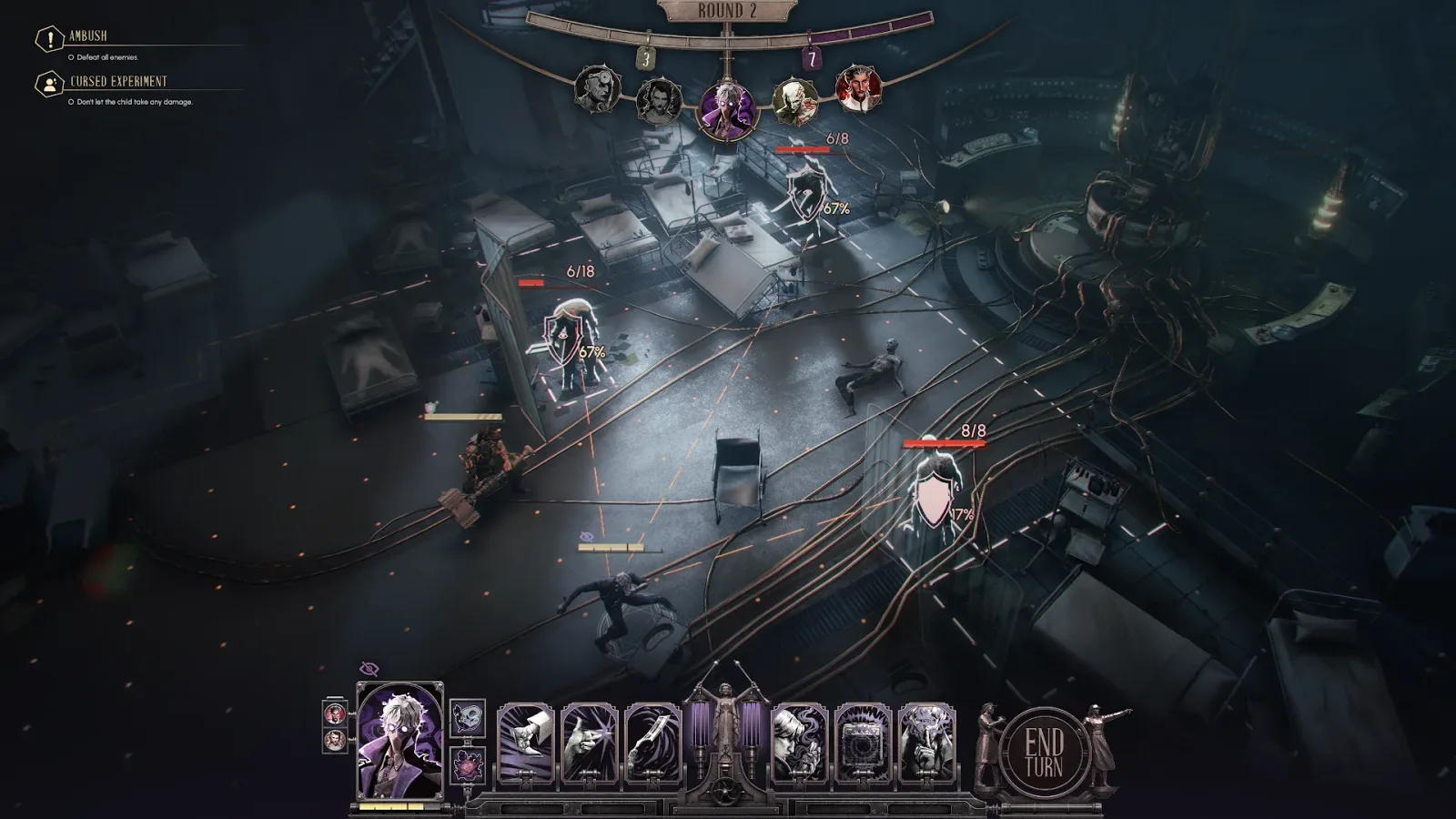
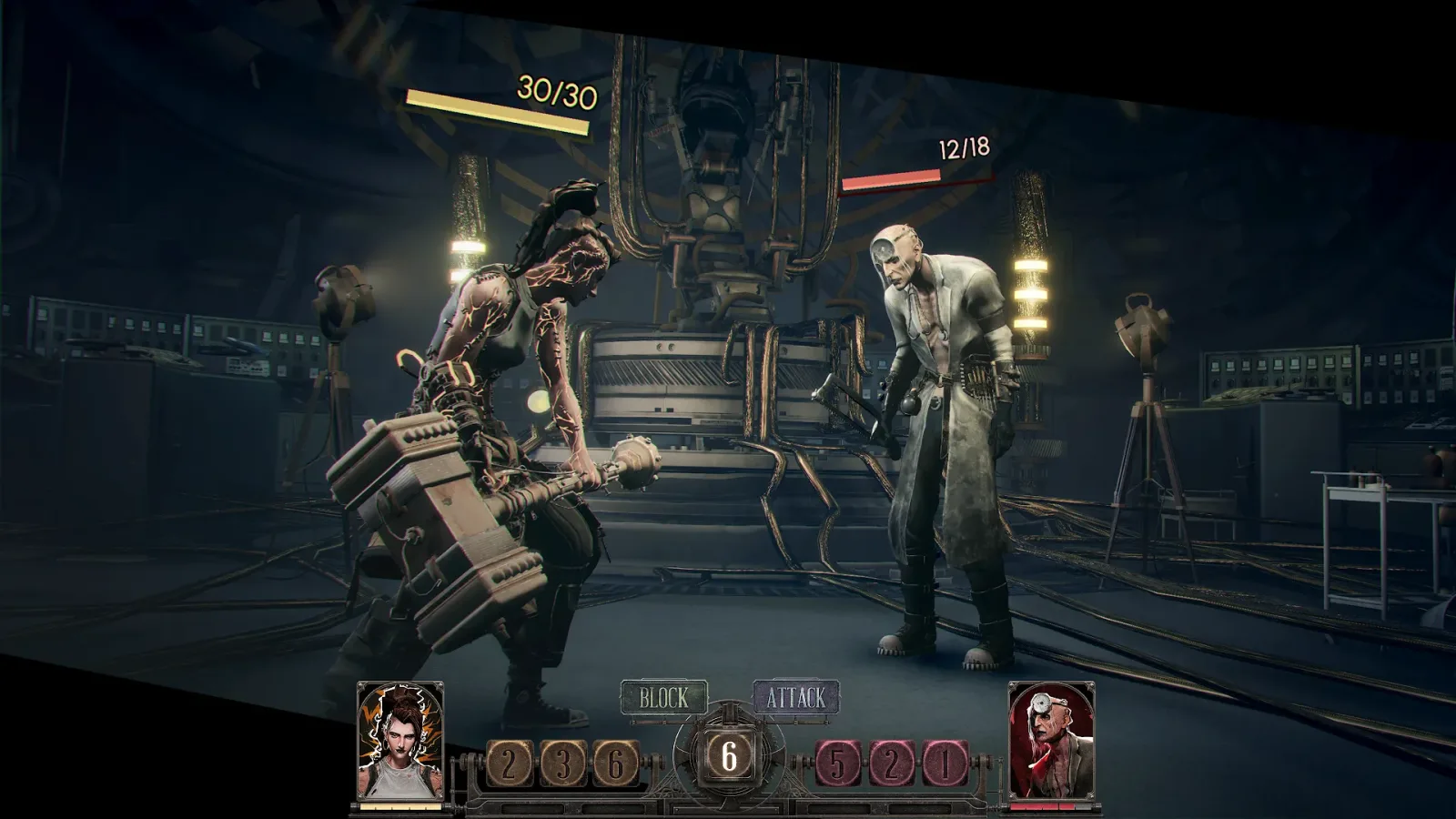
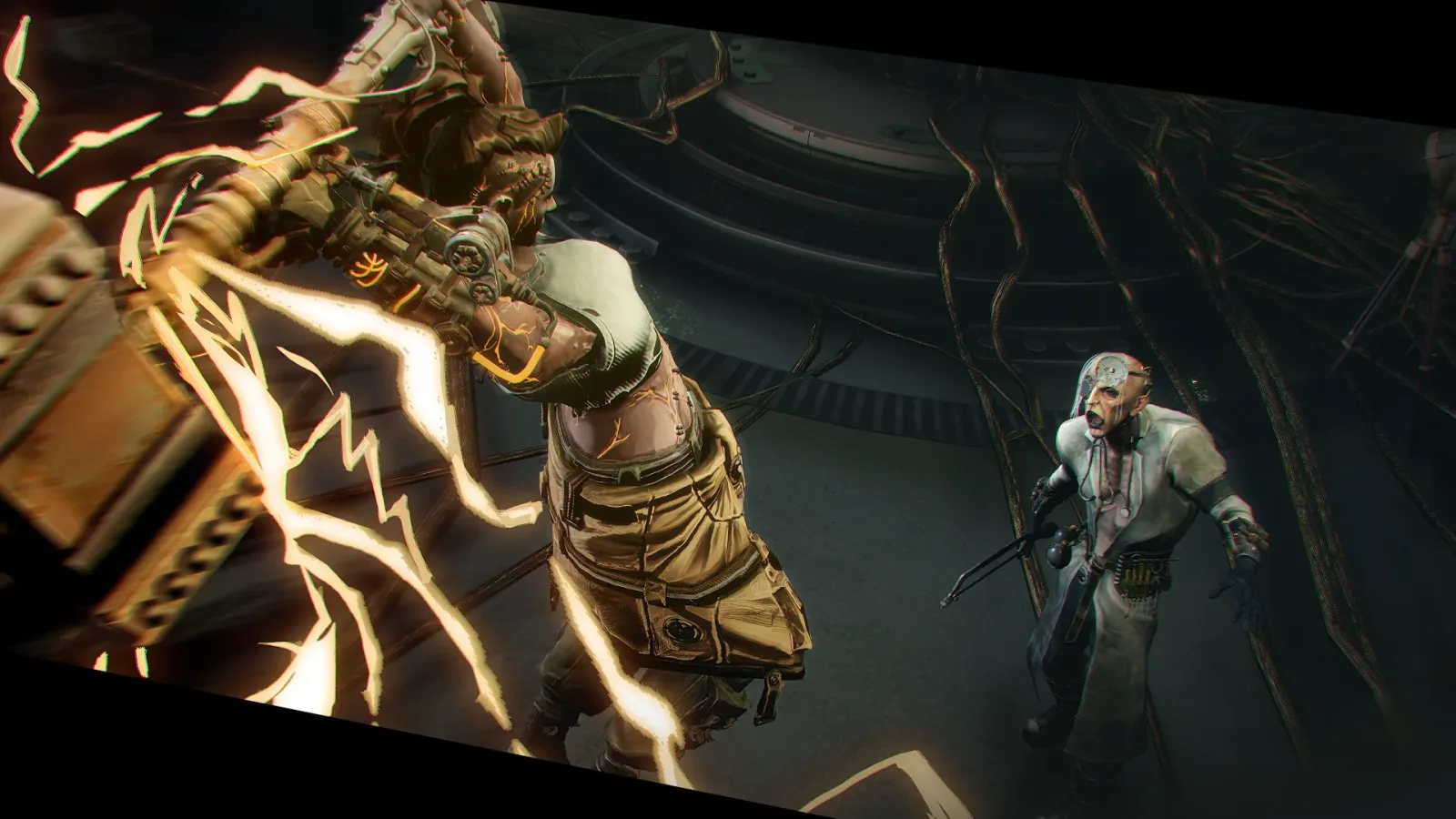
Combat in WANE is turn-based and built on a grid. Players will need to account for positioning, cover, line of sight, and percentage-based attack chances when confronting enemies. Those features place tactical decision-making at the center of each fight: where an adventurer stands, what protection is available, and whether a target can be seen should all matter before committing to an action.
The game will have players recruit adventurers and assemble three-person parties for each expedition. Small squads can make every member's role more consequential, particularly in a system where cover and lines of fire are explicit considerations. However, the announcement has not yet identified individual classes, named recruits, or described the exact abilities available to party members.
What is clear is that WANE is pursuing a tactical format rather than a purely menu-driven JRPG approach. Its grid, cover, and visibility systems indicate encounters where spatial control will be as relevant as selecting the right attack. Percentage-based chances also introduce risk into each decision, giving players reason to weigh safer positioning against more aggressive opportunities.
Runs will include random encounters as well as boss fights. This combination should make expeditions unpredictable while preserving larger tests at key points in a descent. No enemy roster has been announced, and the reveal does not specify whether bosses will remain consistent between runs or change alongside Ravelle's memory-based restructuring. Those details will be important to how the game balances planning against adaptation.
Roguelike progression extends beyond a single run
WANE's roguelike framework is not limited to starting over after a failed attempt. Players are expected to unlock new synergies, shortcuts, and permanent upgrades across multiple expeditions. That persistent layer should steadily expand the options available when sending another party into Ravelle.
Synergies imply that party composition will develop beyond choosing any three adventurers at random. As more options become available, players may be encouraged to look for combinations that suit a preferred tactical style or help address the dangers found in specific areas. Shortcuts, meanwhile, could reduce the distance to later challenges or give players more strategic flexibility in choosing how to approach a descent. Exact unlock conditions have not been announced.
Permanent upgrades will also help distinguish long-term progress from the temporary gains found within an individual attempt. This is a common foundation for the broader roguelike format, but WANE's premise gives it an added thematic angle: as the player learns more about Ravelle and Declan's history, the route through that unstable realm can become more manageable.
The repeated-expedition design can create a useful rhythm for a tactical RPG. One run may be about securing enough resources to improve the next, while another may test a newly unlocked party combination or route. Random encounters mean a familiar plan may not always be sufficient, and a three-member team leaves less room to absorb a bad decision. With only the reveal details available, it is too early to say how punishing failure will be, but the structure clearly expects players to return to the descent many times.
The antiquarian shop is the expedition hub
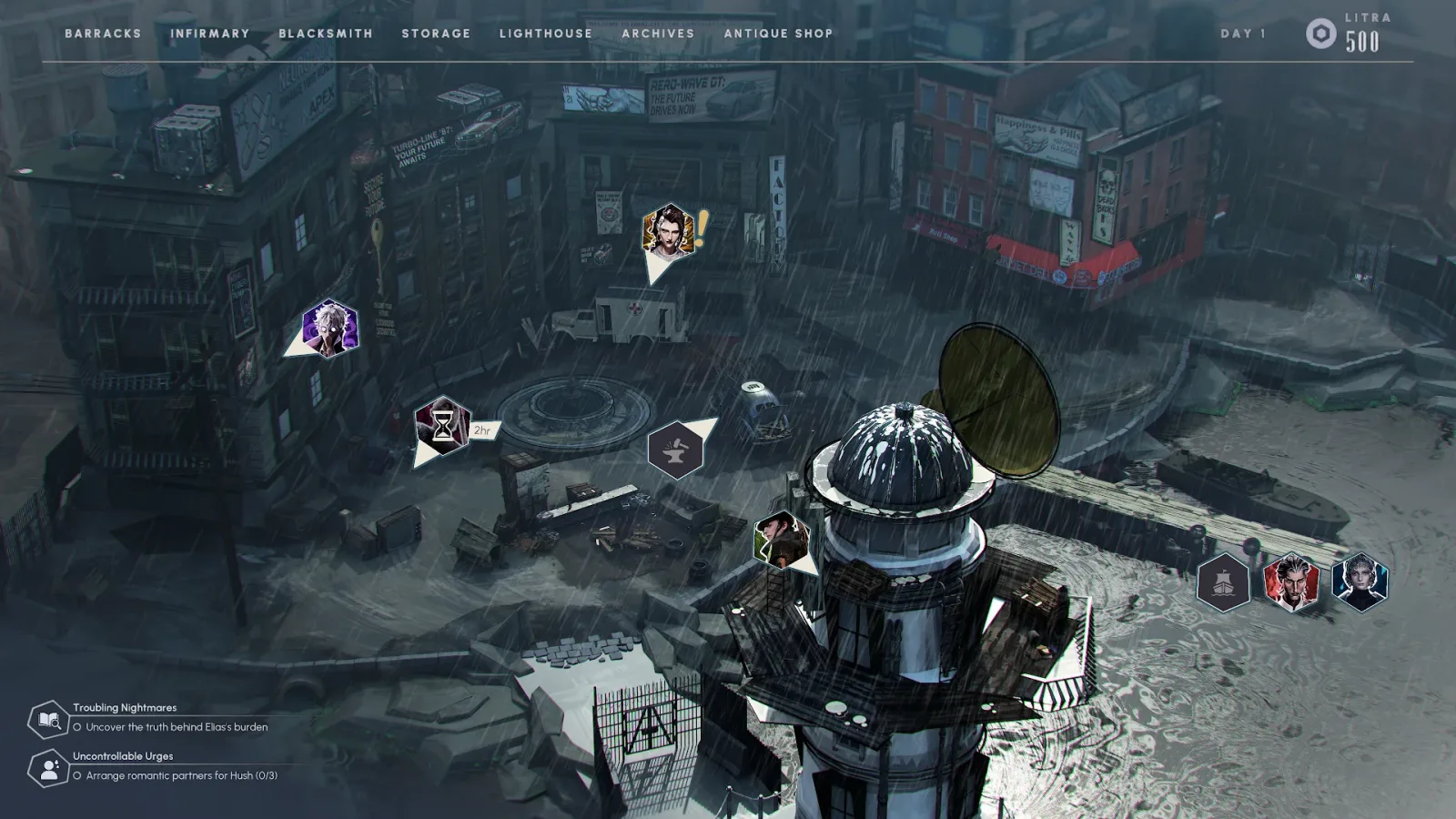
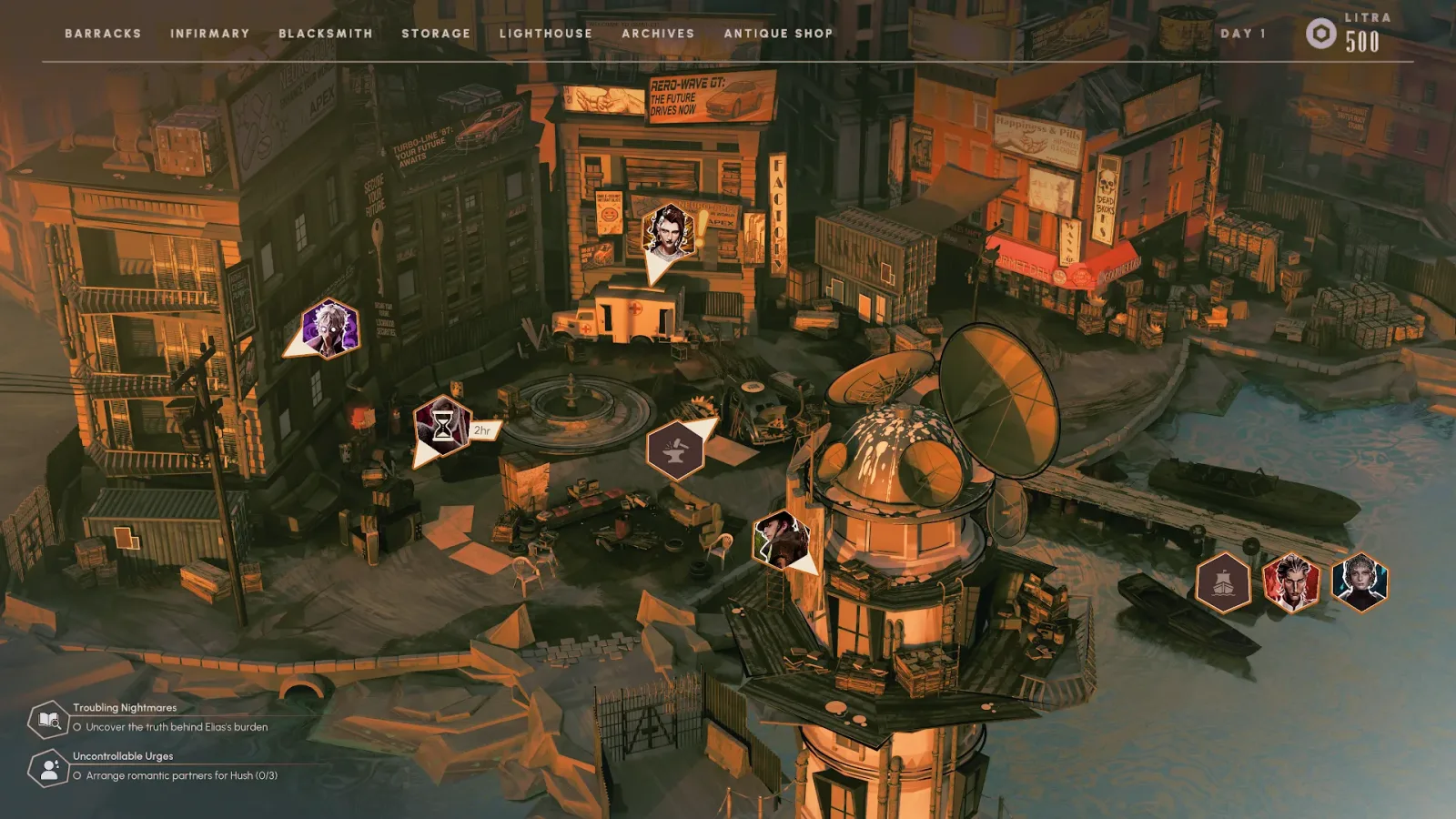
Between runs, players will return to an antiquarian shop. This hub is where relics recovered from Ravelle can be appraised and sold, turning expedition finds into resources for future attempts. Players will also be able to upgrade facilities there and use the proceeds to finance further journeys.
That shop gives WANE an economic layer alongside its combat and progression systems. Relics are not just collectibles; they feed the continuing cycle of exploration, appraisal, sale, investment, and another descent. A player's choices between expeditions may therefore matter as much as decisions made during a battle, especially if limited funds force a choice between different facility improvements.
The announcement does not specify the types of facilities that can be upgraded or whether appraisal will involve its own decision-making systems. Even so, the antiquarian setting is a natural fit for a game led by an archaeologist and concerned with objects whose meanings have been buried, distorted, or forgotten. It also offers a grounded counterpoint to the surreal territory of Ravelle: after surviving a shifting memory-world, players return to a place where artifacts can be examined and converted into tangible support for the next run.
What is confirmed for WANE so far
- WANE is an occult, turn-based tactical RPG from Metis Creative.
- Shoreline Games is publishing in partnership with the developer.
- The game follows archaeologist Declan Wayne through the memory-shaped realm of Ravelle.
- Combat uses a grid and incorporates positioning, cover, line of sight, and percentage-based attacks.
- Players recruit adventurers and take three-person parties on expeditions.
- Runs include random encounters, bosses, three named biomes, and persistent progression elements.
- An antiquarian shop serves as the between-run hub for relic appraisal, sales, and facility upgrades.
- WANE is currently confirmed for PC, with a release date and further details still to come.
WANE has revealed a clear outline of its ambition: a tactical RPG where the map is unstable, the expedition loop has lasting consequences, and the supernatural world is inseparable from the protagonist's troubled memories. Its eventual success will depend on how convincingly its combat, party-building, and narrative discoveries reinforce one another, but the initial reveal establishes a distinctive foundation for PC players who enjoy deliberate, turn-based roguelike challenges.
Community
Discussion
Start the conversation.
No comments have been posted yet.