

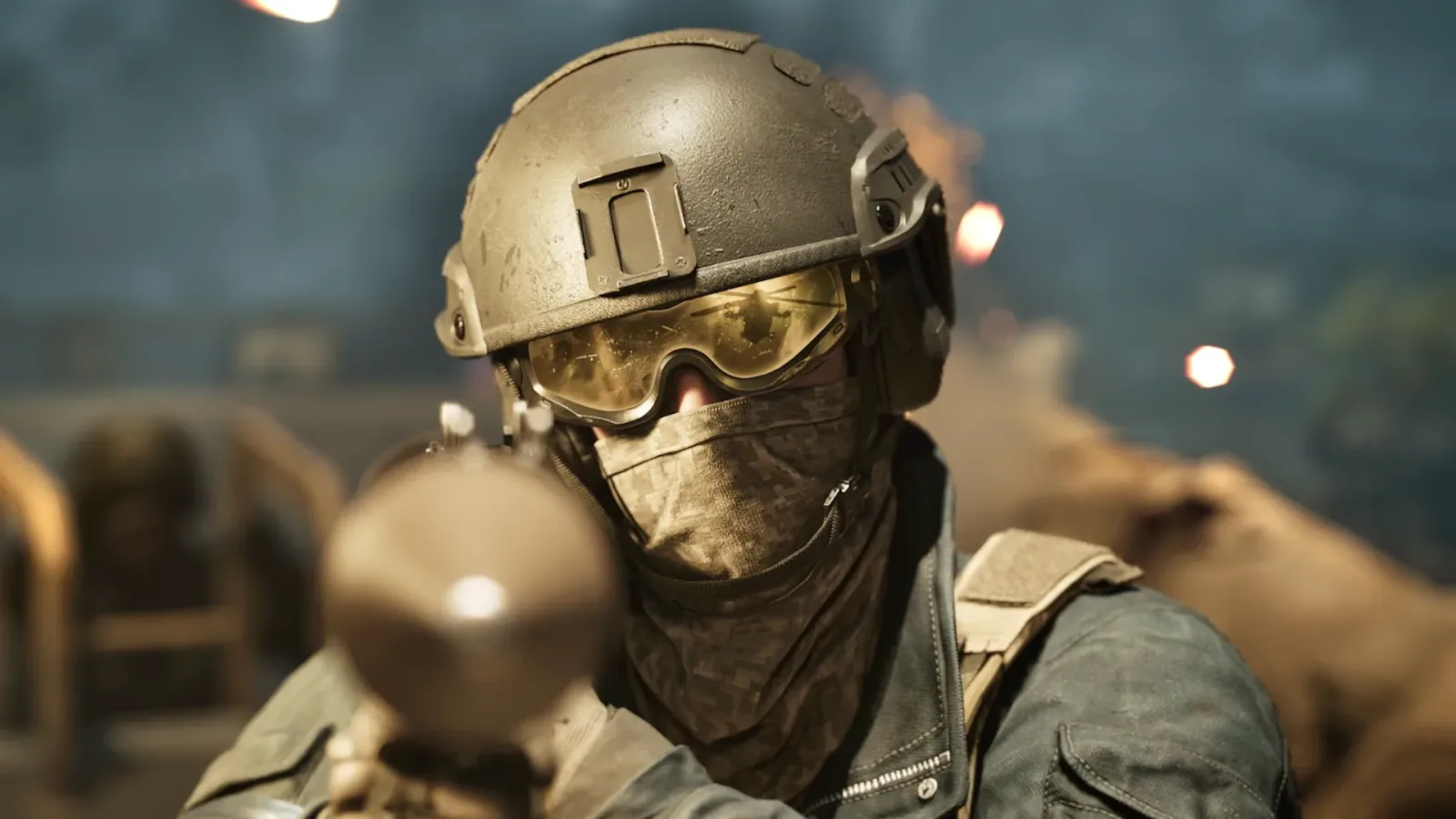
Wardogs has reached the remarkable milestone of 3 million copies sold, giving developer Bulkhead a launch success few independent studios could ever expect. Yet the tactical first-person shooter's explosive start has also created a difficult and draining situation behind the scenes. Bulkhead CEO Joe Brammer says the studio has been dealing with a relentless combination of cheating, repeated DDoS attacks, additional security work, and the physical and mental fatigue that comes with trying to support a hugely popular multiplayer game during its earliest weeks.
As a result, a substantial portion of the team has been required to take holiday time. The decision is not being framed as Bulkhead stepping away from Wardogs or slowing its long-term plans. Instead, Brammer characterized the break as a necessary reset after an intense sprint, allowing the studio to recover before taking on the much longer process of developing the game through version 1.0 and beyond.
A major sales milestone brings major operational pressure
Three million copies sold is an enormous achievement for a tactical FPS, particularly one that only entered early access earlier in the month. Wardogs quickly attracted hundreds of thousands of players, creating the kind of visibility and demand that can transform a game overnight. That success also puts a smaller development studio under pressure from every direction at once.
Embedded X/Twitter post
Players expect stable servers, rapid responses to exploits, fair matchmaking, balance updates, new content, clear communication, and a visible plan for the future. Meanwhile, the people making the game have to deal with the technical realities of operating a live multiplayer title at far greater scale than anticipated. For Bulkhead, that has included an ongoing battle against what Brammer described as "bottom-feeder cheaters" as well as constant DDoS attacks.
For useful background on this topic, read Analyst Calls Xbox Studio Reshuffle a 'Reverse Acquisition' as Activision Takes on Halo.
Those are not minor inconveniences. Cheating can damage trust in a competitive game quickly, especially when players believe opponents are gaining an unfair advantage. DDoS attacks can disrupt access and degrade the experience for players who simply want to log in and play. Addressing either issue can demand significant work across engineering, infrastructure, customer support, community management, and security. Facing both while a game is rapidly growing makes the challenge considerably more complex.
Brammer said Bulkhead had been overwhelmed by the response in a literal sense. The studio has had to undertake more security work than it expected, and the speed at which Wardogs has expanded has left the team feeling less in control than it would like. That candor offers an unusually direct look at the strain that can accompany a breakout multiplayer launch.
Mandatory holiday time is intended as a reset
Rather than asking its team to keep pushing through the pressure, Bulkhead has made a deliberate call to give many employees time away. Not every member of staff is off at once, but a good chunk of the studio has been told to use holiday time during the week.
The move matters because launch-period exhaustion is one of the biggest risks for a live-service or early-access game. A team can spend months, or years, building toward release, then immediately face its most demanding period once players arrive. Bugs that did not appear in testing emerge under real-world load. Community feedback arrives in enormous volume. Bad actors target the game. Every response feels urgent, and the line between a reasonable workload and unsustainable crunch can disappear quickly.
Bulkhead's decision suggests it is trying to avoid that trap. Brammer compared the studio's position to finishing a sprint and pausing to breathe before beginning a marathon. It is a fitting description for early access: launch day may be the public beginning of a game's life, but it is only the start of a longer cycle of updates, fixes, refinement, and difficult decisions.
For Wardogs players, a mandated break could initially sound worrying, particularly when problems such as cheating and service attacks are ongoing. But recovery time can be essential to maintaining meaningful support over the months and years that follow. A burned-out team is less able to respond well, less able to communicate clearly, and less able to make smart choices about a game's direction. Sustainable development is not separate from post-launch support; it is one of the conditions needed to provide it.
Cheaters and DDoS attacks complicate early access
Early access creates a difficult environment for any competitive shooter. Developers are asking players to join while systems are still being built, tested, and adjusted. The community often understands that unfinished features and balance problems are part of the process. However, malicious activity can make that process much harder.
Cheaters can exploit weaknesses in anti-cheat systems or game design before developers have the time and data needed to respond. Even when tools are available to identify and remove offenders, the work does not end with a ban wave. Studios need to review reports, improve detection, close loopholes, and monitor whether new methods emerge. They also have to communicate enough to reassure legitimate players without providing useful information to people attempting to bypass protections.
DDoS attacks add another layer of disruption. They can affect server availability and create the appearance that a game's infrastructure is failing, even when the underlying cause is malicious traffic intended to overwhelm services. Protection against those attacks may require changes that players never see directly, but which can consume time and resources that would otherwise go toward gameplay improvements.
Bulkhead therefore has to balance competing priorities. It needs to defend the live game, deal with immediate player concerns, protect the team's health, and still continue the wider work of turning an early-access release into the version of Wardogs the studio ultimately wants to make. There is no simple order in which those tasks can be completed, especially when new problems can emerge at any time.
Bulkhead says it is committed for the long haul
Despite the difficult opening stretch, Brammer emphasized that Bulkhead remains committed to its broader plan. He acknowledged that some people may feel the studio is not responding to particular points of feedback and said he expects the community's mood to fluctuate. That is a familiar pattern for prominent online games, where enthusiasm, disappointment, praise, and criticism can all rise rapidly alongside player numbers.
The key message is that Bulkhead sees Wardogs as a long-term project rather than a launch-week product. Brammer said the studio is in a position to pursue version 1.0 and future development without compromising on what it wants the game to become. For players, that points to an intention to keep shaping Wardogs through its early-access period rather than treating its current form as the finished experience.
That does not mean every request will be addressed immediately, or that every design decision will satisfy every section of the audience. Tactical shooters often generate passionate disagreement over weapon balance, pacing, progression, maps, accessibility, realism, and competitive rules. As Wardogs settles into a more stable rhythm, rebalancing could become one of the central areas of attention, alongside the essential work on security and service stability.
Success does not eliminate the hard part
Wardogs selling 3 million copies gives Bulkhead a powerful foundation, but it does not automatically solve the challenges of running a popular multiplayer shooter. If anything, rapid success magnifies those challenges. More players mean more feedback, more expectations, more server demand, and more attention from people looking to exploit or disrupt the game.
Bulkhead's response is notable for recognizing the human cost of that situation. The studio is celebrating a huge commercial result while also admitting that the past few weeks have taken a toll. Giving staff time to recover may not be the most dramatic response players can see from the outside, but it may be one of the most important decisions for Wardogs' future.
The coming updates will show how Bulkhead translates that long-term confidence into action. For now, the studio's immediate priority is clear: stabilize the experience, counter the problems affecting the game, and make sure the people responsible for Wardogs are able to continue building it without being overwhelmed by the success they worked to achieve.
Community
Discussion
Start the conversation.
No comments have been posted yet.