

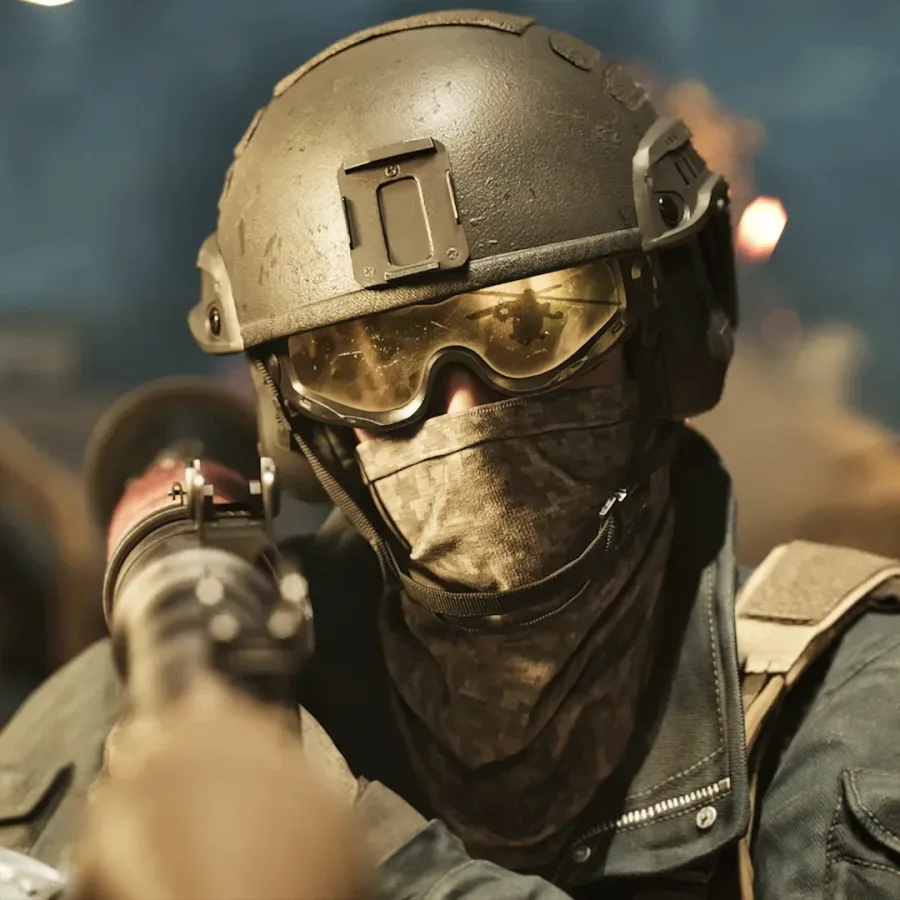
Wardogs developer Bulkhead has removed the Season 2 XP and cash incentives offered to Blue Team players after the initiative produced the opposite of its intended effect. The bonuses were designed to improve the standing of a side that had developed a poor reputation among the player base, but instead drew in highly experienced players and made it easier for them to obtain powerful equipment earlier than normal.
Bulkhead CEO Joe Brammer addressed the outcome directly, calling the adjustment an experiment that failed. "We were wrong, we f***ed up," Brammer said, confirming that the team had expected to leave the system active for roughly a week. It was instead pulled through a hotfix after the competitive impact became clear.
The reversal is a notable early test for WARDOGS Season 2. The update was meant to give underused Blue Team a reason to attract players and help smooth out a mismatch in team selection. Yet even relatively modest rewards altered player behavior quickly. The extra progression effectively changed Blue Team from the least desirable option into the side that many of the game's strongest players wanted to join, creating a different and potentially more frustrating imbalance.
How the Blue Team incentives changed Wardogs matches
Season 2 gave Blue Team members a 5% increase in cash rewards and 2.5% more XP. On paper, neither figure appears especially dramatic. In a game where equipment access and player progression can have a major effect on a match, however, those gains added up. Players seeking the most efficient route through Wardogs' unlock structure had a clear reason to move to Blue.
For useful background on this topic, read Masahiro Sakurai Warns AI Could Make Copycat Games an Even Bigger Problem.
That is particularly important because cash and XP are not just abstract rewards. Faster progression can mean earlier access to high-tier armor and weapons that other players may need considerably more time to acquire. The result was a pool of players able to become fully equipped more rapidly, with the incentives also encouraging skilled and highly dedicated competitors to concentrate on one team.
Blue Team's fortunes changed fast. Rather than merely becoming a more appealing choice for players who might otherwise have avoided it, the faction began dominating matches. The incentives attracted players focused on maximizing performance, while the accelerated unlocks could amplify the advantage they already brought into games.
It is a familiar challenge for multiplayer developers: an incentive meant to correct participation patterns can become a reward for the players best equipped to exploit it. A small percentage bonus may not matter much during a single session, but it becomes meaningful across repeated matches, especially for people playing enough to chase competitive advantages or complete the progression track as efficiently as possible.
Bulkhead says spawn adjustments were already made
Brammer also pushed back on one point of community criticism. Some players argued that Bulkhead had not tackled Blue Team's deeper problems, specifically concerns around spawn placement. He said the studio had in fact made substantial changes to the spawn setup on Bakurani and had tested those adjustments extensively.
"We should have just stuck to our guns with that, really, but here we are -- we tried, it didn't work, this is us holding our hands up."
The comments suggest Bulkhead believes the underlying spawn work had helped address part of Blue Team's difficulties before the reward boosts complicated the situation. From the developer's perspective, the decision to add extra cash and XP was not a replacement for map balance changes. It was an additional experiment, one that ultimately obscured the effects of the spawn rebalance and shifted the problem in the other direction.
That distinction matters for players watching what happens next. Removing the bonuses does not necessarily mean the studio is abandoning attempts to improve the team's position. Instead, it indicates that Bulkhead intends to rely more heavily on the tested structural changes to Bakurani's spawns rather than an economy-based nudge that changed which players chose Blue Team.
Spawn design remains one of the most sensitive areas in a competitive shooter. Even when weapon balance and movement feel right, poor spawn positioning can decide fights before players have an opportunity to respond. If one side has worse approaches, less cover, or more vulnerable re-entry points, the entire match can feel tilted. Bulkhead's continued attention to Bakurani is therefore likely to be closely watched after the bonus system's removal.
An Early Access lesson with larger implications
Wardogs remains in Early Access, a status that naturally leaves room for major experiments, reversals, and rough patches. Bulkhead's quick removal of the rewards is an example of that process functioning in public: a system is introduced, players expose consequences at scale, and the developer responds.
That does not make the Season 2 issue insignificant. Competitive communities can react strongly when one team gains a reason to stack veteran players or reaches powerful loadouts at a faster rate. For newer or less invested players, repeatedly running into fully equipped opponents can make the progression system feel punishing rather than motivating. The fact that Blue Team reportedly went from struggling to dominating so swiftly illustrates how narrow the margin can be when balancing incentives in a live multiplayer game.
Still, Brammer's comments are unusually blunt and establish a clear position: the system did not work, and it has been removed. That kind of acknowledgement may be important as Bulkhead continues making decisions around Wardogs' path toward version 1.0. A studio can recover more easily from an unsuccessful test when it identifies why the test failed and avoids treating player feedback as an afterthought.
Wardogs' popularity has also raised the stakes. The game has seen a major sales surge, leaving Bulkhead working to keep pace with a larger audience than it initially had to serve. Rapid growth can expose systems that might have looked reasonable under smaller-scale testing. More players means more varied skill levels, more efficient progression strategies, and more people willing to identify the most profitable route through any reward structure.
Season 2's rain system adds another layer to matches
The Blue Team rewards were not the only major change in Wardogs Season 2. The update also introduced a rain system with direct gameplay consequences. Rain affects audio awareness, making footsteps harder to pick out amid the environmental noise. It also substantially reduces visibility for pilots, changing the conditions for aerial play.
Those weather effects give Season 2 a more tactical identity beyond progression and team balance. Players who have become accustomed to relying on sound cues may need to slow down and reassess how they track nearby enemies during wet conditions. Pilots, meanwhile, face a more restricted view of the battlefield, which could alter how they approach attacks, navigation, and target identification.
Dynamic weather can make matches feel less predictable, but it also adds another balancing variable. When visibility, sound, spawns, equipment progression, and team selection all interact, developers have to consider not just whether each system works independently, but whether their combination creates advantages that are too difficult to counter. With the cash and XP boosts gone, Bulkhead can better evaluate the rest of Season 2 without the distorted team-selection behavior they encouraged.
Console plans remain part of the road to 1.0
Bulkhead is also preparing Wardogs for consoles as it works toward the full 1.0 launch. The studio has previously acknowledged that some features have had to be constrained to ensure the game can run on Xbox Series S. That technical reality adds another consideration to every update: changes have to support the current Early Access game while fitting within the performance requirements of future console versions.
There is no new launch timing attached to the latest balance discussion, but the console work helps explain why Bulkhead is continuing to test and revise major systems now. Decisions around performance, visibility, environmental effects, and multiplayer balance will all carry forward into the eventual 1.0 release.
For the immediate future, the practical takeaway for Wardogs players is simple. Blue Team's extra 5% cash and 2.5% XP rewards are no longer active, and Bulkhead has conceded that the experiment worsened the competitive landscape instead of repairing it. The focus can now return to the spawn adjustments on Bakurani, the broader Season 2 gameplay changes, and the difficult task of keeping both teams appealing without turning one faction into the obvious choice for players seeking every possible advantage.
Community
Discussion
Start the conversation.
No comments have been posted yet.