

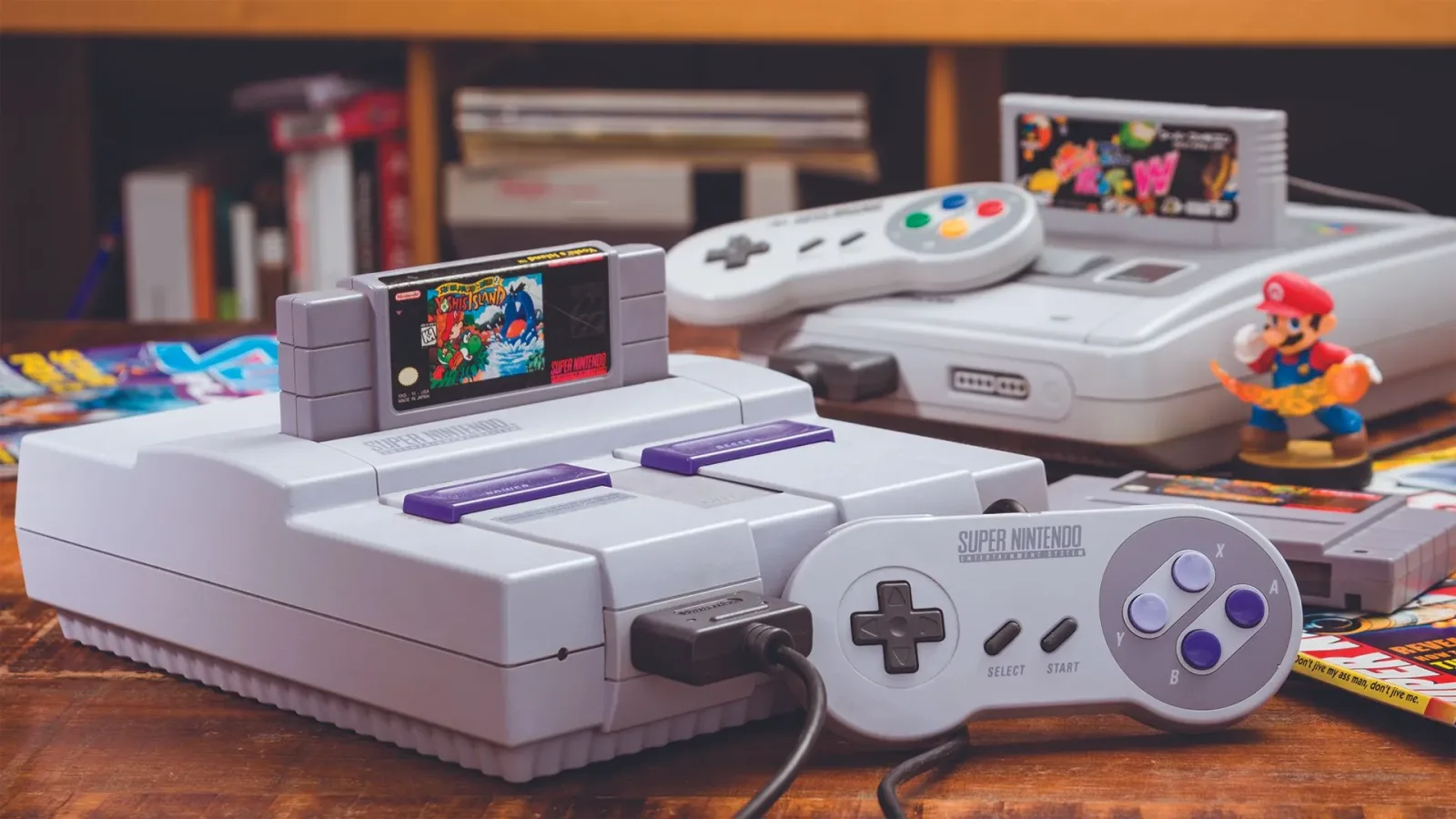
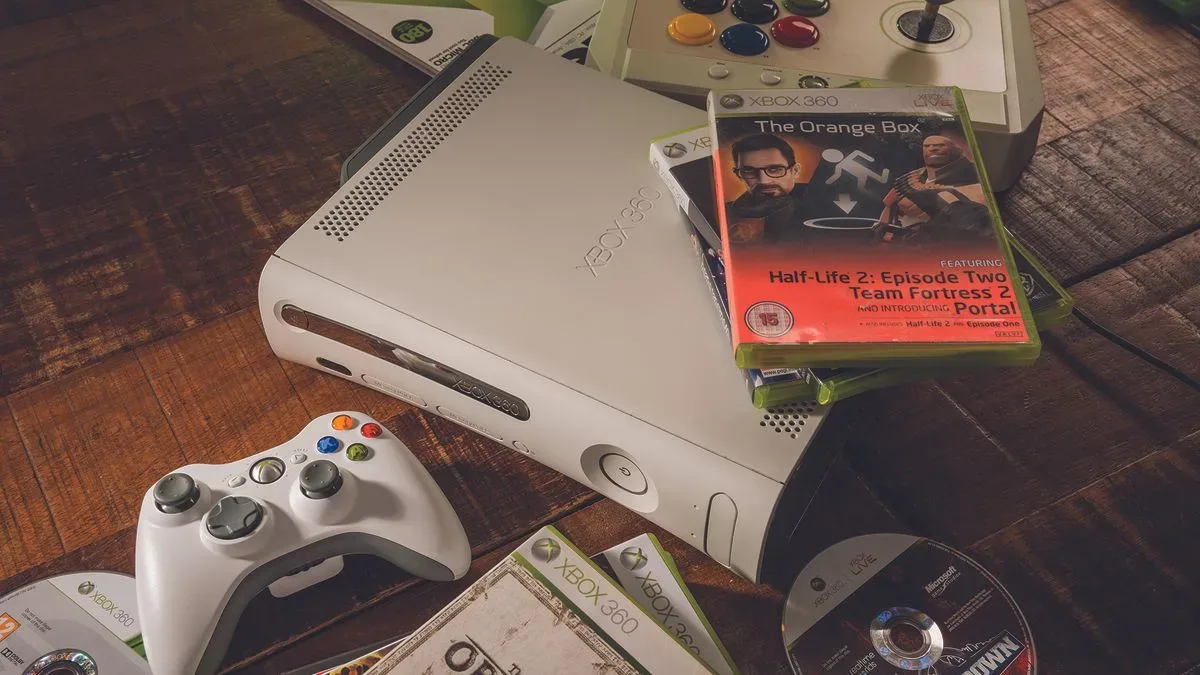
For decades, buying a physical game was a straightforward transaction. A player picked up a box, opened it, and found a cartridge or disc containing the game. That object could usually be installed or played, placed on a shelf, traded with a friend, sold to a second-hand store, or kept for years as part of a collection.
That definition is becoming much less reliable. A retail box can now include a one-time download code. A card can function as a transferable license while holding little or none of the game's data. Even premium collector's editions can arrive without a disc or cartridge at all. With Sony planning to end disc production in 2028 while still intending to sell new PlayStation games through retailers in digital formats, the industry is rapidly approaching a point where "physical" describes packaging more than it describes the software inside.
By 2030, the meaning of a physical game may depend less on whether it comes in a box and more on what the buyer is actually allowed to do with it. Can it be loaned? Can it be resold? Is it playable without an internet connection? Does it rely on a platform holder continuing to host a download years from now? Those questions are likely to become central to collecting, retail, and consumer confidence.
Physical demand may be stronger than headline sales suggest
Digital revenue appears dominant in most major publishers' financial reporting, but those numbers do not necessarily tell the full story of demand for packaged games. Perry Gresham, head of data at MIDiA Research, argues that broad comparisons of physical and digital sales can be misleading because they combine very different parts of the market.
For useful background on this topic, read Palworld's Cattiva Became an Unlikely Mascot, Pocketpair Publishing Lead Says.
PC and mobile games are overwhelmingly digital, for example, while an increasing number of releases never receive a retail edition in the first place. Digital categories also commonly include microtransactions, expansions, virtual currency, and other in-game spending that have little to do with a customer choosing a download over a disc. Meanwhile, physical resales are largely invisible in publisher reports. A used copy can change hands repeatedly without generating a new unit sale, even though it remains valuable to players and retailers.
There is clear evidence that a meaningful portion of console players still prefer tangible formats. YouGov research found that 51% of US console gamers generally preferred discs or cartridges, with permanent ownership named as the leading reason among people who buy physical releases. That preference is not simply nostalgia. For many buyers, a disc or cartridge represents greater control over a purchase, particularly because it can be passed on after the original owner has finished playing.
Gresham expects the physical market's decline to slow as the industry moves closer to 2030. The remaining audience is increasingly made up of people who actively value collecting, resale, and ownership. If those consumers are offered only account-bound digital licenses, they may not automatically convert into digital customers. Some could buy fewer games instead, creating the possibility that publishers reduce their overall audience rather than successfully moving it to a new format.
That leaves an unusual tension. The demand for traditional physical media may outlast the supply of it. Companies could decide that discs and cartridges are too costly or inconvenient to manufacture before the people who want them have decided they no longer matter.
Why publishers want less software on discs and cards
There are strong business and production reasons for the industry to move game data away from conventional physical media. On Nintendo hardware, packaged releases remain especially important. Omdia estimates that just under 40% of full-game purchases in 2026 will be physical. Yet cartridges carry a notable per-unit cost, particularly on newer hardware.
James McWhirter, a senior analyst at Omdia, notes that Switch 2 Game-Key Cards give publishers a cheaper route to retail shelves than full Game Cards. The lower cost can help companies such as Square Enix and Ubisoft set more competitive prices, run discounts after launch, and avoid the higher pricing sometimes associated with cartridge-based versions. It also reduces the need to print new batches of code-in-a-box products if a publisher wants a lower-cost retail reissue later in a game's life.
Nintendo has faced versions of this challenge before. The company experimented with alternatives to cartridges through products such as the Famicom Disk System and the Nintendo 64DD, both of which reflected the cost and capacity pressures of their eras. The details have changed, but the central issue remains familiar: physical media can be expensive to produce, hard to forecast, and less flexible than digital distribution.
For PlayStation and Xbox publishers, one major advantage of a download-dependent retail release is time. A disc has to be finalized and sent into manufacturing well ahead of launch. That creates a strict cutoff point for developers, even when a project still needs polish, testing, or final content work. A box that triggers a download can allow teams to work closer to release, an especially attractive option for games targeting busy holiday windows where a delay may be commercially difficult.
Traditional discs also fit awkwardly with modern platform strategies. PlayStation and Xbox are not just selling games for a single box under a television anymore. Their ecosystems extend across console hardware, PCs, handheld devices, subscriptions, remote play, and cloud streaming. Digital purchases can potentially follow a customer across multiple devices, while a disc is tied to a compatible drive and a specific piece of hardware. From the perspective of platform owners pursuing wider ecosystems, physical media can look like a limitation rather than an advantage.
A physical object can still offer real ownership rights
Not all download-dependent retail products are equal. Nintendo's Switch 2 Game-Key Cards illustrate why the distinction matters. They do not contain the full game data, but they are not merely disposable vouchers either. After the game has been downloaded, the card can act much like a conventional physical copy.
McWhirter notes that Game-Key Cards are not single-use codes. They can be loaned or resold, and they do not require the purchaser to redeem them through a Nintendo eShop account. This gives them an important property that many digital purchases lack: transferability. If the owner gives the card to another person, that person can use it as well.
That may sound like a small technical difference, but it has huge implications. A boxed code redeemed to an account generally loses its resale value immediately. The box, artwork, and any included trinkets may still be collectible, but the game access itself stays with the original account holder. By comparison, a Game-Key Card with no installed game data can preserve lending and resale rights that many people associate with physical ownership.
The weakness is clear, however. Initial access still depends on the game being available for download. If the relevant servers or storefronts are unavailable in the future, a new owner may not be able to obtain the software. McWhirter points out that Switch 2 game data can also be transferred locally between systems, which could provide another route in some situations, but it does not completely remove concerns about long-term preservation.
Gresham believes that physical tokens representing game access could expand beyond cards and discs. A flash drive, for instance, could serve as a transferable proof of purchase even if it does not contain every file needed to run a modern game. The form factor is less important than the rights attached to it.
Digital ownership will face the same questions
The debate is not only about retail packaging. Digital storefronts will also face pressure to explain what buyers receive when they click purchase. Gresham identifies the questions players are likely to ask: can access be revoked, does it depend on platform servers, can the game be played offline, can ownership be transferred or resold, and will it still be available more than 20 years later?
Nintendo's Virtual Game Card system already offers one possible model by adding limited physical-style lending behavior to digital purchases. It suggests that digital ecosystems do not have to be completely locked to one user forever, even if platform holders will naturally be cautious about creating systems that weaken their control over sales.
PC gaming provides a useful contrast. Competition between storefronts has helped establish a wider range of approaches to licensing and digital rights. Console manufacturers run more tightly integrated storefronts, hardware lines, and account systems, giving them fewer incentives to provide flexible ownership options. That does not mean consumer expectations will disappear. As the difference between a disc, a card, and a digital license becomes harder to see at the store shelf, buyers may start demanding clearer answers before they purchase.
The retail box is unlikely to vanish
Even in a future with fewer discs, the box itself still has obvious value. It is useful for gifts, easy for retailers to display, and gives fans a tangible item to place on a shelf. For a major launch, physical packaging also remains a powerful piece of marketing. A digital storefront tile cannot replicate the immediate visibility of a wall of boxed games during the holiday shopping season.
Sony has said that retail sales will continue after disc production ends in January 2028, albeit through digital formats. Packaged download codes are the most likely result. Whether those products can thrive as full-price day-one releases is less certain. Code-in-a-box versions on Switch have typically been more effective as lower-cost reprints later in a title's lifespan, when publishers want a retail presence without commissioning another cartridge run. Such products often end up in supermarkets at discounted prices rather than serving as premium launch editions.
A blockbuster on the scale of Grand Theft Auto 6 could test whether a boxed digital product can succeed at release, but most games do not have that level of demand or cultural visibility. For the wider market, the box may become increasingly detached from the software itself.
Collectors could define the premium physical market
As mainstream physical releases decline, the formats that remain may become more enthusiast-focused. Gresham compares the potential future to music: streaming dominates ordinary listening, while vinyl thrives as a collectible, tactile, premium product for people who want something more permanent.
Games could follow a similar path. Digital deluxe editions can offer bonus missions, cosmetics, soundtracks, and early access, but they rarely carry the same sense of rarity as a well-made collector's edition. Physical extras such as art books, steel cases, figurines, maps, and elaborate packaging give buyers something that cannot be replicated by a list of account entitlements.
Specialist publishers already work in this space, producing limited physical editions of digital games in runs of only a few thousand copies and selling them at premium prices through direct channels or major marketplaces. If high-volume disc production becomes less common, those companies may become increasingly important to collectors who want cartridges or discs that genuinely contain playable software.
By 2030, the middle of the market could be under the greatest pressure. Cheap digital access may dominate everyday purchases, while expensive physical editions cater to people who value collectibility and ownership. The ordinary boxed disc, once the standard version of almost every console release, could become the exception.
The label "physical game" will therefore become insufficient on its own. A box may hold complete software, a downloadable license tied to an account, or a transferable token that unlocks a download. All three could look similar at checkout, but they provide very different experiences after purchase. For players deciding what they truly own, the future will not be defined by cardboard packaging. It will be defined by access, control, and the rights that survive after the box is opened.

Community
Discussion
Start the conversation.
No comments have been posted yet.