

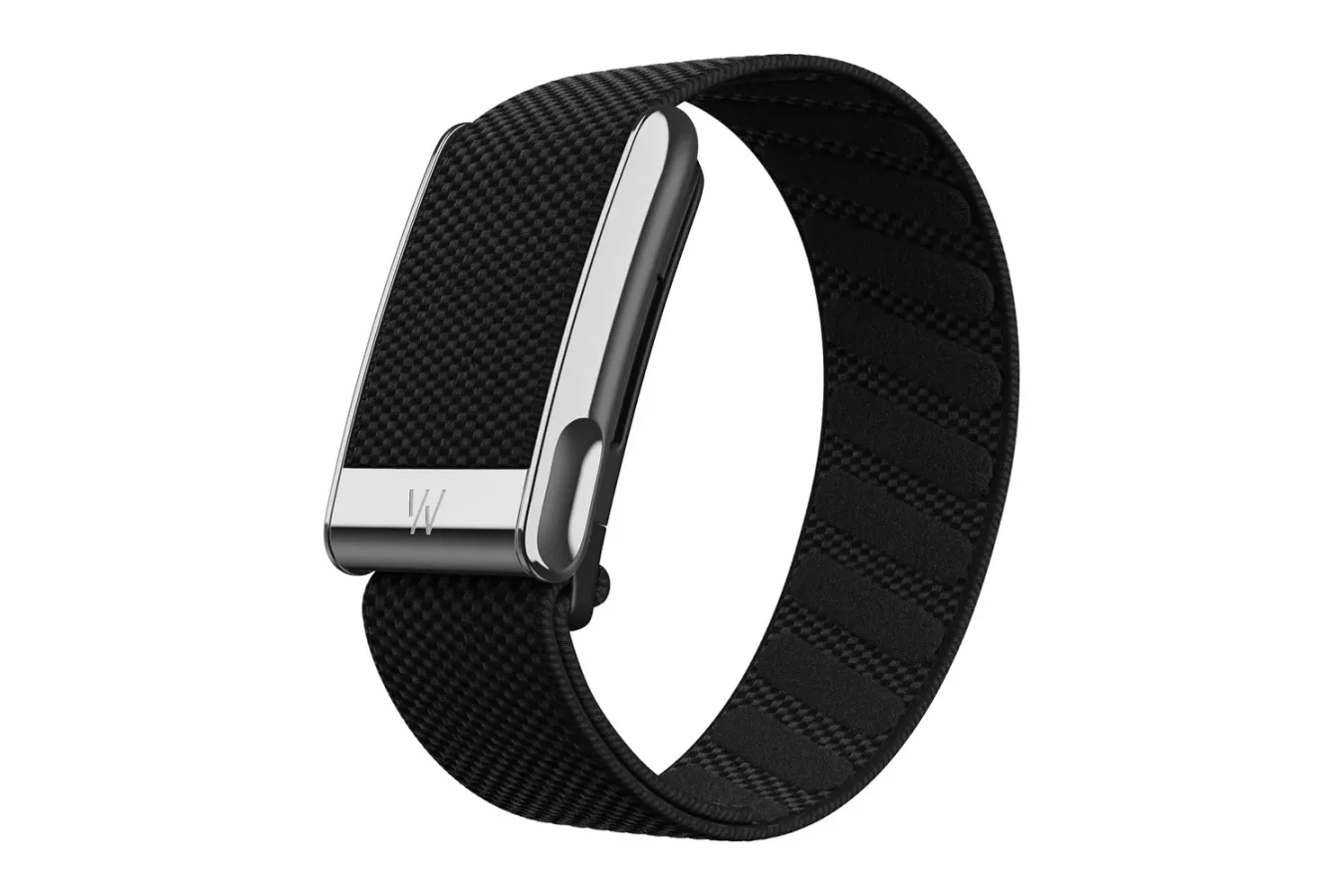
Late-night gaming has a familiar way of stretching beyond its original plan. A quick check-in after dinner becomes one more match, one more quest, or one more attempt at a difficult boss, and suddenly the clock has moved far past midnight. The next morning, players may feel the result without having a clear picture of how much rest they missed. A Black Friday offer for the Whoop MG is aimed at people who want that picture in data rather than another glowing screen competing for their attention.
Amazon is offering the 12-month Whoop Life membership package, which includes the Whoop MG wearable, for $299, down from $359. That is described as the lowest price the package has reached on Amazon. Rather than selling the band as a separate device with a required service attached afterward, this bundle covers a full year of the Life membership and includes the tracker at no additional charge.
It is not a conventional gaming accessory, and it will not improve a controller's response time or make a PC run faster. What it can do is give a player a more detailed view of the habits around a gaming routine: when sleep is being cut short, how much recovery may be needed after a run of late nights, and whether choices such as caffeine, screen time, exercise, or irregular bedtime schedules are lining up with changes in overnight metrics.
A wearable designed to stay out of the way
The defining feature of the Whoop approach is also what it leaves out. The MG has no display. There are no wrist notifications interrupting a ranked match, no incoming message previews, and no bright watch face lighting up a bedroom during the night. Data is viewed through the companion app instead of directly on the device.
For useful background on this topic, read United Video Game Workers Distributes $290,000 Hardship Fund to Laid-Off Developers.
That design has an obvious appeal for anyone already spending long stretches in front of monitors, televisions, or handheld displays. A screenless band can be worn continuously without asking for another stream of alerts to manage. The idea is less about checking numbers during play and more about reviewing patterns afterward, particularly in the morning.
Whoop organizes much of that information around a daily Recovery score. The score uses overnight measurements including heart rate variability and resting heart rate, along with other collected data, to offer an indication of how prepared the body may be for the day. For gamers, that could mean recognizing the difference between being mentally eager to queue up again and being physically under-rested after several shortened nights.
As with any consumer wellness tracker, these readings are best viewed as trends and prompts for personal awareness rather than a replacement for professional medical advice. A score cannot determine why someone feels unwell, diagnose an issue, or settle whether a person should push through fatigue. Its practical value is in making a pattern visible over days and weeks.
Sleep debt is the feature most likely to resonate with players
Sleep tracking is a central part of the service. The app breaks a night into REM, deep, and light sleep stages, but it also estimates how much sleep a wearer needed and how much sleep debt has accumulated. That can make a weekend of marathon sessions easier to quantify than simply telling oneself that bedtime drifted a little too late.
Someone who stays awake until 3 a.m. to finish a story chapter may still get through work, school, or another day of gaming, but an ongoing gap between sleep needed and sleep achieved can be harder to ignore when it is expressed in hours. The service is built around turning that kind of ongoing behavior into an understandable daily check-in.
Whoop says consistent daily wear is associated with 2.3 additional hours of sleep per week. That figure is a company claim rather than a promise that every wearer will gain the same amount of rest. Results will naturally depend on schedules, health, work, caregiving, travel, and whether someone can realistically change when they go to bed. Still, for players whose main issue is losing track of time, a visible record may be enough to encourage a more deliberate stopping point.
The app's Journal expands the tracking beyond bedtime. It supports logging more than 160 habits, including caffeine intake and late screen time, and then compares those habits with sleep and recovery data over time. A player could use it to examine whether an evening energy drink, a particularly late multiplayer session, a gym workout, or an earlier wind-down routine appears to correspond with better or worse recovery.
An AI coach within the app is intended to turn the collected information into specific suggestions. The usefulness of those suggestions will depend on the quality and consistency of the information entered, but the general pitch is straightforward: transform a large amount of wearable data into actionable observations rather than leaving users to interpret every chart alone.
What distinguishes the MG and Life membership tier
The MG model includes several features reserved for Whoop's Life tier. Among them is an on-demand ECG that can be taken from the wrist. It is designed to check for potential signs of atrial fibrillation, with results that can be shared with a doctor. That is a more serious health-focused tool than standard activity and sleep tracking, and users should follow the app's instructions and seek appropriate professional guidance for any medical concern rather than relying on a wearable alone.
The Life tier also includes Daily Blood Pressure Insights, which estimate blood-pressure ranges using overnight data. These are estimates, not a substitute for conventional blood-pressure measurement or clinical care. The package further includes Healthspan, a feature that calculates a Whoop Age and Pace of Aging from nine health metrics. For someone emerging from a month of late games, disrupted sleep, and energy drinks, those summaries may be motivating, though they should not be confused with a medical assessment of biological age.
Women's health tools are included as well, tracking cycle phases and symptoms. There is also optional integration with Natural Cycles. The broader feature set makes the MG package more than a sleep tracker, though sleep and recovery are likely to remain the most immediately relevant categories for people examining how gaming habits affect their routine.
Battery, water resistance, and app connections
Continuous use only works if a device is easy to keep on, and Whoop lists battery life at 14 days or more. Its wireless PowerPack slides onto the band, allowing the wearable to be charged without removing it. That is useful for people trying to maintain an uninterrupted record through sleep, daily activity, showers, and travel.
Both the band and PowerPack carry an IP68 rating, meaning they are intended to handle water exposure such as showers and swims. That does not matter much during a desktop session, of course, but it helps the device serve as an all-day tracker rather than something that must be taken off whenever a player steps away from a setup.
The app can connect with Apple Health, Google Health Connect, Strava, Peloton, and Withings. Those integrations make the wearable more useful for players who also train, run, cycle, or use connected fitness equipment outside of their gaming time. It is also the official recovery wearable of the NFL Players Association, an association that signals its focus on recovery tracking across demanding schedules.
Privacy and the value of the Black Friday bundle
Health and sleep data are personal, especially when a device is worn around the clock. Whoop says it does not sell personal data, encrypts data while it is being transmitted and stored, and will delete data upon request. Prospective buyers should still review the company's current privacy terms and account controls before committing to a membership, particularly if integrations with other health and fitness services are part of the plan.
The key buying consideration is that Whoop is membership-based. This Black Friday deal is not merely a reduced-price band: it is a 12-month Whoop Life membership with the MG wearable included. At $299 instead of $359, it provides a lower entry cost for people interested in the platform's most advanced consumer health features. Buyers should consider what happens after the included year and make sure the recurring service model fits their budget and interest in ongoing tracking.
For gamers, the strongest case for the Whoop MG is not that it should be another device to obsessively monitor while playing. It is nearly the opposite. Its screen-free design keeps it quiet during a session, while the app can reveal the cost of those "one more game" nights after the fact. For people who want more sleep, steadier routines, and clearer recovery context without putting another notification display on their wrist, the $299 Black Friday package makes that approach more accessible.
Community
Discussion
Start the conversation.
No comments have been posted yet.