


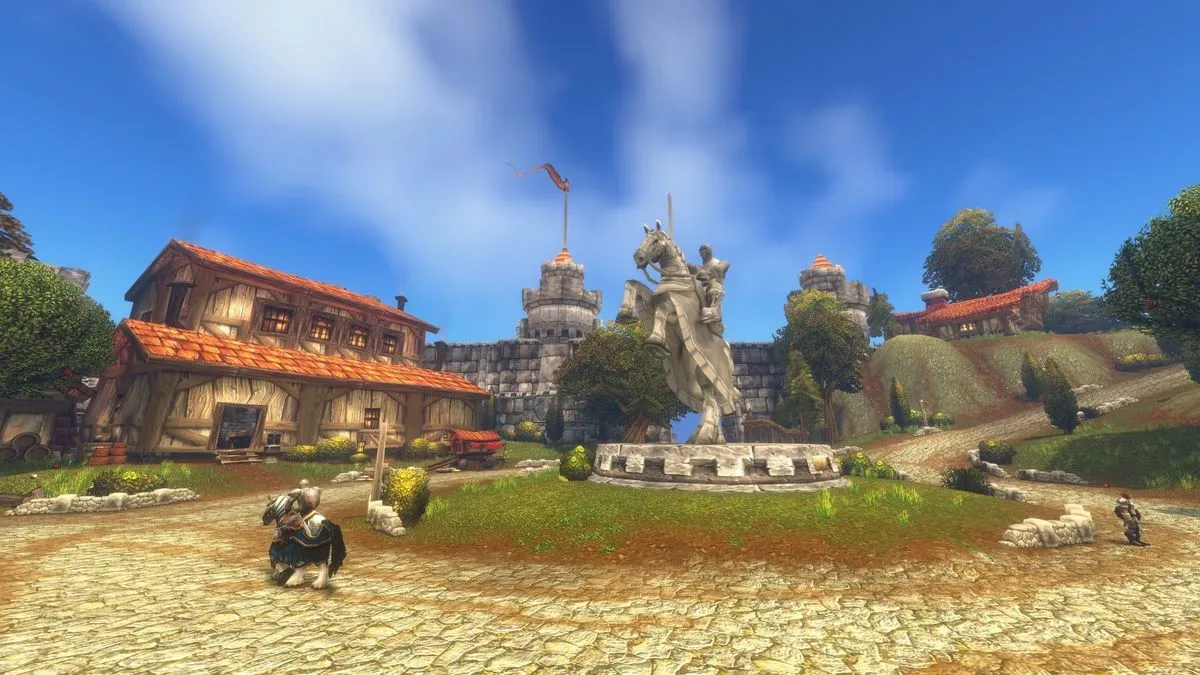
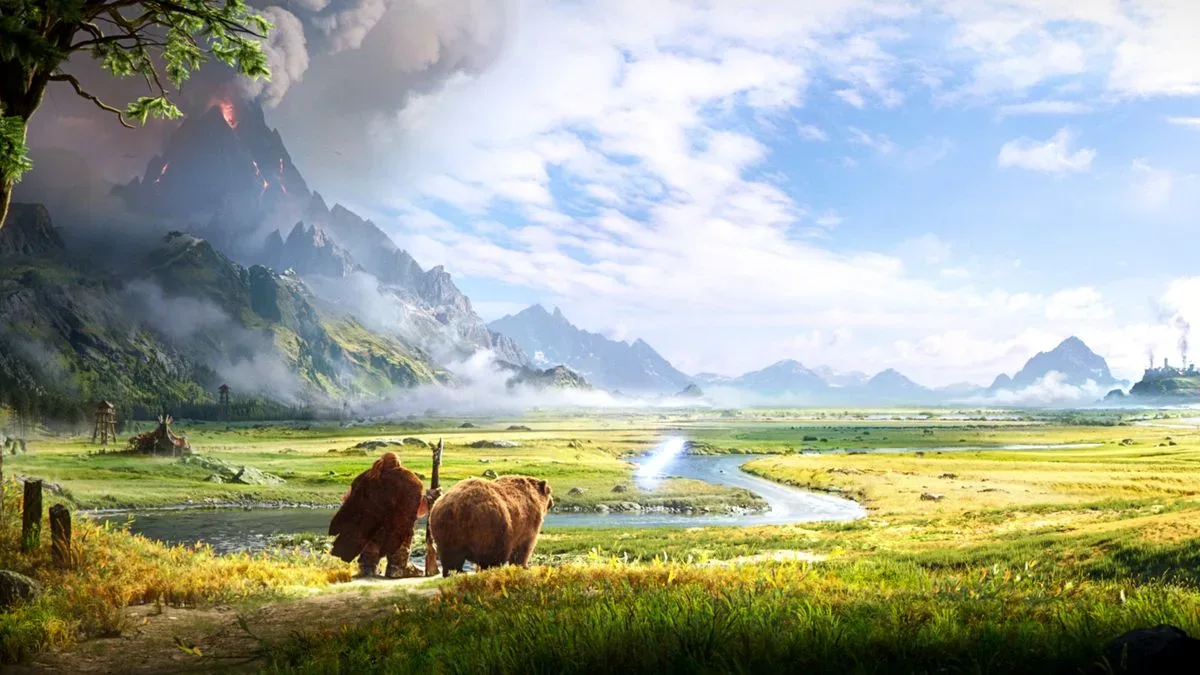
World of Warcraft: Forever is preparing to launch on November 4, presenting a particularly ambitious proposition for one of gaming's longest-running online worlds. It is not being framed as another conventional expansion, nor simply as a replay of the original game. Instead, it is designed as a separate, vanilla-inspired branch of World of Warcraft: one that begins with familiar foundations but intends to keep growing in its own direction.
That distinction is important. World of Warcraft already supports several different audiences, from players following the fast-moving modern game and its WorldSoul Saga to those exploring the evolving Classic progression realms. Forever is meant to sit alongside both. Its pitch is a persistent version of an early-Azeroth-style experience that preserves the social pace and sense of discovery associated with the game's first years while introducing new content, improved presentation, new systems, and a future that is not locked to the expansion path players already know.
The project has been in consideration for some time, following years of community interest in the broad idea often called "Classic Plus." Executive producer and World of Warcraft vice president Holly Longdale said the teams across the franchise saw a clear opportunity in that demand. The beta's response has apparently exceeded even internal expectations, with players treating the testing period much more like a live launch than a typical pre-release event.
For returning veterans, that enthusiasm is understandable. Starting again in an Azeroth built around the level-one-to-60 journey is a rare event for a mature MMO. For newer players, Forever may provide a more deliberate entry point into World of Warcraft's foundational setting without requiring them to retrace every detail of two decades of history.
For useful background on this topic, read Former BioWare Developer Alleges Mass Effect 5 Inclusion Was Curtailed During EA Buyout.
A launch shaped by a remarkably busy beta
Forever's beta grew steadily enough that Blizzard repeatedly raised server population caps and conducted a public stress test. Associate production director Clay Stone said that level of participation supplied the team with valuable information heading into launch. It also created a useful kind of pressure test: not merely whether the game worked under technical strain, but how people behaved when they believed the world was worth investing in.
A high-profile beta does not guarantee a smooth launch, and Longdale has been careful not to make that assumption. She said the team cannot fully predict what November 4 will look like in either direction. Nevertheless, the testing period has allowed Blizzard to gather data on player behavior, server demand, balance, and the progression experience before the new branch opens more widely.
Some final adjustments are still in progress. Blizzard is examining the balance of the full 1-60 leveling journey and working through feedback around changes to racial abilities and traits. Those details can matter enormously in a game where players will be making early character decisions with a long-term home in mind. Finding a compromise between a new interpretation of vanilla and the expectations players bring from the original game will be one of Forever's first major challenges.
Not Classic, not retail, but a third WoW pillar
The defining question around Forever is how it will coexist with the rest of World of Warcraft. Retail has been accelerating its release cadence through the multi-expansion WorldSoul Saga, which is expected to conclude with The Last Titan in 2027. Classic, meanwhile, has gone beyond its initial recreation period and into later historical expansions, including Cataclysm and Mists of Pandaria. Forever creates another destination at a moment when the franchise already has several.
Stone acknowledged that Blizzard does not know exactly how players will distribute themselves between these versions. Some will remain attached to the versions they already consider home, while others may shift to Forever. The studio has modeled different potential outcomes for retail, Classic, and Forever audiences, but the long-term shape of the community will ultimately be determined after launch.
Rather than treating that uncertainty as a reason to avoid the experiment, the developers describe Forever as a complementary offering. Retail is intended to continue as a contemporary, best-in-class MMO; Classic revisits older experiences; Forever is being built as a permanent-feeling home in a vanilla-inspired setting that can chart a new course over time.
That is a more substantial promise than a limited seasonal realm. The goal is not only to revisit "year one" of World of Warcraft, but to keep the spirit of that first year alive for as long as players want to continue the journey.
"Meaningful friction" is central to the design
One of the clearest ways Forever differentiates itself is its approach to convenience. Modern online games often aim to reduce downtime, streamline travel, make group formation quick, and guide players efficiently from one reward to the next. Forever is deliberately interested in some of the obstacles that contemporary design usually removes.
Stone calls this idea preserving "meaningful friction." The slower rhythm asks players to travel through the world, seek out other players for group content, and spend more time inside Azeroth rather than racing through it. The objective is not inconvenience for its own sake. It is an attempt to restore the chance encounters, shared journeys, and local knowledge that can emerge when players need one another.
Flying mounts are a useful illustration of that philosophy. Flying first arrived in World of Warcraft with The Burning Crusade, but Forever removes that shortcut from its core loop. Longdale described Azeroth itself as the main character. If players can routinely soar over its roads, ruins, caves, and quest areas, they bypass much of the world's progression and lose part of their relationship with the environment.
Forever instead wants players to investigate distant corners of the map, look behind rocks, search caves, and uncover both returning and entirely new mysteries together. That could appeal especially strongly to players who miss a version of MMORPG design where getting somewhere was part of the adventure rather than a delay before it.
New content inside familiar boundaries
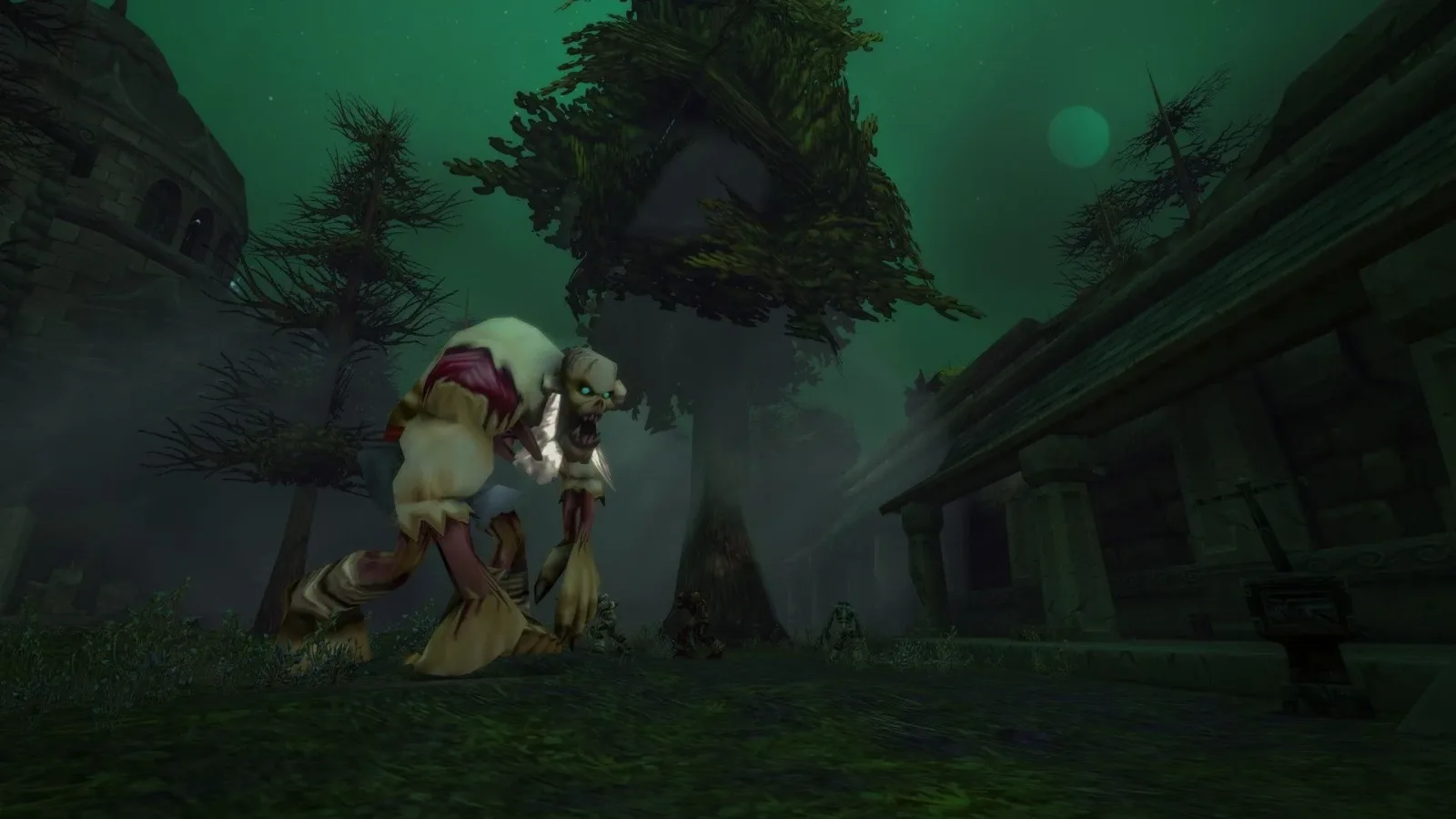
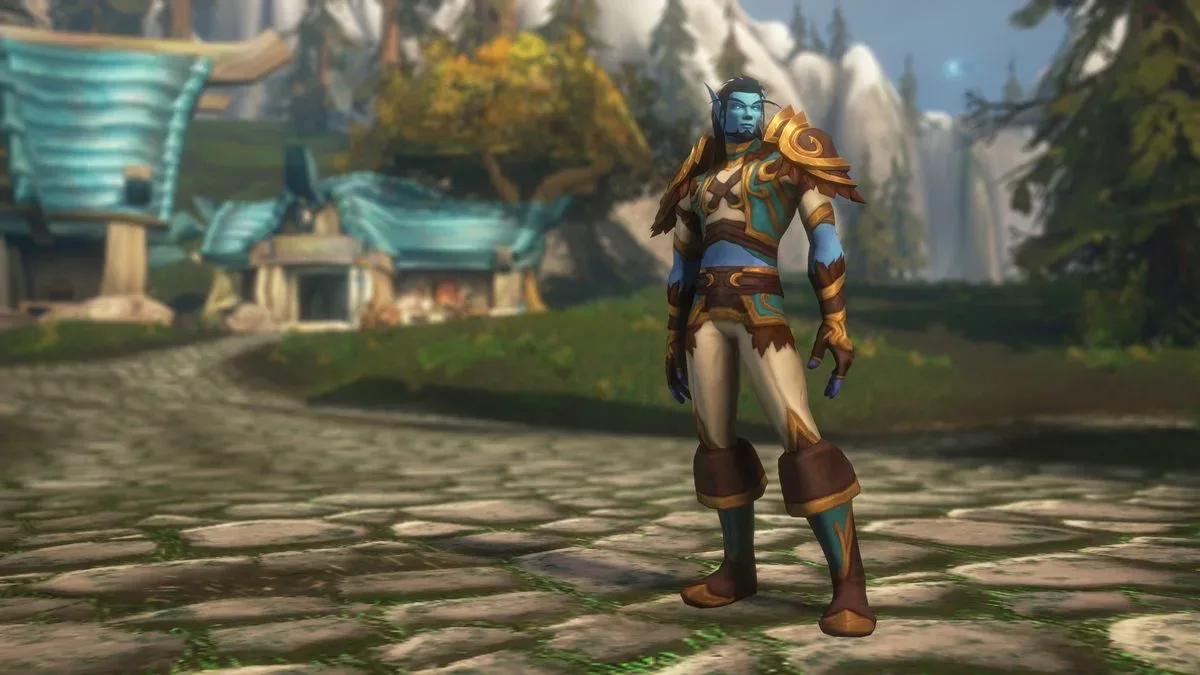
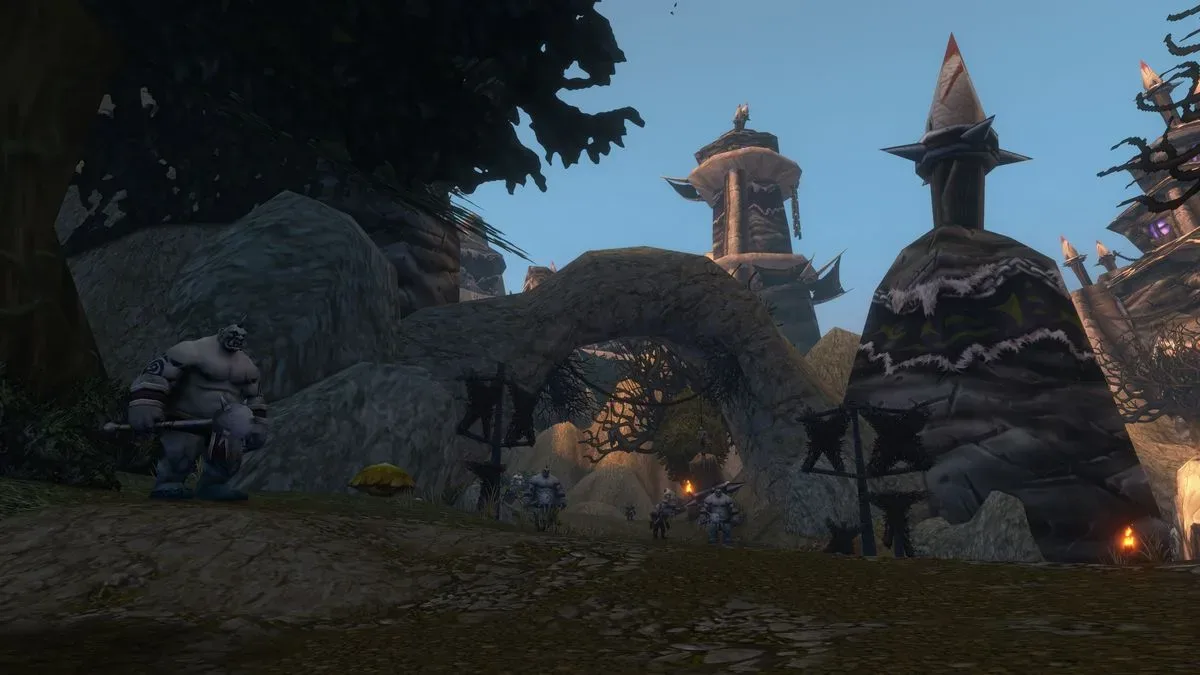
Although Forever draws heavily from the 2004-2006 era, it is not limiting itself to content that existed then. At launch, the game is set to include visual upgrades, a refined user interface, new zones, talents, systems, race and class combinations, campsites intended to foster social interaction, nine new dungeons, and two new raids. That is a sizeable package for a new WoW branch, particularly one expected to establish a fresh level-one experience for the whole population.
The future model is also notably different from the familiar expansion ladder. Forever has a fixed level cap of 60 and is pursuing horizontal progression rather than an endless climb in character levels. In practical terms, that means future additions can focus on expanding the world, offering new activities, and developing systems instead of repeatedly replacing gear and raising the cap.
Blizzard has set boundaries around what Forever is and is not. Stone said the team's current ethos is tied to the idea that players never went through the Dark Portal. That does not necessarily mean it can never happen, but it provides a structure that separates Forever from simply reenacting the historical expansion sequence.
There is still plenty of room within Azeroth itself. Stone pointed to unused and incomplete spaces from the original continents, as well as the possibility of eventually visiting other places in Azeroth beyond Kalimdor and the Eastern Kingdoms. The appeal is in exploring paths that could have existed in the old world without being obligated to follow the path World of Warcraft took before.
Controller support points beyond the desktop
Perhaps the most surprising technical addition in the beta is native controller support. World of Warcraft has traditionally been a mouse-and-keyboard game, and its dense collection of abilities, menus, and interface options makes that reputation understandable. Yet Forever's gamepad implementation has emerged as a significant part of its accessibility conversation.
Longdale said the broader objective is for people to play wherever they want and eventually on whatever device they want. The first step is making gamepads work well in World of Warcraft, with Forever serving as the place to begin that effort. She connected the work to a future in which platforms may become more ubiquitous, while stressing that the immediate focus is controller flexibility rather than announcing a console release.
That leaves important questions unanswered. Forever is launching as a PC experience, and the developers have not confirmed a dedicated console version. Still, native gamepad support has practical value now for players using handheld PCs, including devices such as the ROG Xbox Ally X. Stone also noted that enthusiasts have already pushed World of Warcraft onto unusual hardware, including a Nintendo DS modification, underscoring the longstanding desire to take Azeroth beyond a conventional desk setup.
For the moment, the most meaningful takeaway is not that World of Warcraft has a confirmed Xbox or console destination. It is that Blizzard is investing in control options that could make its massive MMO more comfortable across PC and handheld play styles.
Azeroth's newest old beginning
World of Warcraft: Forever faces a difficult but exciting balancing act. It needs to satisfy veterans who want the social texture, danger, and exploration of early Azeroth without merely repeating the past. It also needs to persuade newcomers that a slower game can be compelling in 2026. The early beta response suggests there is real appetite for that approach, but a crowded launch and long-term content plans will determine whether the spark becomes something lasting.
With new dungeons, raids, systems, a fixed level cap, a commitment to horizontal growth, and a conscious effort to make travel and cooperation matter again, Forever is much more than a nostalgia server. On November 4, it becomes Blizzard's chance to discover whether an alternate future for vanilla-style World of Warcraft can stand beside both Classic and retail--and give Azeroth another beginning.
Community
Discussion
Start the conversation.
No comments have been posted yet.