

World of Warcraft: Forever is positioning itself as a major new way to experience Azeroth when it launches on November 4. Rather than replacing either the current Retail game or World of Warcraft Classic, Forever is designed to sit alongside them as a third distinct path. Its central pitch is straightforward but ambitious: preserve the approachable, world-focused character of early WoW while incorporating selected improvements that make the game easier to navigate and more rewarding to revisit.
That balance is important because the World of Warcraft audience has spent years divided between different interpretations of the MMO. Retail has accumulated systems, expansions, and convenience features intended to keep a long-running game moving forward. Classic, meanwhile, has appealed to players who prefer the structure, pace, and social dependency of the earlier era. Forever appears intended to bridge those preferences, offering a version built around familiar zones and leveling while also introducing major new material and modernized quality-of-life choices.
Hands-on impressions from the beta suggest that the game is not merely a visual refresh or another progression ruleset. Forever includes a new playable race, a substantial batch of quests, expanded class availability, changes to server organization, and systems intended to give players reasons to engage with strangers outside the usual dungeon and raid groups. Here are the biggest reasons the new version could become an especially compelling home for both returning veterans and players curious about an older-style WoW experience.
Azeroth remains recognizable, but it is not standing still
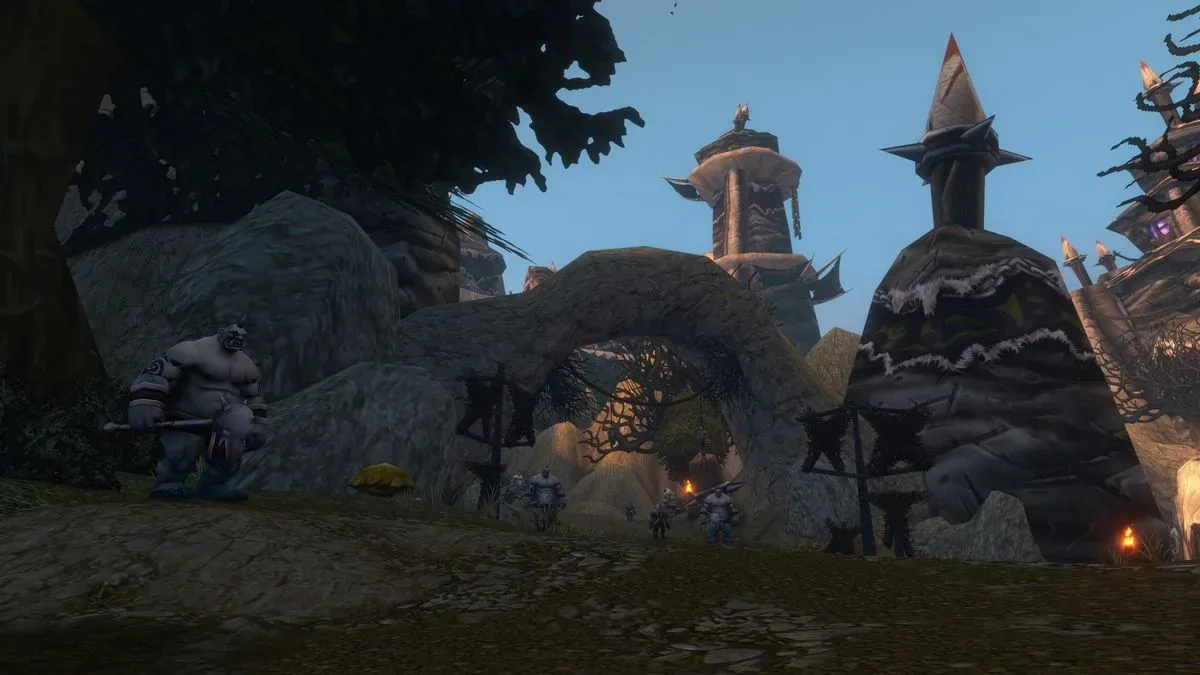
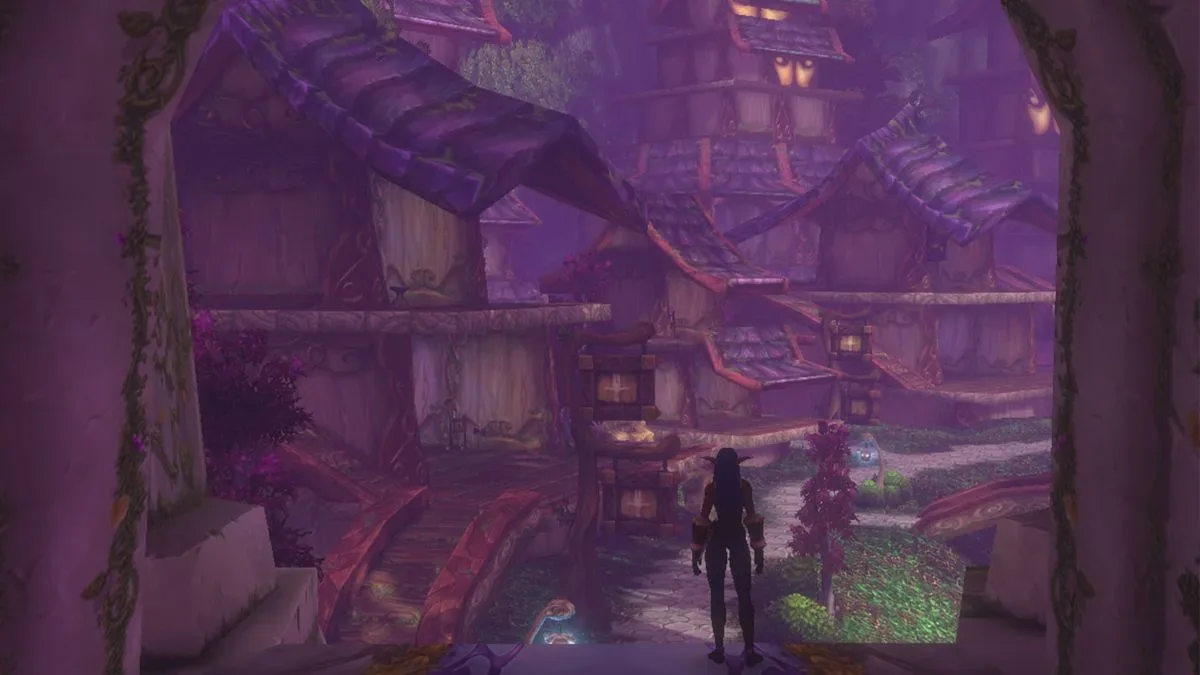
The most immediate attraction of World of Warcraft: Forever is the chance to revisit iconic places without being locked into a strictly archival version of the game. A player can still create a familiar character and start in one of the well-known early zones, following a route that has been part of World of Warcraft since its 2004 debut. For many players, simply returning to locations such as the Night Elf starting experience carries enormous nostalgic weight.
For useful background on this topic, read Fortnite Treasure Hunters Starts November 1 With Anime Pirates and a Shorter Season.
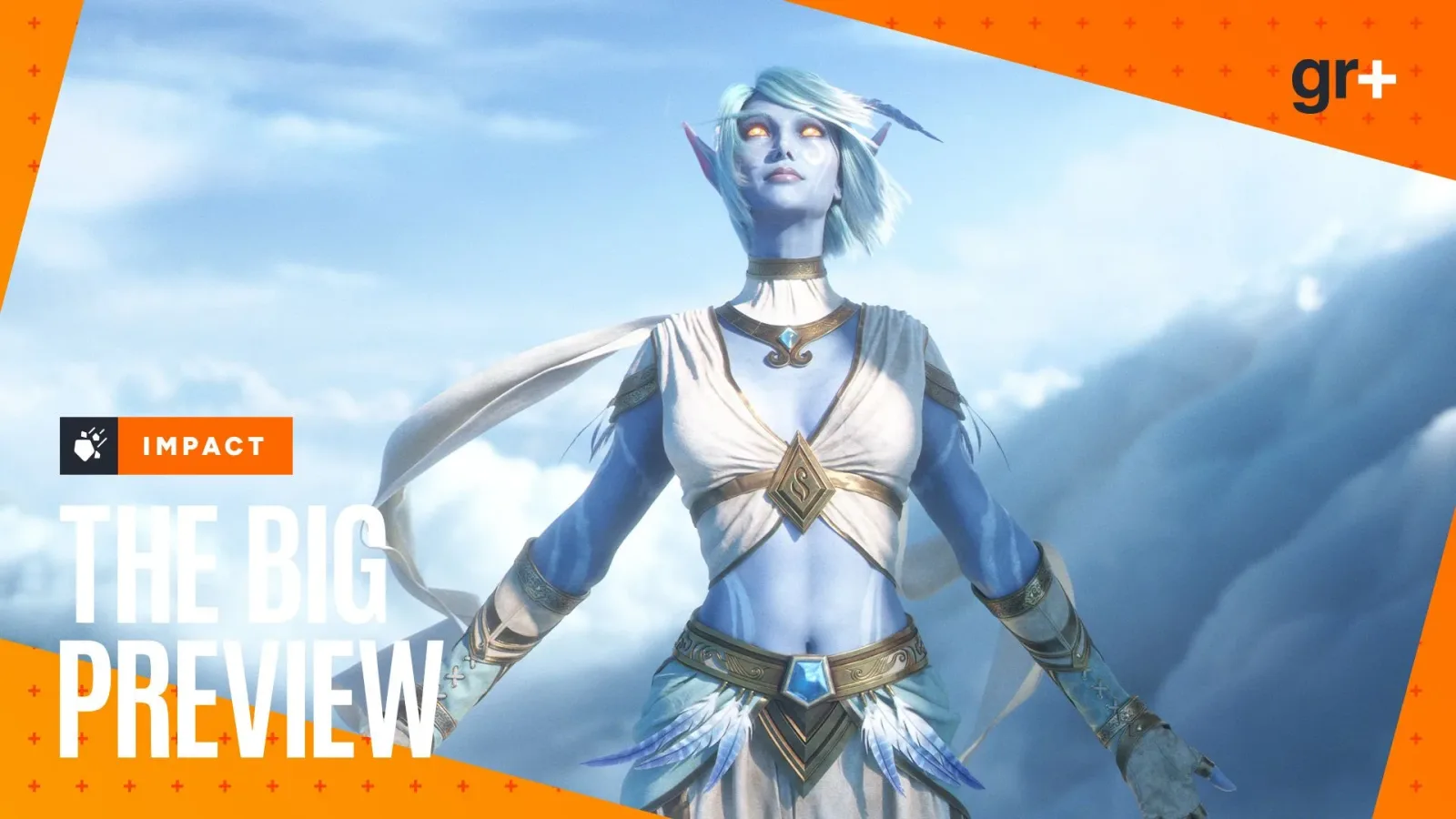
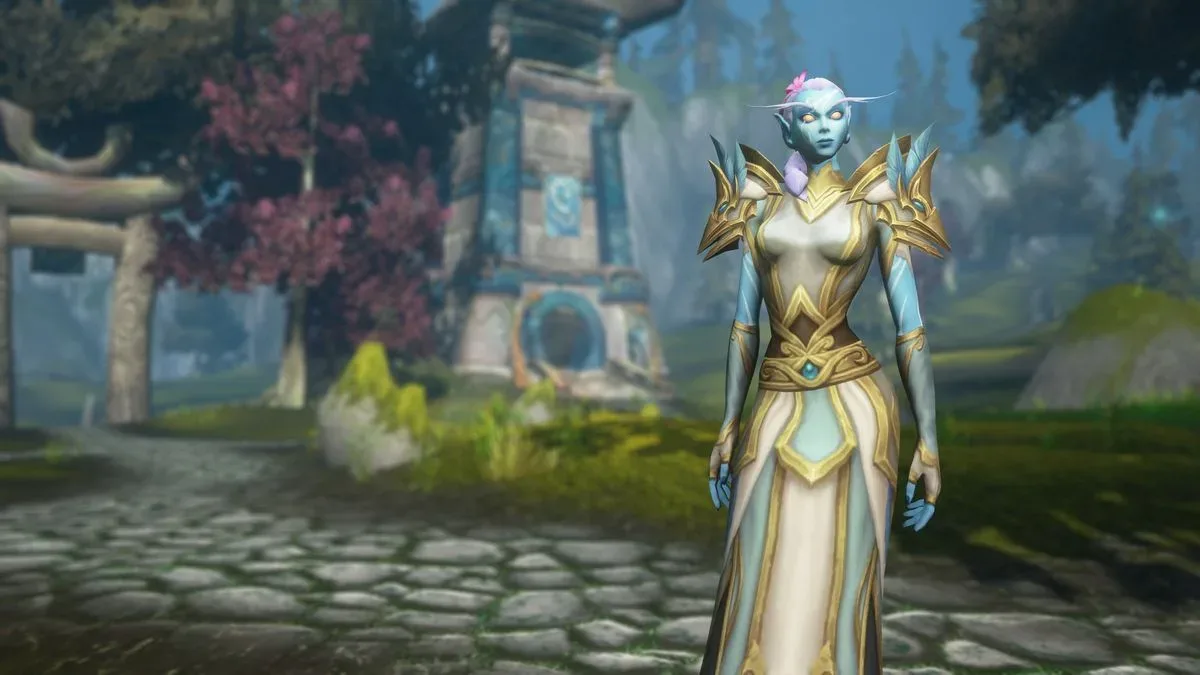
Yet Forever does not appear to treat familiarity as an excuse to avoid experimentation. The game introduces the Skyborne elves, a new race with its own starting area, Zephras Isle. That provides an option for players who want the sense of discovery normally associated with a fresh expansion, even as the larger game draws heavily on Classic-era foundations.
This two-track approach could be one of Forever's strongest qualities. Existing players can revisit their preferred faction, race, and zone progression with meaningful refinements. Newcomers, or veterans looking for something less familiar, can choose the Skyborne and begin in an entirely new environment. It is a way of serving nostalgia without making it the only reason to log in.
More than 1,000 quests aim to improve the leveling journey
World of Warcraft: Forever is set to add over 1,000 new quests. That is a substantial addition for a version of Azeroth whose leveling flow and quest density have been discussed by players for decades. Early World of Warcraft was notable for making players explore, read quest text, and travel between zones, but it also had gaps where a character could run short on suitable objectives or be unsure where to head next.
The new quest content is intended to help smooth out those rougher edges. Some quests teach or encourage trade skills, helping players engage with professions rather than treating them as optional side systems. Others are designed to guide characters toward their next region, reducing moments where progression becomes unclear. New equipment rewards can also make a tangible difference during leveling, giving players useful milestones between major upgrades.
Just as importantly, the additions can make older regions feel more complete. A well-placed quest does more than add another task to a map; it can establish a narrative link, point toward a new zone, or provide context for a system that players may otherwise overlook. If Forever successfully fills in those connections, it could offer a more coherent leveling experience while retaining the broad, travel-heavy feel that many Classic fans value.
Crafting is being given a more communal purpose
Professions have always been an essential part of World of Warcraft's economy and character identity, but Forever is aiming to make crafters feel more involved in moment-to-moment play. The game will include a significant selection of new craftable items, creating additional reasons to gather materials and invest in trade skills.
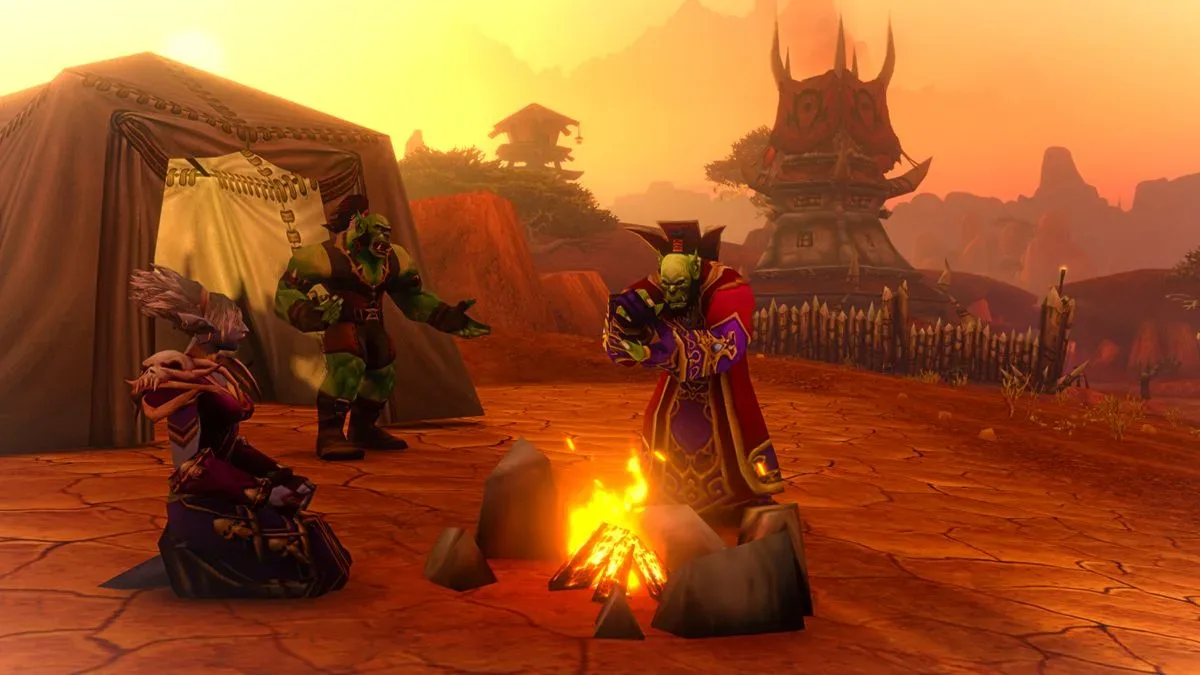
One particularly notable feature lets players place campfires that other adventurers can join. Gathering around these fires provides buffs, potentially improving character stats and making subsequent leveling more efficient. The practical bonus matters, but the social design behind it may matter more. Rather than treating every player on the road as background scenery, the campfire system gives people an excuse to pause, share space, and interact.
That may sound like a modest feature in a game known for raids, battlegrounds, and enormous guilds. However, small encounters often define an MMO's atmosphere. A useful campfire can turn a brief stop in the wilderness into an opportunity to meet another player, exchange crafting knowledge, or simply chat before continuing onward. Forever's attempt to support those quieter social moments fits closely with its broader identity.
More race and class combinations expand character choice
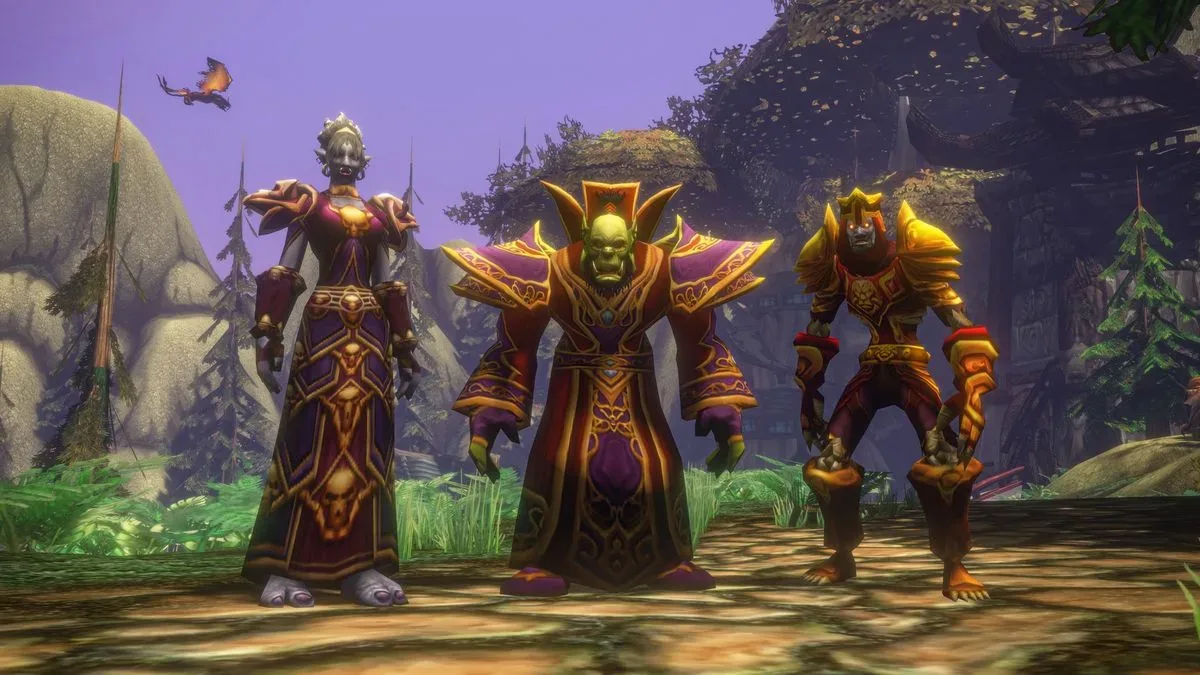
Forever is also widening the available race-class combinations. Among the newly possible choices are an Undead Paladin, Orc Mage, Human Hunter, Gnome Priest, and Dwarf Shaman. These options answer long-standing player requests and should add some welcome variety to both Alliance and Horde character rosters.
The Undead Paladin is perhaps the most striking example because it deliberately combines two pieces of Warcraft fantasy that are usually at odds. Paladins are traditionally tied to the Light, while the undead have often occupied a darker and more complicated place in the setting. Even without changing the basic gameplay role of a Paladin, that visual and thematic contrast gives the combination immediate appeal.
Expanded combinations also have practical consequences. They allow players to choose a favorite race without sacrificing access to a preferred class, make faction populations less predictable, and invite veterans to revisit classes through a different character fantasy. In a game where alts have always been a large part of the long-term appeal, more viable combinations can create many new reasons to start again.
Server selection is being made far easier to understand
Choosing a realm has historically been one of the more frustrating parts of beginning a World of Warcraft adventure with friends. Players could find themselves separated by server choice before their first quest, then face the awkward decision of abandoning a character or committing to a different group of friends.
Forever removes the traditional long list of realms and instead asks players to choose the rule set they want. The available options are Normal, PvP, and RP. This is a simple change, but it makes the decision much clearer: choose whether player-versus-player conflict or roleplaying should define the environment, rather than trying to interpret a maze of realm names and population labels.
A Hardcore option, built around permanent character death, is planned for later in Forever's lifespan. Its delayed arrival means players should not expect that mode at launch, but its inclusion reinforces the goal of supporting several different styles of WoW play under the wider Forever umbrella.
Faction choice will still carry weight. Players will continue to choose Alliance or Horde, preserving one of Azeroth's defining divides even as the server structure becomes more streamlined.
Visual improvements make old landscapes feel newly alive
World of Warcraft: Forever is not attempting to remake Azeroth into a completely different-looking MMO, but it does bring noticeable graphical improvements to familiar terrain. Lighting, fog, and water are among the areas receiving the biggest attention. Dynamic shadows that reflect the passage of day and night, as well as more convincing water effects, can do a great deal to refresh areas players have crossed countless times.
Zephras Isle is expected to benefit especially strongly from these upgrades, giving the Skyborne starting zone a suitably distinct visual identity. The broader impact, though, may be felt in old regions. World of Warcraft's art direction has always been more important than raw technical detail, and enhancing atmosphere without losing the established style could be the right route for Forever.
Forever is built to encourage conversation again
Perhaps the most meaningful design goal behind World of Warcraft: Forever is its effort to make the MMO feel social without forcing every player into constant group play. Retail WoW makes it possible to level efficiently with minimal conversation, which is convenient for solo players but can leave a massively multiplayer world feeling surprisingly isolated.
Forever still allows players to adventure alone, but its systems appear to nudge them toward cooperating more often. Campfire buffs are one example. Questing structure, a stronger focus on the open world, and a less fragmented server approach may all help make encounters with other players feel more valuable. The goal is not to make solo play impossible; it is to restore the feeling that another person encountered on the road could become useful, memorable, or both.
That community emphasis may prove to be the feature that most clearly separates Forever from other World of Warcraft options. Raids and dungeons will always be central to the game, but the enduring stories players tell often begin outside those formal activities: an impromptu party for a difficult quest, a stranger's helpful crafting service, or a conversation during a long journey across a contested zone.
A broader World of Warcraft lineup gives players more flexibility
Forever arrives at a time when World of Warcraft already offers an unusually wide range of experiences through one subscription. Retail continues as the modern mainline version, while Classic supports several approaches. Players can experience a level-60-focused Classic environment, follow the sequential expansion progression of Classic Anniversary, or take on the high-stakes permanent-death rules of Classic Hardcore.
Forever adds another clear identity to that lineup: a Classic-inspired game with fresh quests, new character options, modernized presentation, and an intentional push toward community. It will inevitably invite comparisons with the existing level-60 Classic experience, but it is also different enough to stand on its own.
For returning players, the November 4 launch could be an ideal opportunity to revisit Azeroth without feeling as though they are simply replaying the same journey. For longtime subscribers, it may offer a new reason to level another character, explore a new starting zone, and reconnect with the collaborative spirit that helped make World of Warcraft an MMO landmark in the first place.
Community
Discussion
Start the conversation.
No comments have been posted yet.