

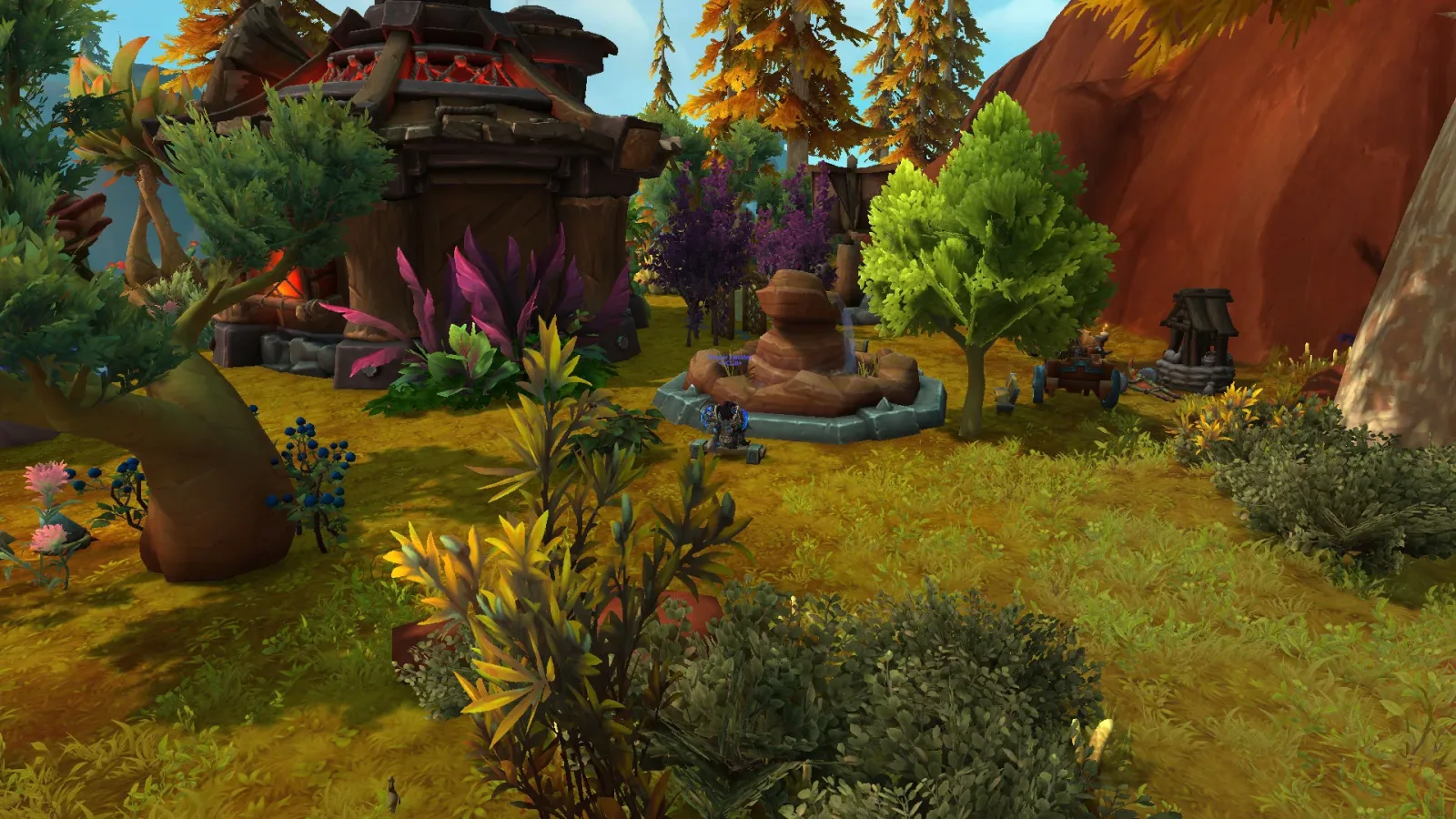
World of Warcraft: Midnight finally gives Azeroth's adventurers something they have wanted for years: a place that is truly theirs. Player housing has arrived with an impressive range of placement options, decorations, paint choices, pet features, collectible rewards, and room for personal expression. It is one of the expansion's most immediately charming additions.
Yet a strong housing editor does not automatically create a strong housing destination. For many players, the initial burst of excitement--finding furniture, arranging rooms, creating gardens, and collecting thematic trophies--can fade once the house is complete. A customized home may look wonderful, but if there is little practical or social reason to return, it risks becoming a feature players remember only when a new decoration drops.
That is the central challenge facing Midnight's housing system. Blizzard has built an excellent creative toolbox. The next question is whether it can make those houses feel like a living part of an MMO rather than a carefully separated side activity.
A remarkably flexible foundation
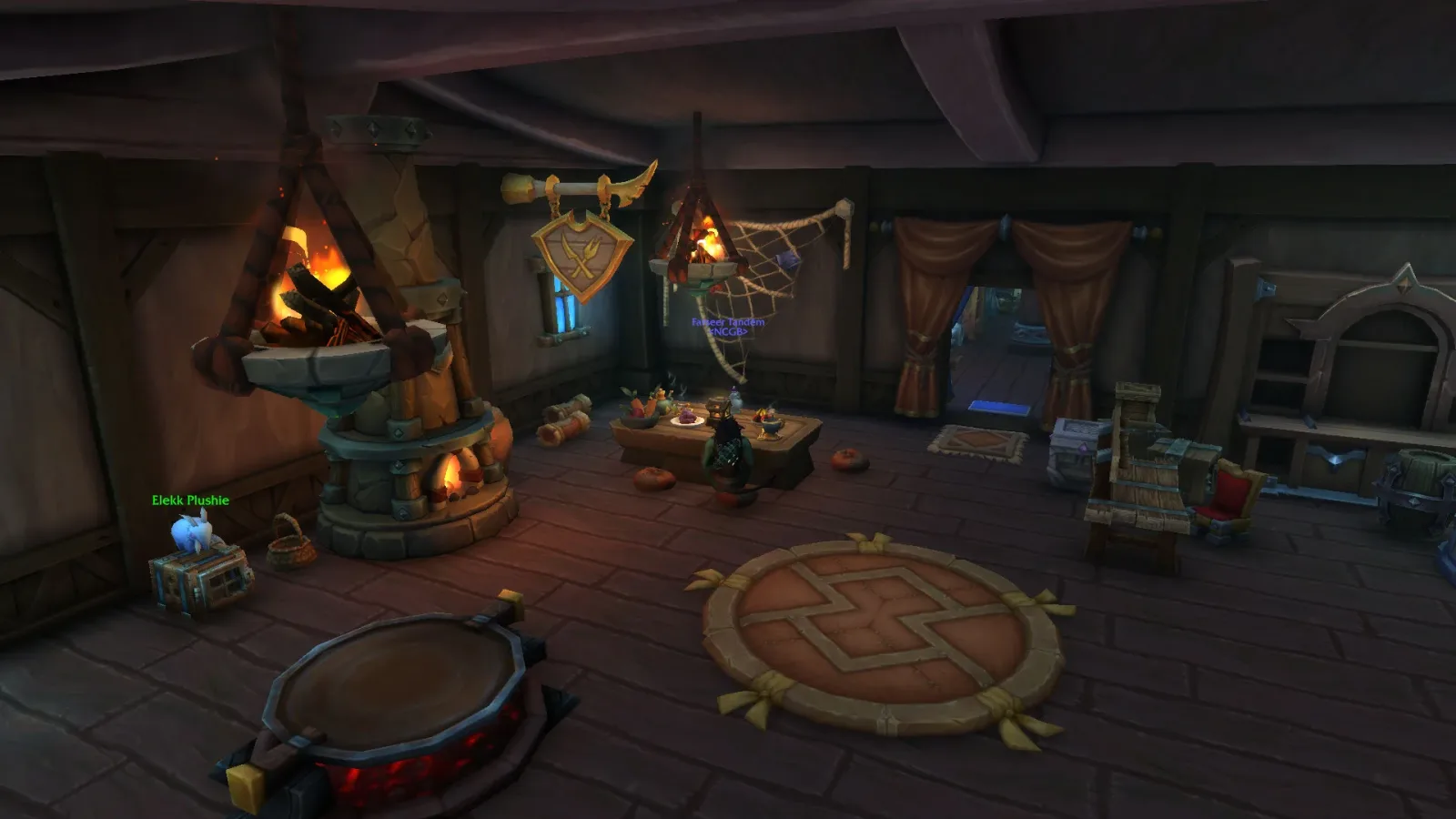
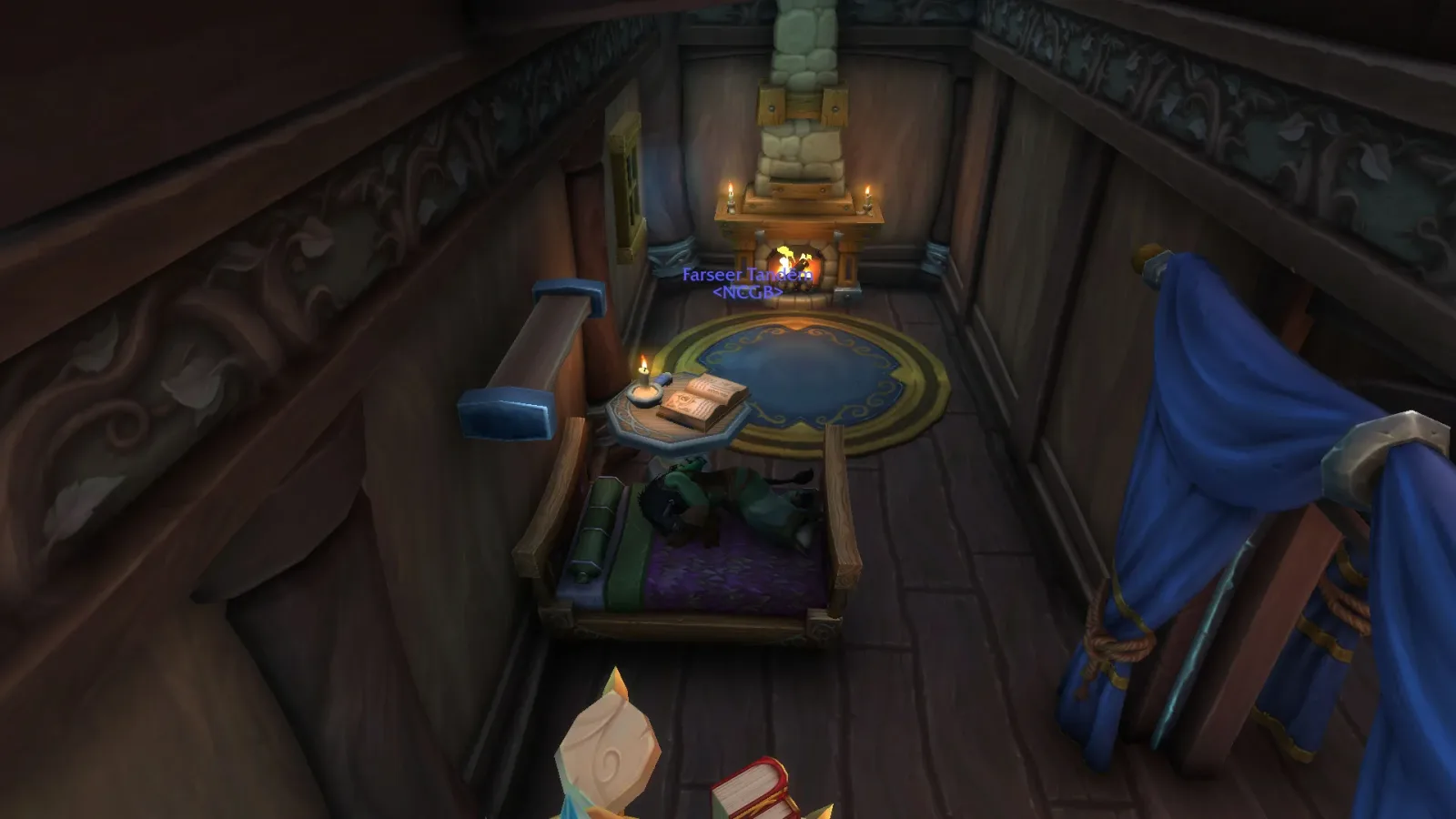
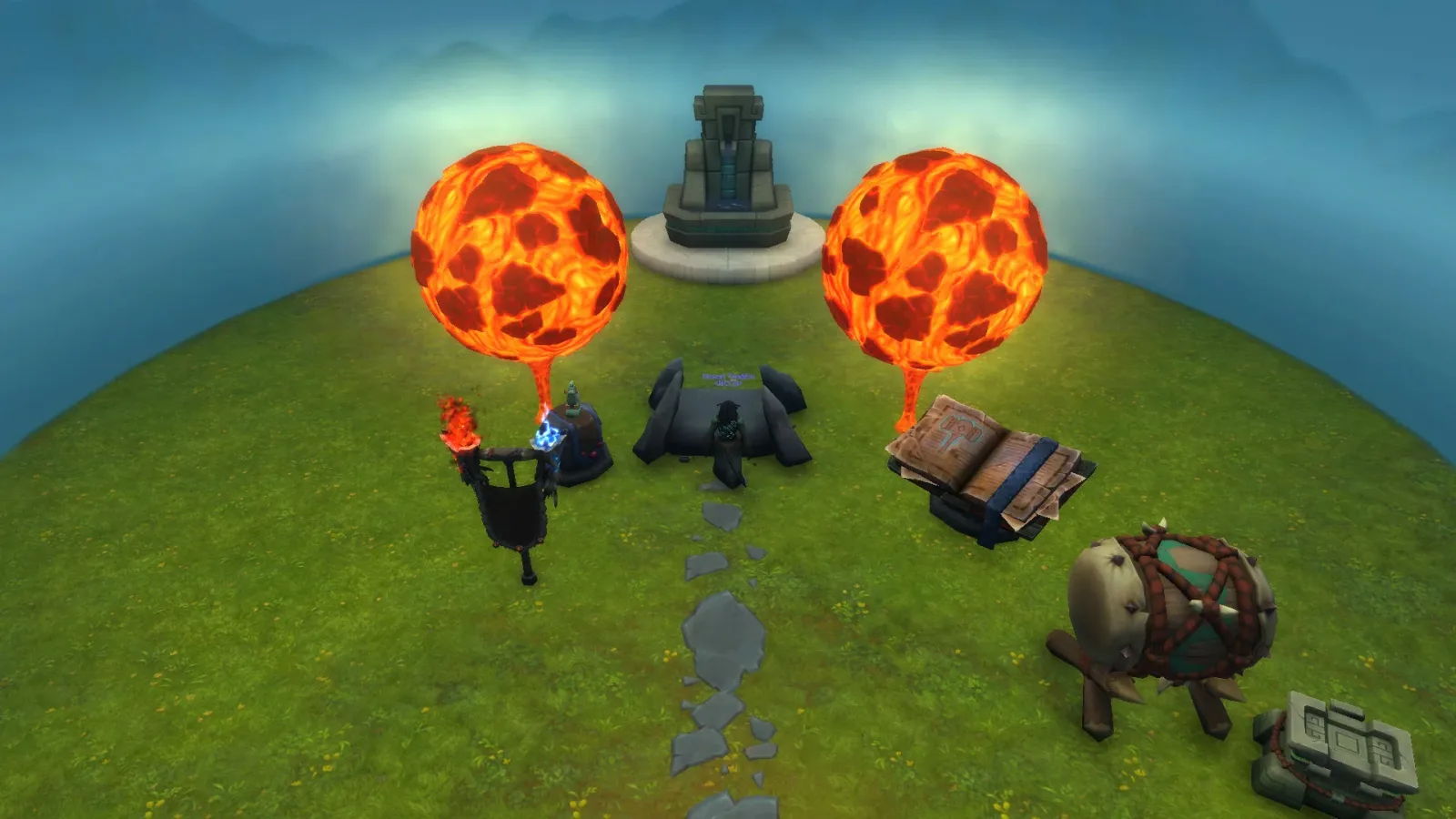
Housing succeeds at the task most likely to inspire screenshots: it lets players make spaces that feel personal. Furnishings can be positioned with substantial precision, including angle and placement adjustments that support far more than simply lining chairs against walls. Objects can be recolored in certain cases, helping a room move beyond the default look of a decor set. Pets can roam around a player's home as well, a small detail that adds a welcome sense of life.
For useful background on this topic, read World of Warcraft: Forever beta Reportedly Becomes Franchise's Biggest Yet.
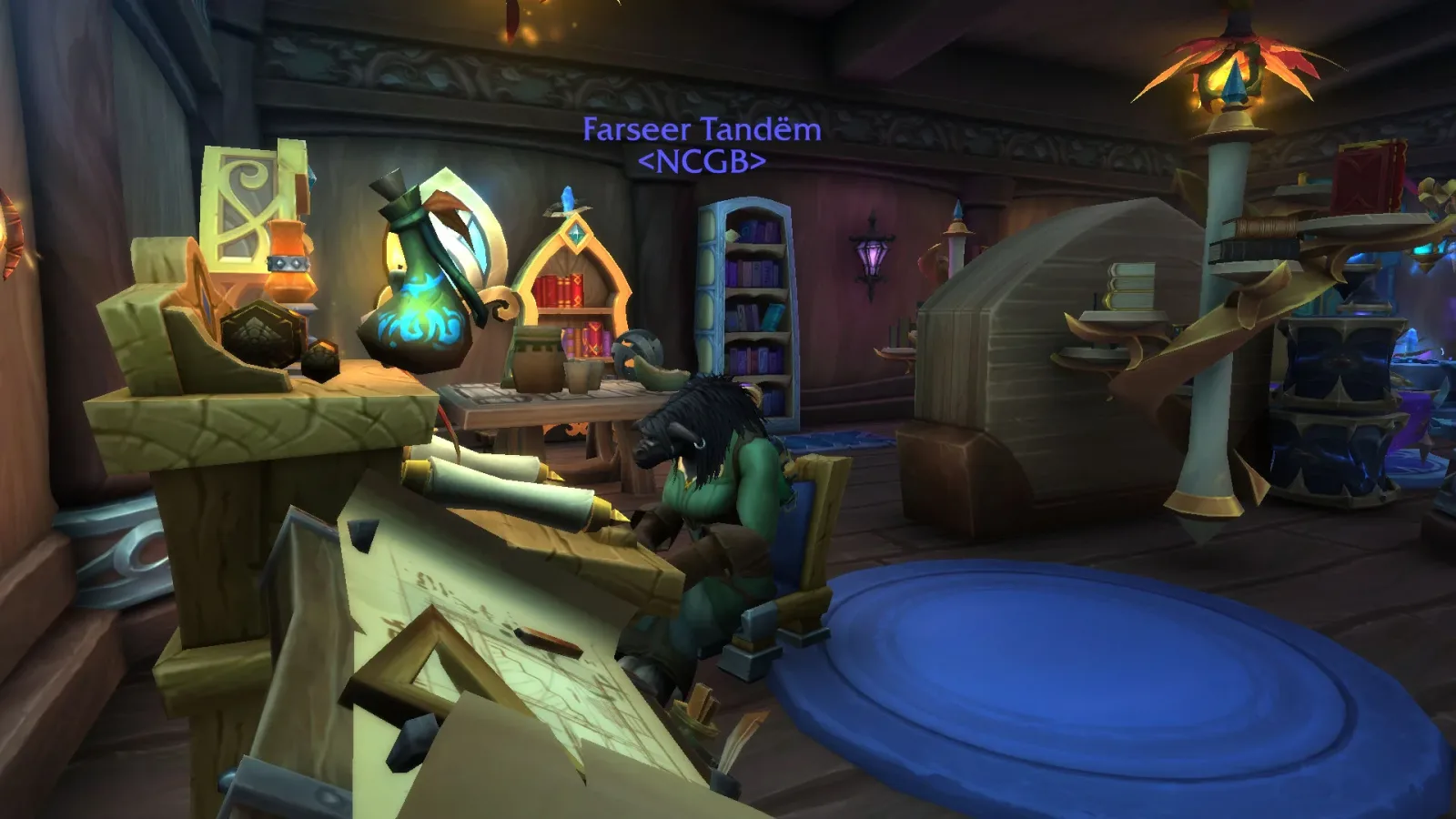
The available visual language is especially appealing for players who enjoy Warcraft's more arcane side. Spinning bookcases, luminous magical objects, cluttered scholar tables, and other fantasy furnishings can turn an ordinary interior into a wizard's study, alchemy den, ritual space, or treasure-filled library. Outside, gardens and courtyards offer the same opportunity to build a mood rather than merely fill a plot.
That flexibility has naturally produced ambitious community creations. Some decorators are constructing enormous estates, elaborate interiors, unusual airborne concepts, and homes with extraordinary attention to visual detail. But the system also works for players who are not trying to become virtual architects. A simple home built from a collection of favorite items can still carry the satisfaction of ownership. Not every house needs to be a mansion to mean something.
Blizzard is continuing to support the feature, too. New decor keeps arriving, including more than 200 items in the latest patch. Collection limits have increased, and house sizes have become larger. Items earned through ordinary gameplay can provide pleasant reminders that housing exists, whether they come from a dungeon, a delve, a quest, or participation in the WoW: Forever beta.
Those updates matter. A healthy housing feature needs a steady flow of new pieces, and Midnight appears to have that. The difficulty is that collecting a new object is often enough to prompt a brief trip home, a quick placement decision, and then an immediate return to the rest of the game.
The problem with a finished house
There is an awkward moment in any decorating game when a room feels done. In a dedicated life simulation, that is often only the beginning: players cook, craft, socialize, invite guests, complete daily routines, and continuously reshape their space. In an MMO, a home can serve an even broader purpose. It can become a guild meeting point, a downtime hub between raids, an event venue, or a neighborhood landmark.
At present, World of Warcraft housing can struggle to create that second phase. A player may walk through a completed living room, study, bedroom, courtyard, and garden, admire the work, then ask what comes next. There are few reasons to linger.
There are housing decor vendors and housing-related quest givers, but the neighborhoods do not necessarily feel busy. Guildmates may not be seen wandering nearby, and guests have little systemic reason to visit another player's home. More importantly, homes lack many of the practical conveniences that naturally pull players toward established cities, hubs, and even older expansion systems.
There is no bank to handle routine inventory management. There is no transmog service for appearance changes. There is no robust selection of everyday quest givers, no memorable ambient NPC presence, and no broad set of standard services that would make a house part of an adventurer's usual route. Even furniture that appears suited to a profession does not necessarily function that way: an alchemy table cannot be used as an alchemy table, and a kitchen pot cannot simply become a cooking station.
That distinction may sound minor, but it is fundamental. Decorative immersion is valuable, yet functional immersion is what turns a location into a habit. If players could craft at their own stations, organize at a bank, adjust their transmog, pick up a few relevant tasks, or encounter other people passing through, homes would have a role in the daily rhythm of World of Warcraft.
Neighborhoods need activity, not only architecture
The word "housing" also creates expectations beyond the individual building. Players expect neighborhoods. They imagine running into friends, seeing familiar names outside, opening their doors for a casual guild gathering, or dropping by after a dungeon. Midnight's homes can be visually expressive, but the social fabric around them currently feels thin.
That is especially noticeable in a game defined by shared spaces. World of Warcraft has always been at its best when an activity produces incidental social contact: players gathering before a raid, meeting around a vendor, forming groups near a quest area, or simply idling in a capital city. Housing should complement those communal spaces, not replace them with empty private zones.
There are plenty of possibilities that would preserve the freedom of the current system while making homes more relevant. Guild-focused visits, lightweight social activities, optional house parties, collectible visitors, repeatable neighborhood events, and reasons to open one's doors could all help. Players already bring toys, role-play ideas, and their own creativity to Azeroth. Housing needs more opportunities to make that creativity visible to others.
Practical services would also need careful balance. Fully replacing capital cities would be a mistake, since those places remain important communal anchors. But limited convenience--perhaps tied to unlocks, professions, guests, or neighborhood progression--could make a home feel useful without emptying the rest of the world.
Faction aesthetics leave some players without a natural home
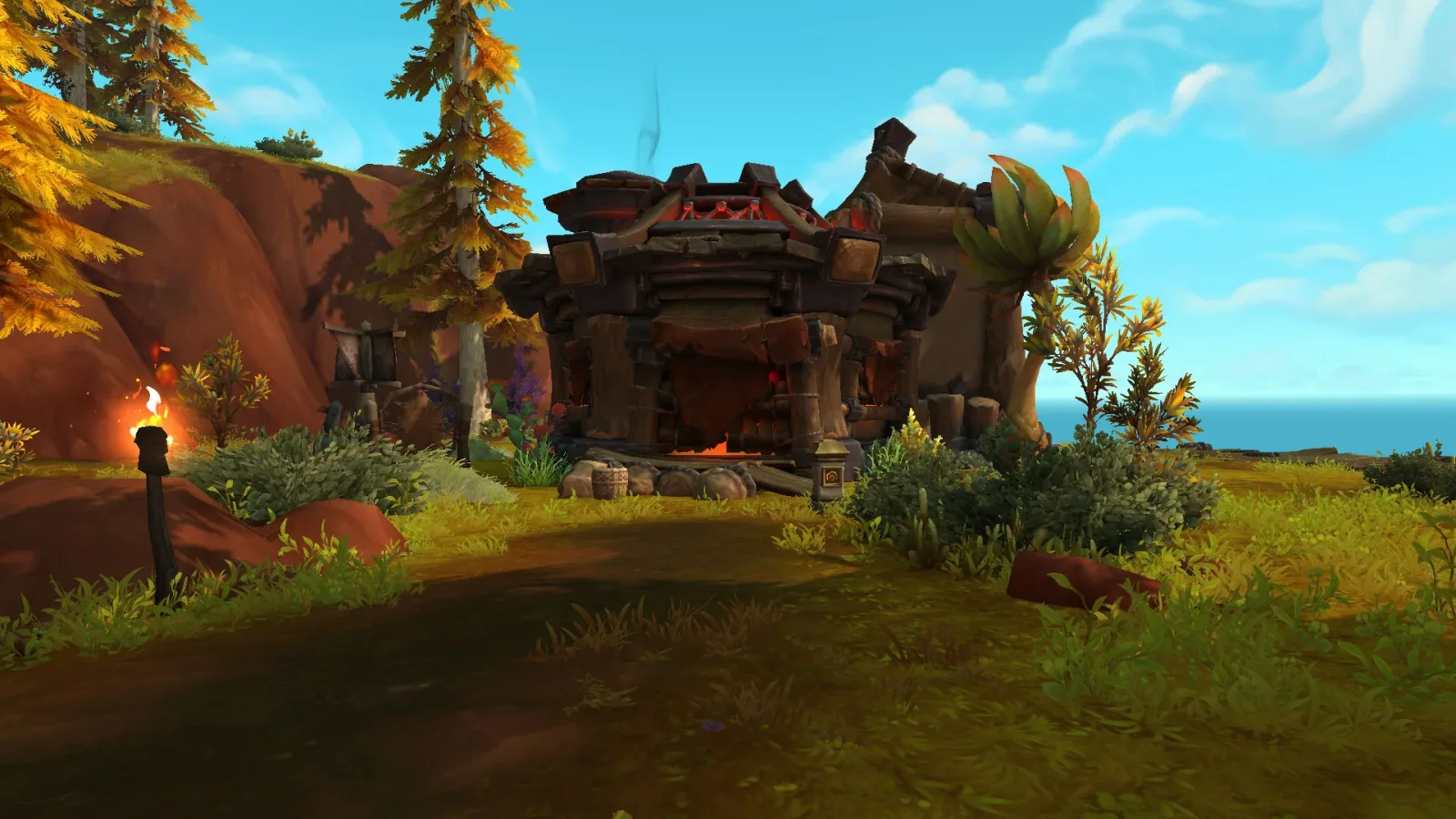
Another significant issue is the narrow starting identity of the available house styles. Horde players currently choose between orc and blood elf homes. That is an effective pairing for players who identify with those races or enjoy those architectural looks, but it can be a poor match for a tauren, troll, undead, goblin, or other character whose fantasy lies elsewhere.
The mismatch does not stop at the exterior. Basic foundational furnishings--beds, tables, chairs, doors, fencing, and similar necessities--can lean heavily toward the available themes. Exciting dungeon rewards and rare decorations may offer variety, but a player's core furniture establishes the character of the entire house. If the basic catalog does not support the desired identity, the home can feel compromised before the decorating truly begins.
For someone hoping to build a cozy magical cottage, for example, a few enchanted interior pieces may not be enough. The room still needs compatible walls, furniture, exterior details, and bulk construction elements. Buying large quantities of practical objects such as fencing can also become costly when each individual piece must be purchased.
The Alliance has its own limitations, including an inability to build an orc house. Greater cross-faction style access or a faster expansion of racial and neutral architectural sets would give more players a foundation they genuinely want to develop. Housing thrives when it supports character fantasy, and Azeroth contains far more character fantasies than two house archetypes per faction can represent.
The cash shop question
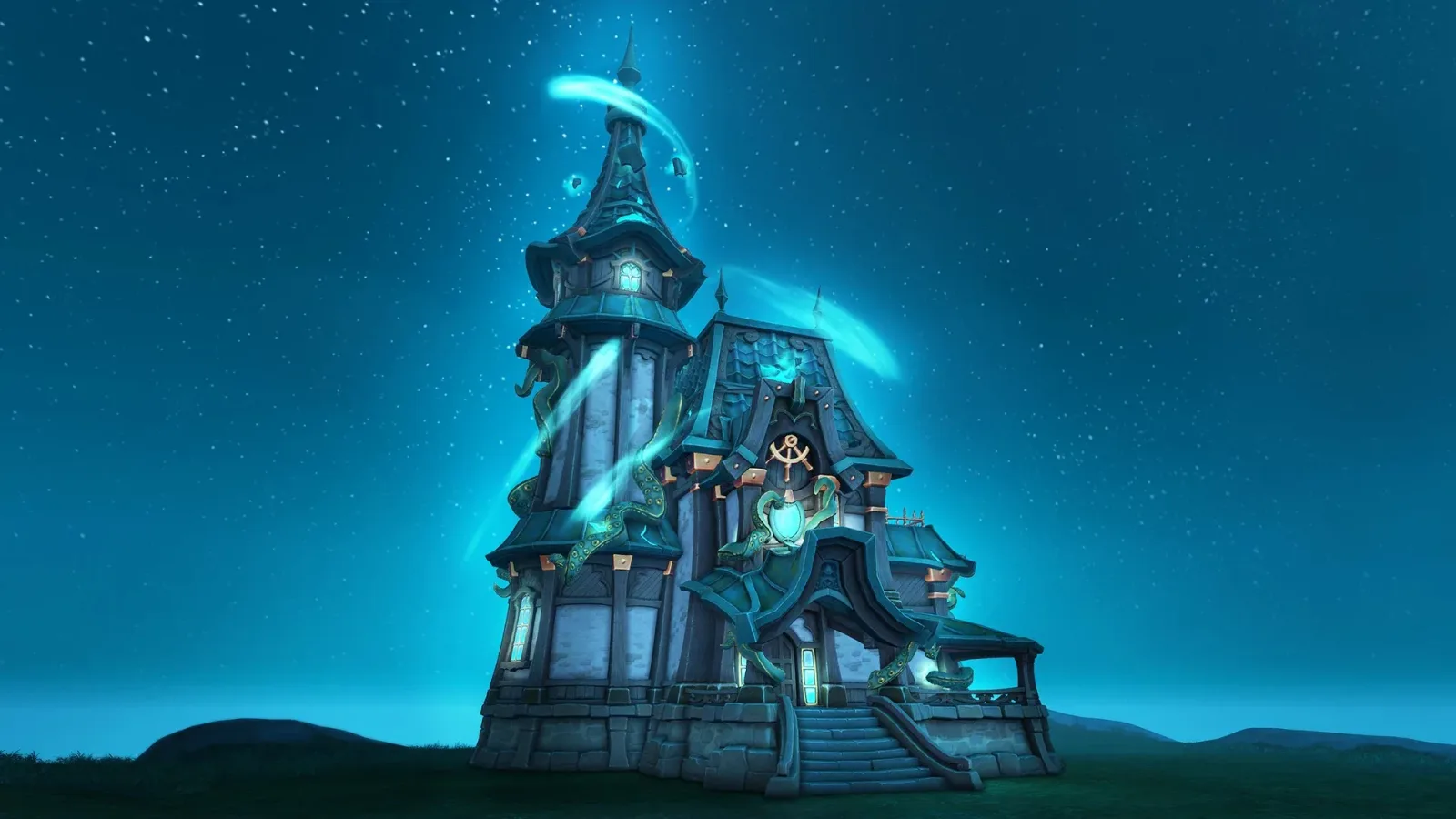
The most attractive alternatives currently sharpen this concern. The Springtime Treehouse and Grimtide Estate are among the most striking housing packages available, but they require real-money purchases through Hearthsteel. The Grimtide Estate costs $25 for the house and another $10 for its decor, while the treehouse package costs more.
There is nothing inherently wrong with optional cosmetic purchases in a long-running live-service game. Most housing decor remains obtainable through gameplay, and the ongoing addition of in-game items deserves recognition. But housing is uniquely sensitive to the perception that its best foundational looks are for sale rather than earnable.
A house exterior is not just another ornament. It defines the player's home at a glance and can determine whether the rest of a decorating plan feels coherent. When the most exciting complete themes appear to sit behind a price equivalent to multiple months of subscription time, some players will reasonably hesitate to invest further in a feature that already does not connect strongly to the game's main loop.
Midnight housing is not short on potential, polish, or talent. Its customization is among the expansion's standout accomplishments, and the pace of new decor suggests it has a future worth watching. But more furniture alone will not solve its biggest problem. Players need reasons to use their homes, reasons to invite others in, and reasons to feel that their chosen aesthetic can be achieved through adventure as well as a purchase.
For now, the system is a beautiful beginning. To become a lasting part of World of Warcraft, it needs to ensure that when players return to Azeroth after a long adventure, somebody is actually home.
Community
Discussion
Start the conversation.
No comments have been posted yet.