

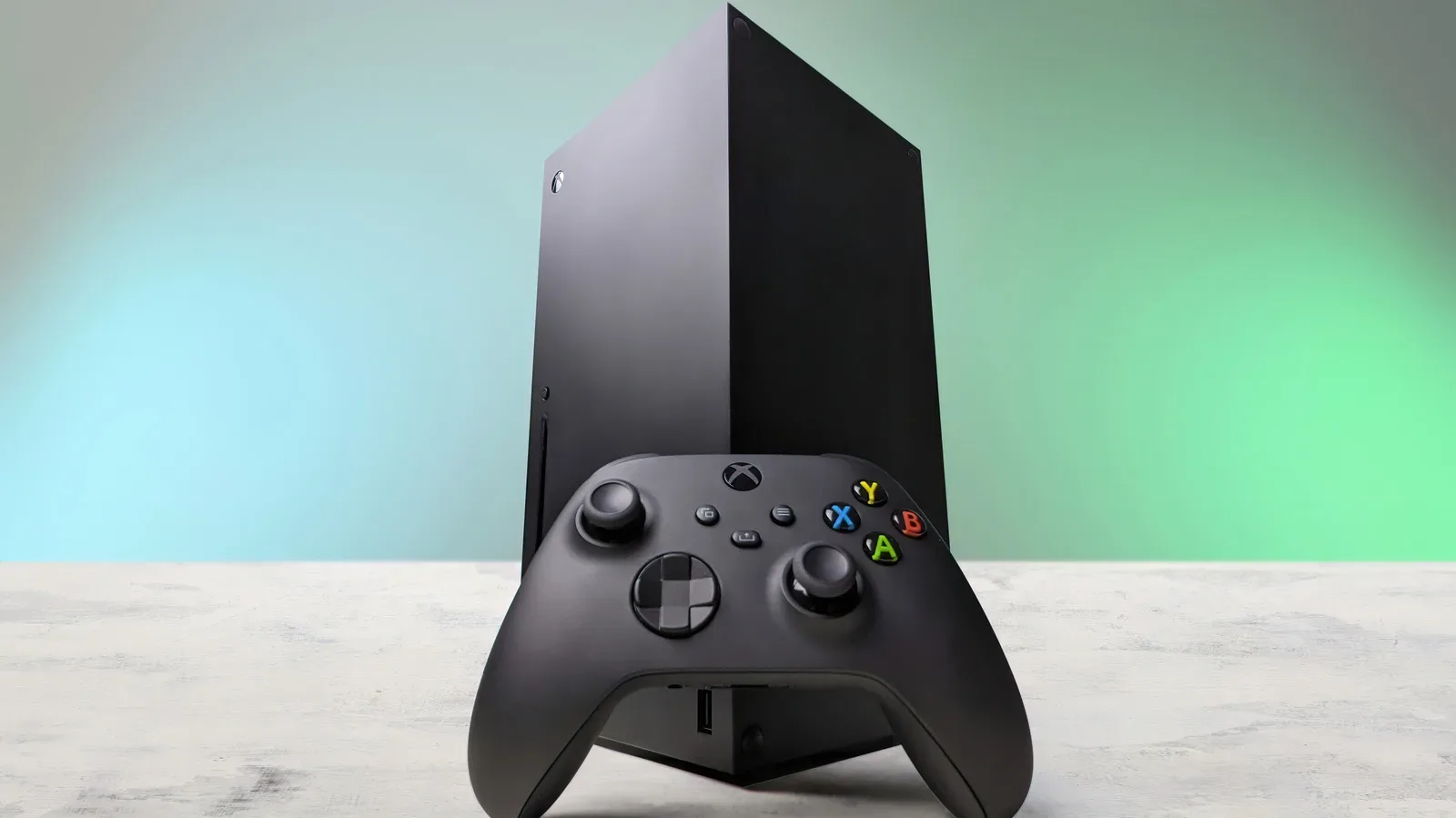
Modern console competition is usually framed around new releases, first-party studios, subscription services and the raw performance of the hardware under a television. Yet backward compatibility remains one of the clearest practical differences between the Xbox and PlayStation ecosystems. It is not merely a technical bullet point. For players with large digital libraries, shelves full of older discs, or an interest in classics that no longer command premium prices, it can shape which machine feels like the better long-term purchase.
Xbox has built a substantial advantage in that area. On current Xbox hardware, supported games can reach back through Xbox One and Xbox 360 to a selection of original Xbox titles. PlayStation 5, by contrast, was designed around compatibility with PlayStation 4 software. Earlier PlayStation generations are still represented on the platform, but usually through remasters, separate re-releases, streaming or downloadable classics tied to Sony's current storefront and subscription structure.
That gap did not happen because Sony lacks a long history worth preserving. PlayStation has one of the industry's most influential catalogs, spanning landmark games from the original PlayStation, PS2 and PS3 eras. The difference instead reflects technical and business decisions made as the companies moved from one console generation to the next. Those choices continue to affect how easily players can revisit old purchases in 2026.
Xbox made its library part of the platform pitch
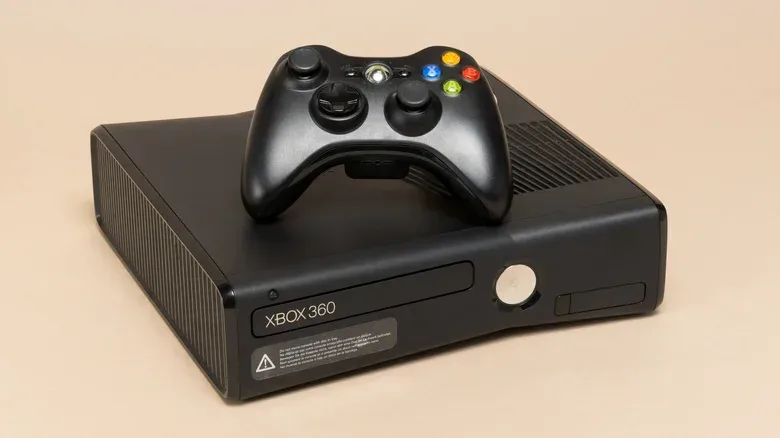
Microsoft entered the console market later than Sony, launching the first Xbox in 2001. That did not prevent the company from turning its back catalog into a meaningful asset. The current Xbox approach encompasses a large group of supported titles from the original Xbox, Xbox 360 and Xbox One, with the bulk naturally coming from the latter two systems. The combined figure is often described as nearing 4,000 playable games.
For useful background on this topic, read Former Skyrim Lead Designer Wants Elder Scrolls 6 to Solve Ladders and Mounts.
That scale matters more than a simple number on a feature list. A player who purchased compatible digital games across multiple Xbox generations can often find those titles waiting in their library on an Xbox Series X or Series S. Supported physical discs can also work on disc-equipped hardware, subject to the usual requirements for installation and licensing. In many cases, older games benefit from the newer machines as well, whether through steadier performance, faster loading, improved filtering or resolution enhancements on selected releases.
Not every Xbox game is compatible, and the program does have firm boundaries. Licensing agreements expire, publishers may no longer exist, peripheral-dependent games present special complications, and some old technical designs do not translate easily to modern systems. Microsoft also stopped adding titles to its backward compatibility program after saying it had reached the limits of what could be cleared and supported. Even so, the existing library is broad enough that it changes the value proposition of an Xbox console.
Crucially, backward compatibility is not restricted to a Game Pass membership. Game Pass can make more games available, but compatible purchases and supported discs are a separate matter. That distinction helps preserve a sense of ownership for users who built collections before the current subscription-heavy era.
PS5 support begins with PS4
Sony's present position is markedly different. When discussing PlayStation 5 compatibility ahead of the console's launch, then-Sony Interactive Entertainment chief executive Jim Ryan explained in a 2020 interview with Famitsu that the company had focused on PlayStation 4 compatibility while also prioritizing newer capabilities. Those included the PS5's SSD-based architecture and the DualSense controller's features.
In practical terms, PS5 plays the overwhelming majority of PS4 games, a benefit that should not be minimized. The PS4 was a hugely successful machine with an enormous software library, and that support makes upgrading relatively painless for many players. A PS5 owner can bring forward a large existing collection while also accessing current releases, often with performance or visual improvements.
But the compatibility chain generally stops there. Insert a PlayStation, PS2 or PS3 disc into a PS5 and the system does not provide a universal native path to play it. That means the ability to revisit those earlier generations depends on whether a game was remastered for newer hardware, separately sold as a classic release, included in a catalog offering, or still available on older devices.
This is especially frustrating for players who view a console account as a library accumulated over decades. A game bought in one generation does not automatically remain usable in the next simply because it is associated with the same PlayStation Network identity. Sony has offered some cross-buy arrangements and upgrades over the years, but those are title-specific programs rather than a system-wide answer to legacy access.
Classics are available, but under a different model
The absence of broad native compatibility does not mean pre-PS4 software has vanished from PS5. Sony's PlayStation Plus Classics Catalog provides access to a rotating or curated group of older games, and individual classic titles can also be offered for purchase. There are PS4 versions of older games as well, including remasters and remakes that can run on PS5.
Still, this is a more selective model than putting an existing older disc into a newer console. Access to the Classics Catalog requires PlayStation Plus Premium, priced at $20 per month or $160 per year. Buying individual classics can be an alternative, but it asks players to purchase software again even when they may still own an original disc or a previous digital version.
That structure makes preservation and convenience feel like premium services rather than inherent properties of the platform. It also creates gaps that remasters cannot always fill. A remake may be an excellent new interpretation of an older game, but it is not necessarily the same release, with the same mechanics, presentation, soundtrack, extras or historical context. Plenty of titles never receive either treatment.
For cost-conscious players, older games can be one of gaming's best value propositions. New major releases commonly arrive at $60 to $80, while celebrated games from prior generations can be found at much lower prices on used markets or digital PC storefronts. Being able to use those games on current hardware gives a console a longer and more flexible life.
PC shows why a durable library matters
The appeal of older games is one reason PC gaming remains so resilient despite the potentially high cost of a capable computer. A gaming PC can cost far more than a console, but PC storefronts such as Steam and GOG have long made it possible to acquire acclaimed older games for relatively little money. Compatibility is not flawless on PC, and older software sometimes needs patches, community fixes or configuration work. Yet the broad expectation is that a purchased library can travel to the next machine.
Microsoft benefits from being deeply embedded in that PC ecosystem. Some supported Xbox games are playable on Windows as well, extending their usefulness beyond the living room. Sony has brought a number of major PlayStation releases to PC in recent years, but its recent strategy has appeared more restrained when it comes to new ports. In any case, that initiative has not produced a sweeping official route for PS1, PS2 or PS3 libraries to follow users onto PC.
Unofficial emulation demonstrates that older PlayStation games can run on modern computer hardware, but that does not solve the issue for a commercial console platform. An official product has to meet much higher standards for accuracy, performance, features, legal clearance and customer support. Visual bugs, missing functions and inconsistent behavior may be acceptable tradeoffs in hobbyist projects; they are far less acceptable in a retail ecosystem.
The next generation could preserve the status quo
There is encouraging news for players on both sides: future Xbox and PlayStation systems are widely expected to retain the compatibility foundations of Xbox Series hardware and PS5. No formal launch timing or final product names have been established, but the direction makes technical and economic sense. Consoles have become more PC-like over time, relying less on wholly exotic proprietary designs and more on semi-custom components from companies such as AMD.
The PS5 itself uses AMD Zen 2-based technology alongside a custom GPU. That kind of continuity can make it easier to carry forward a current generation's software library. It may also reduce the cost and risk of designing a completely incompatible platform, even if specialized hardware once offered certain optimization advantages.
What remains uncertain is whether Sony will go further and restore broad support for software released before PS4. The company has not announced such a plan. A future PlayStation could continue emphasizing selected classics, remakes and subscription access, or it could make a larger compatibility push. The latter would require technical work as well as rights negotiations, testing and a willingness to support games built for several very different architectures.
Value may matter more than ever
Backward compatibility could become more important as console hardware grows more expensive. Rising memory and storage costs may put pressure on the price of future systems, potentially narrowing the traditional price advantage consoles have held over gaming PCs. If a next-generation machine asks buyers to pay closer to PC-level money, its ability to unlock years of existing purchases becomes a much stronger selling point.
That is where Xbox's current strategy remains persuasive. Microsoft has not solved game preservation completely, and no platform has. But it has made a sizable portion of its history accessible without making a subscription the sole gateway. Sony's PS5 is exceptionally strong at carrying forward the PS4 era, but its treatment of the generations before it is fragmented and often paywalled or release-dependent.
For players deciding between ecosystems, the newest exclusive will always matter. So will price, friends lists, controller preferences and the games available today. But a console is also an investment in what a player has already bought. On that measure, Xbox's deeper backward compatibility remains one of its most tangible advantages.
Community
Discussion
Start the conversation.
No comments have been posted yet.