

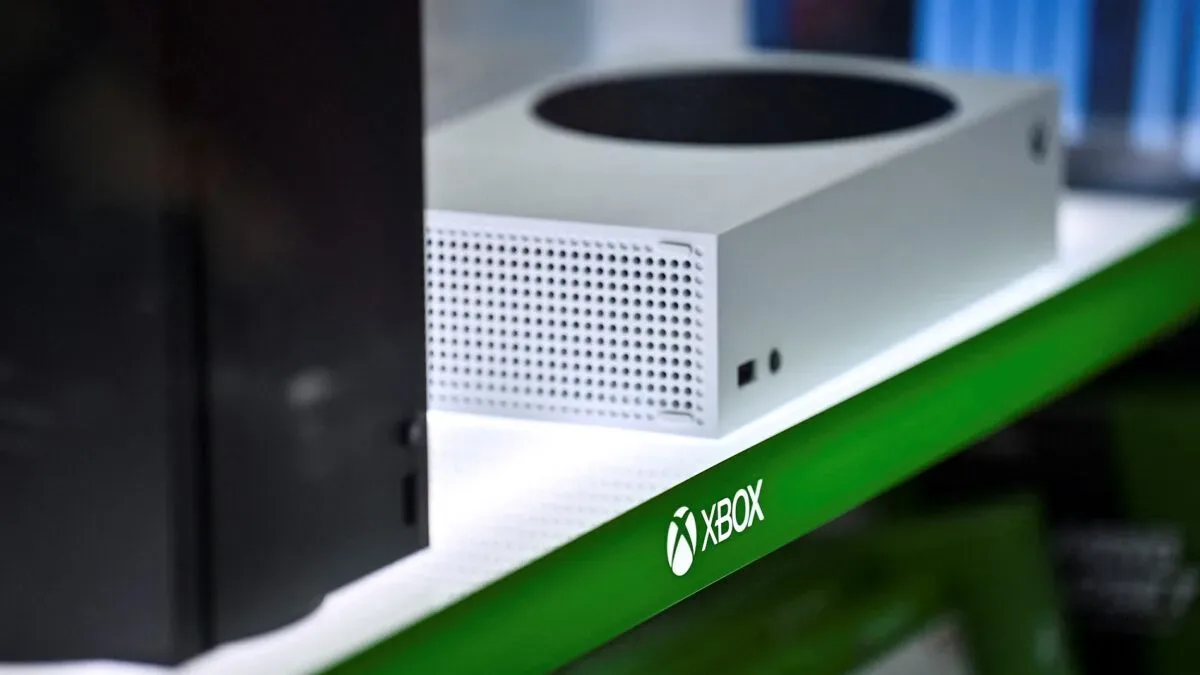
Microsoft says it is still struggling to put enough Xbox Series X and Series S consoles into players' hands, an unusual challenge six years into the current console cycle and one that arrives as Xbox hardware sales continue to decline. Xbox CEO Asha Sharma addressed the situation following the company's latest earnings call, saying that demand for consoles remains higher than the number of systems currently available.
The company is looking to its expanded refurbishment program as one way to improve availability going into the 2026 holiday season. That timing could prove especially important for Xbox, with Grand Theft Auto 6 expected to become one of the biggest entertainment releases in years. A major multiplatform launch can drive hardware purchases from players who have delayed upgrading, are entering a console ecosystem for the first time, or simply want access to a version of a game on their preferred platform.
Sharma said in a post on X that Xbox console sales are limited by supply, adding that there is more demand than available hardware. She also said Microsoft is working to get additional consoles into customers' hands through the broader refurbishment initiative, while acknowledging there is still substantial work to do.
Embedded X/Twitter post
Refurbished Xbox consoles become part of the supply plan
Refurbishment is an increasingly notable part of Microsoft's response. Rather than relying entirely on newly manufactured Xbox Series X/S hardware, the company can bring pre-owned systems back into circulation after inspection, repair, cleaning, and testing. The approach may not solve every availability problem, particularly in regions where retail distribution and official servicing are limited, but it offers a route to expand the pool of usable consoles without requiring the same amount of new component supply.
For useful background on this topic, read November 2026 game releases: 5 Big Games to Watch.
Microsoft has also encouraged some inactive Xbox owners to consider trading in machines that are no longer being used. Messages sent to certain players who had not turned on their console for an extended period promoted trade-in options at retailers including Best Buy. With Xbox console prices having risen repeatedly during this generation, trade-in value may be more meaningful for some owners than it would have been under more typical market conditions.
There is a straightforward business case for the effort even if Microsoft does not receive the same direct revenue from a used-console transaction that it would from a new sale. An Xbox that returns to active use can generate spending through games, downloadable content, subscriptions, accessories, and other purchases tied to the platform. In the case of a release with the anticipated scale of Grand Theft Auto 6, putting more capable consoles into active players' hands could be valuable well beyond the initial hardware transaction.
Refurbished devices can also give consumers another route into the Xbox ecosystem at a time when the cost of console hardware has become a more prominent issue. That does not necessarily mean every refurbished unit will be inexpensive, and pricing has not been detailed here. Still, a dependable used or renewed option can matter to players who want current-generation access but are reluctant to pay the full cost of a new system.
Questions remain over what "supply constrained" means
The claim that demand is outstripping console supply will likely prompt questions in markets where Xbox Series X and Series S systems are regularly visible online. In the United States, for example, consumers can often find Xbox hardware listed as available through Microsoft's own storefront and major retailers. Someone determined to buy a console can generally place an order without facing the kind of prolonged shortages that defined parts of the PlayStation 5 and Xbox Series launch period.
But global availability is not the same thing as the stock picture in one country or at one major online retailer. Xbox operates across a wide collection of markets with different retail partners, logistics networks, pricing conditions, service arrangements, and levels of official support. A system being easy to order in the United States does not mean it is equally accessible everywhere else.
In some territories, physical retail shelves may have little or no stock even when online channels can fulfill an order. In others, Microsoft's presence has been reduced or local support may be more limited. Those regional differences matter because Xbox's overall hardware position depends on its ability to serve players worldwide, not merely to maintain inventory in its strongest or most visible markets.
The wording also leaves room for several interpretations. Supply constraints could concern particular models, individual regions, color or storage configurations, retailer allocations, or the company's ability to meet its own demand projections at a desired price. It does not automatically mean that every prospective buyer is currently unable to find any Xbox console. The exact scale and geographic distribution of the constraint have not been publicly detailed.
Memory pressure is a growing hardware concern
One major pressure point facing the broader technology business is an AI-driven squeeze on RAM supply. Demand for memory used in data centers and AI infrastructure can affect the component landscape for consumer devices as well, increasing costs or making procurement more complicated. The supply shock is expected to worsen heading into 2027 and could continue beyond that.
For a console manufacturer, component pressures are especially difficult because hardware is typically designed around long production plans, strict performance targets, and carefully negotiated pricing. A console cannot simply swap to any available part without engineering, validation, manufacturing, and software considerations. When essential components become scarcer or more expensive, companies must decide whether to absorb the cost, reduce margins, raise prices, adjust production volumes, or alter the design of later hardware revisions.
Xbox has already navigated a generation marked by price increases, shifting consumer spending, and a changing definition of what its platform encompasses. Microsoft's gaming strategy now extends far beyond a single box under a television, incorporating PC gaming, subscriptions, cloud initiatives, first-party publishing, and releases across a wider set of devices. Even so, the console remains important: it is a familiar entry point for dedicated players and a key destination for large third-party launches.
That makes the Series X/S supply issue more consequential than a routine inventory update. If players want to join Xbox for a major game but cannot easily find hardware at an acceptable price in their region, they have alternatives. They can buy another console, play on PC where available, delay their purchase, or skip the game entirely. In a fiercely competitive market, reducing that friction is critical.
The next-generation challenge is already in view
Microsoft's longer-term problem may be even harder. Devices associated with the company's reported Project Helix plans are said to be targeting around holiday 2028. While those products have not been formally detailed, the timing places them in a period where memory and other component costs could still be under considerable pressure.
A recent projection suggested that Xbox's next-generation console could cost between $1,200 and $1,800 if Microsoft chooses not to subsidize the hardware heavily. That remains a projection rather than a confirmed price, and there is no announced retail cost for the next Xbox. Nevertheless, the estimate illustrates the scale of concern around future hardware economics.
Console makers have historically accepted low margins, or even losses, on hardware early in a generation in the expectation that software sales, digital purchases, subscriptions, and other services will create revenue over time. The ability to use that model depends on corporate strategy, component prices, competitive conditions, and how much a company is prepared to invest in building a larger installed base.
For Microsoft, the current situation underscores the importance of balancing availability with affordability. More systems need to reach players, but simply producing hardware is not enough if the eventual price becomes difficult for a broad audience to justify. Refurbished Series X/S consoles may help with the immediate challenge, especially as the 2026 holiday period and Grand Theft Auto 6 approach. The larger test will be whether Xbox can prevent the same supply and pricing pressures from defining the hardware generation that follows.
Community
Discussion
Start the conversation.
No comments have been posted yet.