

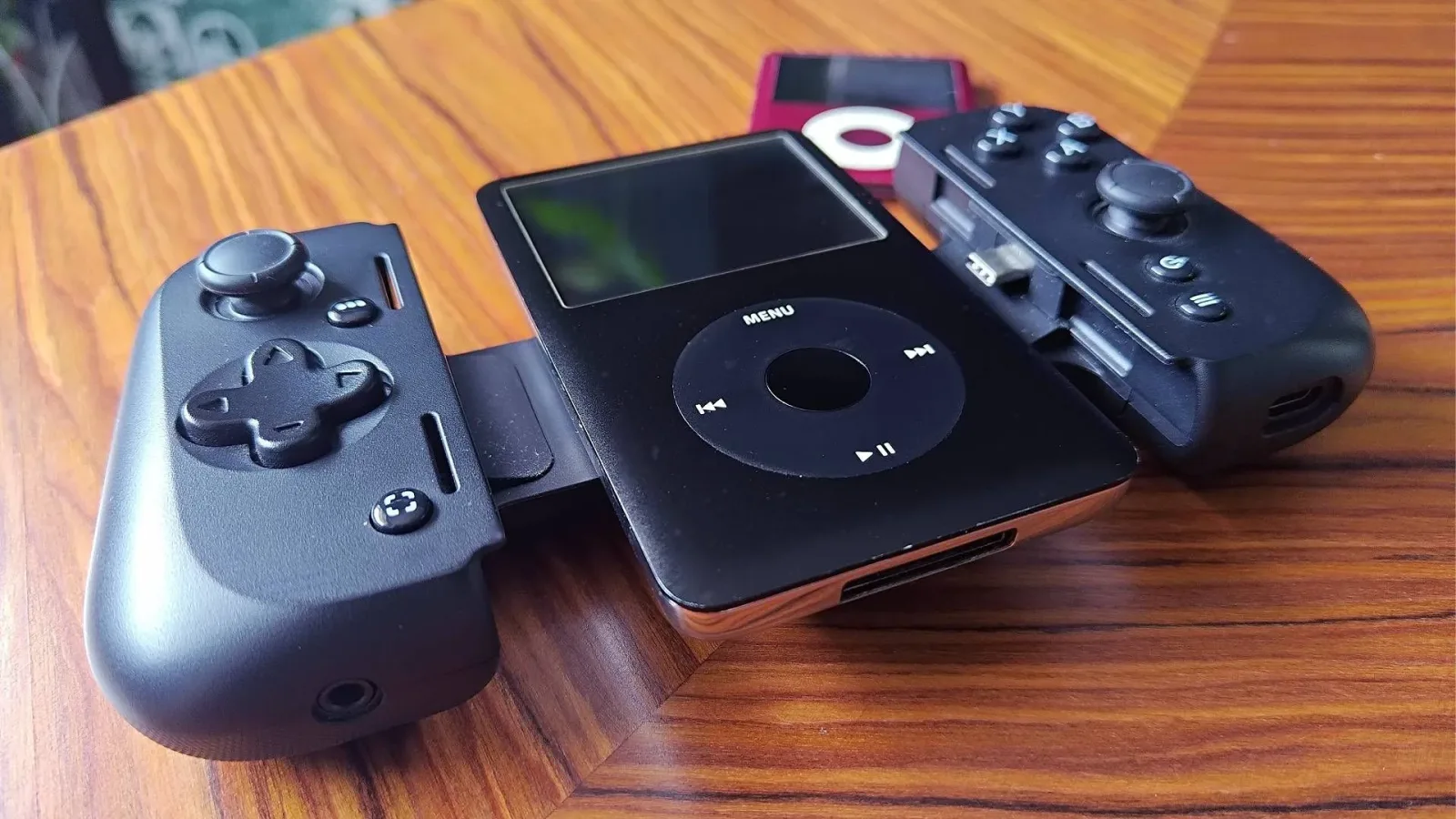
Apple may be preparing a more direct move into dedicated gaming hardware. References discovered in macOS 26.7 code point to two unannounced controllers, identified as T6502 and T1057, and later reporting from Bloomberg's Mark Gurman indicates that the accessories are intended for the iPhone and could launch under Apple's Beats brand.
The information remains unofficial, so the names, feature sets, compatibility and eventual launch plans should all be treated as subject to change. Still, the possibility of two separate controllers is notable. Apple has spent years making iPhones and iPads increasingly capable gaming devices, while its software ecosystem has accumulated console-scale ports, cloud gaming support through browsers and a major subscription service in Apple Arcade. A purpose-built controller line would be a much more visible acknowledgment that touch controls alone are not the preferred way to play every game.
The code references reportedly describe familiar gamepad ingredients: a directional pad, two analog sticks, shoulder buttons and analog triggers. One of the two devices is also said to include an accelerometer and gyroscope. That distinction could indicate a more feature-rich model, whether Apple ultimately describes it as a Pro-tier accessory or uses a different naming strategy.
Two codenames, and potentially two very different audiences
At the moment, T6502 and T1057 are only internal identifiers rather than retail product names. Their appearance does not reveal the controllers' final shape, price or whether they will connect directly to a phone, work wirelessly, or support both approaches. The underlying input configuration does, however, suggest traditional gamepads rather than a small novelty accessory.
For useful background on this topic, read World of Warcraft: Forever Will Launch Without Tokens or Level Boosts, Blizzard Says.
A D-pad, twin sticks, shoulder inputs and analog triggers cover the control needs of a huge range of modern games. Racing titles benefit from pressure-sensitive triggers. Third-person action games and shooters depend heavily on dual-stick aiming and camera control. Fighting games, platformers, retro collections and 2D action games remain much more comfortable with a physical D-pad than with virtual buttons drawn over a screen.
The rumored motion hardware is especially interesting. A gyro and accelerometer can be used for steering, camera adjustments, aiming, tilt-based mechanics and motion-controlled minigames. On mobile, that functionality could be useful because phones already contain sensors and many players are accustomed to physically moving their devices. Putting those sensors in the controller itself could make motion input feel less awkward in games that require a phone to remain fixed inside a grip.
It could also make the controller more flexible beyond iPhone use. Gurman's reporting says the accessories are iPhone controllers and that Beats executives were involved in their development. But if a Beats-branded controller uses USB-C or standard wireless connectivity, broader compatibility would be a practical possibility. That has not been confirmed, and buyers should not assume PC, Android, Mac or console support until Apple or Beats details it. Nevertheless, the inclusion of a conventional control layout and a motion-equipped version naturally raises the question of whether these products are being designed with more than one device category in mind.
Why the Beats branding makes sense
Beats is already a familiar Apple-owned accessory name, particularly in headphones and portable audio. It has room to expand into lifestyle hardware without every product needing to carry the more formal Apple label. That could be advantageous for game controllers, an area where Apple has historically focused more on platform support than first-party peripherals.
Branding the devices as Beats products could also make them feel less limited to a single Apple device. Apple's own name may lead consumers to expect an accessory built only for iPhone, iPad, Mac or Apple TV. Beats, by contrast, has a history of operating as a broader consumer-electronics brand while still benefiting from Apple's design, retail and technical ecosystem.
There is a business argument for this approach as well. Dedicated mobile controllers are no longer unusual, but the market is crowded and divided between inexpensive phone grips, premium telescopic designs, clip-on controllers and traditional Bluetooth pads. A recognizable brand with deep iPhone integration could make an impression, especially if setup is seamless and the physical design avoids the compromises common in generic accessories.
That said, brand recognition will not be enough by itself. Players already have affordable choices, including the GameSir X5 Lite, which offers Hall-effect sticks, and more expensive products such as the Razer Kishi V3 with TMR thumbsticks. Backbone remains a prominent name in phone-focused controllers, while manufacturers such as 8BitDo and GameSir cover retro-oriented and compact niches. Any Beats controller will need to provide a convincing reason to move away from those established options.
The iPhone gaming opportunity is real, but demanding
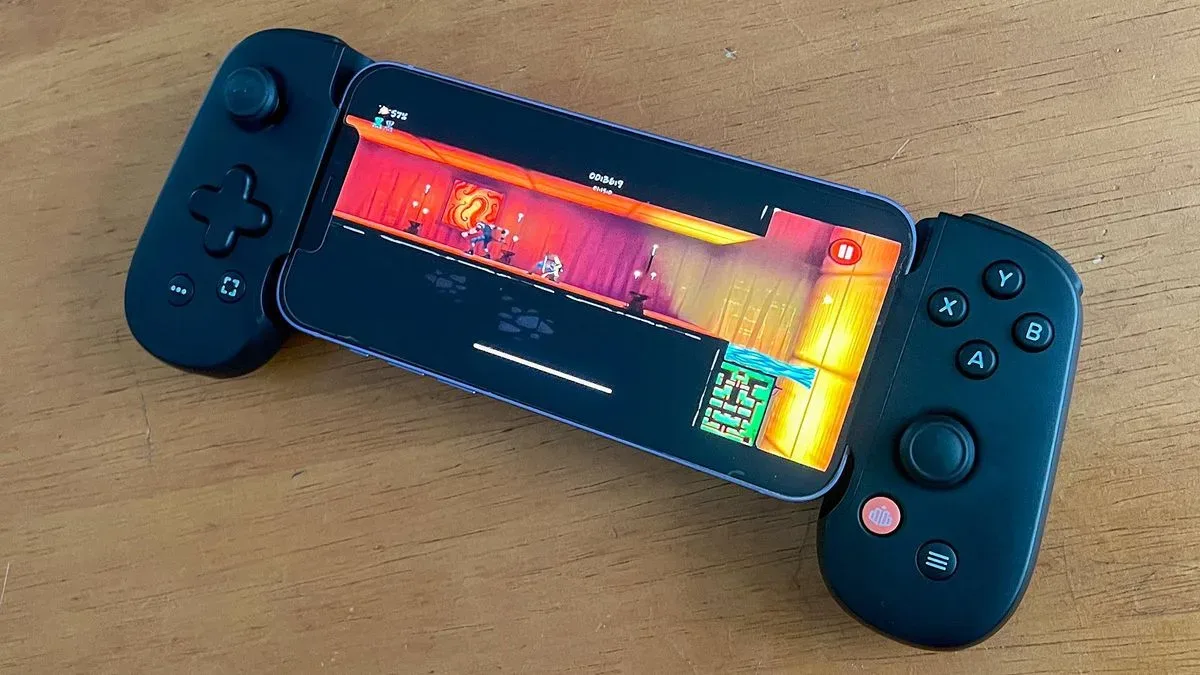
Apple has built an enormous potential gaming audience through the iPhone, yet the experience can vary dramatically depending on the game. Casual puzzle games, card games and turn-based strategy titles often work perfectly with touch input. Fast action games are another matter. Touchscreen buttons hide parts of the display, offer little tactile feedback and make simultaneous inputs less reliable than physical controls.
A controller designed around iPhone could make premium ports more inviting. Recent years have shown that developers are willing to bring visually ambitious games to Apple hardware, but a touch-only presentation can be a difficult sell for players used to console or PC versions. A well-made controller would not solve every issue, including storage requirements, heat, battery use and game pricing, but it would remove one of the largest barriers for games designed around gamepad input.
Cloud gaming is another area where physical controls matter. Whether someone is streaming from a personal PC, accessing a subscription catalog through a supported service, or using remote play, controller support is often essential to making the experience feel responsive and familiar. Apple does not need to become a console manufacturer for an iPhone controller to have value; it simply needs to ensure the hardware works reliably with the games and services iPhone owners already use.
There is also an opportunity to improve the physical balance of phone-mounted play. Larger iPhones can become top-heavy when placed in a controller shell, and unusual screen proportions influence where grips, sticks and face buttons need to sit. The rumored products may be designed with newer iPhone dimensions in mind, potentially aiming for a centered, more comfortable arrangement rather than treating every handset as an afterthought.
A click wheel revival would be memorable, but remains unlikely
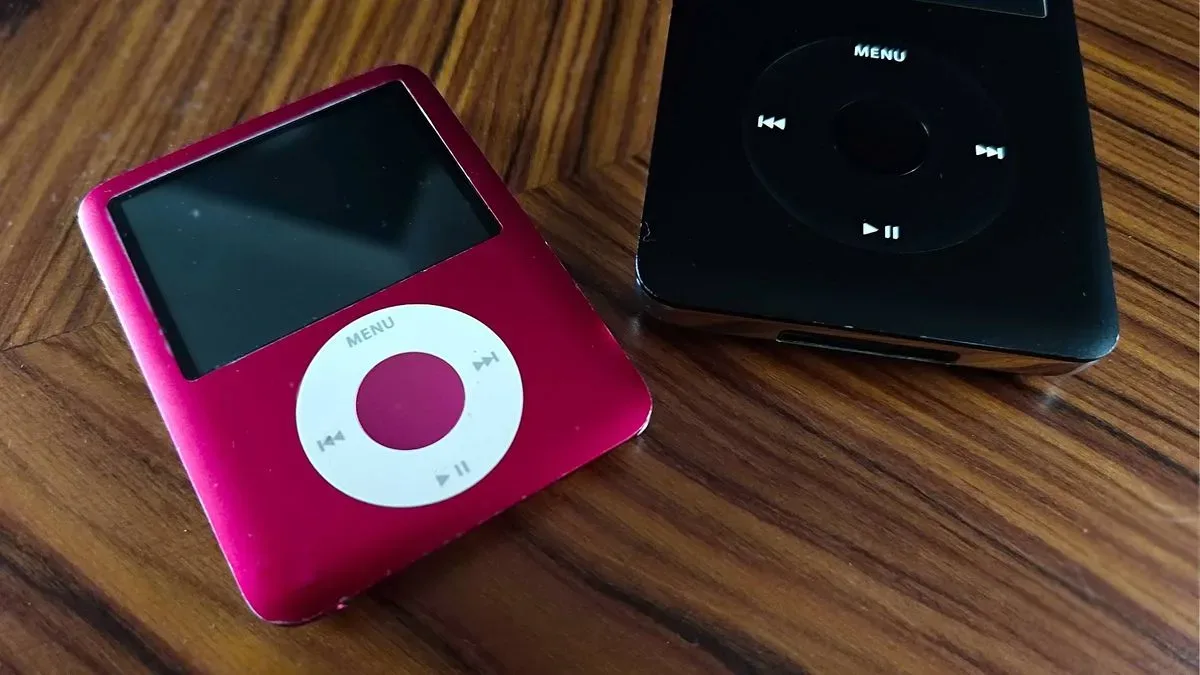
Apple's past offers one intriguing design idea that would certainly make a modern controller stand out: the iPod click wheel. The circular, touch-sensitive control was one of the defining features of the iPod era. It combined rotational gestures with physical button presses, allowing users to move quickly through music libraries and menus without needing a full touchscreen interface.
For games, a modern interpretation of that idea could have potential. A circular touch-and-rotation input might be used for quick weapon selection, inventory scrolling, radial menus, camera control, vehicle handling or arcade-style paddle movement. Older iPod games even demonstrated that Apple was willing to reinterpret the click wheel as an input device rather than merely a navigation tool.
However, there is no evidence that either rumored controller includes anything like a click wheel. The reported controls instead sound conventional, and that is probably the safer route for compatibility. Developers know how to support sticks, D-pads, triggers and shoulder buttons. An unusual circular input would require software teams to add optional features, and it could complicate an accessory that needs to work across many genres.
There is still value in Apple or Beats finding a distinctive feature that is practical rather than ornamental. Better haptics, excellent sticks, reliable low-latency connectivity, strong ergonomics and careful placement of a USB-C port would likely matter more to players than a nostalgic design flourish. But a subtle nod to the iPod's most iconic control would certainly give the hardware a personality in a category filled with very similar-looking pads.
What to watch for next
The macOS references and Gurman's report give this rumor more substance than a purely speculative accessories claim, but the key details remain unknown. It is not clear whether the two products represent entry-level and premium models, a phone-mounted controller and a standalone pad, or another split entirely. It is also unclear whether motion sensors belong to only one device, how charging will work, and whether the controllers will support devices beyond iPhone.
Compatibility may ultimately define the products' appeal. An iPhone-only controller with excellent integration could still find an audience among Apple Arcade subscribers and players of premium mobile releases. A controller that also works neatly with Mac and PC would have a broader purpose and could compete more directly with established all-purpose gamepads. Support for non-Apple USB-C devices would make the Beats angle even more logical, though that remains only a possibility for now.
For Apple, the rumored accessories would represent a practical next step rather than a sudden attempt to challenge PlayStation, Xbox or Nintendo. The company already has powerful mobile silicon, a vast installed base and an expanding collection of games that benefit from physical inputs. Two dedicated controllers could turn those ingredients into a more coherent gaming proposition--provided the eventual hardware is comfortable, compatible and priced competitively against an already busy field.
Community
Discussion
Start the conversation.
No comments have been posted yet.