

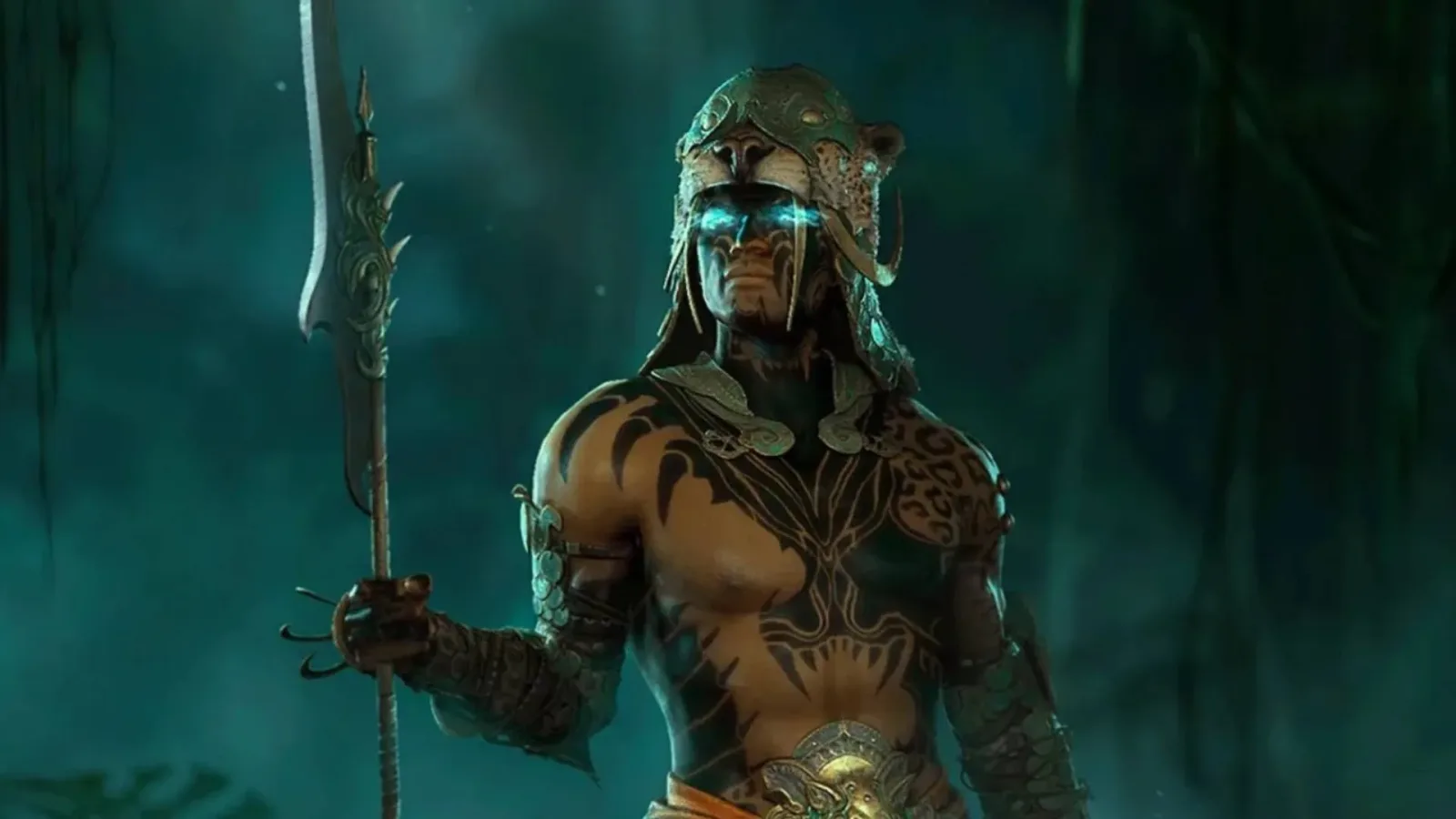
Diablo 4's Season of Hell's Legacy is built around looking backward, but its strongest nostalgia trip may also point toward Blizzard's most obvious next remake project. The seasonal update, which arrives during Diablo's 30th anniversary year, does more than bring back familiar villains and locations. It gives players a glimpse of the original 1996 Diablo reinterpreted through a modern action RPG. That brief return to Old Tristram, its cathedral and its long descent toward Hell makes one thing especially clear: Diablo deserves more than a cameo. It deserves a complete remake.
That does not diminish the significance of Diablo 5, which was surprise-announced at BlizzCon 2026. A new numbered Diablo game is naturally a major moment for the series, particularly after Diablo 4 established a notably grim tone and a foundation Blizzard can expand upon. Yet the reported wait is still three years, assuming development proceeds without delays. In that space between major releases, there is a powerful opportunity to revisit the game that established the series' atmosphere, loot chase and oppressive dungeon-crawling identity.
Diablo 2: Resurrected already demonstrated that there is substantial enthusiasm for returning to the franchise's older games. But the first Diablo is a different proposition. Diablo 2 received a carefully restored remaster that retained the original game beneath upgraded audiovisual presentation and modern conveniences. The 1996 Diablo, by contrast, is old enough that a ground-up reimagining could introduce its ideas to a much wider audience while preserving the essential experience: one cursed town, one cathedral, and a steadily more terrifying journey underground.
Season 15 turns nostalgia into playable space
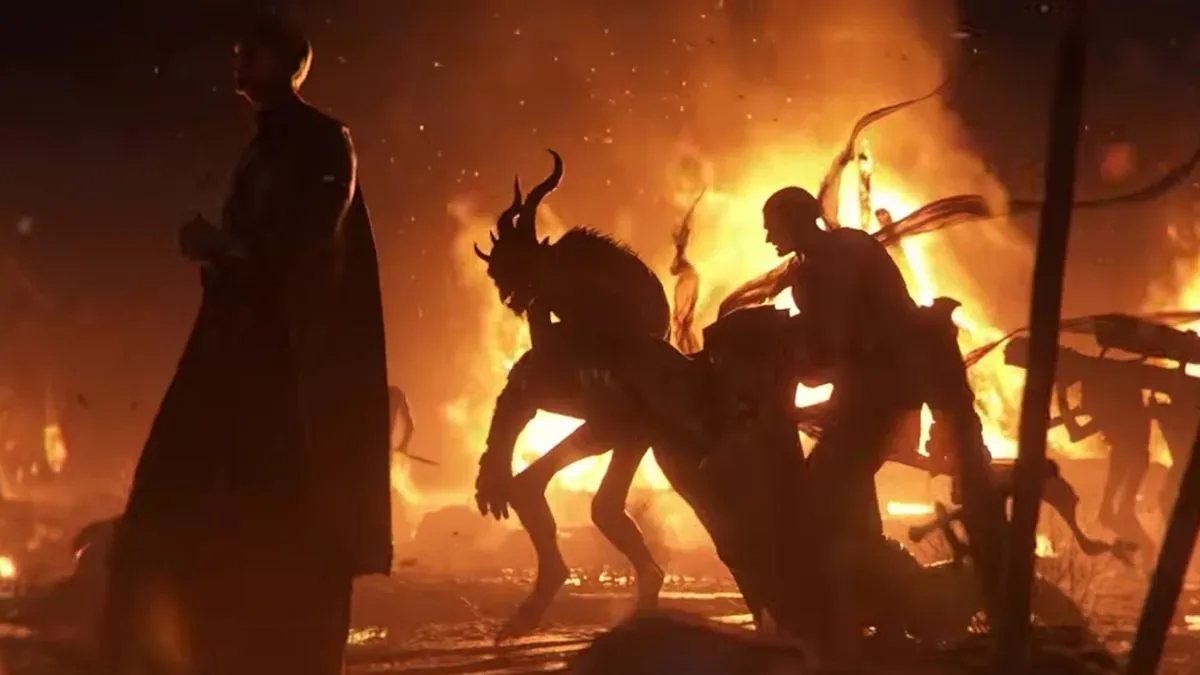
Season 15, titled Hell's Legacy, makes its anniversary intentions unmistakable. Diablo himself, the Lord of Darkness, takes a central role, while other major antagonists including Mephisto and Baal also return. The season additionally brings back Deckard Cain, whose presence gives the questline an immediate connection to Diablo's earliest era.
For useful background on this topic, read Stip Demo Brings Its Strange Number Puzzles to Steam Ahead of Next Fest.
The heart of the update is found in the Waking Nightmares dungeons. These seasonal activities revisit well-known moments and boss encounters from the wider history of the series. For longtime players, the appeal is not merely seeing old names again. It is the sensation of walking through recognizable spaces with a modern camera, contemporary combat effects and Diablo 4's more elaborate environmental presentation.
One Waking Nightmare stands out in particular: an extensive recreation of the original Diablo's core journey. Players begin around Tristram Cathedral before pushing through the catacombs, caves and ultimately Hell, culminating in a confrontation with the Dark Lord. Diablo has always relied on a simple but extraordinarily effective dramatic structure. Safety sits at the surface, evil waits below, and every stairway downward is a commitment to risk. Recreating that structure inside Diablo 4 highlights how durable the original design remains.
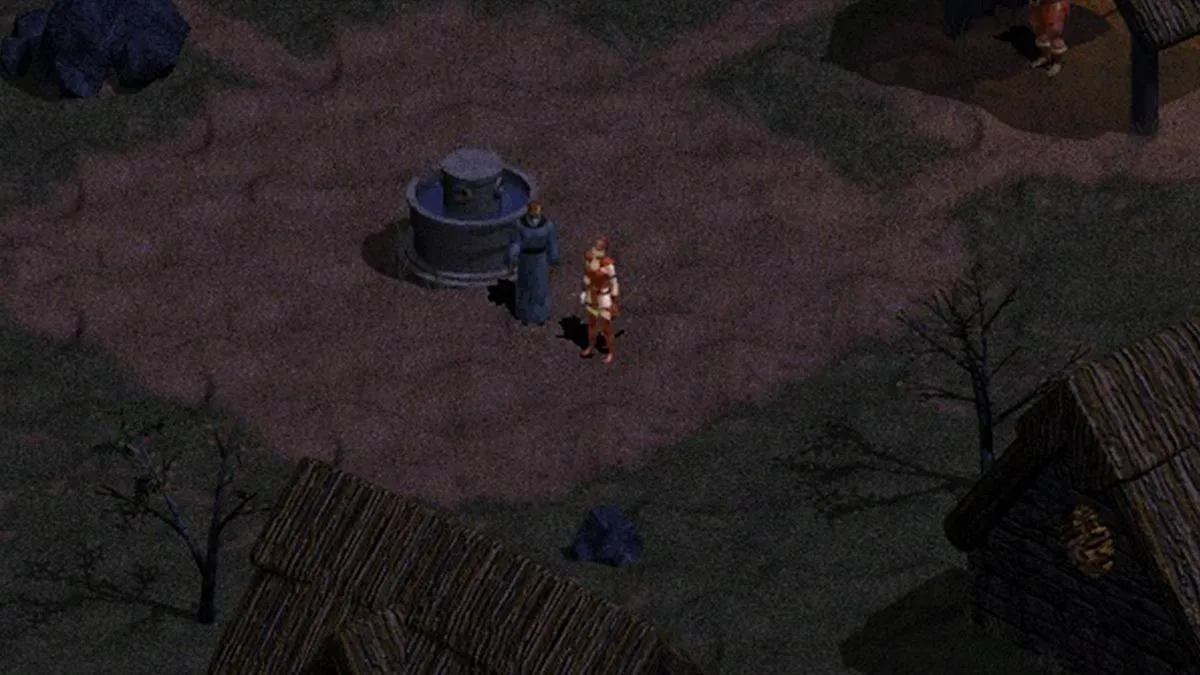
The update goes beyond a single dungeon route, too. Players can return to a recreated Old Tristram, where recognizable landmarks and non-player characters have been restored with original voice lines from the first game. That detail matters. Tristram was never simply a functional hub where players sold equipment and picked up quests. For many fans, it was the emotional center of an early online gaming experience: a small, melancholy town filled with music, rumors, merchants and other adventurers passing through.
In the original Diablo, the contrast between Tristram's uneasy calm and the horrors beneath it was fundamental. Returning from the dungeon was a relief, but it was never true comfort. The town's soundtrack, the quiet grief of its inhabitants and the ever-present cathedral on the edge of the settlement all suggested that the corruption below had already touched everything above. Diablo 4's recreated version can evoke that feeling, but it also underlines how much richer a full treatment could be.
Why the first Diablo needs more than a remaster
A straightforward remaster would certainly be welcome. Diablo remains an important, highly playable game with an atmosphere few action RPGs have matched. Its pacing is more deliberate than later entries, its dungeon exploration feels claustrophobic, and its story delivers gothic horror with remarkable economy. Even now, the game's descent from church ruins into infernal depths has a singular mood.
However, the visual language and interface conventions of 1996 create a high barrier for many modern players. That is not an indictment of the original. It is an unavoidable consequence of three decades of changes in display technology, control expectations, accessibility standards and game design. Newer fans who entered the series through Diablo 3 or Diablo 4 may find the first game's presentation difficult to approach, despite its historical importance and still-effective ideas.
A remake could address that gap far more effectively than a light restoration. It could rebuild Tristram and the dungeon layers with the visual density expected of a modern Diablo game, while retaining the slower, lonelier texture that makes the original distinct. It could make the descent feel physically connected, turn the cathedral into a more fully realized haunted place and give each underground region its own memorable identity without transforming Diablo into a different genre.
The goal should not be to simply copy Diablo 4's systems onto Diablo's plot. The first game's strength is concentration. Its world is smaller in scope but incredibly focused. Rather than sending players across multiple huge regions, it traps them in the orbit of a single disaster. A successful remake would preserve that sense of confinement and escalation. It should make players feel that every run into the darkness has weight, and that Tristram is a fragile refuge rather than just a menu between activities.
There is also room for thoughtful modernization. Better controller support, clearer inventory management, improved multiplayer infrastructure and accessibility options could all make the original more inviting. The challenge would be preserving the tension created by Diablo's deliberate pace and restrictive spaces. Modern convenience should reduce needless friction, not erase the unease that defined the journey.
A natural bridge to Diablo 5
The timing makes the case even stronger. Diablo 5 is on the horizon, but not imminent. A Diablo remake could fill part of that long wait without feeling like a side project detached from the franchise's future. It would offer established players a chance to revisit the beginning in a meaningful form, while giving newcomers a clearer sense of where so many series traditions originated.
That history could be valuable beyond nostalgia. Diablo's mythology has grown considerably over multiple games, expansions and ancillary stories, but the original remains the narrative starting point for the saga's central conflict. Experiencing the fall of Tristram and the first direct battle with the Lord of Terror provides a foundation that later games assume players understand. A remake would not need to become mandatory homework for Diablo 5, but it could provide context and emotional resonance for anyone wanting to trace the series back to its darkest roots.
It could also show why the first game remains so revered. Diablo is not beloved solely because it was influential. Plenty of groundbreaking games are more interesting as historical artifacts than as experiences to play today. Diablo has endured because its core still works: tense exploration, uncertain loot, dangerous enemies and a setting that turns the simple act of opening a door into a source of anxiety.
Hell's Legacy demonstrates that these elements still have power. The recreated sequence is a nostalgic reward for veterans, but it is also a tease for players who never got to experience the original when it was new. Seeing Tristram and its dungeon path rebuilt inside Diablo 4 invites an obvious question: why stop at a seasonal memory?
Diablo's anniversary should be the beginning, not the finale
BlizzCon 2026's focus on Diablo 5 meant there was no accompanying announcement for a return to the 1996 game. That is understandable. A new mainline entry commands attention, and Diablo 5 is a far larger statement about the series' future. Still, the 30th anniversary is an especially fitting moment to consider the game that started it all.
Diablo 4's Season of Hell's Legacy has already supplied a proof of concept. Its Waking Nightmares show that classic encounters can be translated into a modern framework. Its Old Tristram recreation proves that the location still carries enormous emotional weight. And its return to original voice lines acknowledges that the series' earliest atmosphere is worth preserving, not merely referencing.
A full Diablo remake would need care, restraint and a clear understanding of what made the 1996 game special. It should not flatten its identity into a checklist of familiar names, nor should it treat the original as something that needs to be corrected. The objective would be to make that foundational descent accessible again: a terrifying cathedral, a doomed town and an ancient evil waiting at the bottom.
Diablo 5 may represent the next chapter, but Diablo's first chapter remains uniquely suited to a revival. Until then, Hell's Legacy offers an evocative reminder of why players still want to go back to Tristram--and why a brief seasonal visit may not be enough.
Community
Discussion
Start the conversation.
No comments have been posted yet.