


Stip, the upcoming number-puzzle game from Belgian solo developer Sam Agten, known as SixtyFour, now has a demo available on Steam. The release arrives ahead of the game's planned appearance in October's Steam Next Fest and offers an early look at a puzzle experience built around deduction, discovery, and the possibility that the puzzles may not always behave as players expect.
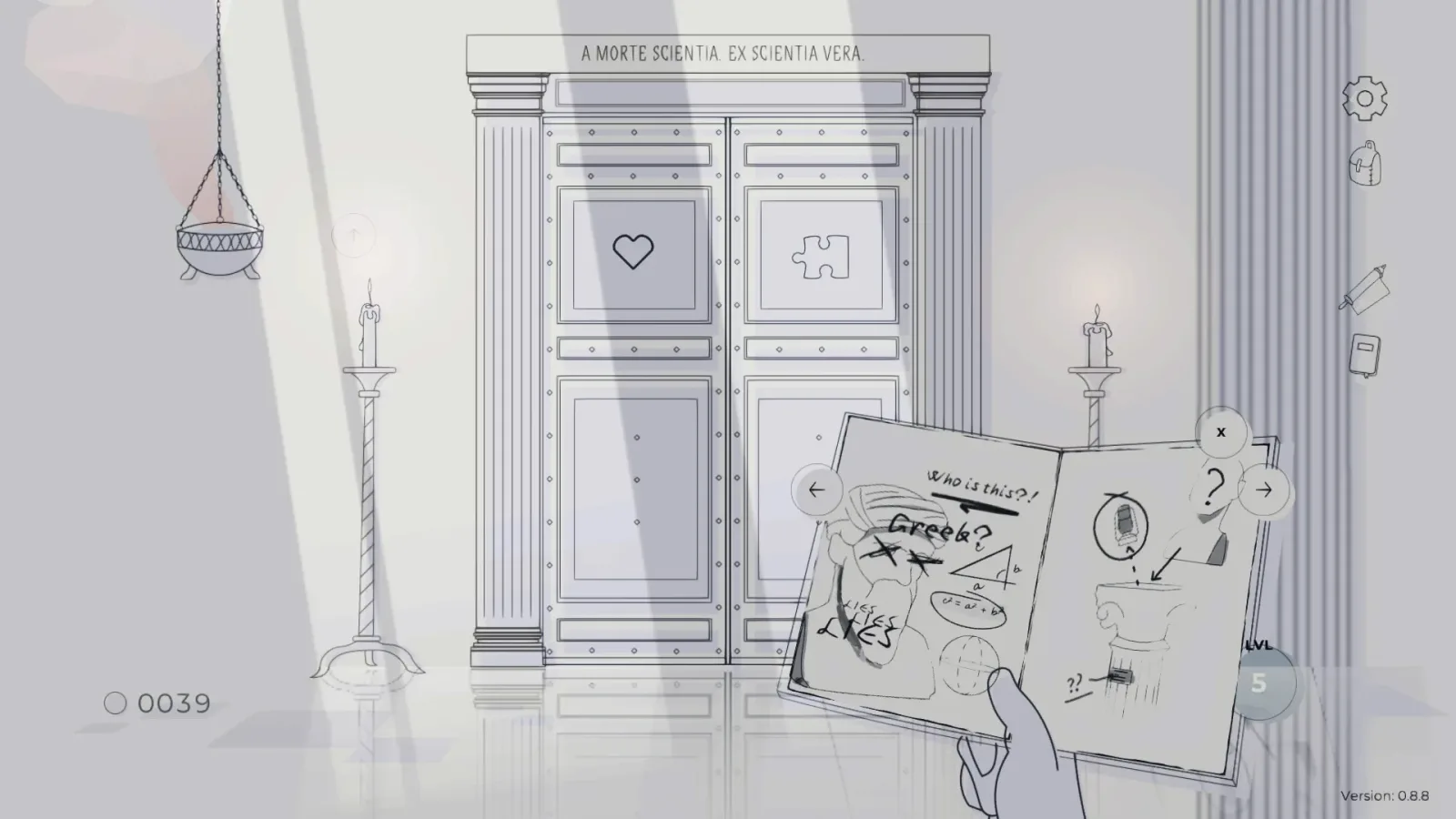
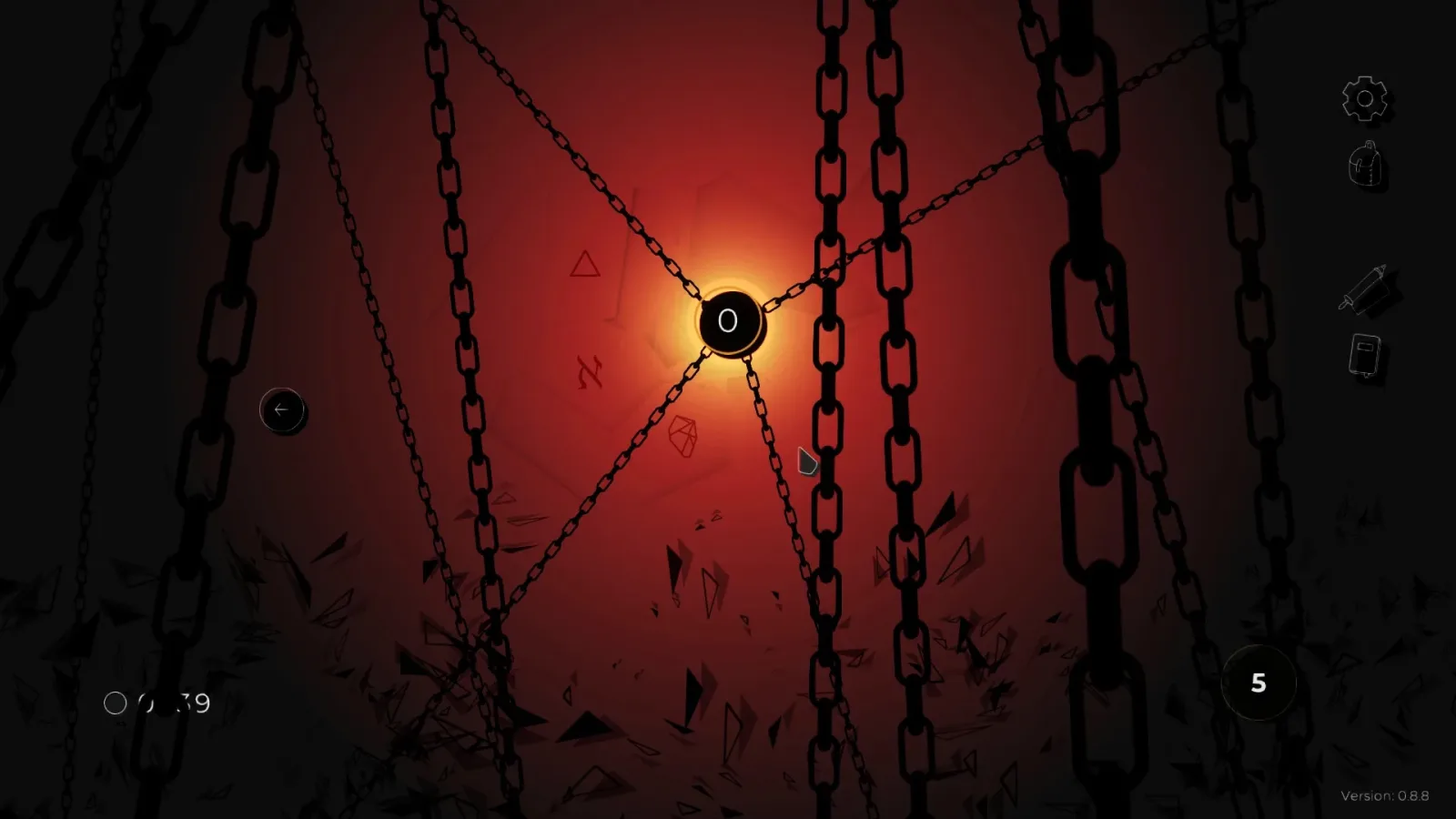
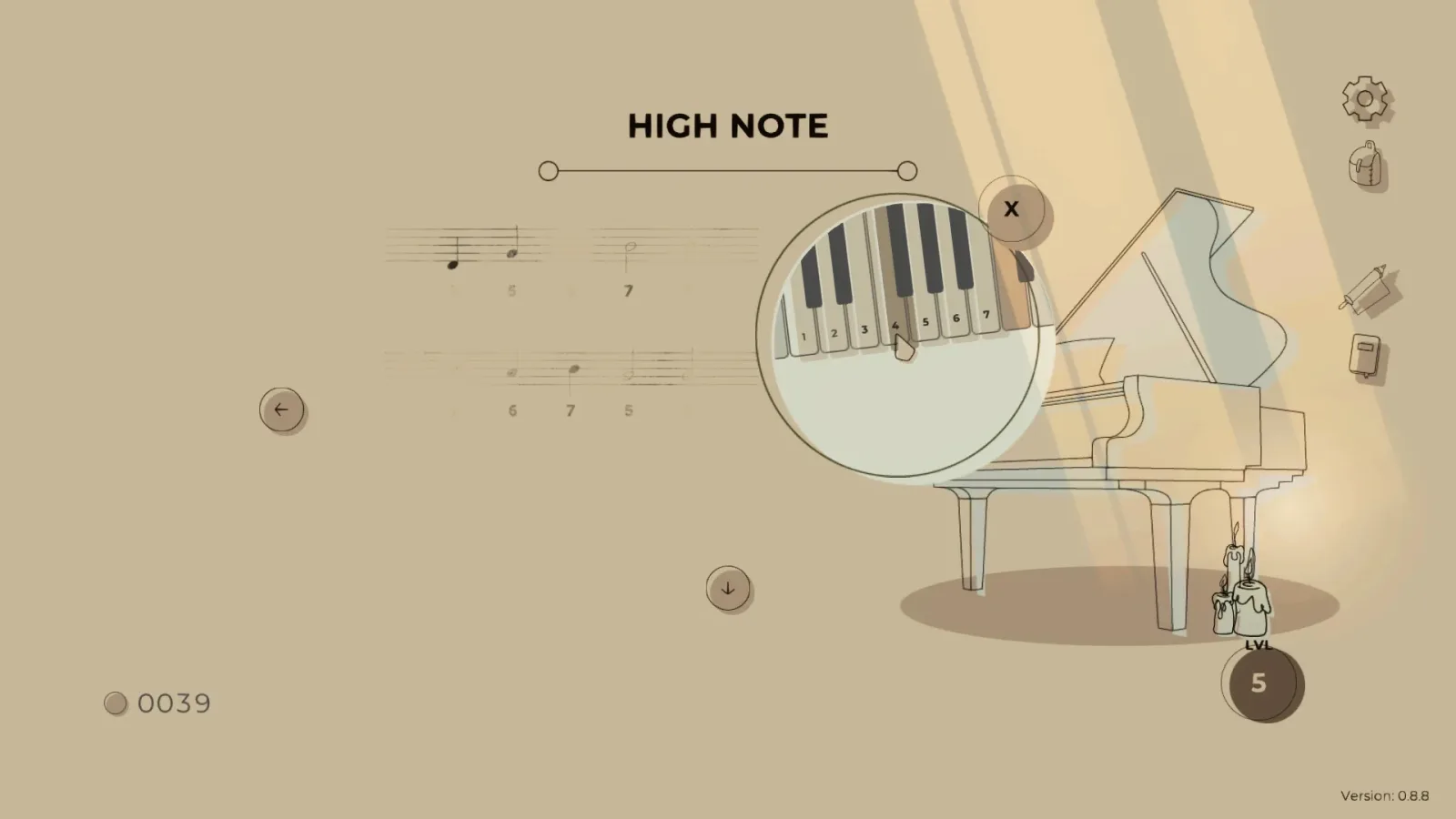
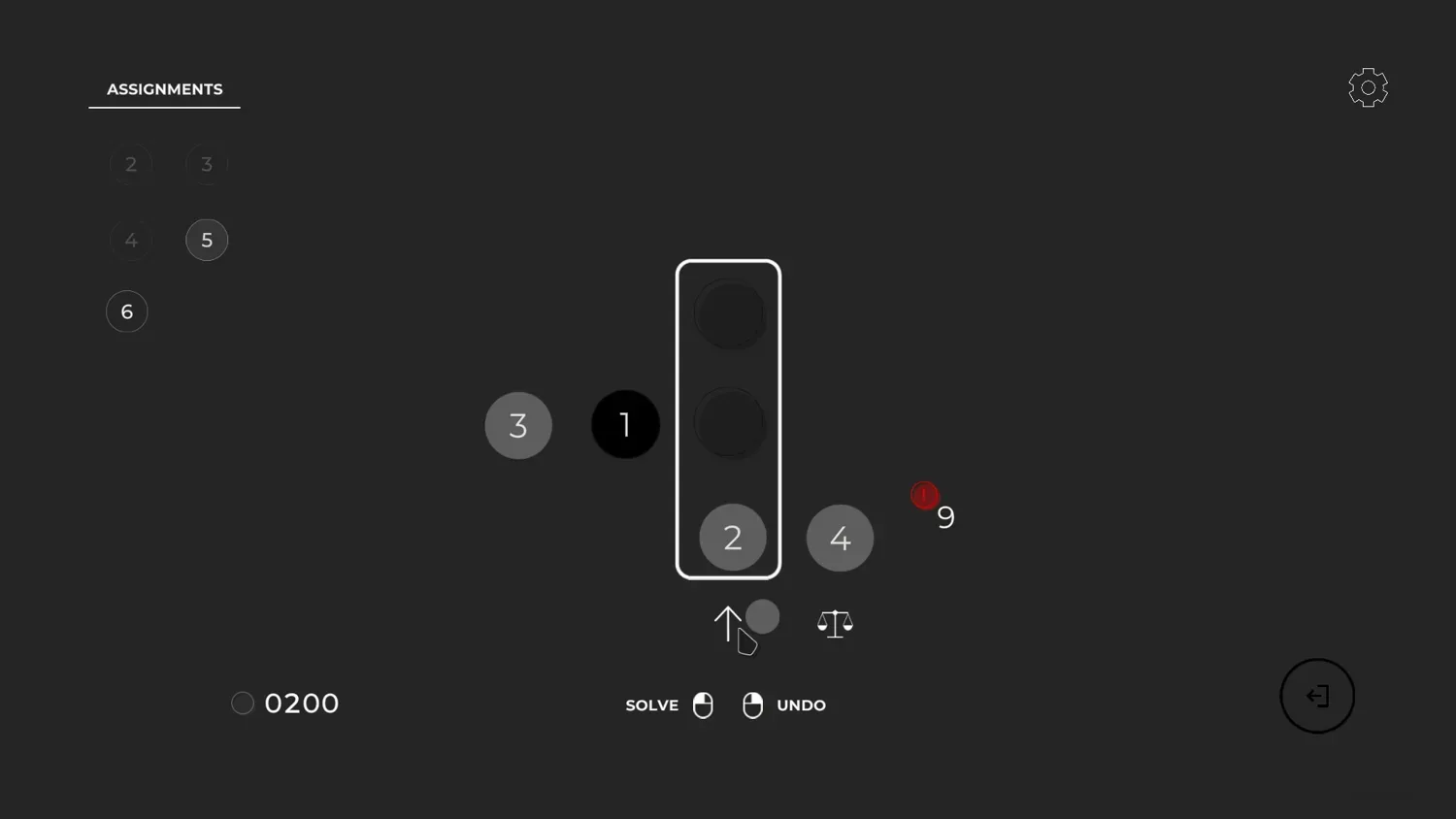
At its most immediate level, Stip asks players to assign the correct numbers to a collection of dots while following a set of constraints. The central loop sounds deliberately spare: examine the puzzle, determine where each number belongs, make an assignment, undo mistakes when necessary, and gradually deduce the solution. But Stip is not presenting itself as a straightforward sequence of isolated logic grids. Its rooms are maze-like spaces with environmental details, items, and secrets that can change how players understand the problems in front of them.
The title itself is a Dutch word for "dot," fitting the game's stripped-back visual approach and its focus on placing values onto points. Yet the small scale of those individual dots appears to be part of the misdirection. What begins as a simple numerical challenge is designed to expand into a larger mystery, with new rules and deeper layers revealed through progress.
A deduction game that asks players to learn its language
Stip's basic premise is rooted in logical constraints. Players receive a series of dots and must work out the proper numerical assignments based on the conditions of a given puzzle. That format places it in familiar territory for fans of deduction games, where success comes from recognizing what is possible, what is impossible, and which move must follow from the information already available.
For useful background on this topic, read Lostbound Sets October 2026 Steam Release for Its Pursuit-Driven Roguelite RPG.
However, Stip emphasizes rule discovery rather than laying every system out immediately. Players are expected to learn through interaction, observation, and experimentation. The game can introduce mechanics that are hidden within a room or revealed by using an object in the environment, meaning that the apparent rules of a puzzle may not be the whole story.
This structure makes every room more than a board for number placement. Rooms are intended to act as intricate puzzle boxes, with clues embedded in their surroundings and additional challenges concealed beyond the first solution. A player who merely fills every dot correctly may complete the immediate task, but the design encourages looking beyond the obvious answer.
That approach also explains the game's "Metroidbrainia" description. Rather than unlocking new routes with a conventional toolset alone, this style of game commonly lets knowledge become the player's key. Understanding a previously hidden system, recognizing a pattern, or realizing that an old environment can now be interpreted differently can open up fresh possibilities. In Stip, those revelations are tied to both its number puzzles and the spaces that contain them.
The puzzles may start to misbehave
One of Stip's most distinctive promises is that its puzzles can intentionally "misbehave." The game frames its challenges with an unusually polite but faintly suspicious welcome: visitors are encouraged to enjoy the number puzzles, use the constraints, and avoid touching anything else. The instructions present a stable, orderly world, but the wording also hints that there may be unusual behavior beneath that surface.
"Assign, undo, deduce, repeat" is the apparent rhythm of Stip's number-puzzle process, but the game suggests that following the expected procedure may eventually reveal something less predictable.
The idea is not simply that later puzzles become harder. Stip appears to be interested in undermining assumptions players have developed about its logic, environment, and even the reliability of the systems presenting the puzzles. Exactly how those disruptions play out has not been fully detailed, but the announcement makes clear that odd behavior is an intentional part of the experience rather than an accidental wrinkle.
For puzzle-game fans, that can be an appealing proposition. Strong deduction games often rely on clear rules, yet games focused on discovery can create memorable moments by changing the player's understanding of those rules without abandoning internal consistency. Stip's environmental secrets and hidden mechanics suggest that its surprises will be tied to clues players can find and interpret, not simply arbitrary twists.
Minimalism with a narrative layer underneath
Visually, Stip uses a minimalist presentation that keeps attention on its dots, numbers, and room layouts. The restrained aesthetic aligns with the game's clean logical foundation, but it also gives the developer room to make small changes feel meaningful. An unusual object, a blocked path, a piece of environmental text, or a detail that does not fit the expected pattern can stand out more strongly in a sparse setting.
As players continue, a narrative layer is expected to unlock gradually. The game has not spelled out the full story, and that restraint is likely deliberate given its focus on hidden information. What is known is that Stip's narrative is intertwined with progression through its puzzle spaces, rather than being presented as a separate story mode detached from the deduction gameplay.
The game also extends its mysteries beyond the room-by-room experience. Stip includes transmedia clues distributed across materials such as trailers and store-page information. This creates another level for players who enjoy investigating promotional details, decoding external hints, and seeing whether a clue found outside the game leads to something inside it.
Notably, the official demo trailer contains a secret code that can be entered in the demo itself. Players can access the code-entry function by pressing C, entering the discovered code, and pressing Enter. The existence of that feature reinforces the developer's interest in rewarding curiosity beyond the most direct route through the puzzles. The code itself is not given in the announcement, leaving it for players to uncover from the trailer.
What the Steam demo offers
The newly released demo gives PC players a chance to sample Stip before its full launch later in 2026. It is also positioned as preparation for the game's October Steam Next Fest presence, when a larger Steam audience will have an opportunity to explore demos across the event.
Players approaching the demo should expect a game that teaches through doing. The puzzle format revolves around assigning numbers under constraints, but the surrounding design encourages careful attention to every room. Items and environmental elements may carry information, while puzzle behavior itself can signal that there is more to learn. The ability to undo actions is part of the stated play loop, inviting experimentation when a solution or a rule is unclear.
That combination should make the demo useful for more than simply measuring difficulty. It should communicate whether Stip's particular balance of explicit logic and concealed discovery appeals to a given player. Those looking for a pure set of standalone numerical challenges may find the game's secrets and unsettling edges unexpected, while players who enjoy games that reward note-taking, observation, and revisiting assumptions may find more to investigate.
An anticipated Belgian release
Stip has already received recognition in its home country. The Belgian Game Awards jury named it the Most Anticipated Belgian Game release of 2026, an acknowledgment that puts added attention on Agten's solo-developed project as it moves toward launch.
That recognition reflects the game's unusual blend of approachable presentation and more ambitious structure. Number puzzles are an instantly understandable starting point, and Stip's core instruction is simple enough to communicate in a few words: use the constraints to place the correct numbers. The wider design, though, aims to turn that clarity into a gateway for hidden mechanics, room-scale mysteries, and a slowly unfolding narrative.
Stip is scheduled to release later in 2026 for Steam. No specific launch date has been announced. Until then, the demo provides the first readily available opportunity to step into its maze-like rooms, solve its initial number assignments, and find out why a game that insists everything is under control is so eager to ask players not to touch anything else.


Community
Discussion
Start the conversation.
No comments have been posted yet.