

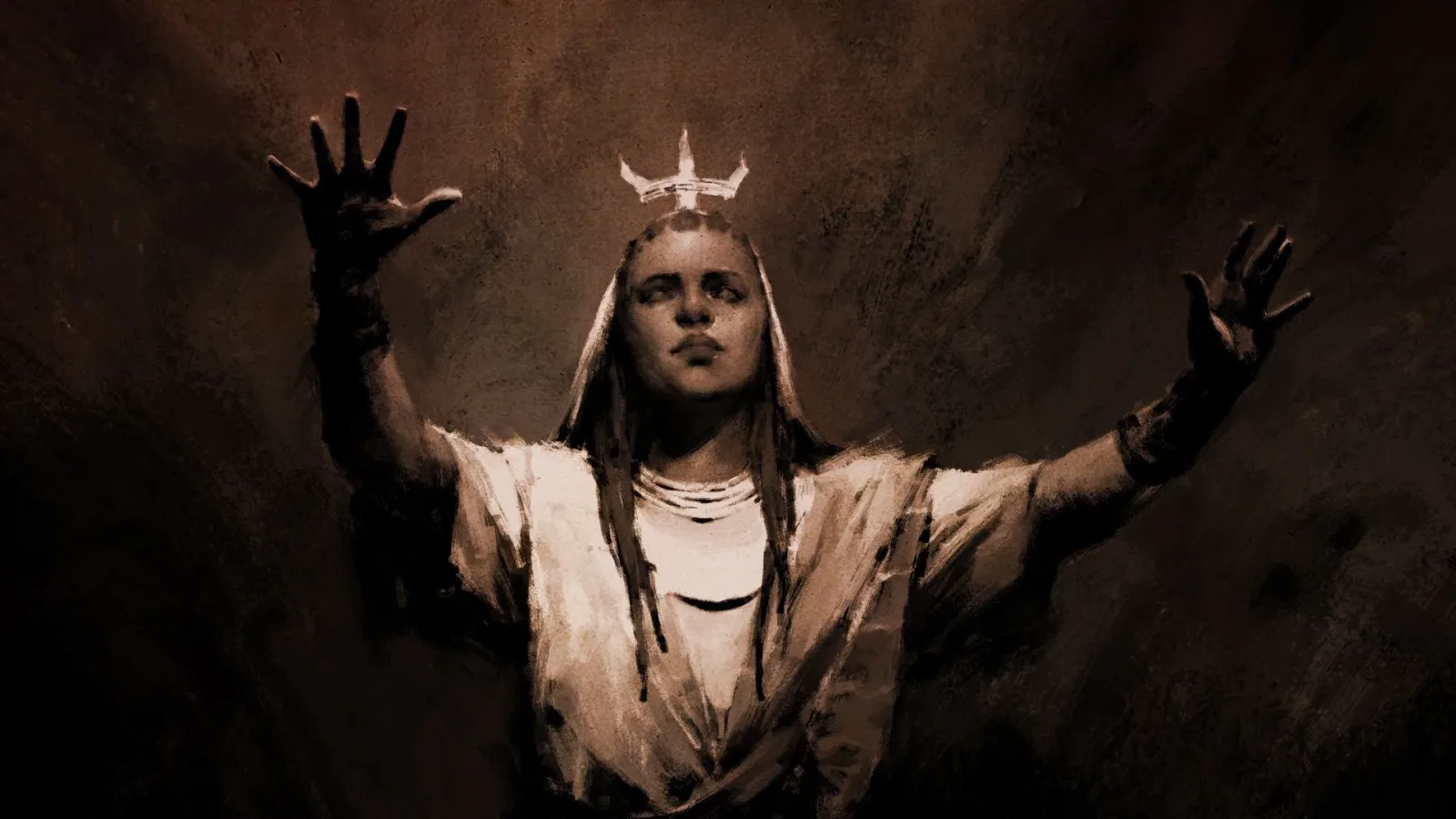
Diablo 5 is officially in development and currently carries a 2029 release target. Announced during BlizzCon 2026, the next mainline entry is being positioned as a dramatic tonal and structural shift for Blizzard's action RPG series. Its central premise is unusually bleak even by Diablo standards: Sanctuary has already fallen, Diablo has claimed victory, and humanity is largely dead, enslaved, or transformed into servants of the demonic forces that now rule the world.
That setup immediately separates Diablo 5 from the previous games. The series has always been rooted in a war between Heaven and Hell, with ordinary people caught in the middle, but players have generally entered stories where there is still some degree of civilization to protect. Diablo 5 appears to reverse that expectation. Rather than defending a damaged world before it is lost, players will be navigating one in which the loss has already happened.
Senior game director Joe Shely summarized the premise in uncompromising terms: "Sanctuary has been destroyed, and Diablo has won." The details of the campaign, playable classes, combat systems, and multiplayer structure have not yet been disclosed. Still, the early description indicates that the absence of normal safe spaces may be one of the game's defining ideas.
A faster sequel than Diablo fans are used to
A 2029 launch would place Diablo 5 six years after Diablo 4, assuming the current target holds. That is a comparatively quick turnaround for a franchise whose numbered installments have historically been separated by very long waits. Diablo 3 arrived 12 years after Diablo 2, while Diablo 4 followed Diablo 3 by 11 years.
For useful background on this topic, read Bruce Straley Says AAA Games Need More Room for Fresh Ideas.
Six years is still a substantial development period for a major action RPG, especially one expected to support a huge world, a long-term endgame, and the technical demands associated with a new generation of hardware. Yet, against the history of the series, it represents a major change in cadence. Blizzard has not explained how the team is approaching that shorter gap, nor has it said whether Diablo 5 will build directly on technology and lessons from Diablo 4.
What is clear is that the sequel is not being described as a conservative follow-up. Its premise suggests an attempt to make the stakes feel final from the opening moments. In a world where the villain has already prevailed, even the act of traveling from one area to another can take on a different emotional meaning. Survival is no longer an assumed baseline. It becomes the exception.
No ordinary towns, no reassuring shelter
One of the most striking elements of the announcement is the apparent removal of the conventional town-and-hub safety net. Diablo games commonly use settlements as places to trade, regroup, collect quests, meet other players, and briefly escape the monsters beyond their walls. Diablo 4, for instance, presents Sanctuary as a harsh and decaying place, but it still includes major cities and settlements full of vendors, guards, and fellow adventurers.
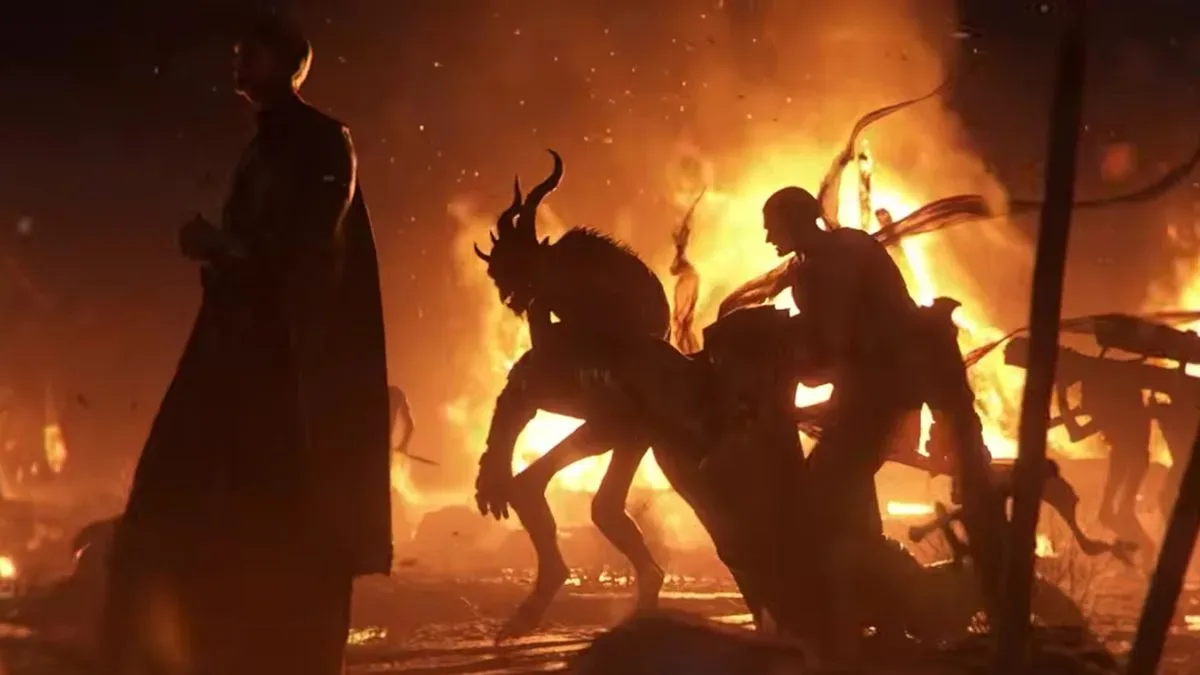
Diablo 5's version of Sanctuary is being framed differently. There are said to be no towns or safe zones in the usual sense. Most humans have submitted to Diablo or become demonic followers, while the few who resist have been enslaved. That does not necessarily reveal exactly how social hubs, merchants, progression services, or online interactions will function, but it strongly implies that Blizzard wants the world itself to feel hostile at all times.
It is an approach with clear thematic potential. A safe town is useful game design, but it also establishes a psychological rhythm: danger exists out there, while comfort remains available here. Removing or fundamentally changing that contrast could make Diablo 5 feel more oppressive, with players unable to take the continued survival of any character or location for granted.
There is also an important distinction between making a game darker in appearance and making its world feel genuinely defeated. More blood, larger demons, and more graphic violence can create spectacle. A conquered Sanctuary, however, could create despair through environmental storytelling: abandoned homes, ruined communities, former allies changed beyond recognition, and the evidence of lives interrupted by a war that humanity already lost.
A return to the first game's sense of dread
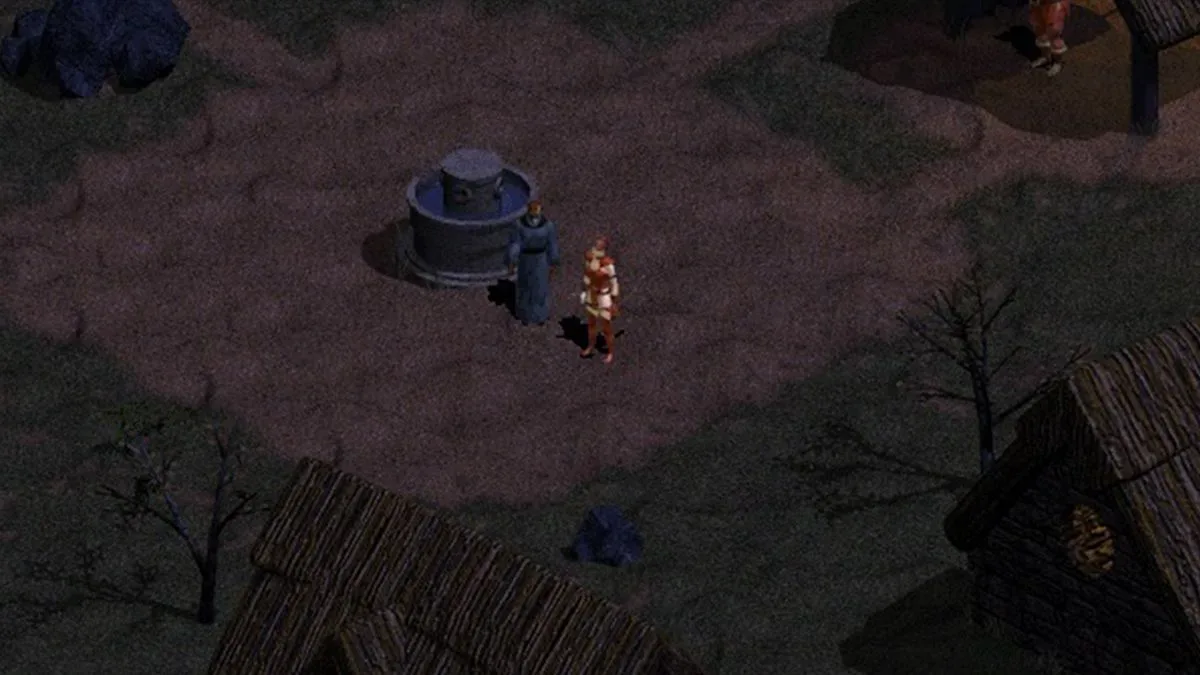
The announcement lands close to the 30th anniversary of the original Diablo, which released in 1996. That first game established much of the series' identity with a small but deeply unsettling descent beneath Tristram. Its opening imagery, grim setting, isolated town, and increasingly dreadful dungeon layers created a feeling that players were walking into an evil that had been festering beneath the surface for a long time.
Tristram was not merely a convenient starting hub. It was a place that felt wounded. The game's atmosphere suggested that normal life had existed there once, and that the horror players encountered had destroyed something familiar and human. Its music and environmental details gave the tragedy a mournful quality that was as important as the monsters themselves.
Diablo 5's stated direction has the opportunity to revisit that emotional foundation on a much broader scale. If the first Diablo was about uncovering corruption beneath one troubled settlement, the new game could explore the consequences of that corruption consuming the entire world. The scale may be larger, but the most effective horror could still come from small details: an empty room that implies who lived there, a destroyed community, or a brief sign that something worth saving existed before the darkness arrived.
That focus would fit the idea of Blizzard "doubling down on darkness" better than simply pursuing a more graphic presentation. Horror gains force when players understand what has been lost. The most memorable Diablo settings have not just been grotesque; they have made the player feel that something precious, ordinary, or hopeful has been taken away.
How Diablo 5 could differ from Diablo 3 and Diablo 4
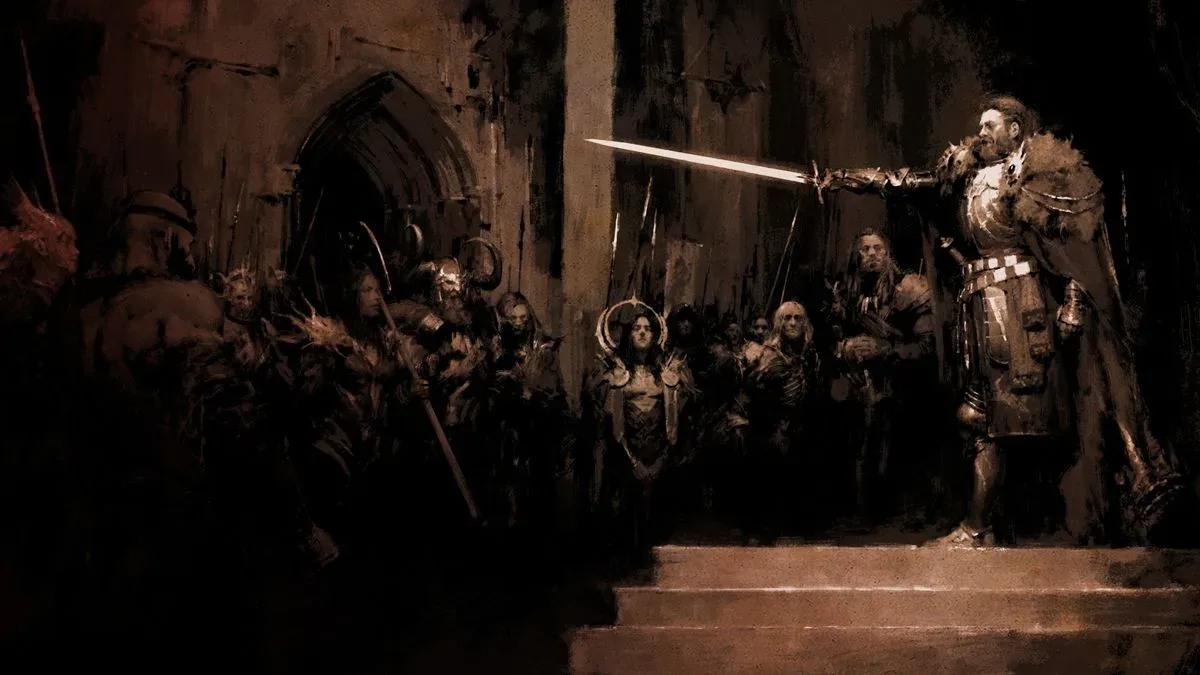
Each numbered Diablo game has had its own visual and tonal identity. Diablo 3 drew criticism from some longtime fans for a brighter look and more heightened fantasy presentation, even though its story and enemy designs still dealt in death, angels, demons, and apocalypse. Diablo 4 deliberately moved toward a more grounded, muddy, and brutal version of Sanctuary, emphasizing decay, body horror, and religious dread.
Diablo 5 seems poised to take another step beyond Diablo 4's approach. The difference may not simply be that its environments are uglier or its violence more explicit. The announced setting changes the dramatic position of the player. In Diablo 4, civilization is strained but visibly enduring in protected places. In Diablo 5, the darkness is not pressing against the gates; it has apparently broken through and remade the world.
- Diablo 3 offered a more colorful and stylized interpretation of the conflict.
- Diablo 4 restored a grimier, more oppressive Sanctuary while preserving functional settlements and protected hubs.
- Diablo 5 is being introduced as a world where shelter itself has become scarce and evil has already secured the upper hand.
That progression could make the fifth game the franchise's most ambitious tonal experiment. It also raises practical questions Blizzard will need to answer as development continues. If there are no normal towns, what replaces them? Will players find temporary sanctuaries, move through hidden resistance networks, or use systems that operate outside the fiction of a traditional city hub? Can an always-threatening setting remain tense without becoming exhausting? And how will the game balance relentless dread with the loot-driven power fantasy that defines the action RPG genre?
Many major questions remain unanswered
The reveal establishes Diablo 5's mood and broad premise, but very little has been confirmed about the game's actual play. Blizzard has not announced a specific release date beyond 2029. No platforms were named. There is no public information yet on classes, skill systems, loot design, PvP, co-op, seasonal content, expansions, or whether Diablo 5 will retain Diablo 4's open-world structure.
It is also too early to know how literally players should interpret the claim that there are no safe zones. Games often use broad thematic language in their first announcements, and the final design may still include protected locations or non-combat spaces in forms that fit the story. The important point, for now, is the direction Blizzard has chosen to emphasize: Diablo 5 is not being sold as a journey to stop the apocalypse. It is a journey through its aftermath.
For a series built around descending into places where humanity fears to go, that is a potent starting point. Diablo's strongest moments have always paired demonic spectacle with helplessness, mystery, and grief. A ruined Sanctuary can provide all three if Blizzard gives its fallen world enough human detail to make the devastation matter.
With years remaining before the stated 2029 target, Diablo 5 has ample time to take shape. But its first promise is already clear. Blizzard wants the next Diablo to feel less like a world threatened by Hell and more like a world that has become Hell's domain. For a franchise nearing three decades of dungeon delving, that may be the most fitting way to push deeper into its oldest and darkest ideas.
Community
Discussion
Start the conversation.
No comments have been posted yet.