

Dragon Con's annual gathering in Atlanta has long been one of the most welcoming places for every corner of fandom to collide. Science fiction, comics, fantasy, film, television, tabletop games, novels and video games all share the same convention space, and that combination makes the event especially fertile ground for cosplay that goes beyond simply recreating a familiar character.
The 2026 event once again demonstrated why Dragon Con has such a reputation among costume fans. The standout looks captured from the show floor ranged from impressively faithful character work to surreal mash-ups, elaborate prop-centered builds and references so specific that they reward anyone who recognizes them. Gaming had a particularly strong showing, with costumes inspired by Overwatch, Horizon Zero Dawn, Warhammer, Fallout, and Clair Obscur: Expedition 33 appearing alongside a much broader mix of genre favorites.
What makes this collection memorable is not just technical craft. It is the willingness of attendees to follow an idea as far as it can go. A cosplay does not need to be tied to the biggest current release to make an impression, and it does not always need to represent a single character in a literal way. Several of the most striking costumes turn logos, settings, mascots, historical imagery or even furniture into wearable punchlines.
Fallout 1776 turns American imagery into a wasteland gag
One of the gallery's clearest highlights is Fallout 1776, an inspired fusion of Bethesda's post-apocalyptic universe with early American patriotic imagery. The defining feature is a towering hairstyle shaped around a mushroom-cloud effect, an instantly readable visual joke that fits the nuclear anxiety at the center of Fallout. It is a concept that works before a viewer has time to inspect every detail: revolutionary-era symbolism and atomic devastation are made to occupy the same costume.
For useful background on this topic, read Space Marine 2 Will Revisit Chaos Balance After Director Admits Faction Is Harder Than Tyranids.
That immediate readability is an important part of successful convention cosplay. At a packed event, a design has only a moment to land as people move through corridors and hotels. Fallout 1776 turns its central premise into a bold silhouette, then lets its details reinforce the theme. The result is playful, visually clear and remarkably suited to a franchise whose retro-futurist Americana has always been part of its identity.
Totoro enters Clair Obscur: Expedition 33
The other especially inventive game-related crossover imagines Totoro in the world of Clair Obscur: Expedition 33. The pairing is unexpected, which is precisely why it stands out. Totoro is associated with the soft, comforting fantasy of Studio Ghibli, while Expedition 33 is known for its ornate, melancholy fantasy aesthetic. Bringing the two together creates a costume with both instant recognition and an amusing contrast in tone.
Crossovers are common at conventions, but the best ones identify something visual that can bridge two otherwise distant properties. Here, Totoro's unmistakable outline gains a new context through the styling and world of Expedition 33. It is less about asking whether the character would literally appear in that universe and more about imagining how the design language would transform him. That kind of fan creativity is often more surprising than a perfectly screen-accurate recreation.
Video game cosplay ranges from heroes to villains
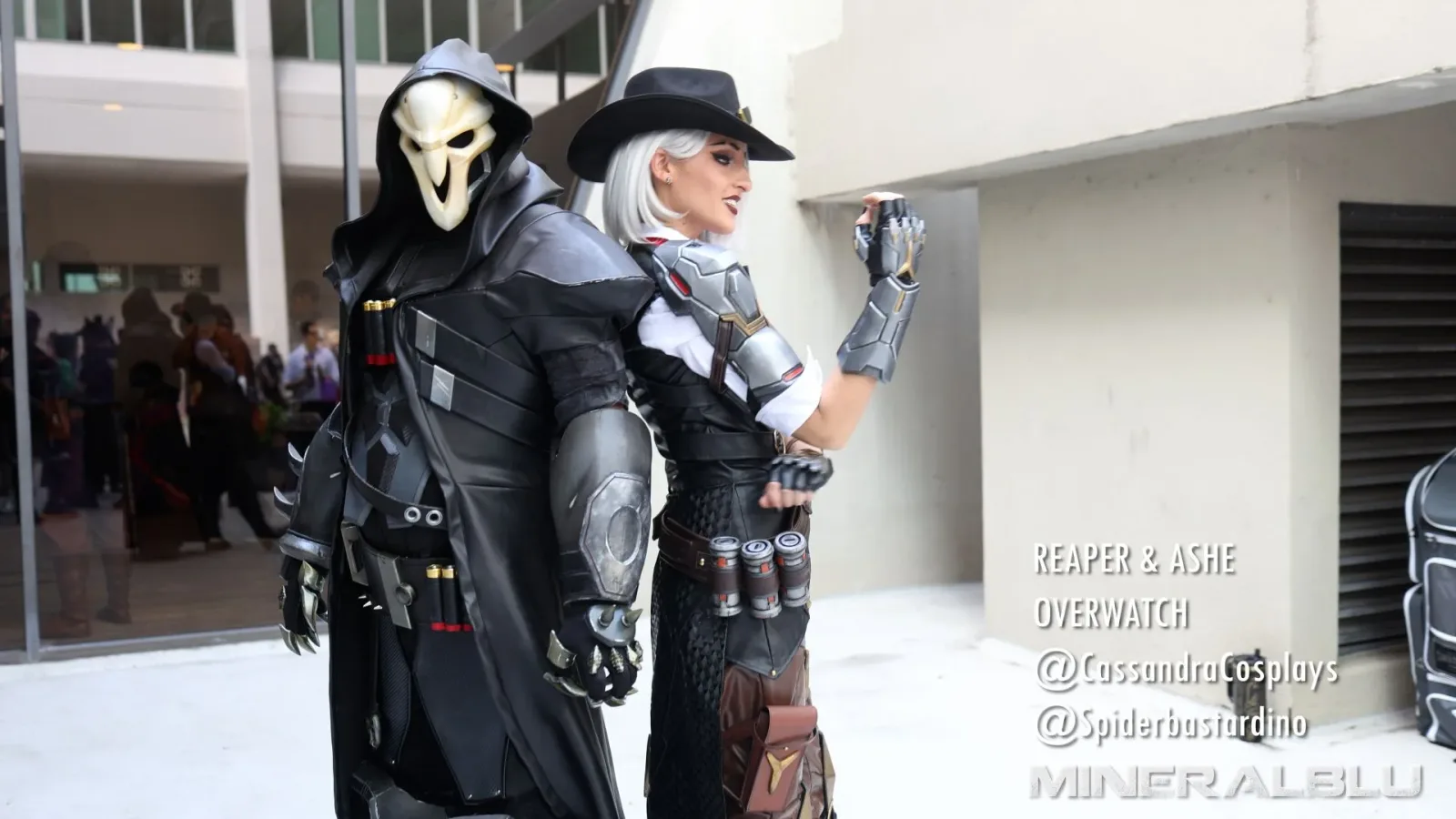
Elsewhere in the selection, a pair portraying Reaper and Ashe from Overwatch represents the enduring appeal of Blizzard's hero shooter roster. Even as the game's competitive landscape and seasonal content evolve, its characters remain reliable cosplay subjects because their visual identities are so distinct. Reaper's ominous presence, masked face and dark palette contrast effectively with Ashe's Western-inspired style, making them a natural duo for a photograph.
Horizon Zero Dawn also appears in the Dragon Con lineup. The series is a particularly rewarding source for costume builders because of its mix of practical survival gear, tribal-inspired clothing and futuristic machinery. Aloy and the world around her call for a balance of weathered materials, layered textiles and technological detail. A successful Horizon cosplay can communicate its setting without needing enormous mechanical props, though the series' machine designs remain an obvious temptation for ambitious builders.
The broader Warhammer presence underscores how tabletop and video game communities continually overlap at events like Dragon Con. A group of Space Marines brought the imposing armor of Warhammer 40,000 to life, while Hellebron represented the darker fantasy side of the larger Warhammer universe. Space Marine costumes are a familiar convention sight for good reason: their oversized armor creates an imposing scale that feels fundamentally different from ordinary character clothing. The challenge is not only sculpting the recognizable plates and insignias, but also making a huge build practical enough to wear through a crowded convention.
Unusual references give the gallery its personality
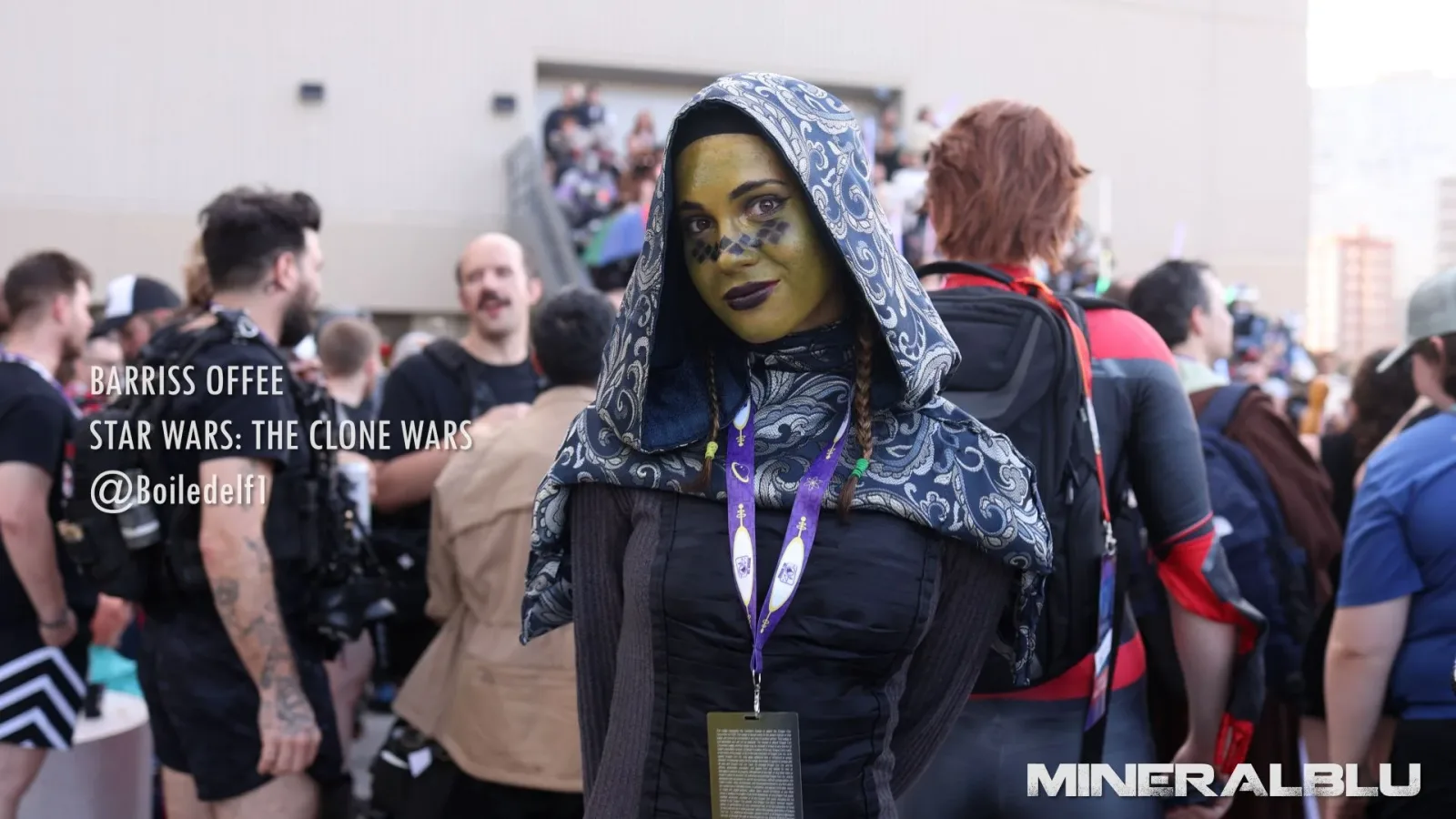
Dragon Con's variety is best illustrated by the costumes that are rarely encountered at a typical gaming event. Barriss Offee from Star Wars: The Clone Wars is one such choice. The character's appearance speaks to the deep knowledge of fans who go beyond the central live-action films and choose personalities from animation and expanded stories. It is a costume that rewards a more dedicated Star Wars audience while still belonging to one of the world's most recognizable genre universes.
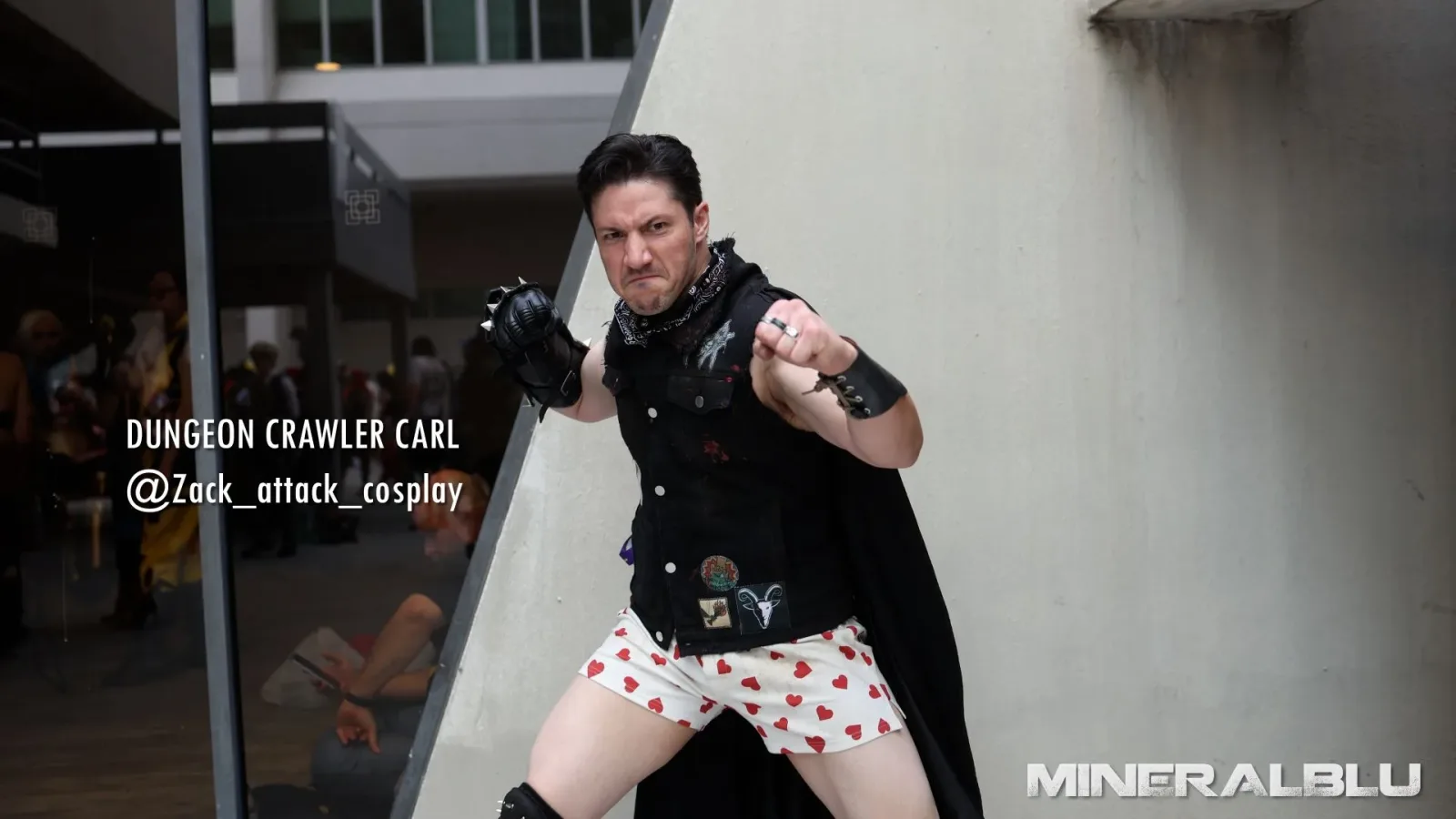
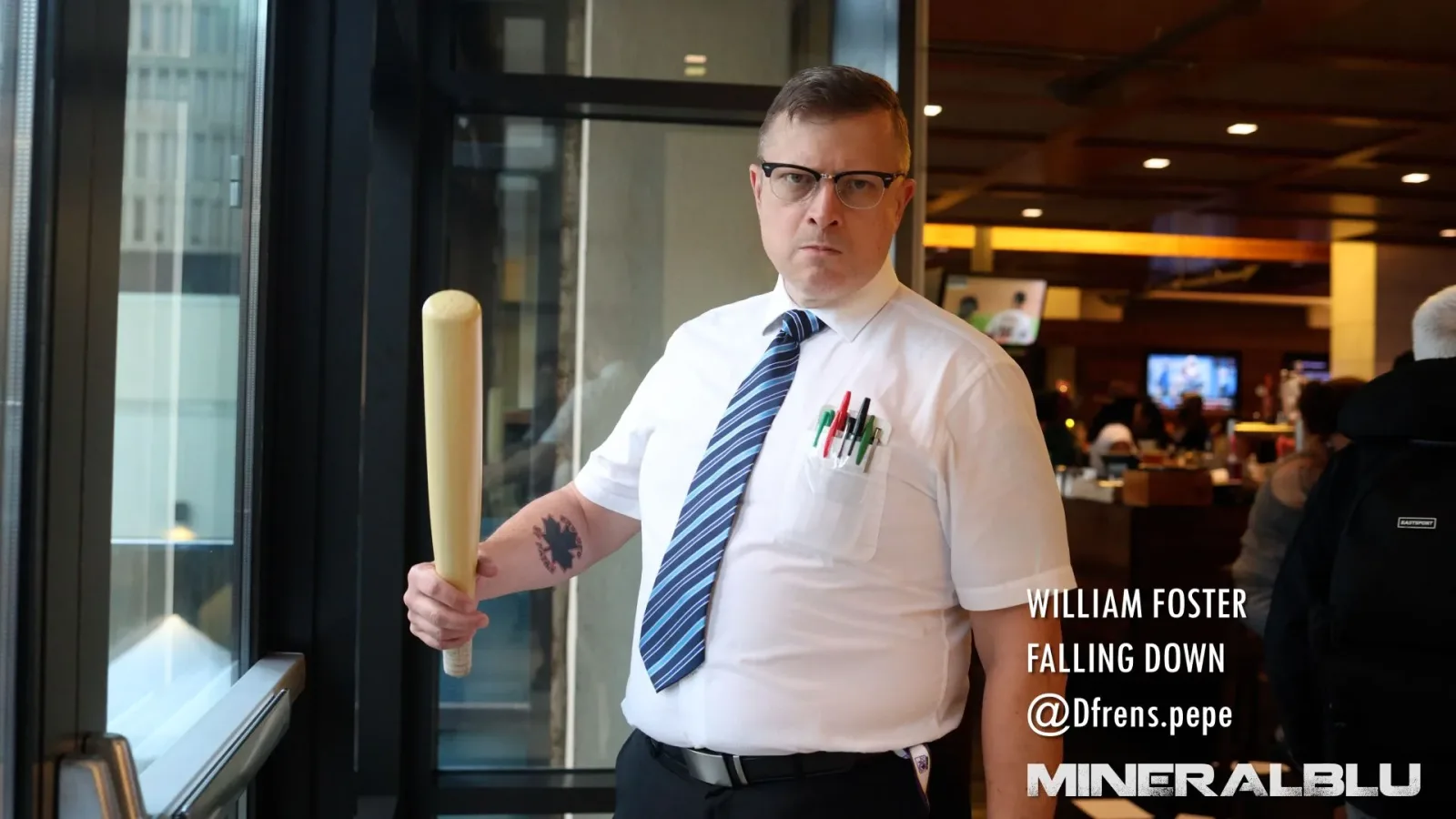
Other unusual picks include a costume from Dungeon Crawler Carl, the popular fantasy and science-fiction series, and a recreation of William Foster from Falling Down. Those choices reflect the delightfully broad definition of pop culture embraced at Dragon Con. One attendee may be celebrating an ongoing genre novel phenomenon, while another is channeling a character from a 1993 film. Neither needs to compete with the largest blockbuster properties to prompt recognition and conversation.
A Rocky costume from Project Hail Mary similarly shows how quickly beloved science-fiction concepts can become convention material. Rather than limiting cosplay to human protagonists in elaborate uniforms, fans often embrace creatures and supporting characters whose shapes, colors or personalities offer a more unusual creative challenge.
Big silhouettes and literal interpretations steal attention
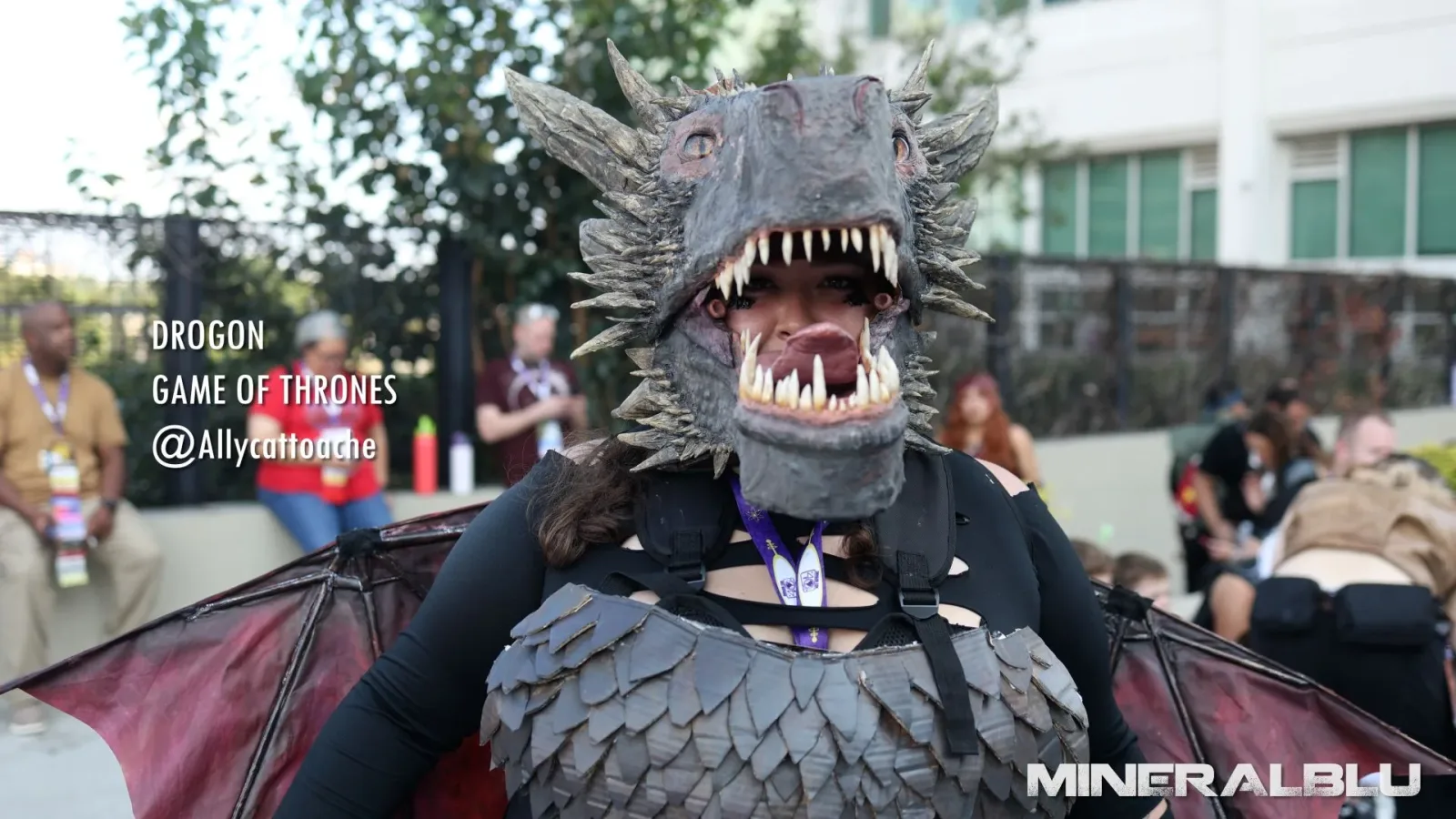
Some cosplay works because it commits to a large-scale physical interpretation of a familiar object. Drogon from Game of Thrones does exactly that, bringing one of the series' dragons into an event full of human-sized characters. An Iron Throne cosplay is even more literal and therefore especially amusing. The throne is one of the most famous objects in modern fantasy television, yet translating a chair made from blades into something a person can wear or embody is a genuinely unusual piece of costume thinking.
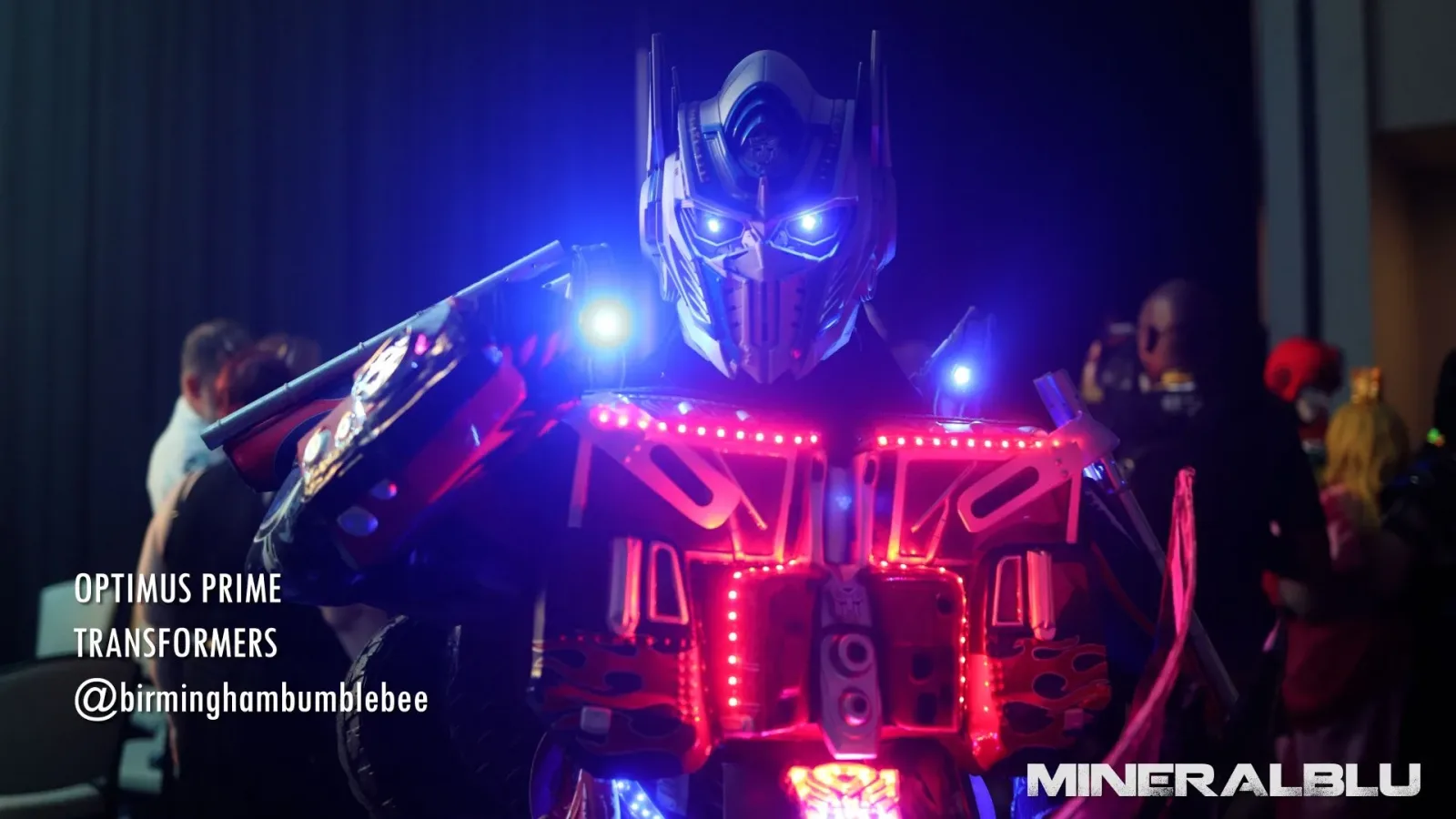
That same energy appears in an Optimus Prime cosplay, where a transformation-themed character presents a major construction challenge, and in costumes for Rhaenyra and Jace from House of the Dragon. The latter pair demonstrates a different kind of craft: rich period-inspired texture, character-specific styling and an immediately recognizable family connection for viewers familiar with the series.
The Martians from Mars Attacks bring another vivid genre look to the mix. Their exaggerated, almost cartoonish alien designs remain distinctive decades after the film's release. In a convention setting, they prove that a costume does not need current promotional momentum to remain visually electric.
Humor, fashion and mash-ups expand the definition of cosplay
Not every standout costume is built around armor, creature effects or a blockbuster protagonist. Buc-ee's Barbie, presented in packaging, turns retail presentation into part of the costume itself. It is a smart use of a cultural mascot and the visual grammar of Barbie dolls, with the box serving as an essential part of the gag rather than a simple accessory.
A Dolly Parton look inspired by Playboy demonstrates the importance of performance and personality in cosplay. Meanwhile, Savage Land Rogue offers an X-Men character interpretation with a classic comic-book sensibility. These choices show how cosplay can draw from celebrity imagery, fashion, print history and comic art as readily as it can from games or screen adaptations.
Perhaps the simplest and sharpest mash-up in the gallery is the "Storm" Trooper, which joins X-Men's Storm with the armored visual language of Star Wars stormtroopers. The name alone communicates the idea, but the costume earns its impact by making the blend visible. It is a reminder that a good crossover needs more than a clever title: its materials, colors and silhouette must carry both halves of the concept.
Dragon Con remains a home for inventive fandom
Across all of these costumes, the common thread is enthusiasm matched by imagination. Dragon Con 2026 was not simply a parade of the most commercially dominant characters of the moment. It was a showcase for people who chose the references that meant something to them, whether that meant a major video game icon, a cult film character, a literary favorite, a comic-book variation or a joke no one else had thought to make.
For gaming fans, the appearances of Overwatch, Horizon Zero Dawn, Warhammer, Fallout and Clair Obscur: Expedition 33 reinforce the medium's central place in modern cosplay culture. For everyone else, the gallery offers an even more appealing message: the most memorable costume is often the one that takes a familiar fandom in an unfamiliar direction.
Community
Discussion
Start the conversation.
No comments have been posted yet.