

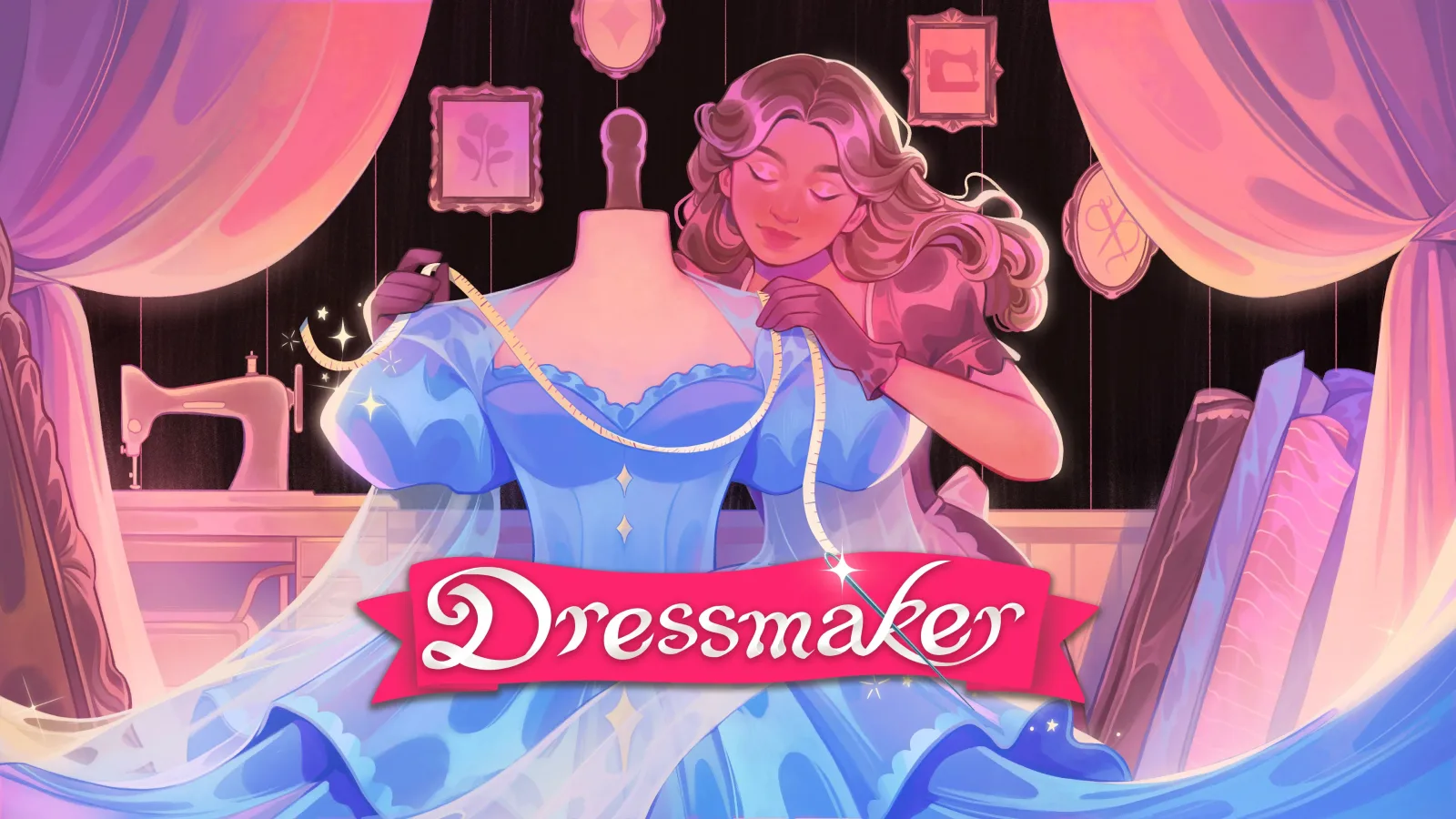
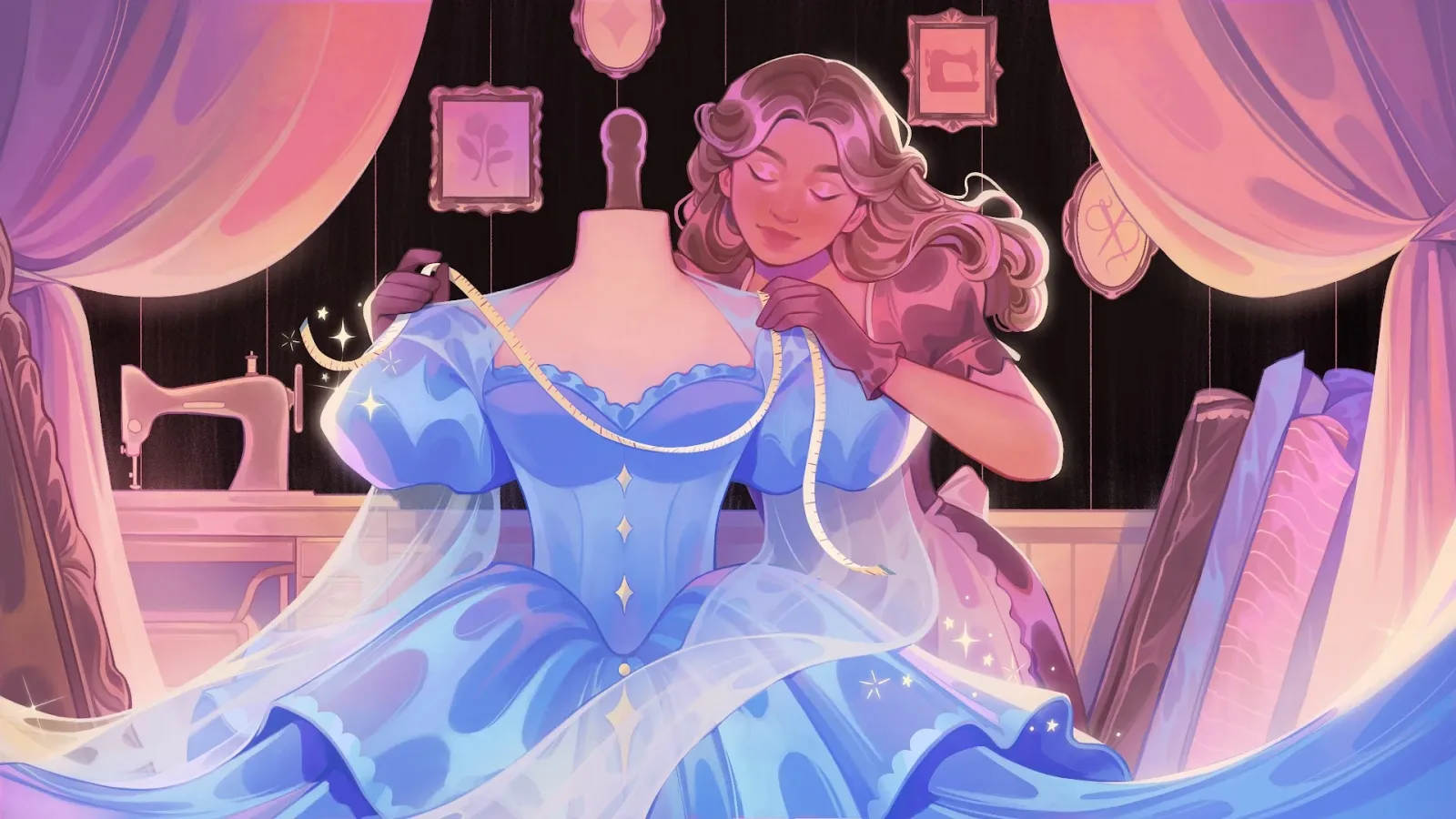
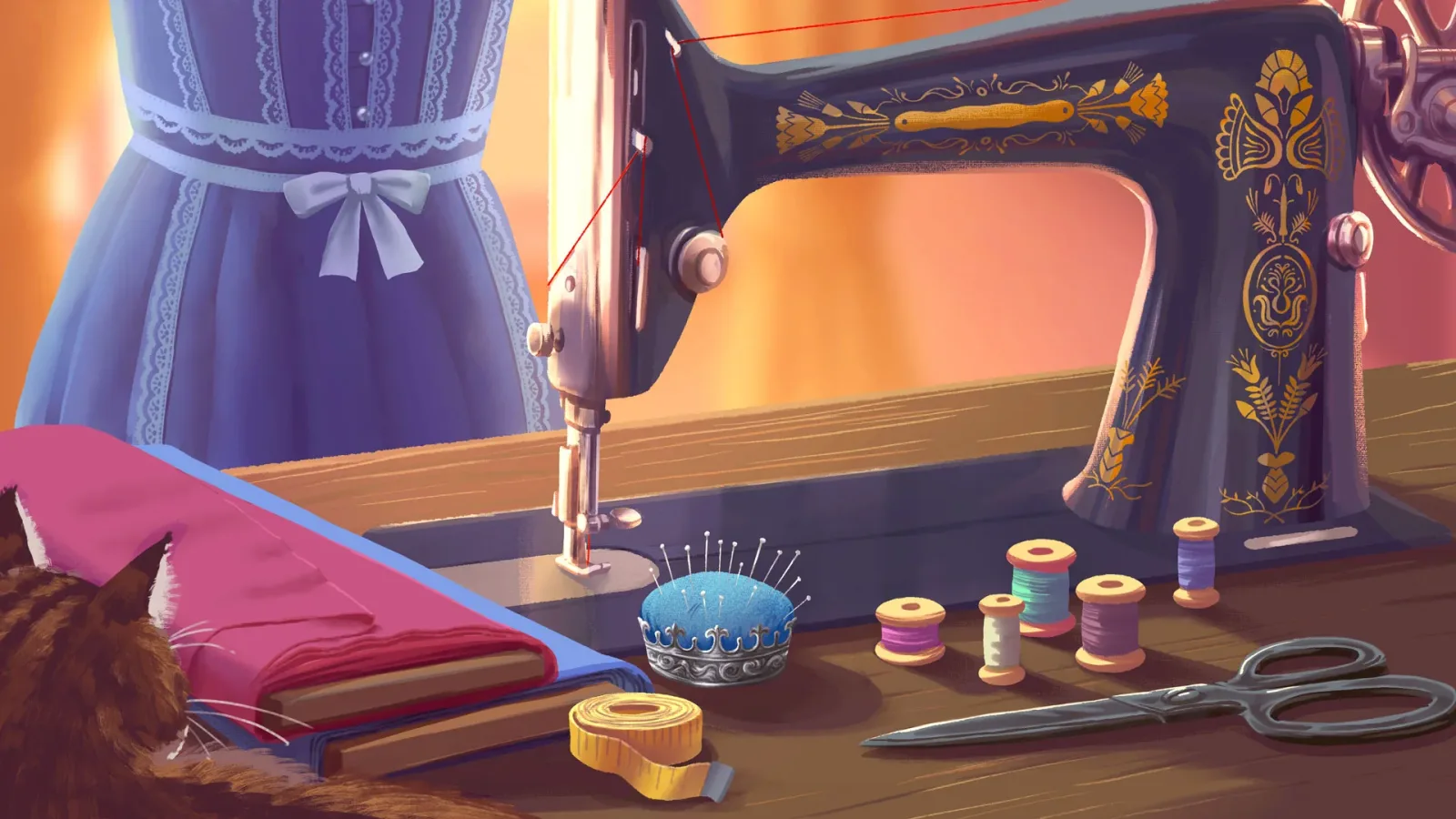
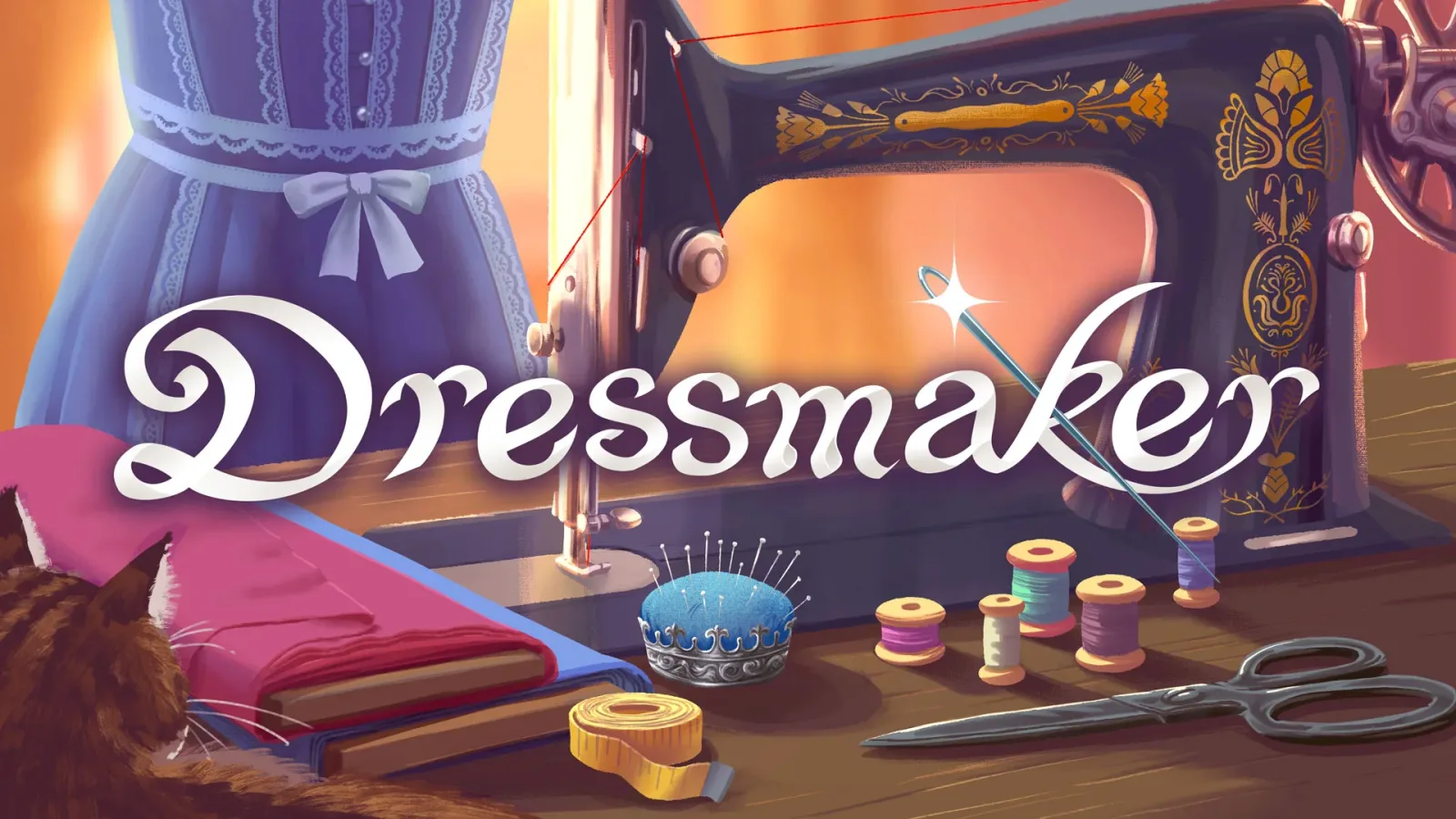
Dressmaker, the tactile tailoring game from Cozy Lives, is now available on Steam for PC and Mac. Built around the practical steps of making clothing, the game asks players to select materials, plan patterns, cut fabric, guide it through a sewing machine and add the finishing touches before presenting the result to a growing town of customers.
The launch follows strong early interest, with Dressmaker passing 400,000 wishlists before release. A new launch trailer accompanies its arrival, offering another look at the game's handmade visual style and its unusually direct approach to the craft of dressmaking. Rather than reducing fashion design to a menu of instant outfit choices, Dressmaker centers the physical process: laying out a design, preparing each piece and assembling a finished garment step by step.
Cozy Lives is a cozy-focused label from Free Lives. The project was created by Jonathan Hau-Yoon and Sabrina Becker, with additional development from Ruan Rothmann and Sara Laubscher. Meydän composed the music, while Kerstin Hall handled the game's writing.
A sewing game built around the making process
Dressmaker takes inspiration from real-world tailoring and sewing, beginning with the fabric itself. Players can purchase materials including cotton, linen, wool, silk and velvet, then use those resources as the basis for new dresses. Material choice is part of the creative process rather than a purely decorative selection, giving each outfit a more tangible starting point.
For useful background on this topic, read Of Peaks and Tides Builds a Survival Sandbox Around Myth, Weather and Giant Beasts.
Design work happens through a sketchbook, where players can develop and colour their ideas using fabric samples and appliqué. From there, patterns are arranged and previewed on a mannequin. The process then moves from planning to production: patterns are cut from the selected cloth, and fabric is fed through a sewing machine to form the garment.
That focus on individual stages gives Dressmaker a different rhythm from games that treat crafting as a quick exchange of ingredients for an item. A completed dress is meant to feel like the result of a sequence of decisions, from fabric texture and colour to the placement of patterns and embellishments. Buttons, bows and handmade accessories can all be used to distinguish a design and give players more ways to shape an outfit's final character.
The result can be elegant, whimsical or potentially disastrous, depending on the player's taste and the needs of the person who ordered it. Dressmaker openly makes room for mischievous creativity as well as customer service: townsfolk can be pleased by a fitting creation, or sabotaged with something far less suitable.
For another perspective on this story, read Dressmaker Launches on Steam for PC and Mac.
Commissions, shop displays and seasonal town life
The town at the center of Dressmaker provides the game's customers and much of its structure. There is a full community to serve, along with a calendar of special events that creates additional occasions for new clothing. Players can take on made-to-order commissions when they want a clear request to fulfill, responding to a customer's needs with a tailored creation.
For players who would rather work from their own ideas first, dresses can also be made in advance and displayed for sale in the shop window. This offers a second path through the tailoring business: instead of only reacting to commissions, players can build a ready-made collection and see which designs draw interest.
Turning in dresses earns reputation and coin, creating a progression loop tied directly to the craft. Reputation reflects the tailor's standing in town, while coin supports the purchase of further fabrics and continued work. The setup is a natural fit for a cozy simulation, but the detail placed on sewing means advancement is still rooted in hands-on creation rather than being detached from the central activity.
The special-event calendar also suggests a reason to revisit the design process with different goals in mind. Events can call for a change of style or encourage players to experiment with materials and adornments they might not otherwise choose. Alongside the broader progression systems, Dressmaker includes a smaller but essential cozy feature: a cat that can be petted.
Creative freedom with room for imperfection
The appeal of Dressmaker lies in the way it combines guided tasks with personal expression. Commissions give players an immediate purpose, but the game's tools appear designed to let each response look different. The sketchbook, fabric options, appliqué, mannequin previews, patterns and accessories all create opportunities for variation before the garment even reaches the sewing machine.
For players who enjoy fashion games but want more direct involvement in producing their designs, the cut-and-sew structure is likely to be the main draw. The game does not simply ask players to select a finished silhouette and apply colours. Instead, it frames a dress as something assembled from constituent parts. Choosing fabric, placing patterns and decorating a finished piece are connected steps in a larger workflow.
There is also an intentionally playful edge to the premise. A town full of clients is not just an audience for perfect formalwear; it is an opportunity to test the limits of good taste. The ability to satisfy or sabotage customers makes room for experimentation, unexpected combinations and deliberately questionable fashion decisions. That should help keep the game from becoming solely a quest for technically correct orders.
At the same time, the core loop remains approachable in concept. A player begins with material, turns an idea into a design, constructs the dress and uses it to participate in town life. Whether the goal is a carefully coordinated garment for a commission or a strange storefront creation made on a whim, the process returns to the tactile act of sewing.
Why the wishlist milestone matters
More than 400,000 wishlists before launch is a notable sign of attention for a game centered on a specific domestic craft. It suggests that Dressmaker's premise has reached beyond a narrow audience of sewing enthusiasts, attracting players interested in cozy management games, creative sandboxes and fashion-focused simulations.
The interest may also reflect the clarity of the game's central fantasy. Dressmaker is easy to understand at a glance: run a small tailoring operation, make clothes by hand and become part of a charming local community. Yet the underlying process has enough stages to offer more texture than a conventional shop-management loop. The promise is not just to sell dresses, but to feel responsible for how they are designed and made.
Its arrival on both PC and Mac through Steam makes the game accessible to a broad desktop audience from day one. No console, mobile or handheld versions have been detailed as part of this launch announcement, so the currently confirmed platforms are PC and Mac.
The people behind Dressmaker
Dressmaker comes from Cozy Lives, operating as a label under Free Lives. Jonathan Hau-Yoon and Sabrina Becker are credited as the game's creators. Ruan Rothmann and Sara Laubscher contributed additional development, while Meydän provided the music and Kerstin Hall wrote for the project.
Those credits point to a compact team supporting a game whose appeal depends heavily on mood as well as mechanics. Tailoring is naturally a visual and tactile subject, but the town, its residents, music and writing will all help determine whether the workbench feels like part of a lived-in place rather than an isolated crafting interface.
Dressmaker is available now on Steam for PC and Mac. Players can begin building a reputation one garment at a time, choosing whether to become the town's most dependable dressmaker, its boldest fashion experimenter, or a little of both.

Community
Discussion
Start the conversation.
No comments have been posted yet.