

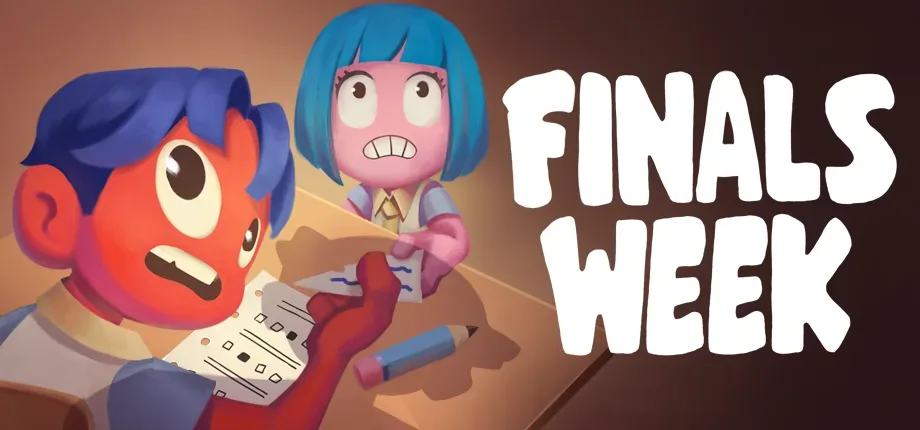
Finals Week, the upcoming co-op cheating simulator from developer DESTINYbit and publisher Pretty Soon, is scheduled to launch on Steam on October 29, 2026. Built around the stressed, mischievous energy of a school's final exam period, the game asks friends to survive a gauntlet of increasingly difficult tests by employing every possible tactic other than the one students are usually told to use: studying.
The premise is intentionally chaotic. Finals Week is set in a school styled after the 1990s, where a group's fate is tied together during exams. Players do not simply compete for individual grades; success is collective. The game's core rule is blunt: everybody passes, or everybody fails. That shared result turns each classroom into a co-op problem, where planning, quick thinking, communication, and a willingness to create a distraction at precisely the wrong moment may matter more than knowing the answers.
A co-op test of coordination, not knowledge
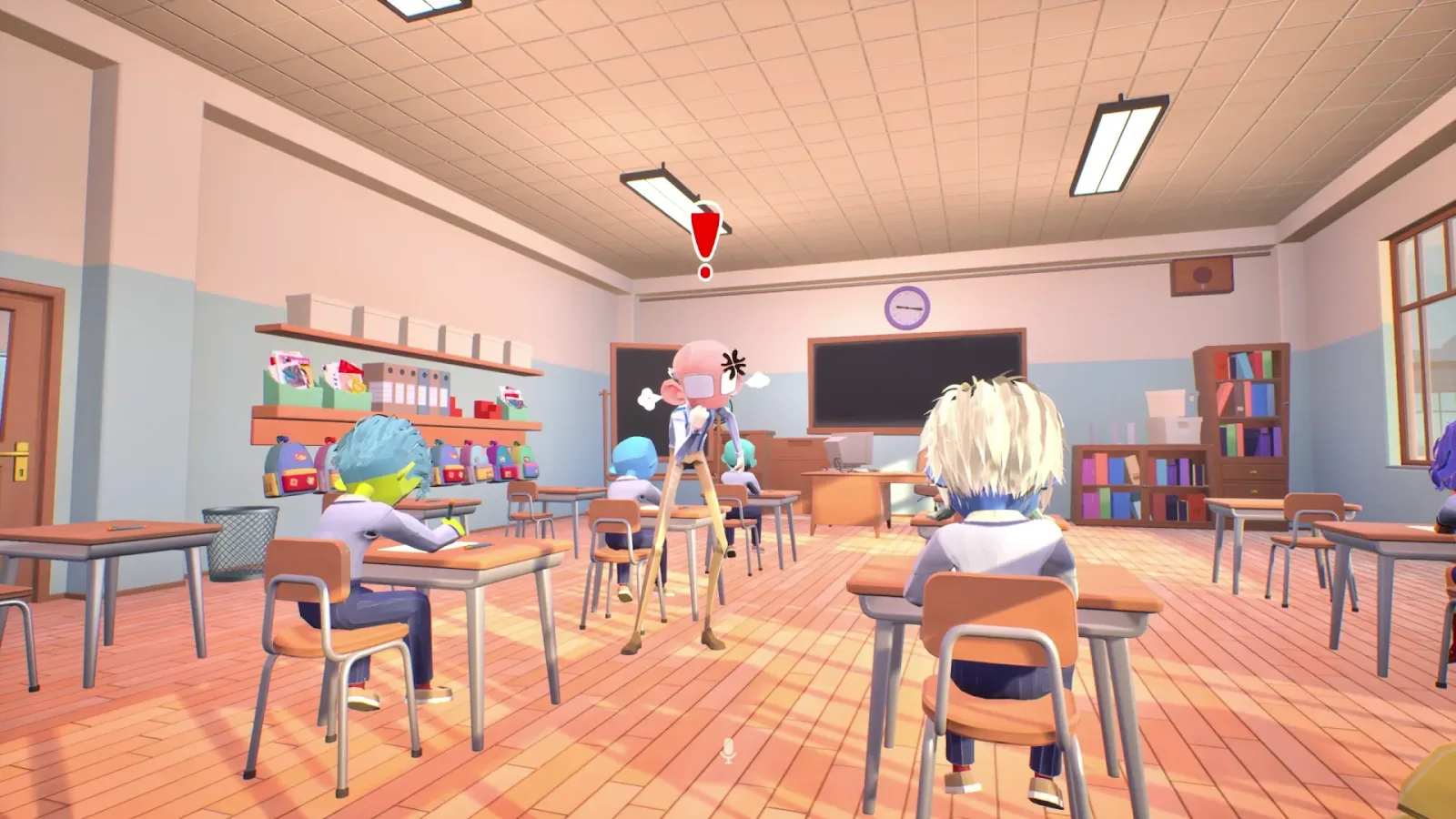
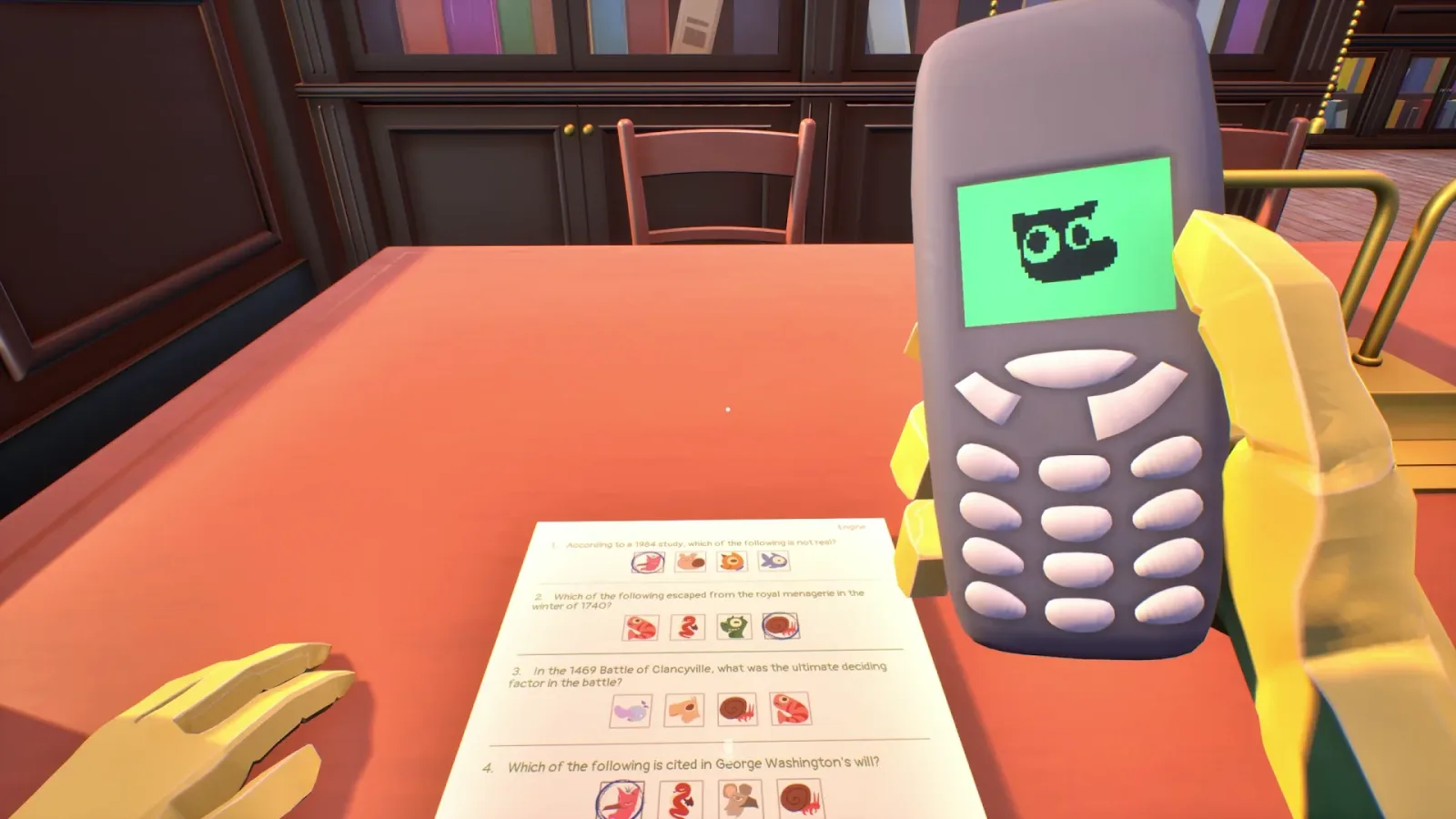
Finals Week frames its exams as escalating cooperative challenges. Players must work around a patrolling teacher while finding ways to obtain, share, and deliver answers. Copying from classmates, passing textbooks across the room, whispering through proximity chat, and using an indestructible cellphone are all part of the game's stated toolbox. The result looks less like a conventional school simulation and more like a multiplayer stealth-comedy scenario played out among desks, blackboards, and suspicious faculty.
Because the group shares the outcome, a successful tactic is not necessarily one that only helps the player using it. One person may need to create noise on one side of the classroom so another can sneak a textbook to a teammate. A player who has found an answer may need a safe route or reliable communication method to pass it on. Someone else might be watching the teacher's movements, ready to signal when the patrol path opens a brief opportunity.
For useful background on this topic, read Dreadline Express Launches on Steam, Bringing Psychological Horror to Humanity's Last Train.
That structure should make coordination central to every session. A team can have the right answer and still fail if it cannot move information across the classroom without drawing attention. Conversely, a clever improvised plan could potentially turn an otherwise difficult situation around. The game's 1990s setting also supports its mix of physical notes and schoolroom gadgets, making tools such as paper balls, textbooks, and walkie-talkies feel like natural parts of the environment rather than purely abstract power-ups.
Cheating tools range from low-tech notes to strange gadgets
Finals Week includes a broad set of tools and interactions for squads to experiment with. The indestructible cellphone is one of the more conspicuous options, intended to let players send answers even amid the pressure of a monitored exam. Walkie-talkies can support communication, while binoculars may help players observe what is happening from a distance. Paper balls and other throwable objects offer the potential to pass information or cause a useful commotion.
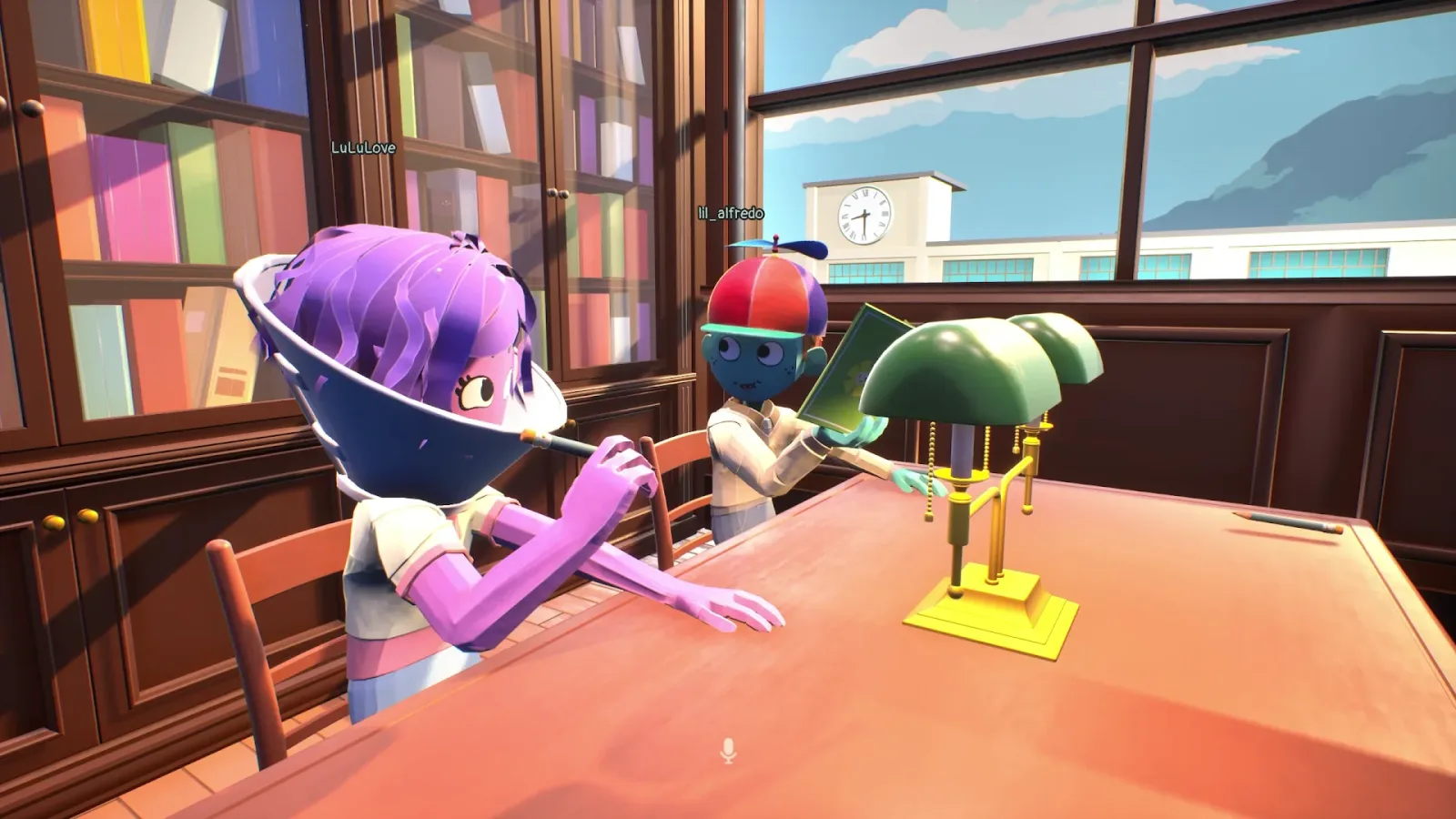
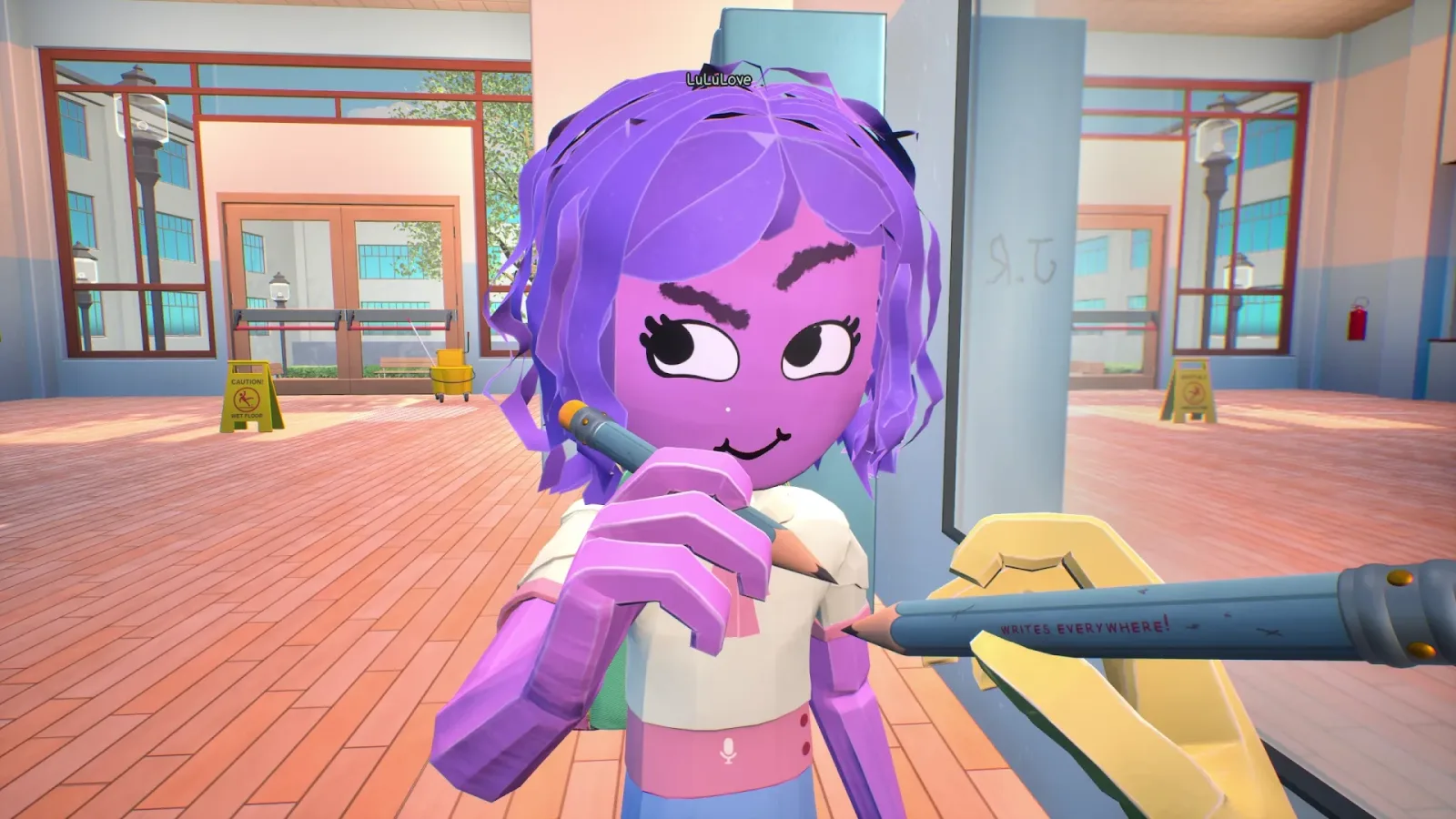
There are also hidden textbooks, classroom equipment, and environmental distractions to consider. Players can write notes on desks, walls, and even on other players, making the school itself part of the group's strategy. The ability to leave information behind in the environment could create memorable moments: a hastily written clue in the right location may save a teammate, while a badly placed note could leave a group scrambling to recover.
For another perspective on this story, read Finals Week Brings Co-op Cheating Chaos to Steam on October 29.
Among the stranger tools is a pen that doubles as a tranquilizer blowgun. It is an especially clear sign that Finals Week is leaning into exaggerated comedy rather than realism. The game's systems appear designed to encourage players to try unconventional ideas, whether that means relying on a covert answer-passing routine or turning the classroom into a chain reaction of distractions.
Secret passages are another part of the equation. Crawling through hidden routes can offer a way around a visible classroom path, though the value of such shortcuts will likely depend on timing and on whether the rest of the squad can capitalize on the opening. In a game where everyone needs to pass, slipping away alone is only useful if it ultimately helps the entire group.
Getting caught makes the challenge stranger, not necessarily over
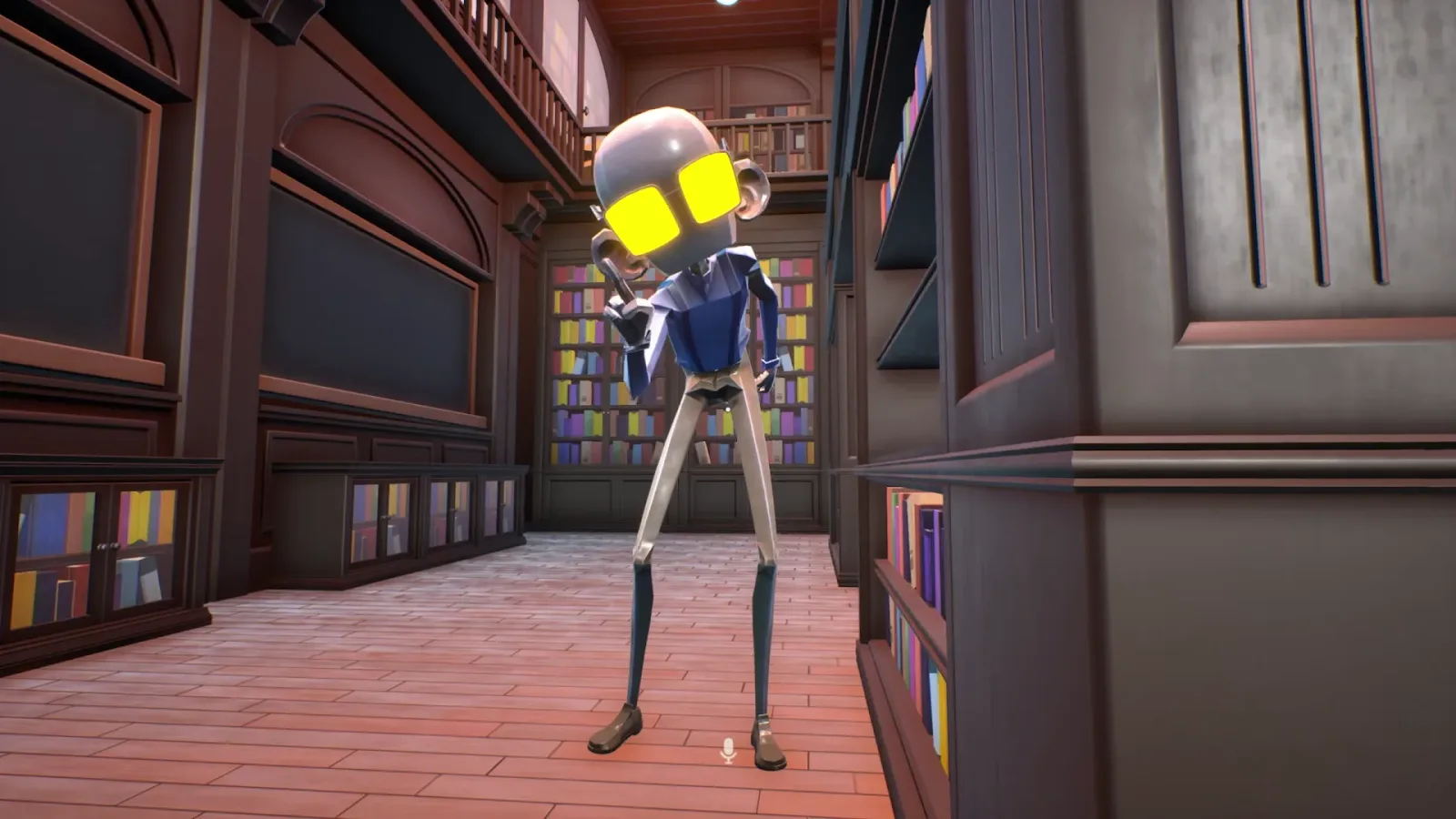
The teacher is not simply background decoration. A patrolling instructor represents the game's immediate threat, forcing players to weigh risk against reward while they attempt to coordinate their answers. Being detected can lead to a series of progressively sillier restraints. These punishments are meant to make cheating more difficult, but they do not automatically remove a player from the action.
That distinction is important to Finals Week's co-op identity. A caught teammate can still remain part of the plan, even if their new restriction turns them into an unexpected liability. Rather than ending an attempt the moment someone is spotted, the group may have to adapt to a newly complicated situation. A squad that was smoothly moving textbooks and messages could suddenly need to compensate for a restrained player, revise its routes, or create an even larger distraction.
The approach leaves room for the kind of recoveries that give cooperative games their best stories. Teams may begin an exam with a disciplined strategy, only for a teacher patrol, a misplaced throw, or a poorly timed whisper to send everything off course. Finals Week's emphasis on improvised tactics suggests that those breakdowns are intended to be part of the fun rather than merely a sign that the plan has failed.
The school hall provides downtime between exams
Outside the exam room, squads can spend time in the school hall. This shared space gives players an opportunity to take a break from classroom pressure, interact with the environment, and prepare for whatever comes next. Players can play basketball, discuss tactics, and use the downtime to plan how they want to handle upcoming tests.
The hall is also where players can unlock new outfits, hairstyles, and colors. These customization options give groups a way to establish their own look between attempts. While the central hook is clearly the co-op exam chaos, character customization and a social staging area can help make the school feel like more than a sequence of isolated challenge rooms.
For groups of friends, that in-between space may be where strategies develop. One team might decide to rely heavily on whispers and proximity communication. Another may prefer to stock up on visual tools and environmental tricks. The possibility of planning outside the immediate exam pressure fits the game's cooperative focus, while basketball and other interactions give players something lighter to do before returning to the next test.
A school comedy built for group problem-solving
Finals Week's pitch is rooted in a familiar fantasy of getting through an impossible exam with help from friends, but it takes that scenario to deliberately absurd extremes. The game is not presenting cheating as a serious academic simulation. Instead, it uses the language of school rules, surveillance, and last-minute cramming as a framework for social multiplayer comedy.
The combination of proximity chat, throwable objects, drawn notes, secret passages, and teacher patrols could make communication as entertaining as execution. In one moment, a quiet whisper might be the safest solution. In the next, the group may need a loud diversion while someone crawls through a hidden route. Since teammates share the same pass-or-fail result, even a player who is not holding an answer can be essential to a successful run.
That all-for-one design separates Finals Week from games where multiplayer cooperation is optional or where players can simply focus on their own score. Here, the stated goal requires the group to think collectively. A single player's mistake can complicate the entire classroom, but a single player's clever move can also create the opening everybody needs.
Finals Week release date and platform
Finals Week will launch for Steam on October 29, 2026. DESTINYbit is developing the game, with Pretty Soon handling publishing. The announced version is centered on PC through Steam, and no additional platforms or release timing have been announced in the available details.
With its 1990s-school setting, shared stakes, and intentionally over-the-top collection of cheating devices, Finals Week is positioning its exams as a source of co-op mishaps rather than academic stress. Players will need to keep one eye on the teacher, another on the answers, and perhaps a third on whichever teammate has decided that a tranquilizer pen is the best way to handle finals.
Community
Discussion
Start the conversation.
No comments have been posted yet.