

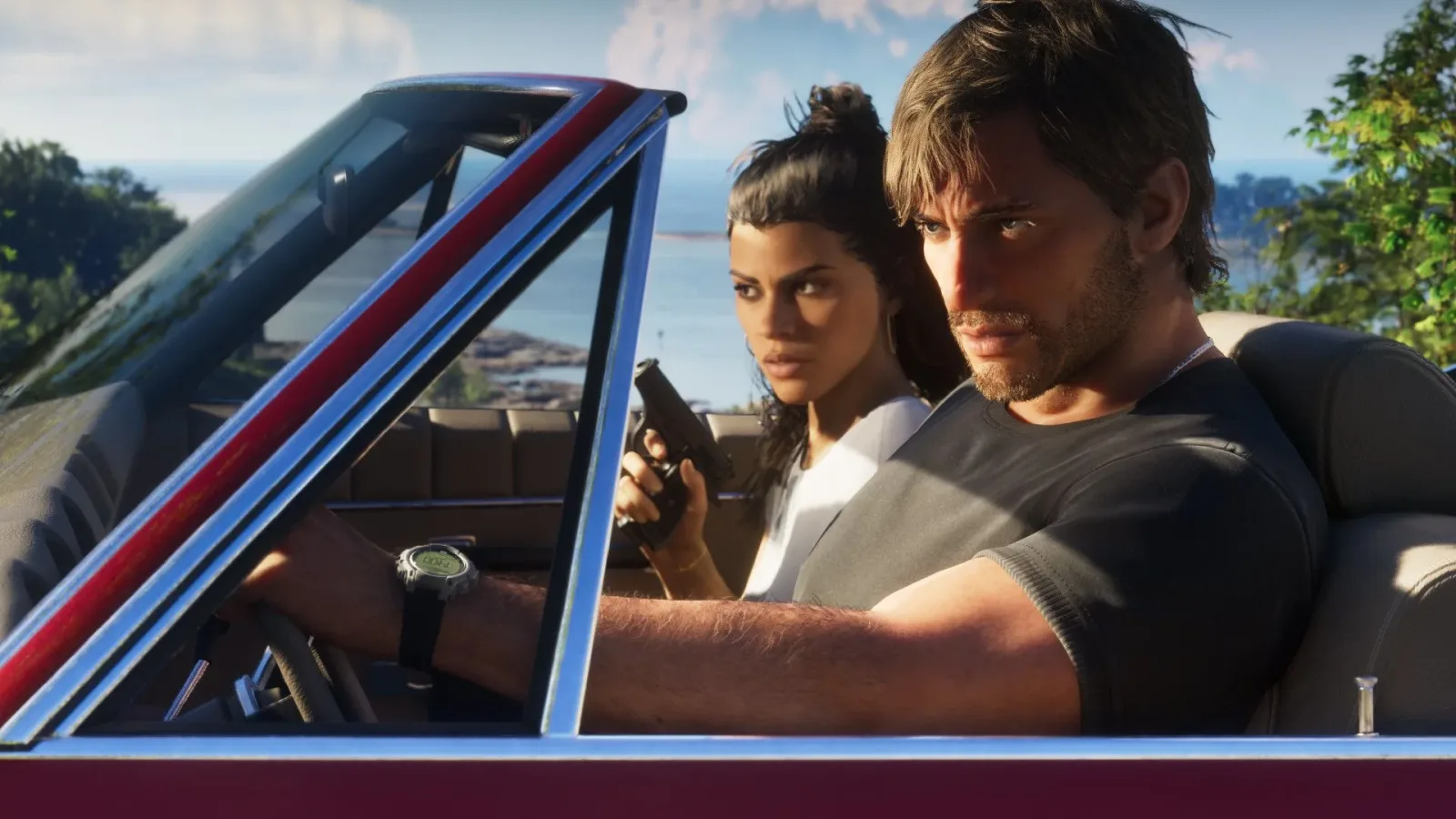
Rockstar Games has continued to pull back the curtain on Grand Theft Auto 6, with a fresh wave of discussion centered on the systems that will define its enormous open world. Rather than focusing solely on the game's headline story, the newest information puts attention on the surrounding details: wildlife, optional activities, weather, and the sheer density of the sandbox players will explore.
The game's prominent magazine cover feature has provided a new opportunity for Rockstar to talk about the scale and complexity it is pursuing. Rob Nelson, a key Rockstar figure involved in the discussion, has helped frame the sequel as a project built around detail without sacrificing the broad scope expected from a new Grand Theft Auto. That balance is central to why these updates matter. GTA 6 is not simply being positioned as a larger map; it is being presented as a world intended to feel more alive from one moment to the next.
That is an ambitious target, particularly for a series whose appeal has always come from the collision of authored missions and unscripted chaos. Players may follow a major criminal storyline, but they can just as easily spend hours driving, exploring, provoking the authorities, finding distractions, or watching systems interact in unexpected ways. The new focus on animals, activities, and weather suggests Rockstar sees those seemingly smaller details as essential to making Vice City and the wider state of Leonida convincing.
Weather Is More Than a Visual Upgrade
Weather has long been part of the atmosphere in Grand Theft Auto, from sudden rainstorms to the shifting light that changes how a city looks at sunset. GTA 6 appears set to make it a more significant part of the world's identity. Rockstar has described the game's weather technology as completely re-engineered compared with Red Dead Redemption 2, a notable point given that the 2018 western is still widely regarded as one of the most technically accomplished open-world games of its generation.
For useful background on this topic, read Heartworm Brings Its Camera-Focused PS1 Horror Homage to Consoles.
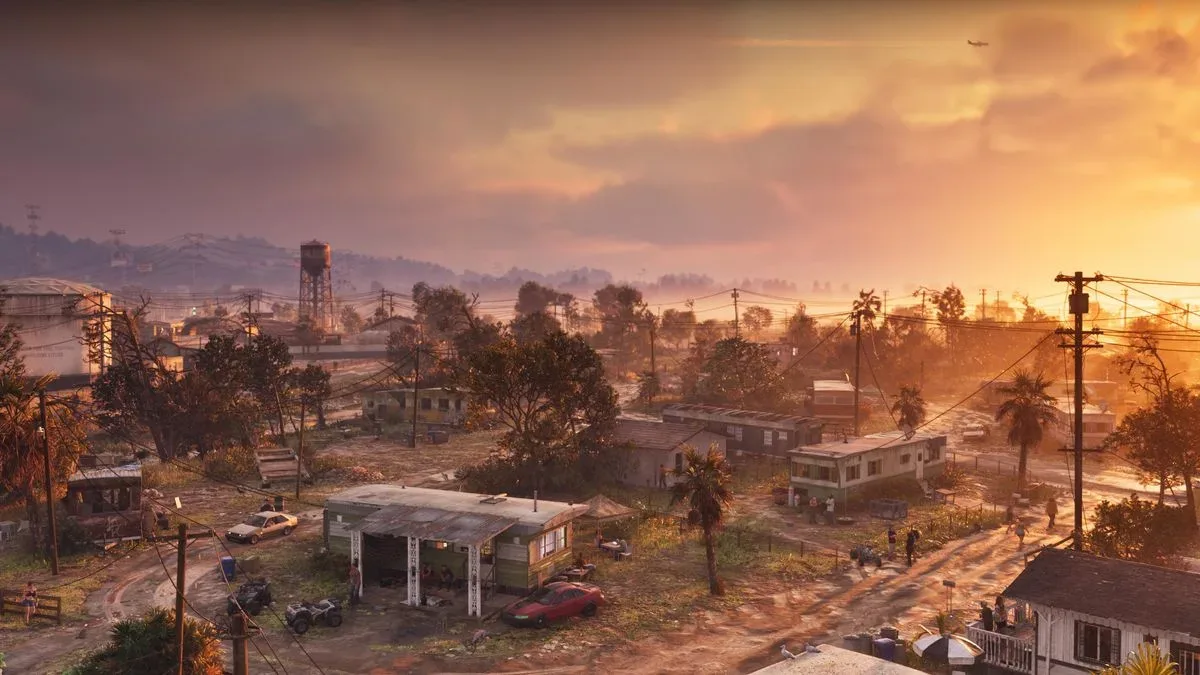
Florida-inspired Leonida offers obvious opportunities for extreme conditions. Vice City is a setting associated with bright coastal sunshine, heavy rain, humid nights, storms, and the threat of hurricanes. Rockstar has not laid out a full technical breakdown of how every weather state will affect play, so it would be premature to treat any specific gameplay effect as confirmed. Still, putting weather forward as a major development talking point indicates that it is meant to do more than change the skybox.
The strongest open worlds use weather to alter mood, readability, traffic flow, ambient behavior, and the player's own sense of place. A busy boulevard can feel radically different when soaked by rain; a shoreline can look inviting under clear skies and ominous as a storm moves in. For GTA 6, a more advanced weather model could be one of the key ways Rockstar makes familiar urban activities feel less repetitive over dozens or hundreds of hours.
It also fits the broader promise of a game designed around contrast. Grand Theft Auto has always mixed glamour with danger, comedy with menace, and spectacle with routine city life. Dynamic conditions can reinforce that approach without requiring every moment to become a scripted event. Even an ordinary drive, boat trip, or walk through town has more texture when the world around it is visibly changing.
Animals Could Add Another Layer of Unpredictability
Wildlife is another area receiving renewed attention. Animals were already an important part of Red Dead Redemption 2, where they contributed to hunting, environmental storytelling, and the sense that the frontier existed beyond the player's immediate objectives. GTA 6 will be working with a very different environment, but Florida provides a distinctive mix of urban areas, wetlands, coastlines, and rural spaces that can support a wide range of animal life.
Rockstar has highlighted the presence of animals, though the latest material does not provide a definitive list of every species, interaction, or gameplay system attached to them. That limitation is worth keeping in mind. A wildlife system can serve many roles, from background ambiance to more direct encounters, and the exact shape of GTA 6's implementation remains to be seen.
Even so, wildlife matters because it expands the game's sense of scale beyond streets, vehicles, pedestrians, and mission markers. In a setting modeled after a state rather than a single city, the space between major locations needs personality. Animals can help make swamps, waterways, beaches, back roads, and undeveloped regions feel like places with their own rhythms instead of empty travel corridors.
Their inclusion also raises the prospect of more emergent moments. Rockstar's games are often at their best when players stumble into something memorable that was not part of a mission: an odd interaction, a sudden disruption, or a small environmental detail that encourages them to stop and look around. More active wildlife could contribute to that quality, especially when combined with changing weather and the game's expected population density.
Activities Will Be Important to GTA 6's Long-Term Appeal
Optional activities and distractions are equally significant. The Grand Theft Auto formula has never depended only on its main campaign. Its longevity comes from giving players reasons to remain in the world after a major mission ends, whether that means pursuing a side pursuit, sampling a local pastime, collecting items, exploring a new district, or simply creating their own trouble.
The latest GTA 6 conversation points to a variety of activities waiting across the sandbox, although Rockstar has not yet published a complete menu of what players can do. That distinction matters. The existence of broad activity support is clear, but individual mechanics, rewards, and availability should not be assumed until Rockstar details them directly.
What can be said is that optional content is likely to be crucial to the game's pacing. A huge map alone does not guarantee a compelling open world. Players need reasons to engage with each region, and those reasons work best when they suit the setting. Vice City's coastal, nightlife-heavy identity could give Rockstar a very different set of opportunities from Los Santos or the American frontier of Red Dead Redemption 2.
There is also a practical side to these features. Side activities create breathing room between story missions, giving players a chance to set their own priorities. They make a setting feel inhabited rather than constructed only to deliver the next cutscene. In a game as anticipated as GTA 6, they will also be closely scrutinized as evidence of whether Rockstar has meaningfully evolved the series' sandbox design.
Scale Must Be Matched by Detail
One of the most striking themes around GTA 6 is Rockstar's insistence that it has not treated scale and detail as competing goals. Open-world games often face that trade-off: increase the size of the map, and individual locations can risk feeling less distinctive. Rockstar's comments instead emphasize the goal of delivering both a large play space and a highly considered one.
That ambition is reflected in the subjects now being discussed. Weather systems, animals, and pastime activities may sound secondary beside missions, protagonists, or vehicles, but they are the connective material between the major set pieces. They determine whether the world feels like a location players inhabit or merely a backdrop they move through.
The challenge for Rockstar will be making those systems readable and meaningful without overwhelming the player. A dynamic world works best when it creates possibility, not friction. If GTA 6 can make its environmental detail visible in everyday play while still preserving the immediate, accessible thrill associated with Grand Theft Auto, it will have achieved something more substantial than a simple increase in map size.
The Collector's Edition Debate
The week's GTA 6 discussion has also turned toward the game's Collector's Edition box set. The package has been valued at $400, and its reported framing has prompted debate because it does not include a copy of the game itself. Premium editions are nothing new, but a high-priced physical collection sold separately from the software is still the kind of decision guaranteed to divide an audience.
For collectors, the appeal will depend on the tangible extras and the personal value they attach to one of the industry's biggest releases. For others, the omission of the game will make the price difficult to justify regardless of the contents. The conversation reflects the unusually intense attention surrounding GTA 6: nearly every announcement, feature detail, and product tier is being examined as part of the larger question of how Rockstar will handle such a monumental release.
GTA 6 Release Date and Platforms
Grand Theft Auto 6 is scheduled to launch on November 19, 2026 for PlayStation 5 and Xbox Series X. Rockstar has not announced a PC version in the information discussed here, so players should avoid treating one as confirmed until the company makes its plans official.
There is still plenty that Rockstar has not revealed, including the full extent of the game's activities, how its wildlife systems will function, and precisely how its reworked weather will influence the moment-to-moment experience. Yet the newest details make the direction clearer. GTA 6 is aiming to build its impact not only through spectacle and story, but through a world that changes around the player and offers reasons to linger within it.
For a sequel carrying expectations of this scale, that may be the most important promise of all. Vice City will need to be impressive on first arrival, but it will need to remain interesting long after players have seen its skyline. Rockstar's emphasis on environmental complexity, living creatures, shifting conditions, and diversions suggests it understands that challenge.

Community
Discussion
Start the conversation.
No comments have been posted yet.