

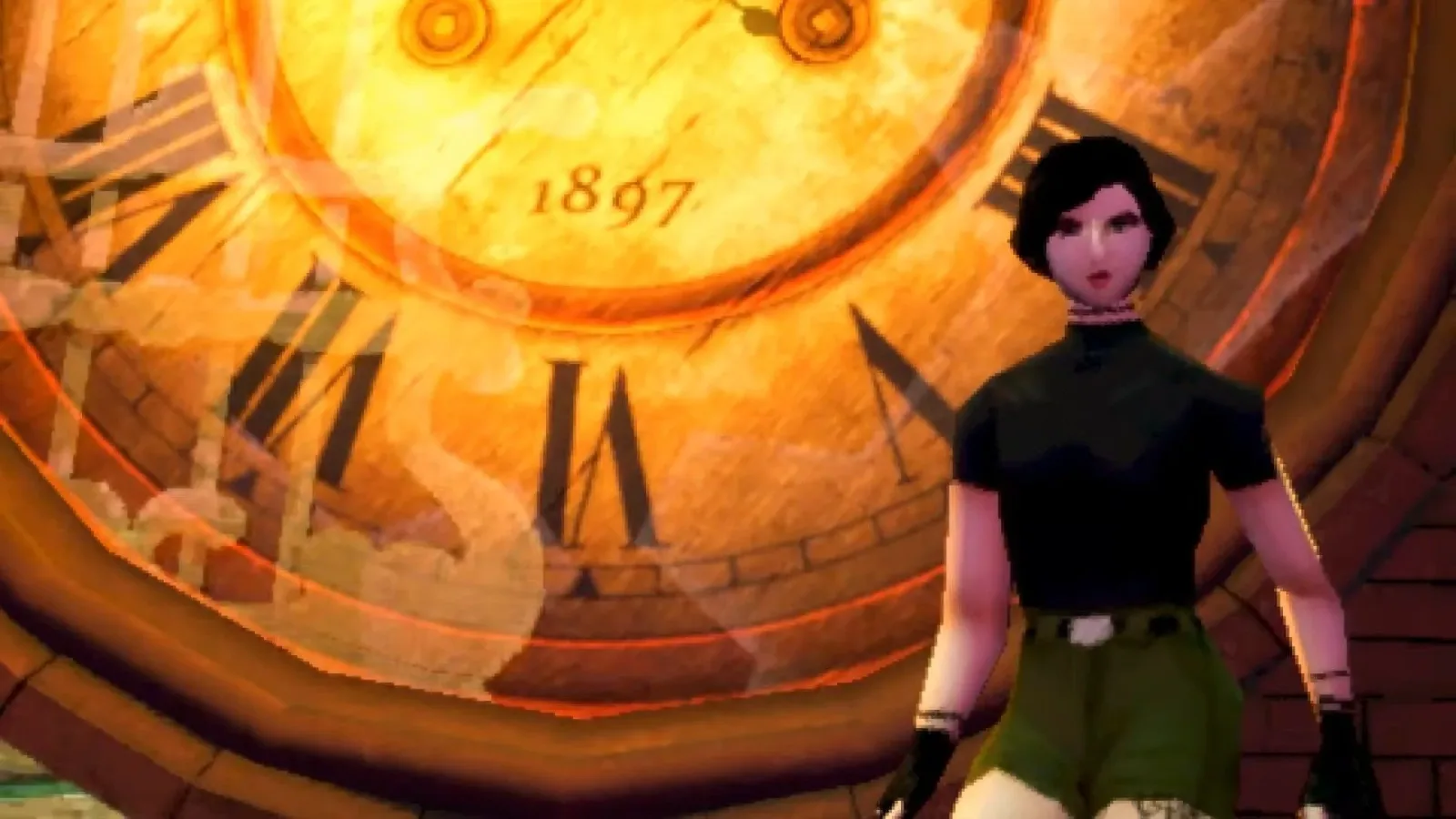
Heartworm, the surreal survival horror game from developer Vincent Adinolfi and publisher DreadXP, has expanded from its original PC release to a broad range of console platforms. Its arrival gives more players a chance to explore a compact, unnerving adventure built around abandoned spaces, fragmented memories, puzzle-solving, and a camera that is far more than a simple storytelling prop.
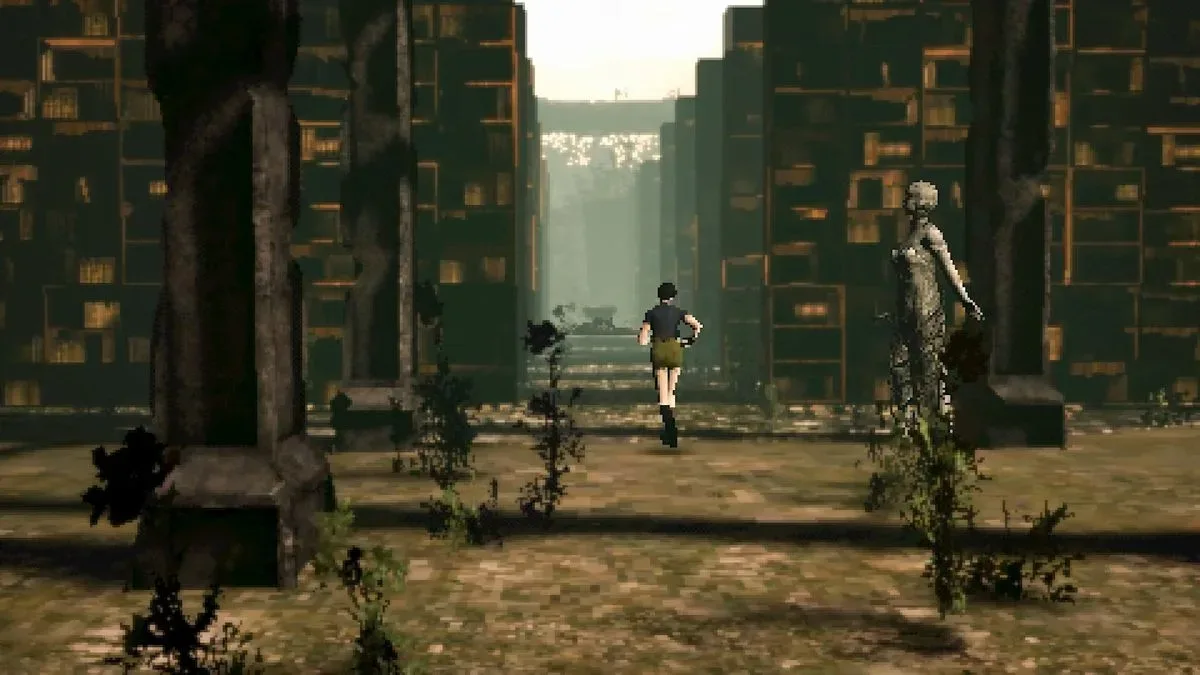
The game wears its admiration for late-1990s and early-2000s survival horror openly. Players who grew up with the oppressive stillness of early Silent Hill, the constrained movement and resource-minded exploration of Resident Evil, or the vulnerability of games such as Clock Tower will recognize the design language quickly. But Heartworm is not simply attempting to reproduce an older era. Its strongest moments come from the way it uses those genre foundations to support a distinctly personal atmosphere, one filled with television static, liminal architecture, darkness, and grief.
Heartworm is now available on PS5, PS4, Xbox Series X/S, Xbox One, Nintendo Switch 2, and Nintendo Switch, alongside PC. It is priced at about $15 across its platforms, placing it squarely in the range of a focused, budget-friendly horror experience rather than a massive time commitment.
A Search for the Dead Leads Somewhere Far Stranger
The premise centers on Sam, a protagonist haunted by the past who sets out hoping to contact the dead. Armed with a camera, she begins investigating an abandoned house, but the journey soon carries her through a succession of surreal locations shaped by memory and unease. The eventual destination is a strange cathedral, though getting there means navigating places that feel increasingly disconnected from ordinary reality.
For useful background on this topic, read Nacon Revolution 5 Unlimited Brings a Screen, Charging Dock and TMR Sticks to PS5.
That setup gives Heartworm room to move between markedly different environments. One stretch may put Sam in the close, uncomfortable corridors of suburban interiors, while another sends her into a forest where the danger is less easily understood. The game's spaces do not merely serve as backdrops for enemy encounters; they establish the tone of each chapter and shift the kind of tension players are asked to manage.
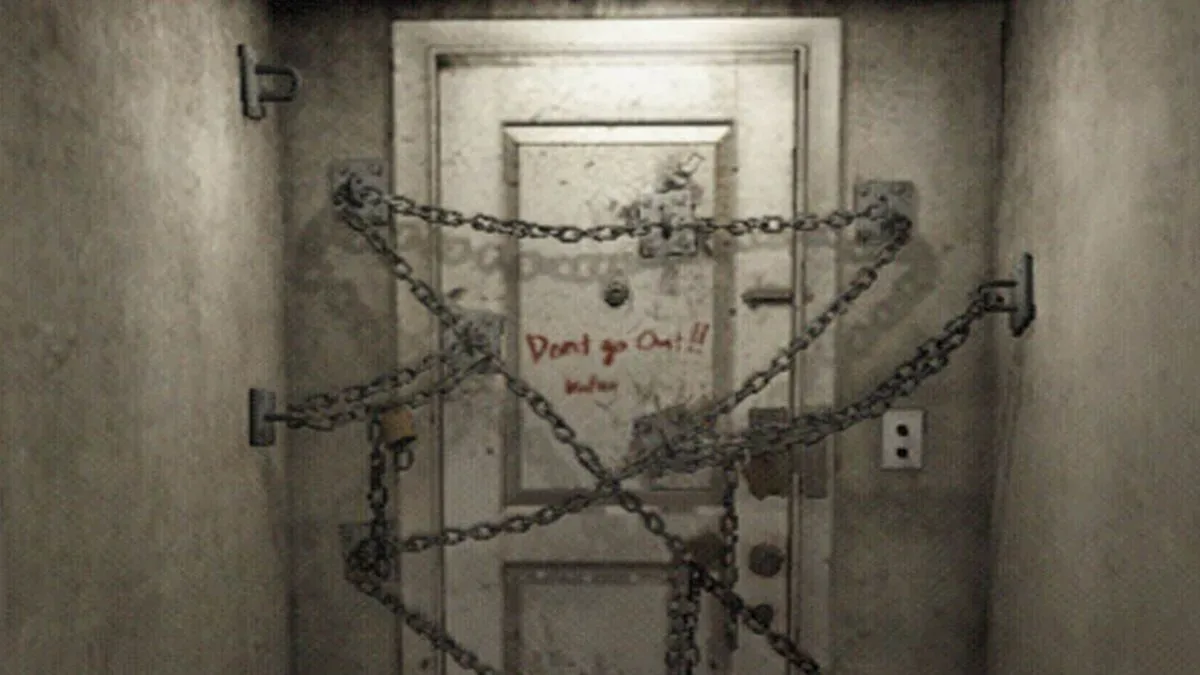
There is an especially strong sense of being caught in a realm that obeys its own unsettling logic. The structure can evoke the disorienting, apartment-to-otherworld movement seen in Silent Hill 4: The Room, but Heartworm's individual settings and persistent static-laced presentation give its journey a separate identity. The game is at its most effective when players are unsure whether they are moving toward an answer, deeper into a memory, or into another place entirely.
The Camera Is the Centerpiece
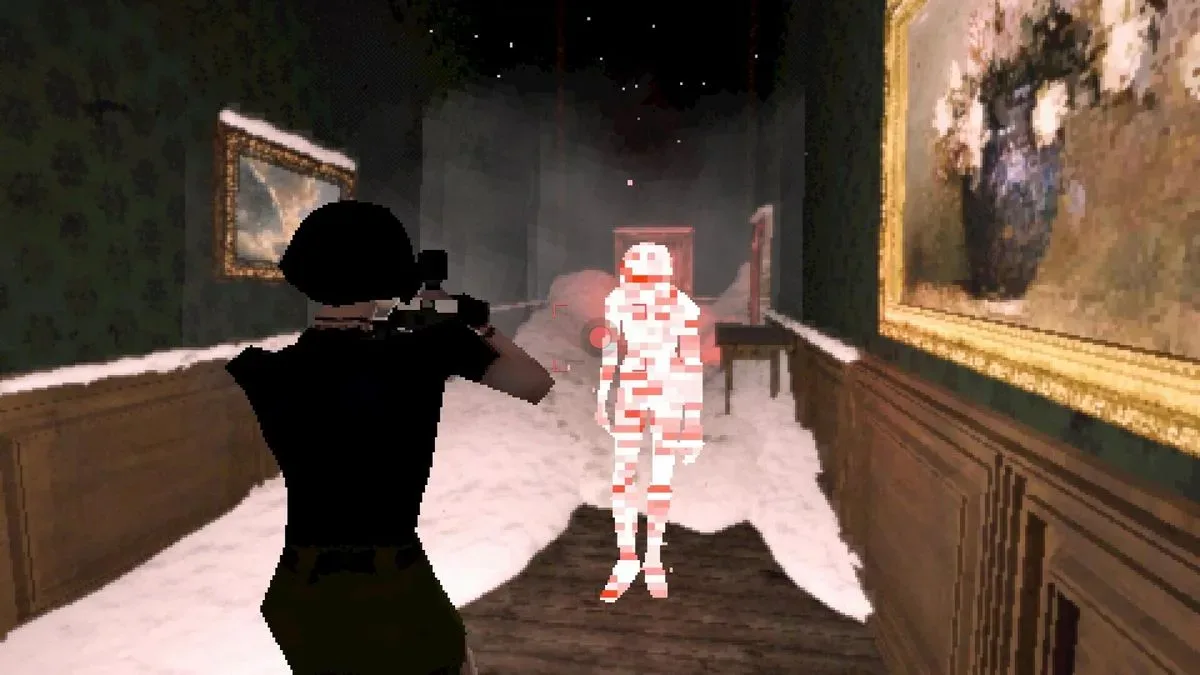
Sam's camera is the feature that most clearly distinguishes Heartworm's approach. It is woven into both exploration and action, making it a constant companion rather than an occasional gimmick. In the earliest portions of the game, the flash is particularly important because it can briefly illuminate spaces that would otherwise remain nearly pitch black. Those sudden bursts of visibility create a particular kind of anxiety: each flash reveals only enough to make players wonder what may be waiting just outside the next beam of light.
This mechanic helps make the opening memorable. An abandoned house is already familiar terrain for horror, but Heartworm extracts a great deal of suspense from the limited visibility and the anticipation of an eventual first encounter. Instead of flooding the player with immediate threats, it lets the tension accumulate. The question is not only what is present in the darkness, but when the game will finally force a confrontation.
As the adventure progresses, the camera continues to add a modern twist to an intentionally old-school framework. Heartworm understands that the appeal of classic survival horror was not solely fixed camera angles, tank controls, or low-fidelity visuals. It was the feeling that the player had incomplete information and imperfect tools in an inhospitable place. The camera gives the game its own way of creating that uncertainty while also contributing to its action.
Old-School Controls Are an Option, Not an Obligation
Heartworm's console launch is especially fitting because the game is so deeply connected to the PS1-era survival horror tradition. Yet it does not demand that every player embrace every convention of that period. Players can choose whether to use tank controls or disable them, allowing them to tune the feel of movement to their own preference.
That choice is important for a game that aims to welcome both genre veterans and people who may only know these older titles through their reputation. Tank controls can heighten the deliberate, slightly awkward vulnerability associated with classic horror games, but they can also be a barrier for those accustomed to contemporary control schemes. Offering both approaches lets Heartworm retain the flavor of its inspirations without treating nostalgia as a mandatory test of patience.
The result is a game with slicker handling than many of the works it recalls, even as it preserves a deliberately retro presentation. It is a useful reminder that a throwback does not have to copy every limitation of its influences. Sometimes the most meaningful tribute is understanding what made those games tense, evocative, and memorable, then finding a new way to deliver that feeling.
A Focused Horror Game for a Few Evenings
Heartworm can be completed in roughly four to six hours. The exact total will vary depending on how long its puzzles hold players up, how thoroughly they search for collectibles, and how often they stop to save. That modest length suits the game's structure. Its areas are clearly separated, creating natural stopping points for anyone who would rather play in shorter sessions than finish the story in one long night.
For players who enjoy a concentrated horror experience, that pace is likely part of the appeal. Heartworm does not require a weeks-long commitment before it begins exploring its core ideas. It introduces its premise, establishes the camera mechanic, and takes Sam through a changing series of spaces without excessive detours. The compact scope also means that its strongest aesthetic ideas remain at the forefront: the heavy darkness, the textural presence of TV static, and the uneasy feeling of moving through places where memory has become physical.
The game does, however, leave room for players who want to investigate every corner. Puzzles and collectibles can extend the run, while cautious saving and anxious exploration are entirely appropriate responses to a survival horror game built to make its audience nervous.
References That Usually Support the Experience
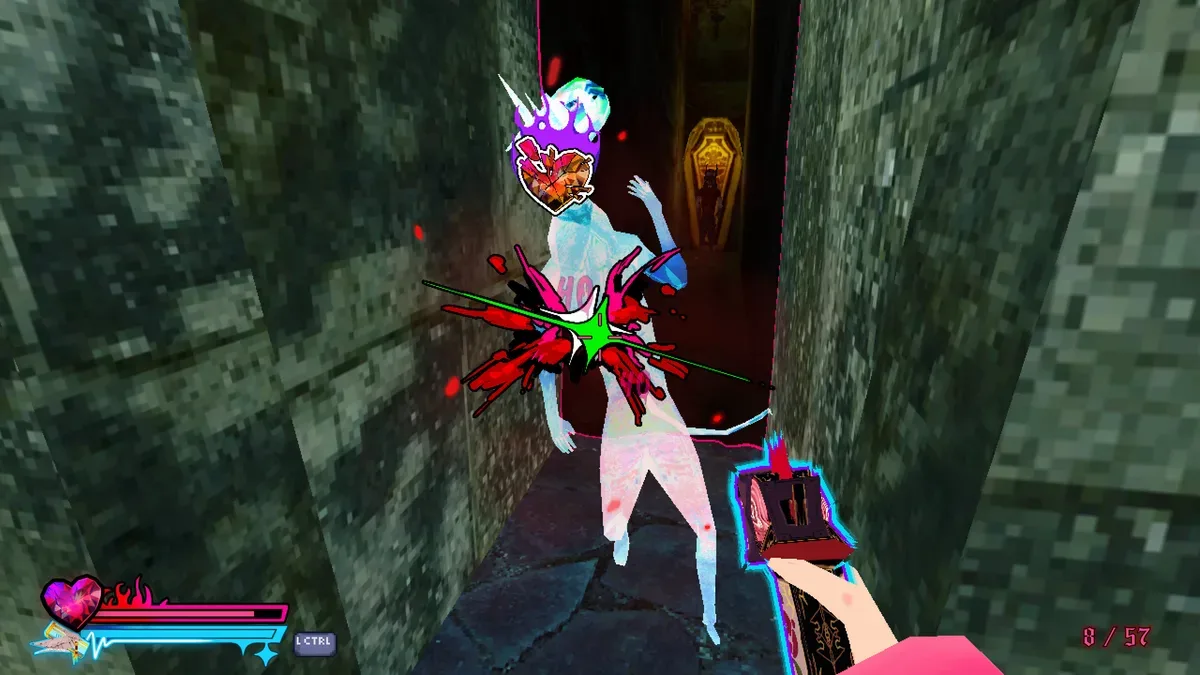
Heartworm is plainly designed as a love letter to survival horror history, and its environments can feel like acknowledgements of different games from the genre's past. In most cases, those nods work because they are integrated into a larger journey with its own visual throughline. The static effect, the camera, and Sam's emotionally driven search prevent the experience from becoming only an exercise in recognition.
There are points, particularly around the final act, where the references can become direct enough to momentarily pull attention away from Heartworm itself. The range of locations can occasionally feel like it is gesturing very specifically at beloved predecessors. Players with extensive familiarity with survival horror may notice these moments most clearly.
Even then, the allusions are not so intrusive that a player needs prior genre knowledge to follow or enjoy the game. Someone who misses a particular reference is not missing essential context. Heartworm remains accessible as a standalone horror story, while longtime fans can appreciate the care given to the traditions it is drawing from.
Who Should Enter Heartworm's Nightmare?
Heartworm is a particularly good fit for players seeking surreal, lo-fi survival horror rather than a polished blockbuster reinvention of the genre. Its appeal lies in atmosphere, exploration, and the way old design ideas are adapted through a modern independent perspective. Fans of strange, psychologically charged settings and deliberately retro horror presentation should find plenty to appreciate.
Those hoping for an entirely contemporary take on survival horror may want to set expectations accordingly. Heartworm embraces the feel of classic genre games, including their deliberate pacing and their interest in environmental tension. It is not trying to be a large-scale successor to the biggest modern horror franchises, nor is it built around radically changing the fundamentals of the genre.
What it offers instead is a concise, thoughtful trip through darkness and memory. With its console availability across PlayStation, Xbox, and Nintendo hardware, Heartworm is now easier to recommend to anyone looking for a weekend-sized horror game--or a few tense evenings spent uncovering what waits beyond the flash of Sam's camera.

Community
Discussion
Start the conversation.
No comments have been posted yet.