

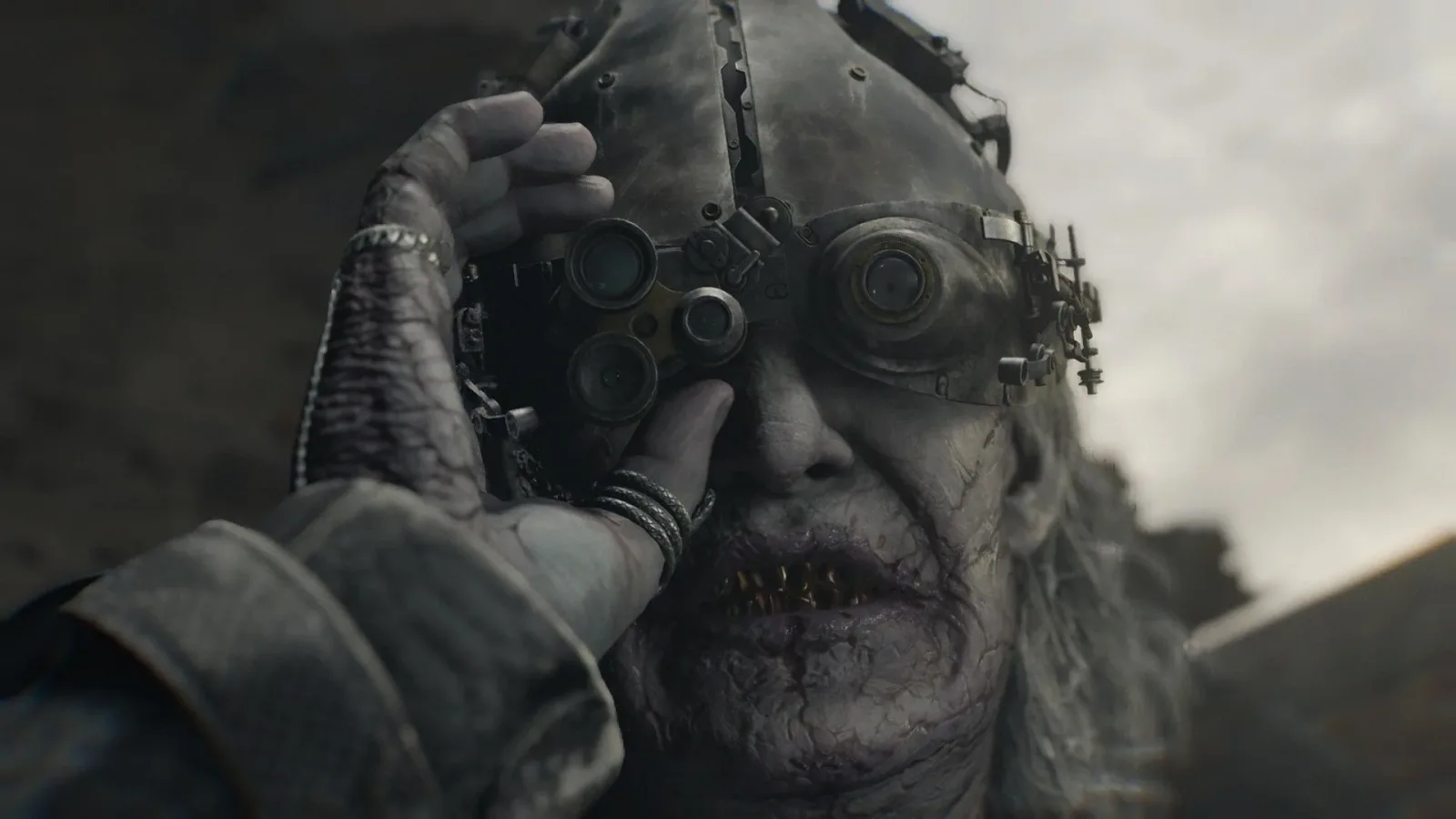
Resident Evil has always lived on the uneasy line between action spectacle and deliberate discomfort, but Hideki Kamiya believes the series may now be leaving some players behind on the fear side of that equation. The Capcom veteran and original Resident Evil 2 director has said that Resident Evil Requiem is simply too frightening for him to play, despite his personal interest in the game's return to Raccoon City and Leon Kennedy's place within that story.
Speaking in an interview reported by VGC and highlighted by GamesRadar+, Kamiya stressed that he was not making a throwaway joke about being easily startled. He said he was "being one hundred percent serious" when arguing that Capcom's games should be approachable for people who cannot comfortably handle horror. His preferred solution is unusual for a survival-horror series: an optional non-horror mode that would allow players to experience the story and its puzzles without the same level of dread.
For Kamiya, the issue is not a lack of interest in the latest Resident Evil narrative. It is almost the opposite. He wanted to see how Leon's apparent return to Raccoon City would play out, particularly because Kamiya directed the 1998 game that first established Leon as a central Resident Evil character. Yet the intensity of Resident Evil Requiem reportedly stopped him from experiencing that part of the game firsthand.
Kamiya wants the story, but not the terror
Kamiya's comments are notable because they come from a creator closely associated with Capcom's horror history. As director of the original Resident Evil 2, he helped shape a landmark entry built around claustrophobic spaces, zombies, uncertainty, and the pressure of navigating Raccoon City. He is also widely known for his work on action games, including Devil May Cry. Even so, he says modern Resident Evil horror is more than he can take.
According to the report, Kamiya was intrigued by the idea of Leon revisiting Raccoon City and confronting the memories connected to his earlier ordeal. From Kamiya's perspective, there is an understandable creative curiosity in seeing what becomes of a character who began in a game he directed. He said he wanted to take in that experience as a player. However, he ultimately could not, because he found Resident Evil Requiem "way too scary."
That distinction matters. Kamiya is not asking for a different story, a different protagonist, or a version without Resident Evil's monsters. He appears to want an accessibility-style option aimed at reducing the emotional burden of horror. In other words, players who enjoy tense exploration, narrative mysteries, and puzzles could potentially engage with those elements without being confronted by the full audiovisual pressure that defines the genre.
A paper-bag solution, seriously proposed
Kamiya's suggested changes may sound comedic on the surface, but he repeatedly framed the request as sincere. He said he had spoken with people on Resident Evil teams at Capcom and told them that the games are too scary. Their response, as he described it, was disbelief: they did not seem to think the games were frightening to that degree.
In Kamiya's view, that reaction reveals a gap between the people building the horror and players who struggle with it. Developers who spend years designing enemies, environments, lighting, sound, and scripted shocks may naturally become accustomed to their own work. A player encountering those elements without that familiarity can have a very different reaction.
His examples of a possible non-horror option were intentionally extreme. He floated the idea of placing brown paper bags over zombies' heads so their faces would not be as frightening. He also suggested replacing the dark, dingy lighting associated with threatening rooms with something more pleasant. The concept is certainly at odds with the carefully oppressive presentation many Resident Evil fans expect, but that is precisely why it illustrates his point: Kamiya wants an alternative that meaningfully changes the scary parts rather than merely making enemies easier to defeat.
"I legitimately wished it would include some kind of non-horror mode for people like me," Kamiya said, according to the report.
That proposed mode would not necessarily need to replace the standard experience. The normal version could remain built for players seeking fear, tension, and disturbing creature design. Kamiya's argument is that an additional setting could open the door for another group of players--those interested in the broader Resident Evil world but unable or unwilling to endure its most unnerving presentation.
The question of horror accessibility
The idea raises a broader question for horror games. Difficulty settings are now common, letting players modify combat pressure, resource scarcity, checkpoints, aiming support, or puzzle assistance. A "fear" setting is more complicated. Horror does not come from a single slider. It can be created through darkness, audio, animation, enemy faces, sudden appearances, camera movement, uncertainty, and the knowledge that danger may be nearby.
Changing enough of those elements to make a game comfortable for horror-averse players could substantially alter its identity. In Kamiya's paper-bag example, the monster is still present and presumably still dangerous, but the visual revulsion or alarm caused by its appearance is reduced. Brighter lighting could make spaces less threatening while also changing the uncertainty that comes from not knowing what is around a corner. Those adjustments could make the game feel fundamentally different, even if its objectives and story stayed intact.
For some audiences, that may be a compromise worth making. Horror games can have rich settings, memorable characters, intricate systems, and stories that appeal beyond the people who actively want to be scared. A dedicated non-horror mode might allow more players to see that content in a form they can tolerate. It could also be useful for players who want to revisit a game's narrative after already completing the intended version.
For others, fear is not an optional layer added on top of Resident Evil. It is the core language through which the series delivers its drama. The shadowy rooms, grotesque enemies, and anxiety of limited information are not simply decorations; they shape how players interpret every decision. Removing or softening those factors could preserve plot beats while changing their emotional meaning.
Resident Evil has confronted "too scary" concerns before
Kamiya is not the first major figure connected to Resident Evil to acknowledge that the series can push too far for some players. As noted in the GamesRadar+ report, Resident Evil 7 director Koshi Nakanishi said last year that the game was "possibly too scary" and that some people were unable to handle it. That observation is especially relevant because Resident Evil has often shifted its balance between horror and action from one installment to another.
The debate around Kamiya's request is therefore not merely whether a horror game should be scary. It is about how much flexibility a long-running series can offer without diluting the experience its audience values. Resident Evil's history includes different tones and gameplay emphases, but the latest discussion centers on a more specific possibility: preserving a game's content while giving players direct control over the elements designed to frighten them.
Kamiya has raised the subject before, saying earlier this year that Capcom should consider a "non-scary" mode because he wanted to enjoy the puzzles. His newest comments make clear that this remains more than a casual wish. He sees a real audience for it, including himself, and believes developers may underestimate how intimidating their games can be.
An unusual request from a series veteran
There is an irony in one of Resident Evil's most important creative figures asking to make Resident Evil less frightening. But Kamiya's comments also underline how personal horror is. One player may find tension exhilarating; another may find it overwhelming, even when both are interested in the same characters and fictional world.
Whether Capcom ever pursues an option resembling Kamiya's proposal remains unknown. The report does not indicate that such a mode is planned for Resident Evil Requiem or any future Resident Evil game. For now, it is a candid request from a developer who helped define the series' past and would like a more comfortable way to engage with its present.
And while brown paper bags on zombies may be an unlikely fit for Raccoon City, Kamiya's underlying point is straightforward: he wants to enjoy Resident Evil's stories and puzzles without having to prove that he can survive its scares.
More gaming news on GamersExtra
- Silent Hill: Townfall's Gamescom Demo Builds an Eerie St Amelia, but Its Slow Start Raises Questions
- Lego Skylines Preview: A City Builder Where Every Click Counts
- Tomb Raider: Legacy of Atlantis Balances Classic Puzzles With Modern Accessibility
Community
Discussion
Start the conversation.
No comments have been posted yet.