

Silent Hill: Townfall appears to understand one of the series' most essential qualities: a frightening place does not need to be loud to feel wrong. In a Gamescom 2026 hands-on report, GamesRadar+ writer Jasmine Gould-Wilson described a first extended look at the upcoming horror game as atmospherically impressive, rooted in a convincingly bleak coastal setting and full of the franchise's familiar visual unease. Yet the same demo also left her unconvinced by its opening pace, with a long stretch of exploration, sparse interaction, and no direct monster encounter across roughly 70 minutes.
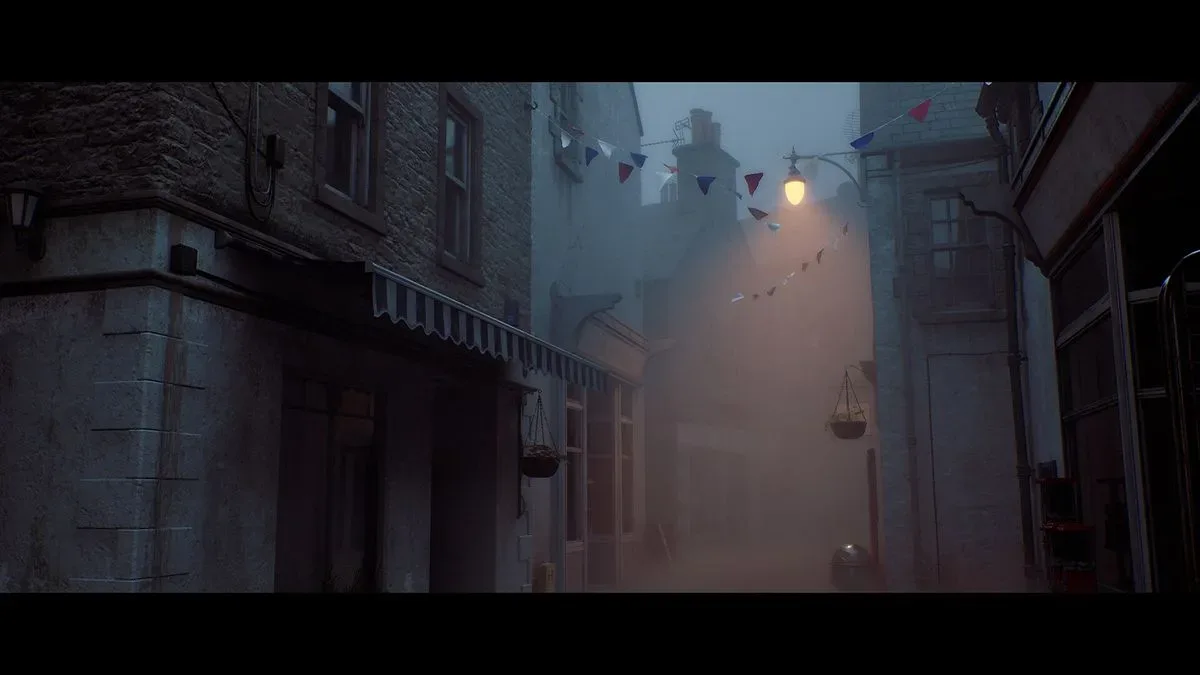
Developed by Screen Burn Interactive, Silent Hill: Townfall is scheduled to launch on September 24, 2026 for PS5, PC, and Xbox Series X/S. The project is set in St Amelia, an island town characterized in the report as Scottish-coded rather than explicitly identified as Scottish in-game. It is a setting that seems purpose-built for the Silent Hill formula: grey weather, heavy fog, cobbled streets, deserted apartments, abandoned public spaces, and the persistent sense that the local population disappeared with little warning.
That grounding in a specific kind of British coastal gloom is one of Townfall's most promising early qualities. The series has always relied on location as much as creature design or shock moments. Silent Hill itself is frightening not simply because monsters inhabit it, but because its streets, buildings, institutions, and weather feel hostile long before danger openly announces itself. According to the GamesRadar+ preview, St Amelia has that same capacity to make ordinary surroundings unsettling. Flickering lights remain on in empty homes, while fog settles between the town's cobblestones and obscures the spaces ahead.
St Amelia looks like a strong new home for Silent Hill horror
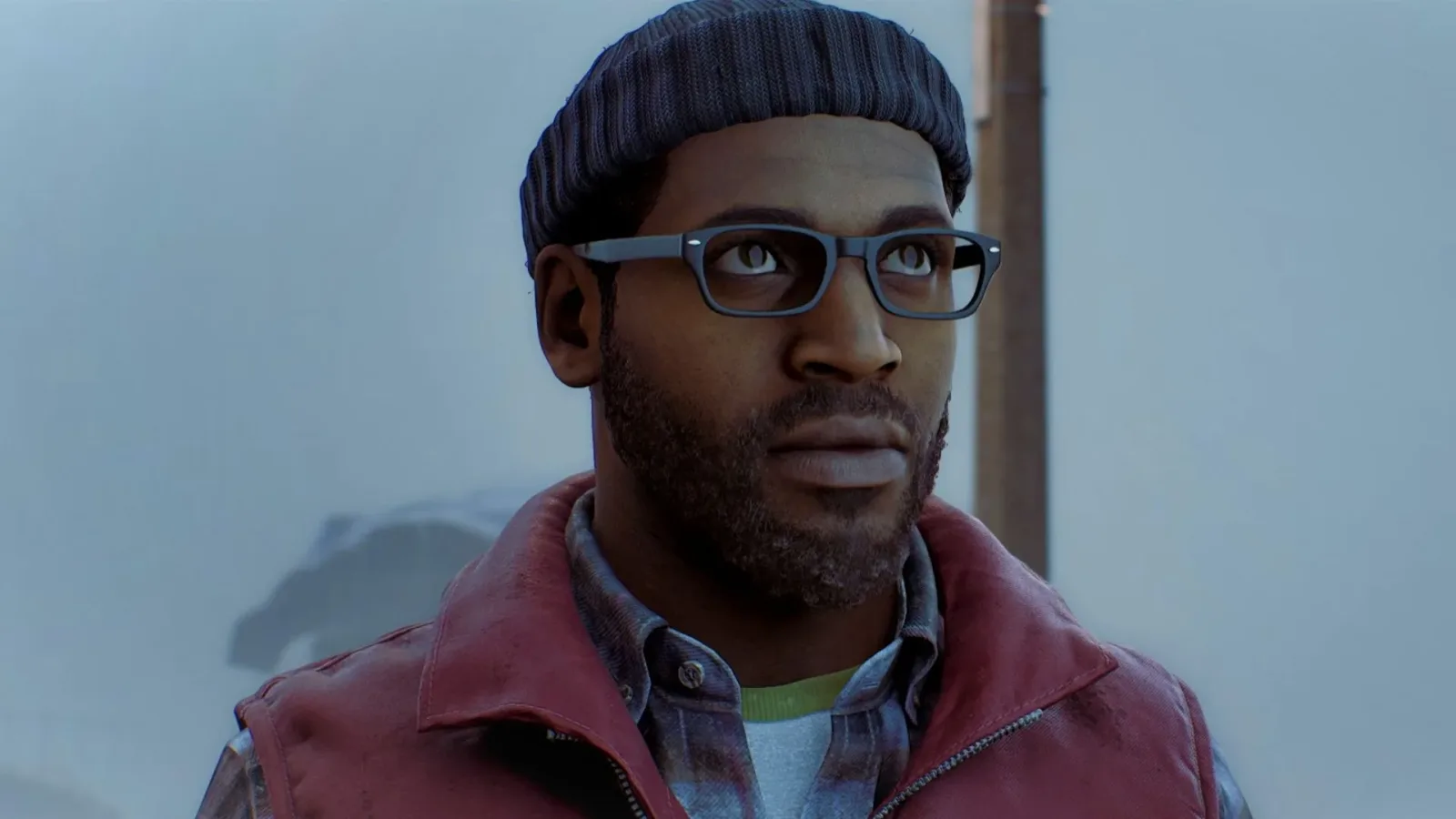
Townfall puts players in the role of an amnesiac protagonist wearing a hospital bracelet, immediately invoking the identity uncertainty and institutional imagery that have long been part of Silent Hill's horror language. The demo reportedly begins after the character washes up on the island's shore, then moves through the town center from a first-person perspective.
The first-person view is a notable choice for the series. While Silent Hill has used different camera approaches across its history, this perspective can make quiet exploration more intimate and more restrictive. Players see only what is in front of them, making corners, doorways, fog banks, and dim interiors potential sources of threat. The report notes that Silent Hill: The Short Message also used first-person presentation, but Townfall's framing could still distinguish it from more traditionally staged entries if the final game uses the viewpoint to support close, tactile environmental investigation.
Screen Burn's attention to the place itself came through strongly in the preview. Gould-Wilson called the game a "gorgeously rendered nightmare," arguing that the developer's Scottish roots appear to have informed the town's visual identity. That does not necessarily mean St Amelia is meant to be a literal recreation of a real community. Instead, it seems to use regional details--the boardwalk, damp streets, gloomy water, weathered public signage, and isolated buildings--to create a setting that feels recognizable enough to be uncomfortable.
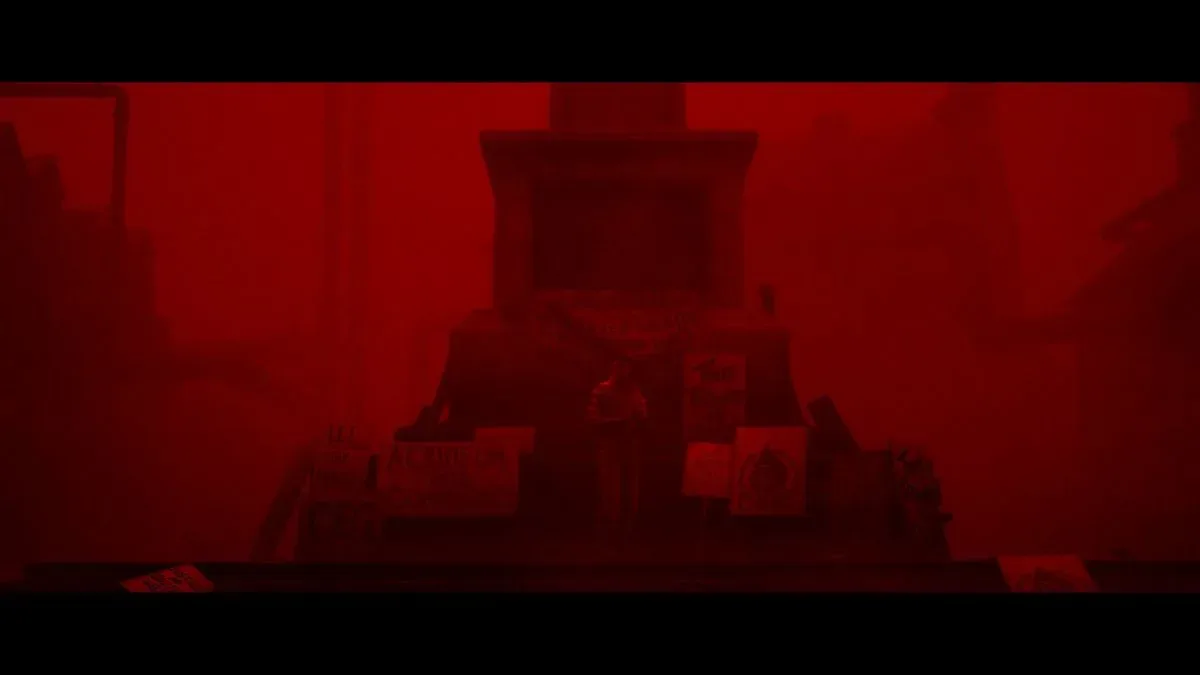
For a Silent Hill game, that is an encouraging foundation. The best locations in the franchise often carry a history that players gradually uncover through small details. A memo, a damaged advertisement, a child's drawing, a notice on a wall, or a room left in apparent haste can suggest a larger disaster without explaining it immediately. Townfall seems keen to use this style of environmental storytelling. During the demonstration, the player examined leaflets, handwritten notes in a doctor's window, and information boards along the waterfront.
A long stretch without enemies shaped the preview's concerns
Atmosphere alone, however, was not enough to make the demo fully land for its player. The central criticism in GamesRadar+'s report is that Townfall's early slow burn may be too slow in a hands-on format. Across the session, the writer did not encounter an enemy face-to-face. That absence was not framed as automatically negative; withholding monsters can be an effective horror technique. But in this case, the lack of immediate pressure combined with lengthy walking and cutscenes made the experience feel distant rather than gripping.
There is an important distinction between deliberate pacing and a lack of momentum. Horror games frequently benefit from giving players room to anticipate danger. The sound of something moving behind a wall can be more unnerving than a direct attack. A hallway that seems empty can be more stressful when the player suspects it will not remain empty. But suspense depends on escalation. If the game repeatedly suggests a threat without supplying new forms of interaction, narrative revelation, or mechanical tension, anticipation can turn into impatience.
That appears to be the question hanging over Townfall after this preview. The demo delivered fog, empty streets, cryptic objects, a ringing phone booth, and a sense of isolation. Those are all appropriate tools for Silent Hill. Yet Gould-Wilson felt that the vertical slice gave comparatively little back when she experimented with the world's boundaries and searched for something beyond its environmental clues. The result was a feeling of haunting the town rather than actively inhabiting it.
Some of that frustration came from a specific progression obstacle. At a telephone box, the player needed to enter a particular number--listed in the telephone directory as "save yourself"--in order to save and trigger the next cutscene. Missing that detail led to time spent retracing steps through the town. The writer acknowledged that failing to notice the required solution was her own mistake, but the delay compounded the sense that the demo had not given enough direction or payoff for its exploration.
It is worth stressing that a trade-show demonstration is not always representative of final pacing. A vertical slice has to introduce setting, mechanics, story hints, and tone within a limited window, often amid the distractions of a loud convention floor. A game designed to slowly absorb a player at home can be harder to judge when played in a busy public venue. GamesRadar+ itself left open the possibility that Townfall may become more absorbing away from Gamescom's bustle.
Analog technology could be Townfall's most distinctive mechanic
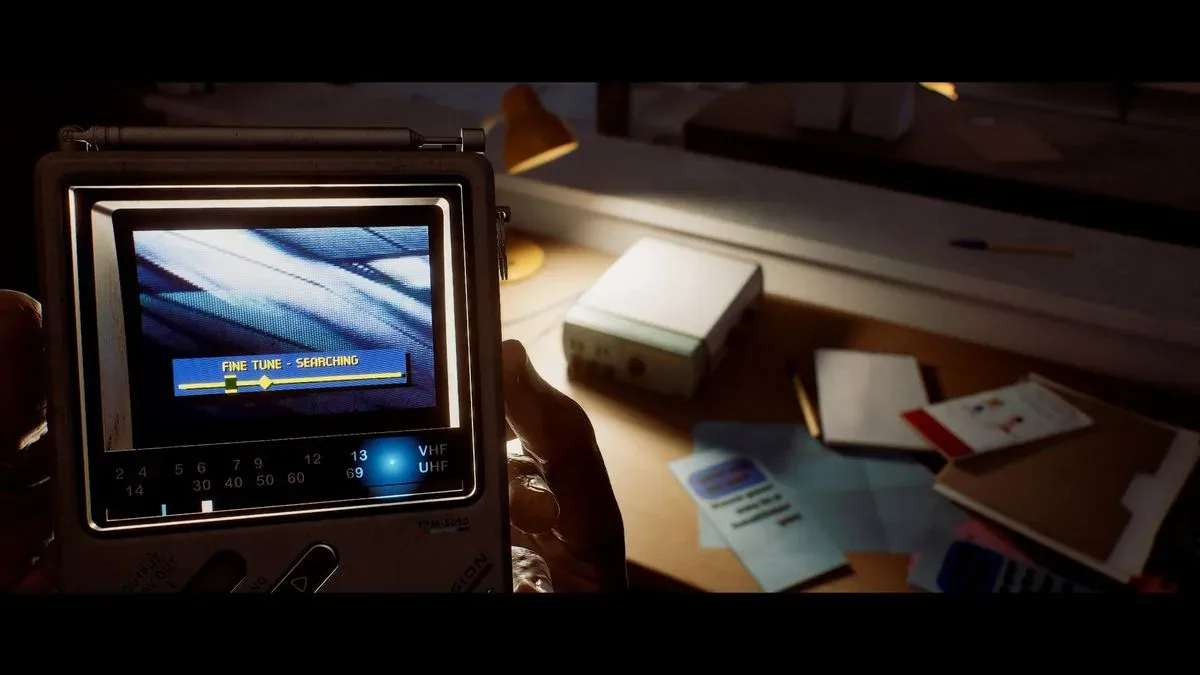
The most intriguing gameplay element described in the report arrives after the demo transitions to a hotel room and its basement areas. Townfall incorporates radio-based mechanics and minigames tied to mid-1990s analog technology. Players tune a handheld device to specific frequencies, potentially receiving echoes that offer puzzle clues or using static-filled signals to identify nearby enemies on the small screen.
This is a strong thematic fit. Radios are already part of Silent Hill's iconography, especially as tools that warn players of nearby creatures through bursts of static. Townfall's approach appears to take that legacy and turn it into a more active system. Rather than treating sound as a simple alarm, the game may ask players to search frequencies, interpret signals, and connect the device's feedback to navigation or puzzle-solving.
The possibility that these transmissions could be recordings from the past--or perhaps something less easily defined--also aligns with Silent Hill's tradition of unstable reality. The report deliberately leaves the nature of those echoes uncertain. That ambiguity is promising. Silent Hill's mysteries are often most effective when the game offers evidence without rushing to provide a clean explanation, allowing players to question whether they are witnessing memory, guilt, supernatural influence, or a distorted version of events.
Still, the preview suggests that the radio mechanic's potential was not fully demonstrated in the available section. The device could reveal outlines of nearby enemies, but the player reportedly did not see those enemies directly during the session. As a concept, detecting an unseen creature through a flickering handheld display sounds tense. In practice, its impact will depend on how soon the game lets players experience the danger that the device is indicating.
Townfall's final rhythm remains the key unknown
Silent Hill: Townfall currently looks like a game with a clear sense of place and a potentially compelling mechanical identity. St Amelia's weather-beaten island atmosphere, first-person exploration, amnesiac lead, hospital imagery, cryptic public spaces, and analog radio tools all suggest a project built with respect for the series' strengths. Screen Burn Interactive seems to have found a setting that can sustain the oppressive, mournful mood fans expect.
But the Gamescom 2026 demo also illustrates why pacing will be crucial. A slow-burn horror game must keep its quiet sections active through discoveries, changing tension, meaningful interaction, or increasingly alarming signs of what is coming. If Townfall waits too long to provide those shifts, its atmosphere could risk becoming static. If it uses its patient opening to make later revelations and encounters more potent, the same restraint could become one of its greatest assets.
Konami has said it wants Silent Hill to see annual releases and has indicated that multiple unannounced projects are in development. That broader strategy makes individual entries like Townfall especially interesting: each has an opportunity to explore a different interpretation of the franchise. Based on this early hands-on account, Townfall is not trying to win attention through constant action. It is aiming for dread, local texture, and uncertainty. Whether its deliberate approach becomes absorbing or merely sluggish will be clearer when players can experience the full journey on September 24, 2026.
More gaming news on GamersExtra
- Lego Skylines Preview: A City Builder Where Every Click Counts
- Tomb Raider: Legacy of Atlantis Balances Classic Puzzles With Modern Accessibility
- Nvidia's DLSS 5 Photorealism Push Raises Fresh Questions About Art Direction
Community
Discussion
Start the conversation.
No comments have been posted yet.