

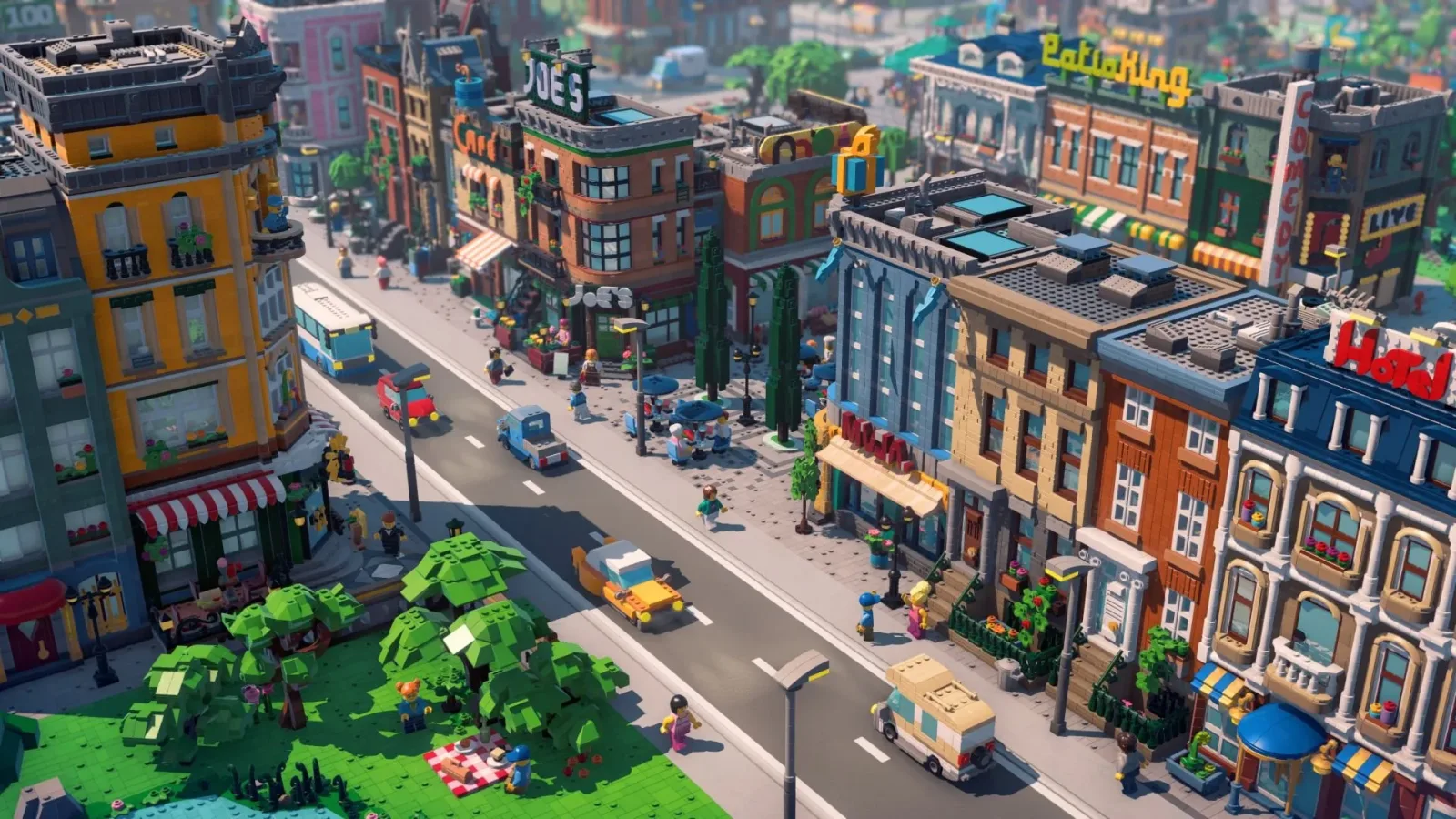
Lego Skylines has a straightforward pitch, but its appeal appears to run far deeper than simply placing plastic-brick versions of roads and houses. It is a full-scale city-building game with the infrastructure demands, public-service planning, and competing priorities associated with the Cities: Skylines series. Yet it also wants players to care about a fence around a garden, the flowers beside a home, a barbecue on a patio, and whether a resident has found the peaceful cabin they wanted.
That mixture of systems is what stood out in GamesRadar+'s hands-on preview. Writer Sam Loveridge spent roughly three to four hours with a playable build and came away convinced that Lego Skylines is not a simplified management game made only for younger players. Instead, it looks to be a layered strategy experience that uses Lego's playful identity to make the personal, decorative side of city building a more meaningful part of the simulation.
Developed by Iceflake Studios, the team now responsible for Cities: Skylines 2, Lego Skylines has an obvious connection to its city-builder lineage. Players will still need to deal with major civic concerns, including utilities, public services, education, roads, and the broader task of keeping a growing settlement functional. The key difference is that the game seems designed to make a city feel like a collection of individual Lego spaces as well as a connected machine.
A city builder that starts with one household
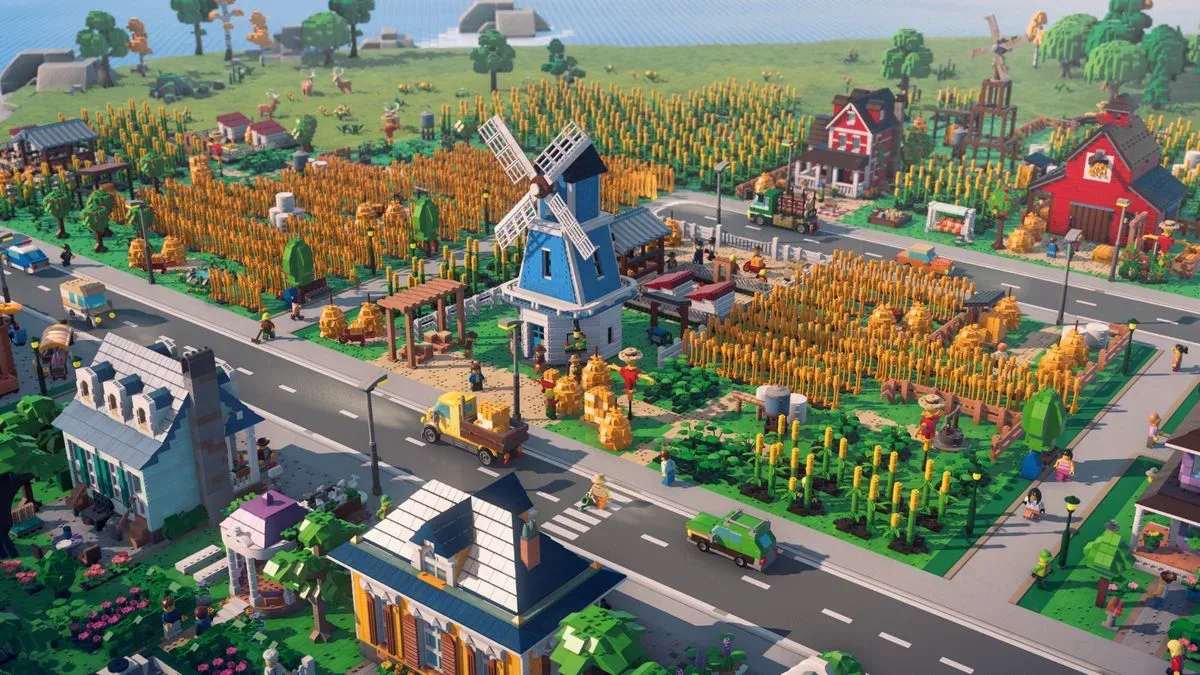
The preview began in a compact scenario created specifically for the hands-on session. While it is said to be inspired by the opening of the full game, it is not necessarily the exact campaign introduction players will see at launch. The setting involves a family looking for help turning a mostly deserted island into a rural village, offering a deliberately intimate starting point before the larger urban-planning responsibilities arrive.
One of the first tasks is placing a house. Rather than building every structure one brick at a time, players choose from available styles and use pre-made building options. This is important for setting expectations: Lego Skylines is not presented as a digital replacement for physically free-building an entire Lego set. Its core remains city management, with buildings and systems that can be placed efficiently as part of a functioning settlement.
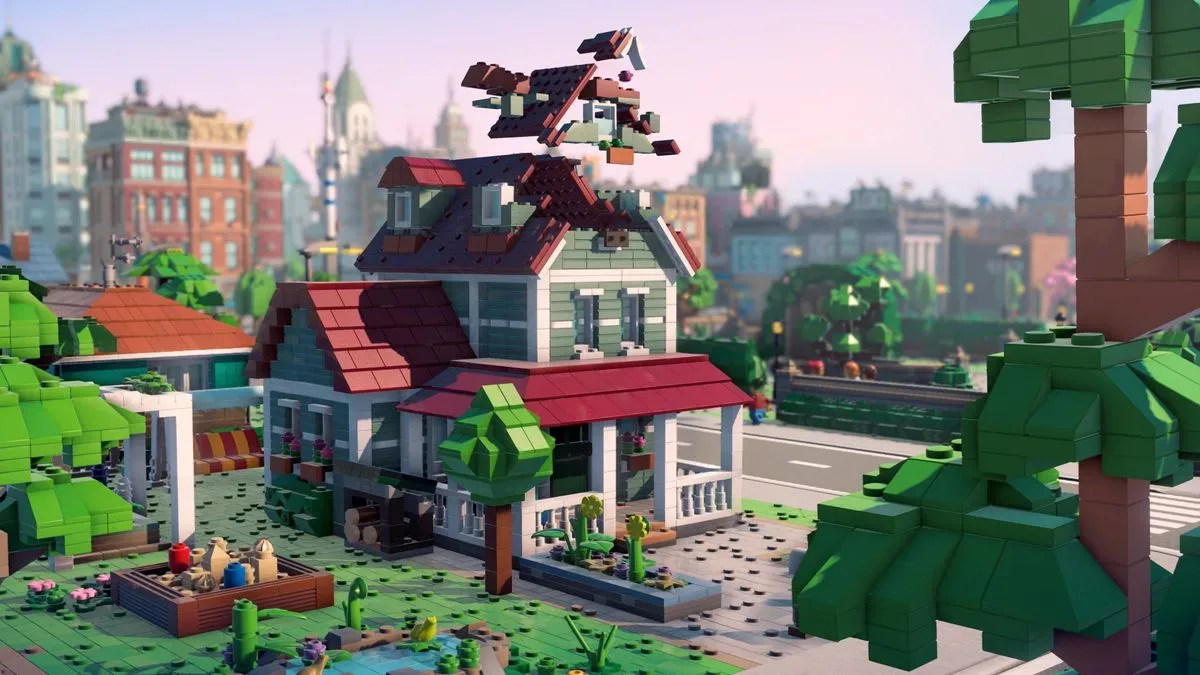
However, the game does not stop at dropping down a standard house and moving on. After placing the family home, the player can modify its yard in an editor compared by GamesRadar+ to The Sims' build and buy tools. Fences, vegetable patches, plants, and other outdoor features can be removed or rearranged, while items such as patio furniture and a barbecue can be added. That gives a small residential lot far more identity than it would have in a conventional city builder.
This approach could be one of Lego Skylines' defining ideas. Traditional management games often ask players to think in districts, zoning categories, budgets, traffic flow, and population statistics. Lego Skylines still has room for those large-scale considerations, but it also asks players to look closer. A household is not only an entry in a demand meter; it has a home with a garden, preferences, and a relationship to the surrounding neighborhood.
Minifigures appear to have individual concerns
The playable build included personal requests from its Lego residents. Loveridge's examples included creating a secluded forest cabin for someone seeking solitude and making sure the town had enough flowers for another resident. Those objectives suggest that minifigures will be more than anonymous citizens traveling from one zone to another. Their happiness appears tied to both the operation and the character of the places players construct.
Each household can have preferences for nearby decoration categories. Natural items such as flowers and foliage may meet one set of desires, while playground equipment offers a more playful atmosphere. Other objects create a warmer rural or farm-like feel. The result is a system that should help players vary their communities without needing to individually place every small visual detail across the map.
It is also a sensible way to use Lego's broad visual language. Lego has long turned everyday subjects into toys with a sense of humor, from farms and city streets to castles, spacecraft, and oddball vehicles. A city builder centered on the brand has an opportunity to make mundane urban facilities feel more expressive than their real-world counterparts. If the preview is representative of the final game, players will be encouraged to experiment with the growing range of decorative unlocks simply because seeing what each new Lego object does to a neighborhood is part of the pleasure.
That emphasis on presentation does not appear limited to homes. Larger civic and commercial structures can also be expanded with modules. Facilities including farms, universities, and even sewage-related infrastructure can receive additions that provide gameplay bonuses or upgrades while changing their visual appearance. It is an appropriately cheerful treatment of city services that are normally represented as purely practical buildings in the genre.
The Skylines management foundation remains in place
For all of its decorative warmth, Lego Skylines is still expected to demand careful administration. The "Skylines" portion of the title is not merely a branding flourish. According to the preview, the game includes the high-level planning issues players would expect from a major city builder: water, electricity, emergency services, schools, and the ongoing balance between a settlement's needs and its available resources.
That is why the project may be especially interesting to established city-builder players. There are plenty of games that use Lego as a charming visual skin, and there are plenty of detailed urban simulators focused on numbers and infrastructure. Lego Skylines appears to be pursuing a middle ground in which systemic planning has not been stripped away, but visual care and resident satisfaction are elevated into central considerations.
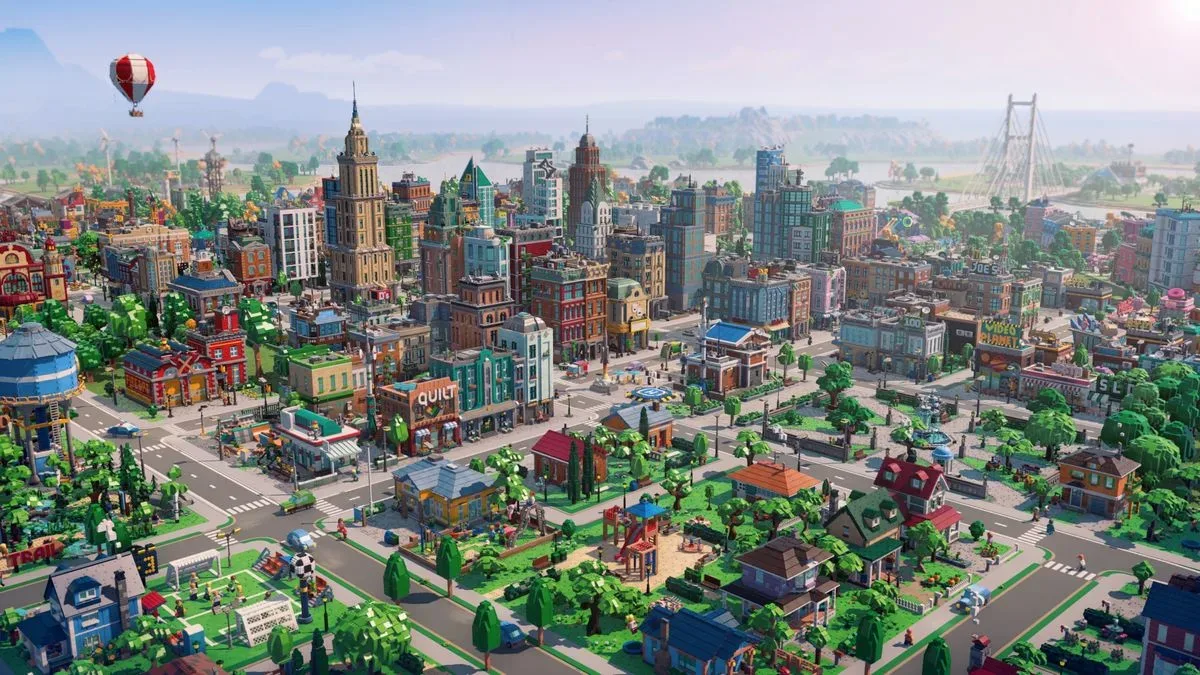
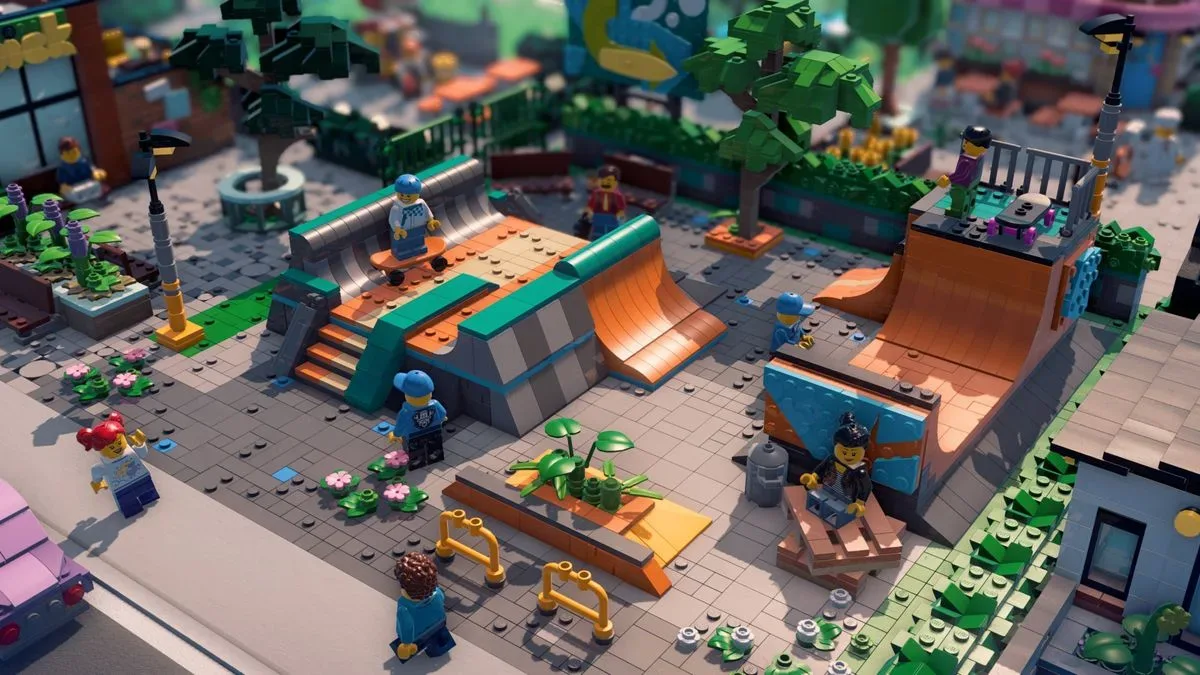
Its late-game city gives an indication of the desired scale. GamesRadar+ was able to look around a more developed settlement filled with everyday activities, including minifigures at a skate park and on tennis courts. These are small details in one sense, but they communicate a philosophy: a successful city should not only deliver power, water, transport, and services. It should look like somewhere people would want to spend their time.
Leisure, visual appeal, and local personality may therefore carry more weight here than they have in Cities: Skylines. A sterile but technically efficient urban grid may not be enough if individual residents lack the environmental details and recreational spaces they want. Conversely, an attractive neighborhood still has to be supported by the unglamorous systems that make a city work. The tension between those needs could give Lego Skylines a distinctive rhythm, alternating between macro-level planning and close-up customization.
The sound of Lego is part of the fantasy
Sound is another detail that may matter more than it initially seems. The familiar click and clack of Lego bricks is a foundational part of the toy's appeal, and the preview describes Lego Skylines as using that physical sensation in its presentation. Roads being laid out, construction equipment doing its work, and vehicles transitioning from bricks into moving city traffic all apparently carry those recognizable plastic building sounds.
That audio direction has the potential to make routine city-builder actions more tactile. Building roads and zoning land are frequent, even repetitive tasks in this genre. Giving them the sound and motion associated with assembling Lego can make those ordinary actions feel like miniature acts of construction rather than menu commands. It also supports the game's broader promise of bringing a vast tabletop Lego city to life without the cost or space requirements of assembling one in the real world.
The comparison is fitting because Lego Skylines seems to operate at several scales at once. From a distance, players plan the layout and services of an entire city. At a closer level, they can change the mood of a neighborhood with decorations and amenities. At the closest level, they can make individual residences feel tailored to the people living there. Most city builders allow zooming in to admire activity, but Lego Skylines appears to give players practical reasons to engage with that smaller perspective.
Release timing is still unknown
Lego Skylines is planned for PC, PlayStation 5, Xbox Series X, and Switch 2. At the time of GamesRadar+'s September 2, 2026 preview, however, there was no confirmed release date or release window. Players interested in the project should therefore treat the hands-on impressions as an early look rather than a sign that launch is imminent.
There are also questions that a longer play session will need to answer. The preview presents a convincing opening and an appealing late-game glimpse, but the full game will need to show how naturally its micro-level decoration systems scale across an expanding city. It will also be important to see how demanding the management simulation becomes, how much freedom is available in modules and building styles, and whether personal resident goals remain engaging once a settlement contains far more households.
Still, the early signs are encouraging. Iceflake Studios appears to be using the Lego license as more than surface-level decoration. The minifigures, modular structures, yard editing, playful unlocks, and brick-like audiovisual feedback all look connected to the game's central design. Lego Skylines wants players to solve urban problems, but it also wants them to notice the flowers, the patio furniture, the busy recreation spaces, and the tiny residents affected by every decision.
For a genre often focused on efficiency above all else, that could be a compelling shift. Lego Skylines may ultimately succeed not by making city building less complex, but by making every layer of complexity feel more personal, colorful, and satisfying to assemble.
More gaming news on GamersExtra
- Tomb Raider: Legacy of Atlantis Balances Classic Puzzles With Modern Accessibility
- Nvidia's DLSS 5 Photorealism Push Raises Fresh Questions About Art Direction
- Monster Hunter Wilds: Ascendance Boost Bracer Draws Devil May Cry Comparisons
Community
Discussion
Start the conversation.
No comments have been posted yet.