

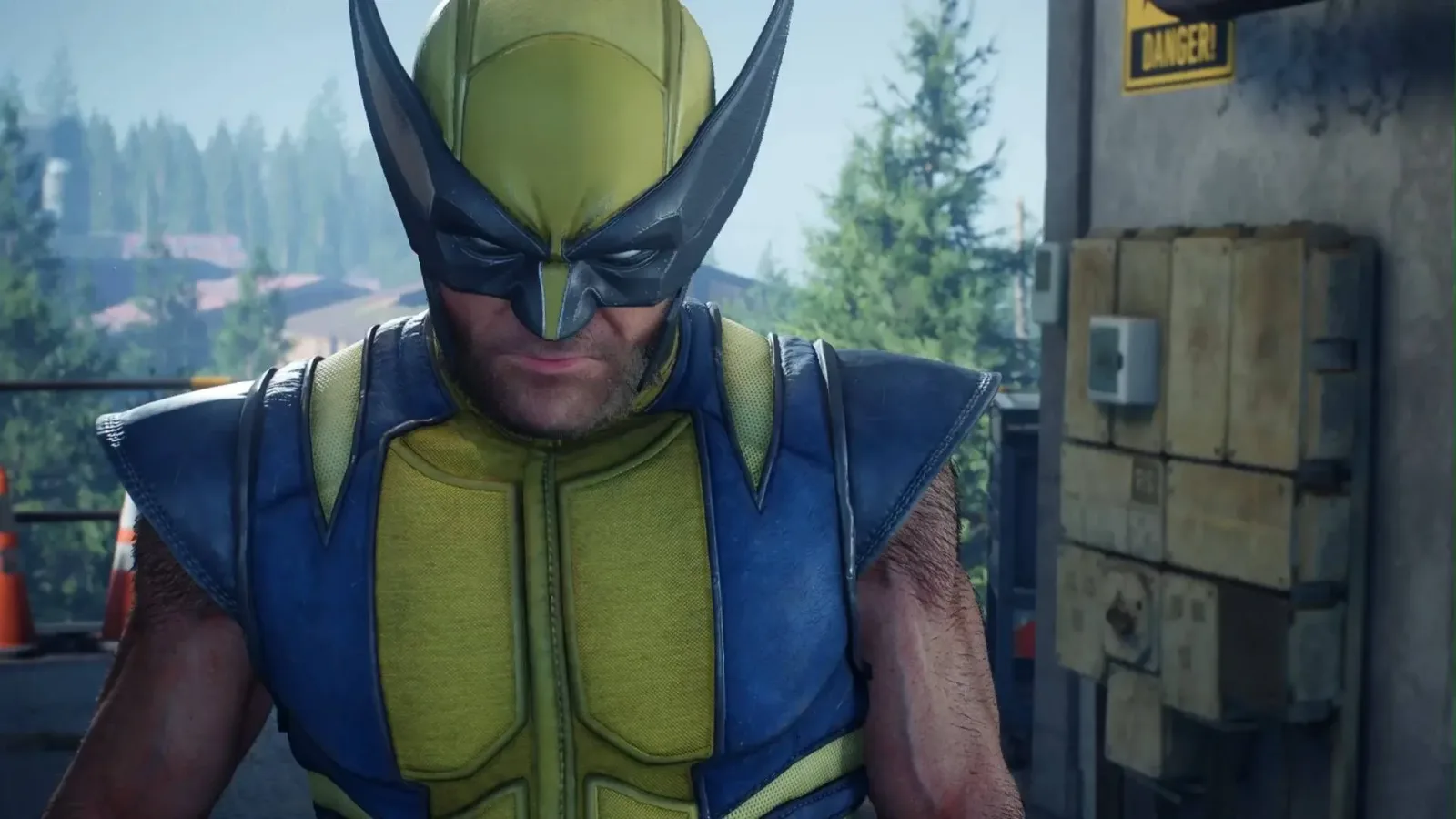
Insomniac Games has acknowledged the early conversation around Marvel's Wolverine, with community director James Stevenson telling players that the studio has been closely monitoring feedback in the days following the game's release.
In a post on X, Stevenson said the developer had been "100% listening" to the discussion surrounding the superhero action game. He added that the team had been "cooking hard" in direct response to some of the issues and criticism raised by the community. The comments do not identify particular fixes, changes, or a timetable for updates, but they offer an early indication that Insomniac is assessing feedback as the game begins its post-launch life.
That matters for a release carrying the weight of both a major Marvel character and Insomniac's considerable reputation. Marvel's Wolverine has arrived during an exceptionally crowded September, competing for attention with high-profile action games including Onimusha: Way of the Sword and The Blood of Dawnwalker, as well as anticipated releases such as Fire Emblem: Fortune's Weave and Control: Resonant. In that environment, the first days of player impressions and review coverage can shape a game's public identity very quickly.
Embedded X/Twitter post
A clear message from Insomniac
Stevenson's response is notable less for announcing a specific patch than for directly recognizing that players have concerns. Studios commonly say they are tracking reports following a large launch, especially when technical issues arise. A public statement that frames the team's work as a reaction to feedback, however, creates an expectation that players may see adjustments in a future update.
For useful background on this topic, read Marvel's Wolverine Easter Eggs: 32 Comic References Hidden Across Tokyo and Madripoor.
For now, there is no confirmed list of planned changes. Players should be cautious about assuming that every requested feature, balance tweak, accessibility option, performance concern, or design complaint will be addressed. "Listening" does not necessarily mean committing to each individual suggestion. Development teams must weigh the severity of reports, the number of people affected, the feasibility of a fix, and the risk that one change could produce unintended problems elsewhere in the game.
Still, Stevenson's wording signals that Insomniac is not treating the response as something to simply ride out. The team appears to be actively discussing the areas that have generated the most scrutiny. The useful next step for the community will be concrete patch notes explaining what is changing, why it is changing, and whether further work is planned.
Early reception has put the game under a microscope
Marvel's Wolverine is not being characterized as a complete failure, but its early reception has highlighted issues that players and critics believe limit the experience. The game has also faced an unusual level of comparison within Insomniac's own catalog. It has been described as the studio's lowest-reviewed game in roughly a decade, a difficult distinction for a developer that has built substantial goodwill through polished, high-profile releases.
That context makes the response from Insomniac particularly important. Wolverine is one of Marvel's most recognizable heroes, but the character also comes with specific audience expectations. Fans generally want a portrayal that feels fierce, physical, and personal, while also expecting a game with the technical confidence and smooth presentation associated with a major PlayStation release. When any part of that formula falls short for a section of the audience, the criticism can become more visible than it might for a smaller or less established project.
The packed release schedule intensifies that scrutiny. Players have more alternatives than usual, and games do not get much time to make a first impression before the broader conversation shifts to the next major launch. A fast, credible response to the most serious concerns can therefore be as valuable as an extensive marketing push. It can reassure existing owners, improve sentiment among prospective buyers, and demonstrate that a developer intends to support its work beyond release week.
What post-launch support could mean
Insomniac has not detailed what it is preparing, so it would be premature to promise a major overhaul. The phrase "in response to some of the feedback" could describe anything from targeted bug fixes and stability improvements to broader changes involving gameplay tuning or presentation. Until the studio publishes details, the scope remains uncertain.
There is a meaningful difference between correcting defects and revisiting creative decisions. Technical patches can resolve crashes, mission blockers, visual issues, or inconsistent performance. Larger revisions to combat flow, progression, mission structure, difficulty, camera behavior, or story content demand more development and testing. They can also divide a player base if some people prefer the launch version. The strongest post-launch plans tend to communicate clearly about which category each change belongs to.
For players with concerns, the most productive feedback is generally specific. Clear descriptions of where a problem happens, what triggers it, how frequently it occurs, and what platform conditions are involved give developers more useful information than broad frustration alone. Design feedback can be more subjective, but it is also more actionable when it explains the effect on the experience: whether an encounter feels unclear, whether a system lacks sufficient explanation, or whether a control option prevents comfortable play.
Insomniac's statement suggests that this early feedback cycle is already influencing internal work. Whether that translates into a quick hotfix, a larger patch, or a sequence of updates has not yet been announced.
Single-player games are increasingly expected to evolve
Long-term improvement after release was once most closely associated with multiplayer and live-service games. Ongoing events, seasonal content, frequent balancing, and community-driven updates are built into those projects. Yet player expectations have shifted. Even single-player releases are increasingly judged not only on their launch state, but also on how effectively developers respond when shortcomings become clear.
There are prominent examples of games improving their reputation through sustained updates. No Man's Sky is often cited because its long-running post-launch support substantially expanded and refined the experience. More recently, Crimson Desert has continued receiving changes shaped by player concerns, including a substantial story overhaul patch released last month.
Those examples should not be used to assume that every game needs years of reconstruction, or that all criticism demands a total redesign. They do show that a game's launch version no longer has to be its final form. Developers can address rough edges, clarify systems, improve accessibility, and strengthen content over time. In some cases, patience can result in a considerably better experience for players who wait.
For a title such as Marvel's Wolverine, the key issue will be proportionality. If the concerns are primarily technical or isolated, focused updates may be enough to improve the experience quickly. If the feedback is more fundamental, the team will need to decide which revisions preserve its original creative direction while responding meaningfully to the people playing it.
Why the response carries extra pressure
The reaction to Wolverine is also unfolding amid wider scrutiny of PlayStation and Sony. Discussions around the cost of PS5 consoles and the company's approach to physical game releases have remained active among players. Reports that Sony had sought to cancel Hideo Kojima's Physint before the project moved to Xbox have added another point of debate for audiences already looking closely at the publisher's decisions.
None of those wider issues determine the quality of Marvel's Wolverine on their own. But they do create a climate in which a major PlayStation exclusive can carry more symbolic pressure than usual. Players looking for a flagship release may be less inclined to overlook problems, while the publisher and developer have greater incentive to show that concerns are being taken seriously.
Insomniac's early acknowledgement is therefore a sensible first move. It does not resolve the specific complaints surrounding the game, and it cannot replace detailed communication or effective patches. It does establish a public commitment to paying attention at a time when silence could have allowed dissatisfaction to define the conversation.
What players should watch for next
The next important development will be an official update from Insomniac that moves beyond broad reassurance. Patch notes, a list of known issues, or a clearer explanation of the areas being investigated would give owners a better sense of what to expect. Details on timing will matter as well, particularly for players deciding whether to continue now or wait for improvements.
Until then, Marvel's Wolverine remains in the early and often turbulent stage of its release cycle. The game has attracted criticism, but Insomniac has publicly indicated that the criticism is reaching the development team. How quickly and how thoroughly that listening turns into visible changes will determine whether the early reception becomes a lasting narrative or simply the starting point for a stronger version of the game.
Community
Discussion
Start the conversation.
No comments have been posted yet.