

Kaz Hirai's years at the top of Sony Computer Entertainment came during one of PlayStation's most complicated periods. The PlayStation 3 launched into a fiercely competitive generation, faced difficult early perceptions, and carried the burden of an expensive and unconventional hardware design. Yet by the end of its life, Sony's console had found a substantial audience, built a landmark software library, and surpassed the Xbox 360 in lifetime hardware sales.
Hirai, who led Sony Computer Entertainment from 2007 until 2012, has now offered a blunt description of how he approached the relationship between the PlayStation business and Sony's wider corporate hierarchy. Speaking in a conversation with Toridoll Holdings CEO Takaya Awata, Hirai recalled that he did not always treat instructions from senior Sony management as definitive when he believed PlayStation needed to take its own direction.
"What the headquarters says is irrelevant. We are PlayStation," Hirai said while reflecting on his time as president of Sony Computer Entertainment.
The comment was delivered with laughter, but it captures an attitude that has long been associated with successful game-platform leadership: a console business cannot simply be managed like every other corporate division. It needs a clear identity, a firm understanding of players and developers, and the ability to make decisions around long-term software and hardware ecosystems rather than short-term internal priorities.
For useful background on this topic, read Alpha Nomos Launches on PC, PS5 and Xbox Series X|S With Rhythm-Driven Roguelite Combat.
Leading PlayStation through a difficult generation
Hirai took charge of Sony Computer Entertainment in 2007, a year after the PlayStation 3's launch. Sony entered that generation with enormous expectations. The PlayStation 2 had become one of the most successful game consoles ever made, and the original PlayStation had already transformed Sony into a major force in the industry. That history made the PS3's early challenges especially visible.
Its high launch price, developer complexity, and the growing strength of Microsoft's Xbox 360 created a difficult environment. Microsoft had reached the market earlier and had established Xbox Live as a major part of console gaming's online future. Sony, meanwhile, had to persuade consumers and partners that the PS3 was worth its premium positioning while also strengthening the PlayStation Network and refining the company's overall strategy.
Against that backdrop, Hirai's account of prioritizing PlayStation's independence has a practical dimension. A business unit responsible for hardware, software publishing, third-party partnerships, online services, and a worldwide development network has to move quickly. Its leaders also need enough authority to protect the direction of the platform, especially when decisions may not appear immediately obvious to executives looking at the business from outside the games organization.
The results were not instantaneous, but the PS3 ultimately became a major commercial success. Lifetime sales exceeded 87 million units. That total placed it ahead of the Xbox 360 overall, even though Microsoft's system enjoyed important advantages during the earlier stages of the generation. The margin and circumstances behind any so-called console war can always be debated, but the broader outcome is clear: PlayStation recovered from an uncertain opening and finished the era in a strong position.
A defining software lineup helped change the conversation
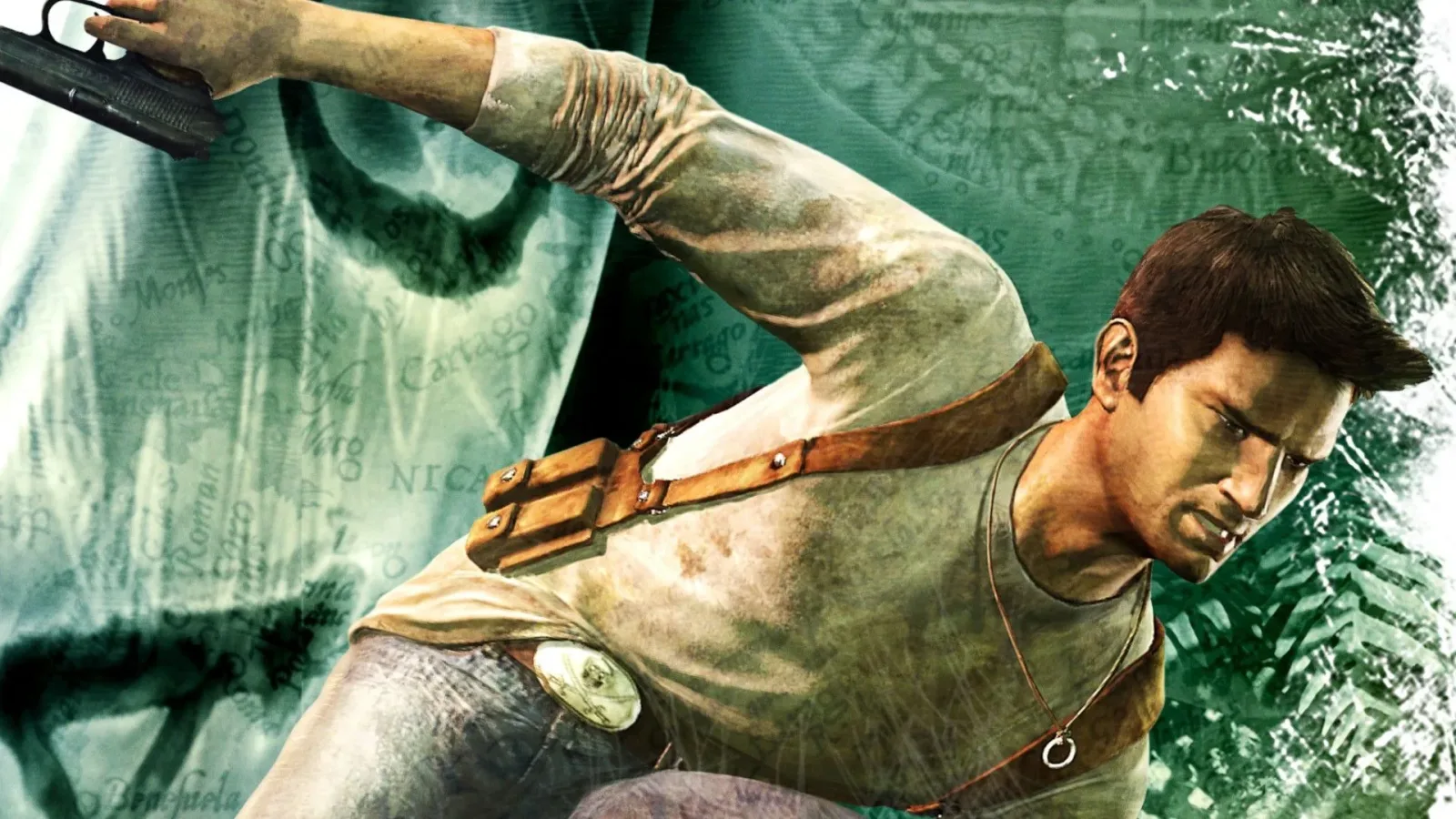
Hardware sales alone do not explain the PS3's turnaround. Sony's first-party and exclusive lineup gave the console an increasingly distinct character as the generation went on. Naughty Dog's original Uncharted trilogy became one of the most recognizable action-adventure series of the period, helping establish a cinematic style that would influence PlayStation's future identity.
LittleBigPlanet showed a very different side of Sony's ambitions. Its mix of platforming, user-generated content, and community sharing presented PlayStation as a home for creative experimentation. Metal Gear Solid 4: Guns of the Patriots, meanwhile, was a significant system exclusive and a major event for fans of Hideo Kojima's long-running stealth series.
The Ratchet & Clank games also remained an important part of the PS3 catalogue, bringing colorful, technically impressive action-platforming to the system. Across those franchises, Sony demonstrated that PlayStation could support blockbuster storytelling, inventive new concepts, long-running character brands, and a variety of genres rather than relying on a single type of prestige release.
The PlayStation Store was another major piece of the generation's story. Digital console distribution was still developing, but the storefront made room for a growing independent scene and smaller downloadable games. That helped expand the meaning of a PlayStation release. The platform was no longer defined exclusively by expensive retail discs from major publishers; it could also host unusual, focused, and lower-budget games that might not have fit traditional retail economics.
In that context, a leader willing to defend the specific needs of the PlayStation organization could have been valuable. Building a platform means balancing the needs of huge franchises, internal studios, outside publishers, technology teams, online infrastructure, and emerging creators. The strongest approach is not necessarily to reject oversight outright, but to make sure the people closest to the medium and the audience retain the ability to act on their expertise.
Hirai emphasized presence, not just independence
Hirai's recollection was not solely about resisting headquarters. He also described a leadership practice centered on repeatedly meeting staff around the world. During his six years as Sony Computer Entertainment president, he said he travelled to more than 20 countries and close to 50 cities.
For Hirai, the repetition mattered as much as the initial visit. Showing up once could be seen as a ceremonial executive stop, but returning demonstrated ongoing interest in the teams, their work, and their circumstances. He recalled that employees could initially be skeptical, only to react differently when they realized he had come back.
"He really came back, this old guy!" Hirai said, describing the response his repeat visits could draw.
It is a humorous observation, but it speaks to a serious challenge for global games companies. Major PlayStation projects can involve studios and support groups separated by continents, languages, time zones, and corporate structures. Emails, presentations, and financial reports are necessary, but they do not fully replace direct contact. Leaders who visit teams can gain a sharper sense of morale, production concerns, creative goals, and local working culture.
This approach also complements Hirai's insistence on PlayStation's autonomy. Independence at the top can become isolation if executives fail to remain connected to the people actually making games and supporting the platform. Hirai's comments suggest he saw the two ideas as linked: defend the business's ability to make its own decisions, while making a visible effort to understand the worldwide organization those decisions affect.
PlayStation's independent streak has deep roots
Hirai's stance also fits a longer pattern in PlayStation history. Sony's early move into video games was not universally embraced within the company. Ken Kutaragi, widely viewed as the key internal advocate behind the original PlayStation, pushed the business forward despite resistance from parts of Sony's leadership in the 1990s.
That early history has become central to PlayStation's mythology. The brand emerged not because entering games was an obvious corporate decision, but because key figures believed interactive entertainment could become a vital technology and entertainment business. The first PlayStation proved that belief right, and the company's later console generations were built on that foundation.
Hirai's account does not mean every executive disagreement should be treated as a virtue. Large organizations require accountability, financial discipline, and coordination. But his experience illustrates why a successful gaming division often needs leaders willing to explain, defend, and sometimes fight for decisions that may be difficult to evaluate through a purely conventional corporate lens.
Game platforms operate on long cycles. Investments in studios, developer tools, online systems, and new hardware can take years to show their full value. A short-term metric may not capture the importance of a new franchise, a digital initiative, or a feature that keeps players invested in an ecosystem over time. The PS3 era, with its turbulent opening and strong eventual performance, remains a useful example of that reality.
From PlayStation president to Sony's highest levels
After his time leading Sony Computer Entertainment, Hirai moved further up Sony's corporate structure. He eventually became Sony's president and CEO, placing him in the kind of wider management environment he had once described pushing back against on behalf of PlayStation. His career therefore gives his comments an additional perspective: he understood both the urgency of a specialized entertainment division and the broader responsibilities of running a multinational company.
Hirai fully retired from Sony in 2024, ending a 40-year career with the company. His legacy includes a central role in guiding PlayStation through a generation that could easily have defined the brand far less favorably. Instead, the PS3 period became a story of recovery, strong software, digital expansion, and a platform finding its footing against intense competition.
For today's PlayStation audience, the anecdote is a reminder that the brand's history was shaped by more than hardware specifications and sales totals. It was also shaped by internal debates, management philosophies, and leaders deciding when a business needed to follow the larger company's direction and when it needed room to act like PlayStation.
Community
Discussion
Start the conversation.
No comments have been posted yet.