


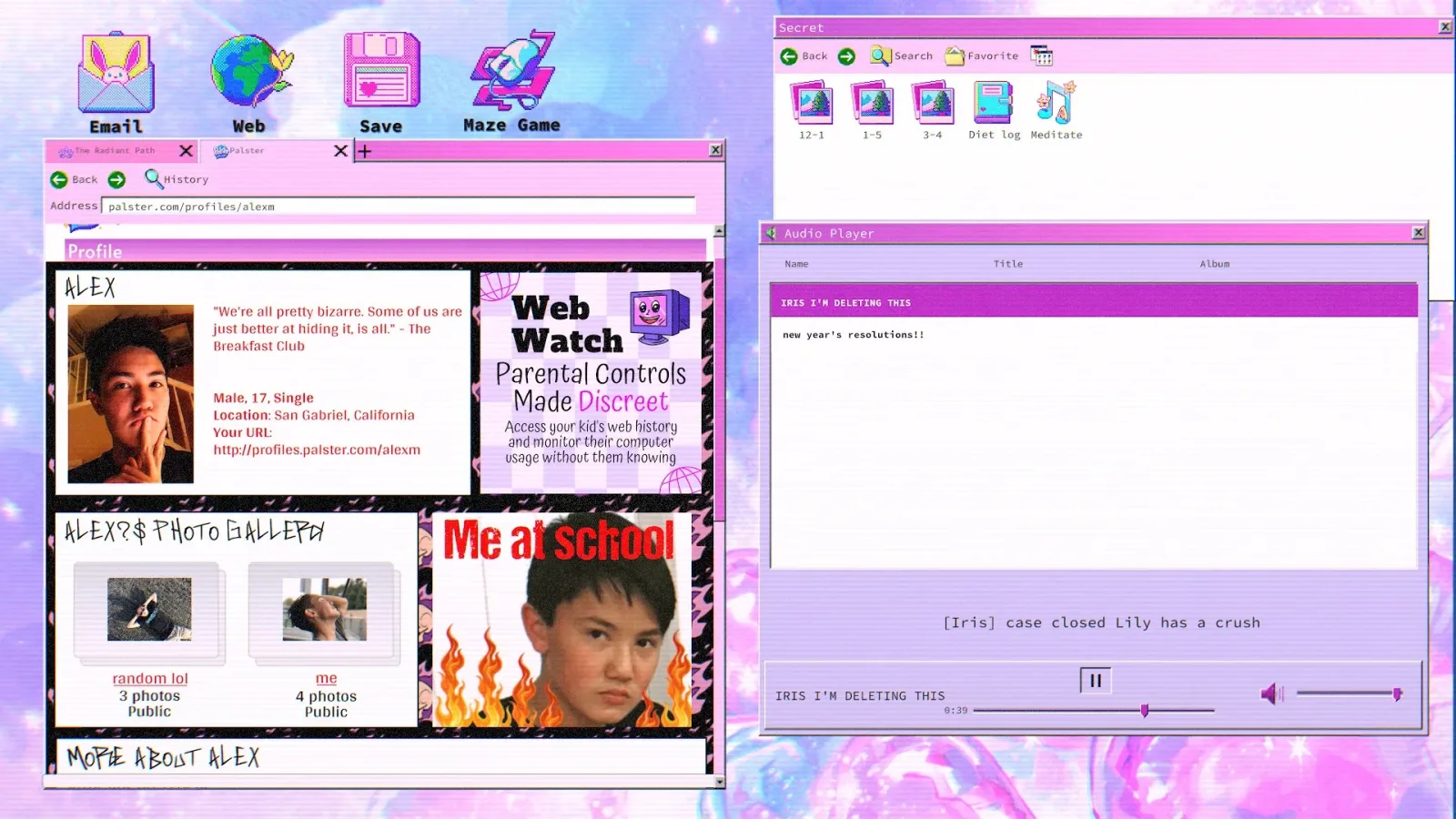
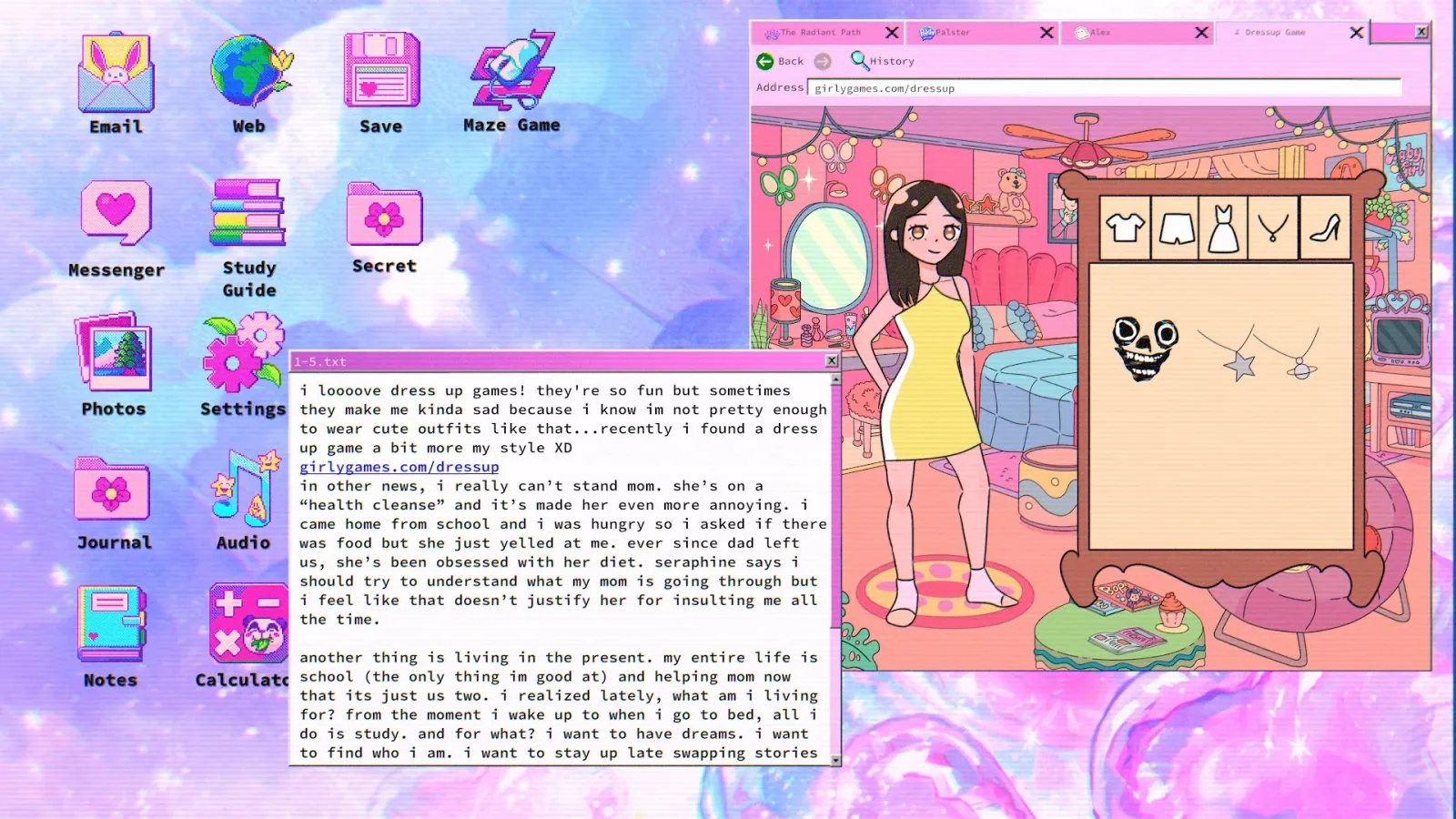
lily's world XD, a psychological horror game built around the private life stored on a teenager's computer, is now available for PC through Steam. Developed by content creator SonderingEmily, the game presents players with an old laptop full of personal messages, blog posts, photographs, hidden clues, and the kind of awkward internet history many people would prefer to leave buried.
Its central mystery is more troubling than simple digital snooping. Lily is missing, and the material scattered across her desktop may be the only route to learning what happened to her. What begins as a search through conversations and customized blog pages gradually becomes a more direct threat, as the player discovers messages apparently intended for them. The investigation is no longer safely contained within a stranger's computer.
The game launched on September 17, 2026. It is priced at EUR12.25, $11.99, and £10.75 on Steam, with a 20% launch discount offered during its first seven days.
A laptop becomes the scene of the mystery
The premise of lily's world XD places the player in front of Lily's computer, using its files and online spaces to reconstruct the life of someone they have never met. Lily is described as a typical teenage girl: dramatic, emotional, and awkward, but also someone keeping a significant secret. Her laptop is the key to reaching it.
For useful background on this topic, read Road Truckers: New Beginning Steam Playtest Opens Ahead of 2026 Launch.
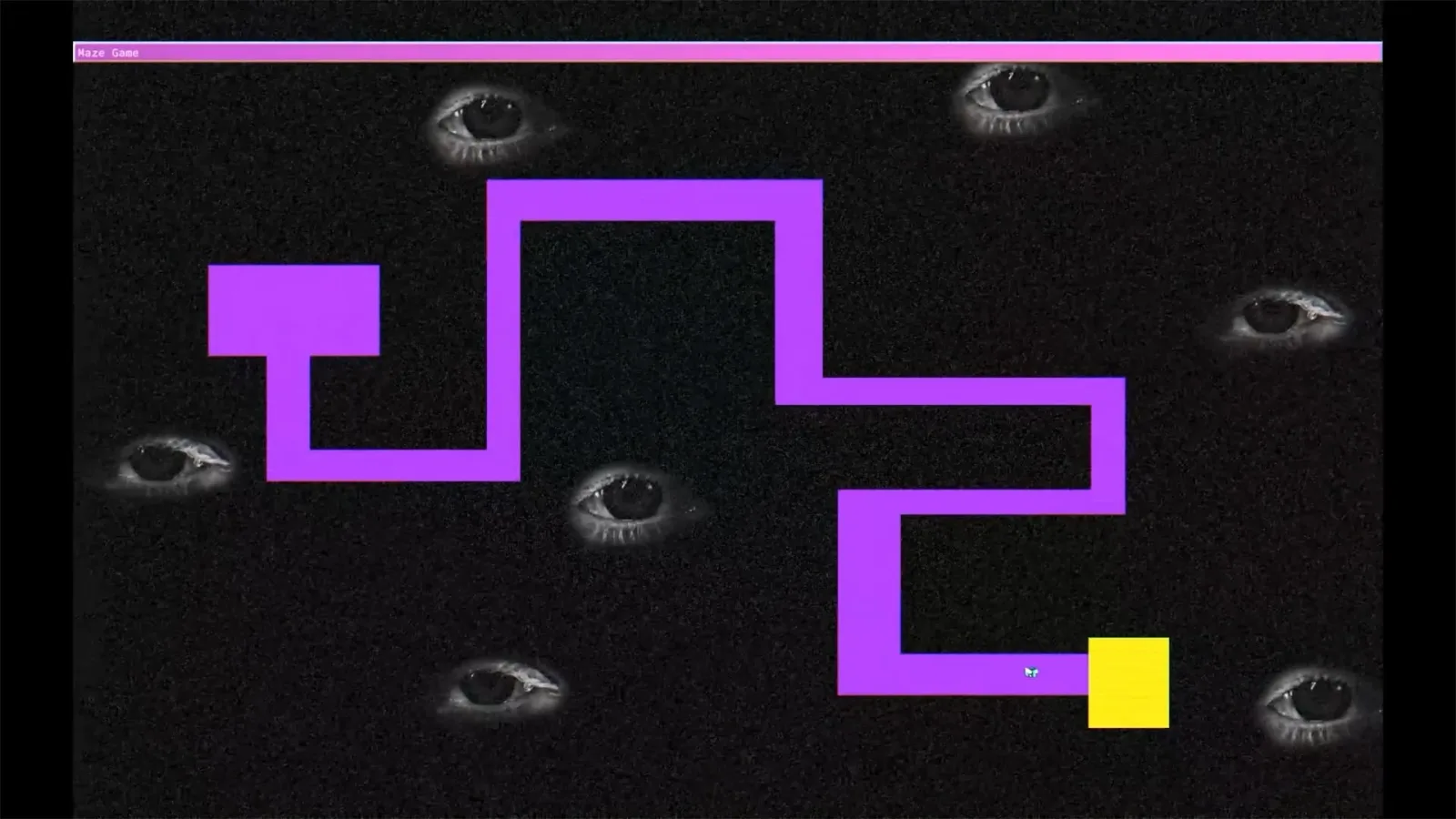
Rather than treating the computer as background decoration, the game makes it the central space for progression. Players are expected to read through old conversations, inspect Lily's personal blog, uncover hidden communications, and revisit the connections she once had with childhood friends. The details are intended to add up into a larger account of where Lily went and why she may have disappeared.
That design gives the horror a deliberately intimate angle. The player is not entering a haunted mansion or facing a visible monster in a conventional action scenario. They are looking through an archive of somebody's adolescence: embarrassing selfies, private posts, friendships that may have changed over time, and messages that were never meant for outside eyes. The discomfort comes partly from the access itself, before the wider danger behind Lily's disappearance fully emerges.
The mystery also suggests that Lily was not the only person withholding information. As the search deepens, players will encounter signs that other forces are intervening to keep the truth concealed. Even the safety of the player's own computer becomes uncertain, reinforcing the idea that the boundary between Lily's digital world and the person investigating it is beginning to break down.
For another perspective on this story, read lily's world XD Brings Early-Web Psychological Horror to Steam on PC.
Early-web nostalgia with a deliberately uncomfortable edge
lily's world XD draws on the visual language and social texture of the early web. Its computer-based structure invites players to browse, decode, and revisit an internet shaped by personal blogs and private chat histories rather than the more polished systems of modern social media. The result is meant to be nostalgic, but not comfortably so.
The game's title immediately signals that tone. The lowercase name and "XD" expression evoke a period of online communication that can now feel both familiar and deeply awkward. That awkwardness is not merely an aesthetic choice. The game uses it as part of a story about friendship, body image, loneliness, and the experience of growing up as a nerdy teenager online.
Those themes give the investigation a personal quality beyond its horror setup. Searching Lily's files means encountering the messy record of a young person trying to navigate identity and social pressure in public and private spaces at once. The player may be looking for a dark answer, but the path there is shaped by ordinary teenage vulnerability: self-conscious images, uncertain friendships, emotional oversharing, and the traces people leave online while attempting to figure themselves out.
Adding to that sense of specificity, the game features real photographs of SonderingEmily and the developer's friends from their own teenage years. The use of these images is designed to make Lily's world feel less like a generic retro-internet recreation and more like a recognizably personal snapshot of adolescence. It also means the game's "cringe" is presented as something authentic rather than a detached joke at the expense of its characters.
From passive browsing to direct intrusion
A major part of the game's escalating tension is its shift in focus. At first, the player is an observer studying Lily's life from a distance. They can customize her blog, examine her communications, and sort through clues without appearing to be noticed. Yet that sense of control is not expected to last.
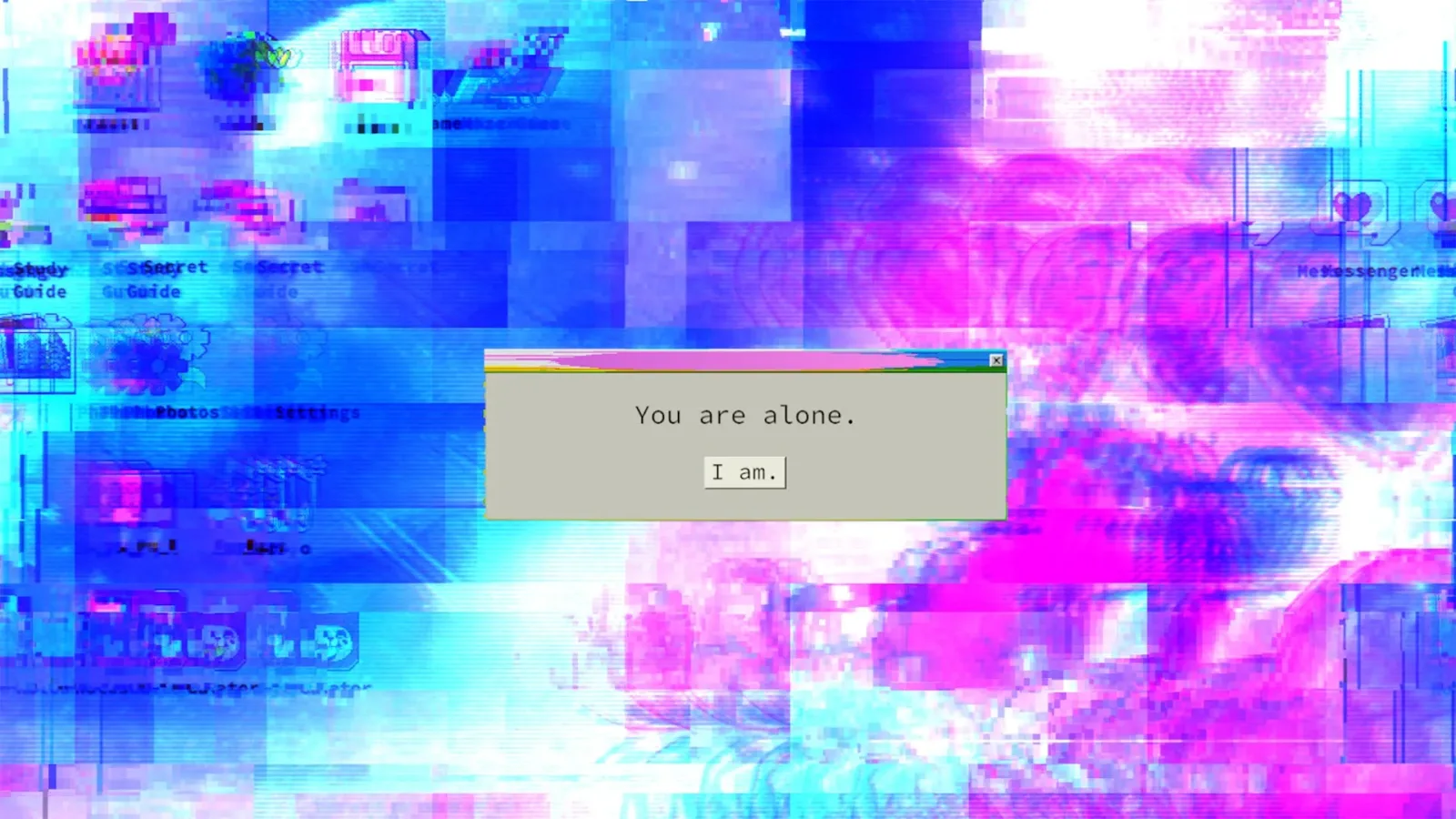
Messages addressed directly to the player begin to appear, suggesting that somebody--or something--has become aware of the investigation. The premise raises the stakes from solving an old mystery to avoiding attention from the people responsible for Lily's situation. The question is no longer solely whether Lily can be found. It becomes whether the player can pursue the truth without being found in return.
Can you find Lily before those who took her find you?
That setup fits psychological horror particularly well because it turns the familiar activity of using a computer into a source of unease. A chat window, image folder, or blog entry can all become avenues for clues, but each may also create the impression that the system is looking back. The threat does not need to be constantly visible to be effective; the game's concept relies on uncertainty, invasive communication, and the feeling that a private digital space is no longer under the player's control.
Players who enjoy mysteries driven by close reading and piecing together fragmented information may find the structure especially appealing. The available details point toward an experience where progress comes from noticing patterns across messages, decoding concealed text, and understanding the relationships around Lily. At the same time, the horror framing means that these discoveries are likely to change the meaning of earlier material as the story develops.
Steam bundles connect it with other narrative mysteries
To mark the launch, lily's world XD is also part of several Steam bundles. The game has been paired with Slay the Princess, 1000xRESIST, The Case of the Golden Idol, and SIMULACRUM, giving players a discounted way to pick up it alongside other narrative-focused adventures.
Each pairing highlights a slightly different aspect of what lily's world XD is aiming for. Some of those games are known for branching or psychologically charged storytelling, while others emphasize close investigation and uncovering hidden context. The bundles do not change the core game, but they place Lily's computer-bound mystery among titles that similarly ask players to interrogate what they are told, examine evidence, and remain alert to details that may not mean what they initially seem to mean.
The launch discount and bundle options offer multiple ways to approach the release during its opening week. The standalone discount lasts for seven days after launch, while the bundles are intended for players who want to explore a broader selection of story-heavy games at a reduced combined cost.
A horror story rooted in the things people leave behind online
Computer-interface horror has a natural ability to make ordinary digital habits feel unsettling. Most people understand the act of scrolling through old posts, rereading a conversation, or finding an embarrassing photograph from years earlier. lily's world XD turns that familiarity into its foundation, using one teenager's online footprint as both the emotional core of its story and the route into its more threatening mystery.
The game's early-web presentation may initially invite fond recognition, but its subject matter is more serious. Lily's blog and files are not just retro props. They are evidence of a person's fears, friendships, self-image, and isolation. As players search for her, they are also asked to confront the discomfort of interpreting someone else's life through the fragments they left on a hard drive.
With its Steam launch now underway, lily's world XD offers PC players a compact-looking but potentially unnerving investigation: start with the embarrassing relics of a teenage internet life, follow the hidden messages beneath them, and hope that the people trying to silence Lily do not decide to respond.


Community
Discussion
Start the conversation.
No comments have been posted yet.