

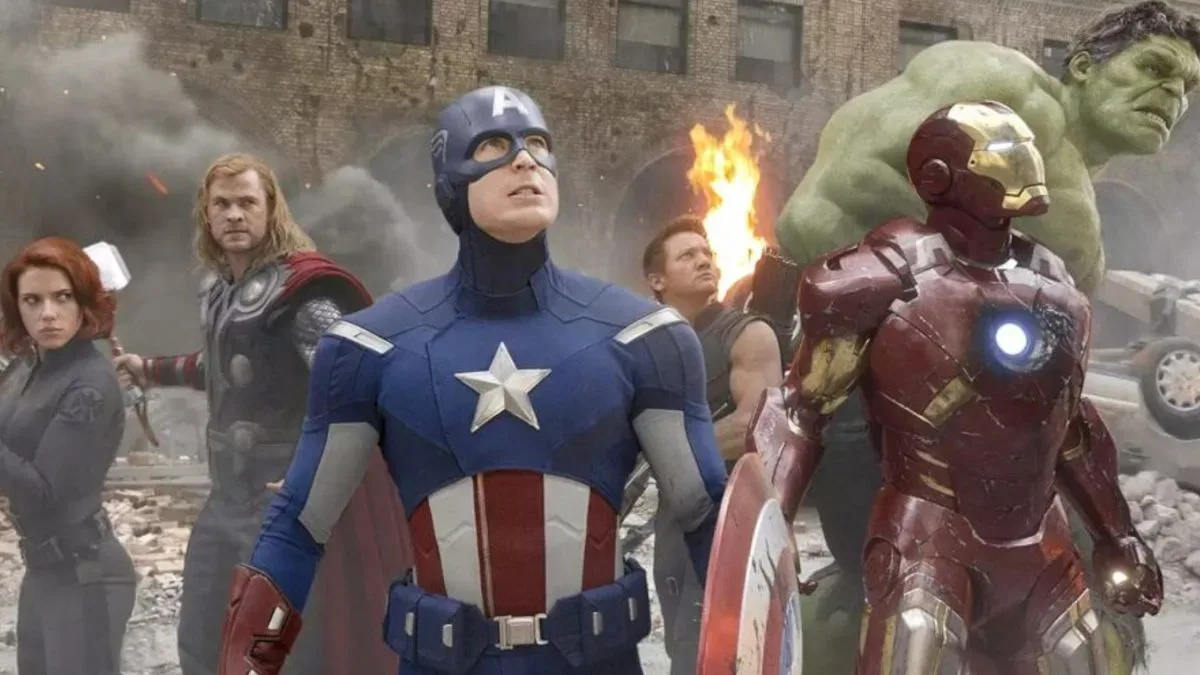
The Marvel Cinematic Universe's newly announced X-Men movie has a difficult task ahead of it. Due in 2028 with a new cast, the film is expected to arrive after Avengers: Doomsday and must introduce one of comics' most important teams to an MCU that has already spent years teasing, borrowing from, and revisiting the legacy of Fox's mutant films.
That legacy is enormous. Fox's main X-Men series ran across 10 core films from 2000 through 2017, while characters and ideas from those movies have remained present in wider superhero culture through spin-offs and later multiverse stories. Patrick Stewart's Professor Charles Xavier returned in Doctor Strange in the Multiverse of Madness, Hugh Jackman reprised Wolverine in Deadpool and Wolverine, and WandaVision built a major fake-out around Evan Peters' association with Fox's Quicksilver.
The MCU has had plenty of fun with that history. But a full-scale X-Men relaunch cannot depend on familiar faces and nostalgia alone. It needs to establish its own identity, its own emotional center, and a mutant world that feels built for the future rather than preserved from the past.
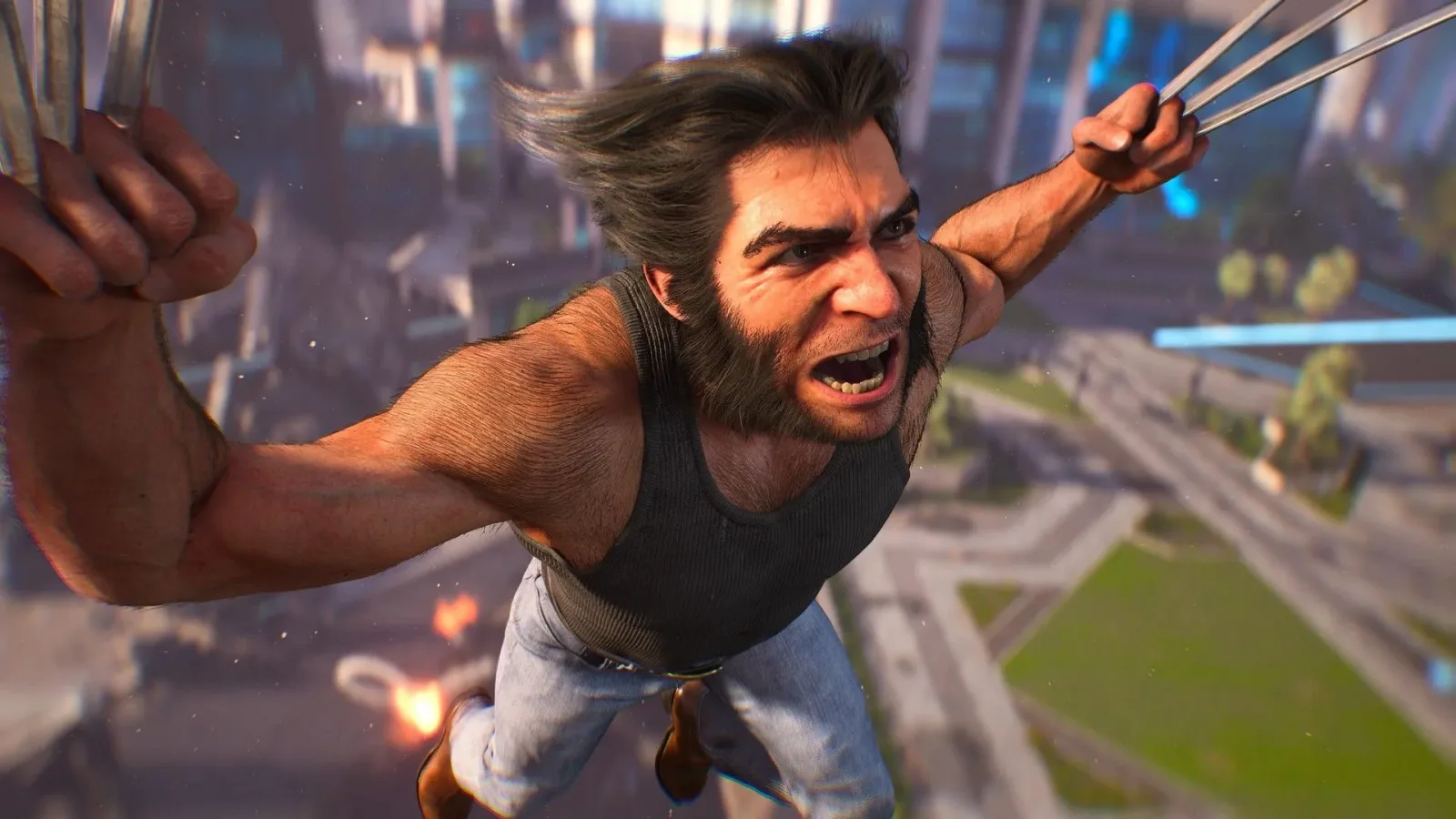
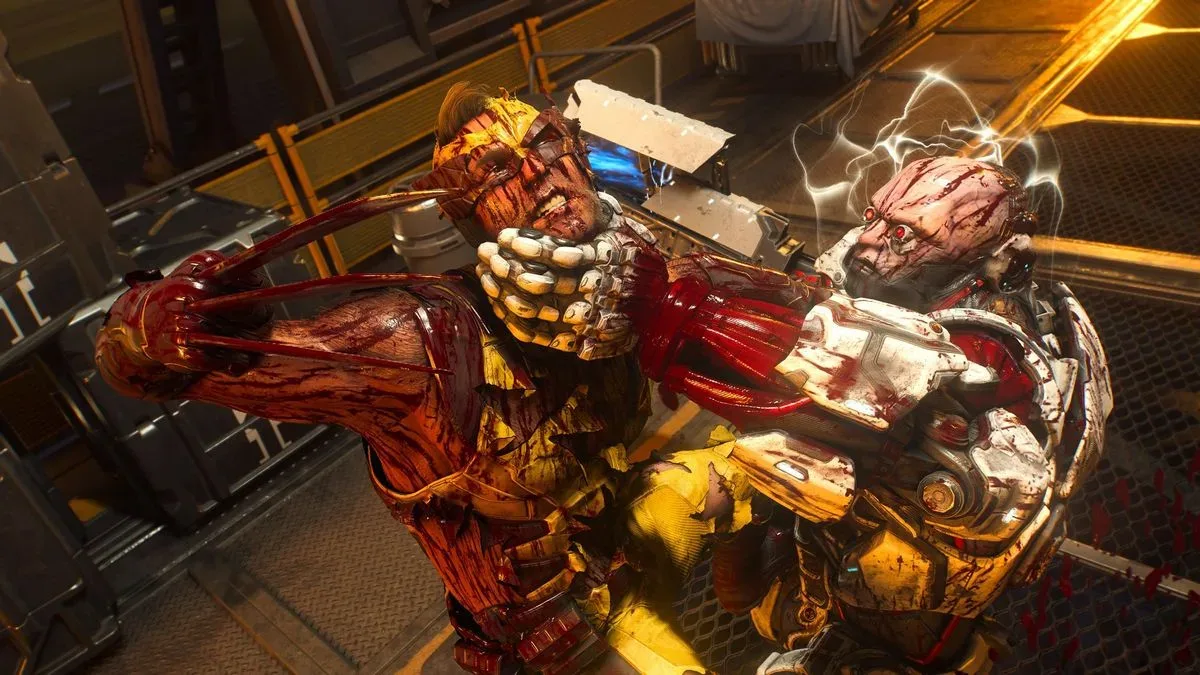
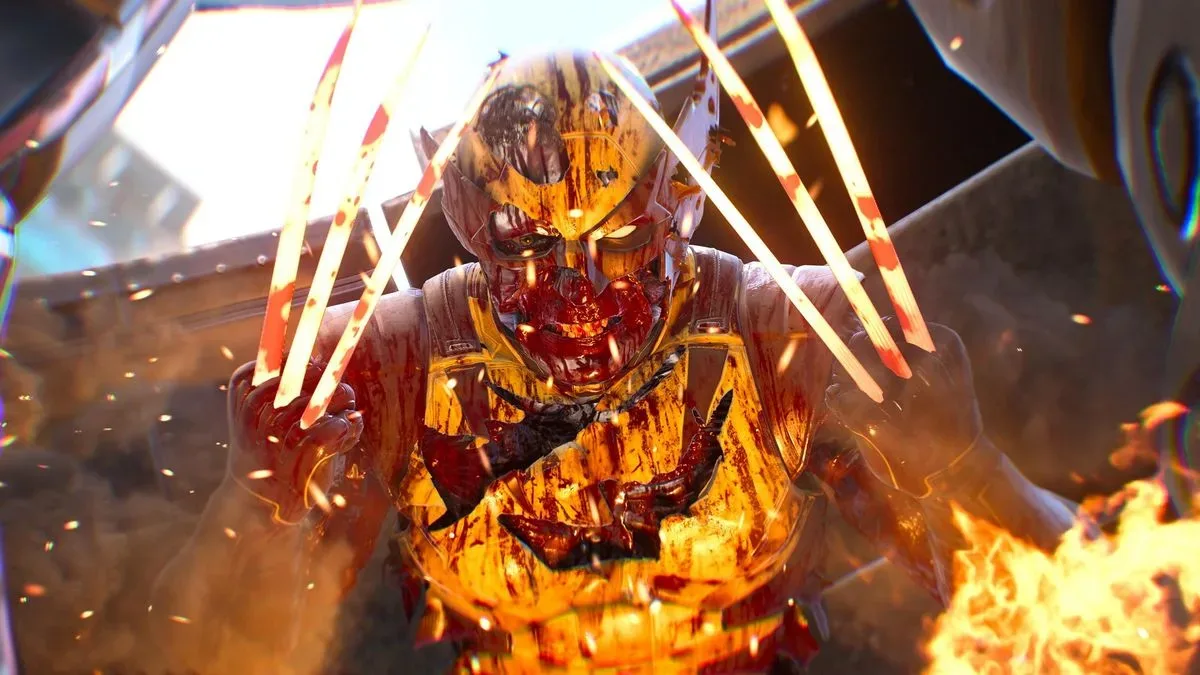
Insomniac Games' Marvel's Wolverine on PS5 provides a compelling example of how that can work. The action game is certainly bloody and spectacular, with Logan using his adamantium claws against cybernetic Reavers and other threats. Yet its most important achievement is not simply giving players a ferocious Wolverine. It is the game's confidence in creating a recognizable but distinct interpretation of the wider mutant mythos.
For useful background on this topic, read Fable Director Says the RPG's Xbox Legacy Helped Sustain Its Long Development.
A familiar hero without another origin story
Wolverine is one of the most extensively adapted superheroes ever made. Moviegoers have spent decades with Hugh Jackman's version of Logan, while comic readers know the character through countless eras, costumes, teams, romances, and traumatic revelations. A new adaptation could easily become trapped trying to explain every piece of his past before allowing him to move forward.
Marvel's Wolverine avoids that pitfall. Logan's Weapon X history is present, including the ordeal that bonded adamantium to his skeleton, but it is not used as the entire foundation of the adventure. The game offers only a brief memory connected to that period. Its Logan has also lost much of his older history after going feral, retaining clear memories of only roughly the past three decades. His abilities and instincts remain, however; he can still perform skills and speak languages that he cannot consciously place.
That setup makes Wolverine's journey about more than recovering a checklist of continuity details. He is still trying to understand himself, but the focus is on who he chooses to be and what kind of future he can help create. That is a meaningful distinction for a character so often defined by the violence done to him.
The prospective MCU film could take a similar route. The reported core lineup includes Professor Xavier, Rogue, Storm, Cyclops, Emma Frost, and Nathaniel Essex. Those are well-known names, but familiarity should not require audiences to receive a standard introduction to each character's comic-book history. The strongest version of the film may be one that meets its heroes at a decisive point in their lives, then lets the drama reveal what matters about them.
Building a mutant world from a different angle
Insomniac's game also makes a bold structural choice: the X-Men do not yet exist as a formal institution in this universe. Instead, Logan is drawn out of retirement to help his former group, Team X, rescue its founder Nathaniel Essex from an illegal mutant blacksite run by Bolivar Trask. That mission leads toward a larger danger facing mutantkind.
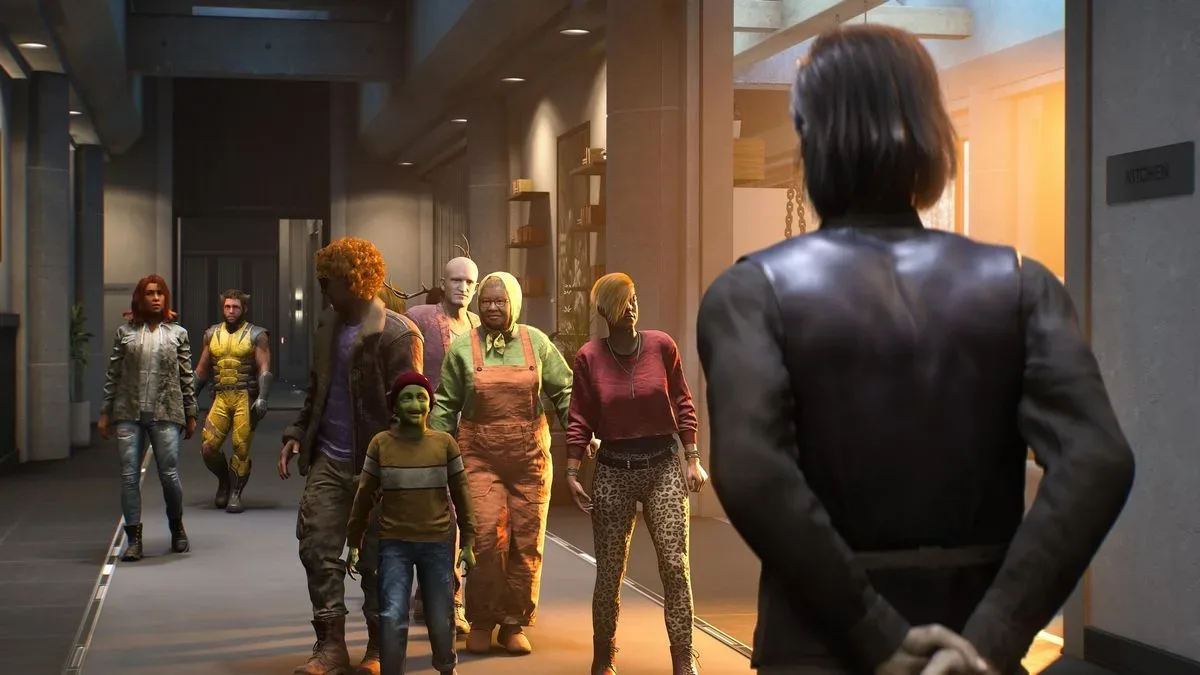
Team X is not simply a direct recreation of the comic-book black-ops unit associated with Weapon X test subjects, nor is it a substitute X-Men team wearing a different label. It is an off-the-grid organization led by Essex, operating in a world that has pushed mutants toward extreme action in the name of survival and rights. Memorials to lost members give the early sections a mournful weight. The group's violence is not framed as an easy or glamorous answer, but as the product of a society where people can be erased if they cannot defend themselves.
That is an especially useful lesson for a new X-Men movie. The franchise has always been about superpowered adventure, but it has also been about prejudice, fear, community, and the difficult choices made by people denied safety. A reboot should not treat those themes as background decoration for a conventional team-up. The social condition of mutants ought to shape the characters' decisions, alliances, and conflicts.
At the same time, "back to basics" does not need to mean repeating what has already worked. X-Men: First Class successfully offered a period-set reset centered on the early formation of a mutant team. Repeating that exact rhythm would risk making the new MCU version feel overly cautious. The more interesting possibility is a setting with an existing, complicated mutant underground, one where Xavier's vision is only one potential response to a world already divided over what mutants represent.
New versions of classic relationships
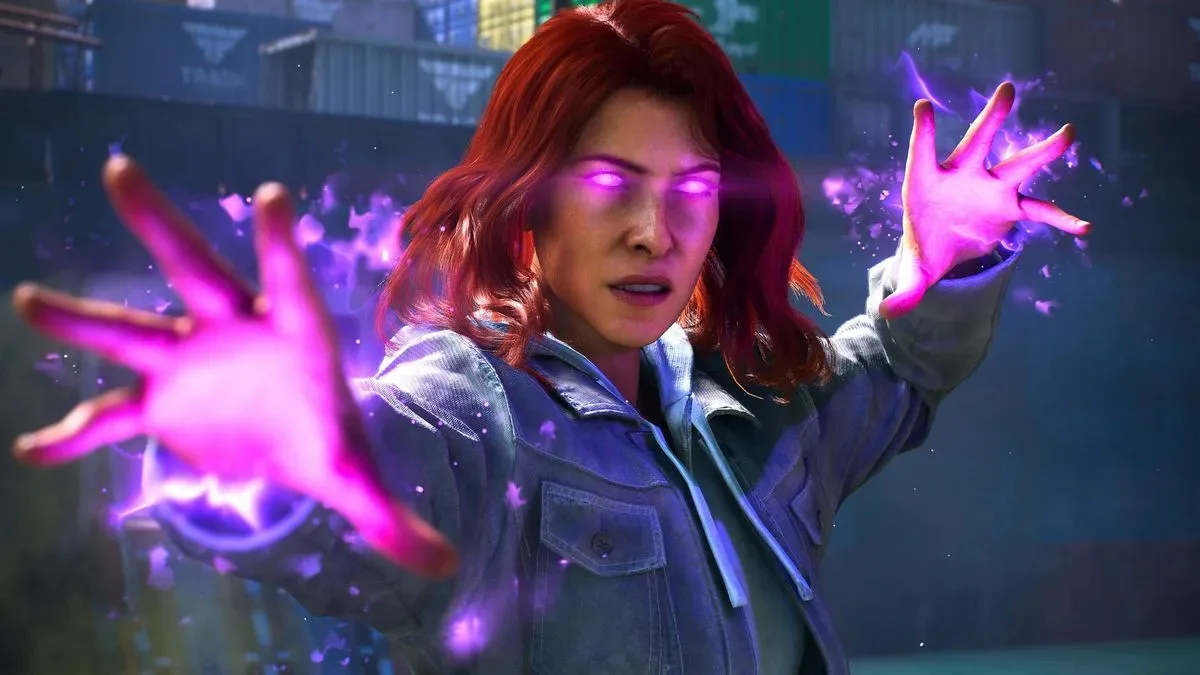
The game's reinterpretations extend beyond its institutions. Jean Grey is a major figure in Marvel's Wolverine, portrayed as an adult who is assured of her values, desires, and willingness to fight. Rather than returning to a younger version of Jean or defining her primarily through future tragedy, the story presents her as a capable person with agency in the present.
Her connection to Callisto and this version of the Morlocks adds another layer. They function as a found family of mutants who are unhoused, marginalized, and abused by a society that has left them with few places to go. It is a fresh arrangement that still fits the essential concerns associated with the Morlocks in Marvel stories.
The relationship dynamics are refreshed, too. Wolverine stories have often emphasized Logan's longing for Jean. Here, the attraction is notably inverted, with Jean clearly drawn to Logan. Liam McIntyre's Wolverine and Krizia Bajos' Jean Grey give the pairing room to develop across a game-length story, while Troy Baker's Nathaniel Essex serves as Team X's morally ambiguous mentor.
None of these changes erase the characters' comic foundations. Instead, they use those foundations as a starting point. That is the balance the MCU should pursue. Rogue, Storm, Cyclops, Xavier, and Emma Frost do not need to resemble their earlier screen counterparts in every detail to be authentic. A great adaptation identifies the traits that make each one enduring, then places them in relationships and situations that expose sides audiences have not already watched play out.
Continuity can enrich a reboot without controlling it
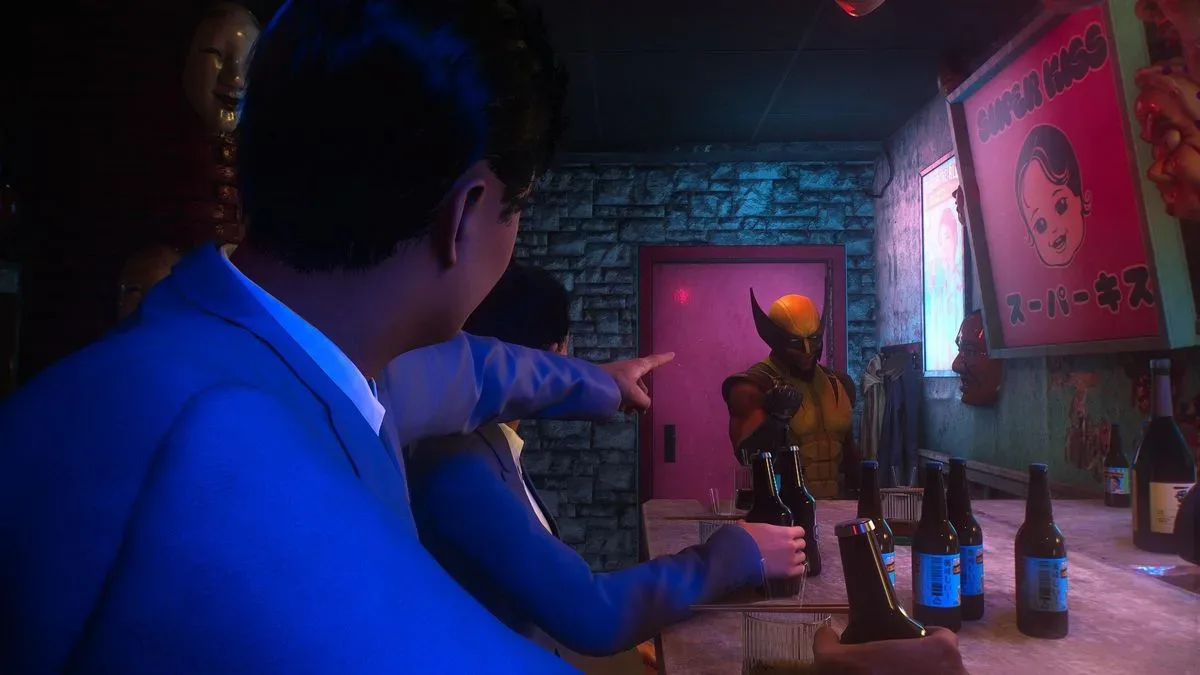
There is room for nods to Marvel's long screen history. Marvel's Wolverine itself includes Easter eggs, cameos, and sequel possibilities that suggest a larger mutant world. Its currently available movie tie-in costume is even Wolverine's yellow suit from Deadpool and Wolverine. But that costume is a playful reference, not the game's creative foundation.
That distinction matters. The MCU's X-Men film should be able to acknowledge that audiences know these characters and their adaptations without asking viewers to do homework or emotionally depend on the Fox era. A cameo, a costume detail, or a multiverse connection can be entertaining. It cannot replace the work of introducing a new team worth caring about on its own terms.
Insomniac had already demonstrated a version of this strategy with its Marvel's Spider-Man games. Peter Parker begins as an established hero rather than a beginner, and familiar villains receive adjusted histories and new context. That approach creates a setting that feels immediately accessible while retaining surprise. It is also in step with comments from Tom Holland that the stunt work and fight scenes in Spider-Man: Brand New Day drew inspiration from the PlayStation trilogy.
The X-Men have even more potential for this kind of reinvention because their mythology is so broad. Teams, splinter groups, mutant communities, scientific conspiracies, political movements, romances, and ideological arguments can all coexist. The challenge is choosing a perspective strong enough to make the franchise feel focused rather than overloaded.
The game is not perfect, but its ambition matters
Marvel's Wolverine is not without flaws. Its pacing and structure have been criticized as uneven, with a choppy feeling that can make elements seem hastily assembled. Those concerns are important, especially in a narrative as dependent on character development and the gradual revelation of its world.
Nevertheless, its interpretation of Wolverine, Jean Grey, Team X, and mutant persecution lingers because it is willing to make consequential changes. It respects what came before without being intimidated by it. The result is a version of the mutant universe that can be brutal, sad, intimate, and surprising all at once.
That is the standard the MCU's 2028 X-Men movie should aim for after Avengers: Doomsday. The new film does not need to compete with Fox by recreating its biggest moments. It should give viewers the feeling that they have entered a living world with unfamiliar tensions, fully realized characters, and stories that could go somewhere no previous X-Men film has gone.
For Marvel's mutants, the past will always be part of the conversation. The opportunity now is to make the next conversation feel essential.
Community
Discussion
Start the conversation.
No comments have been posted yet.