

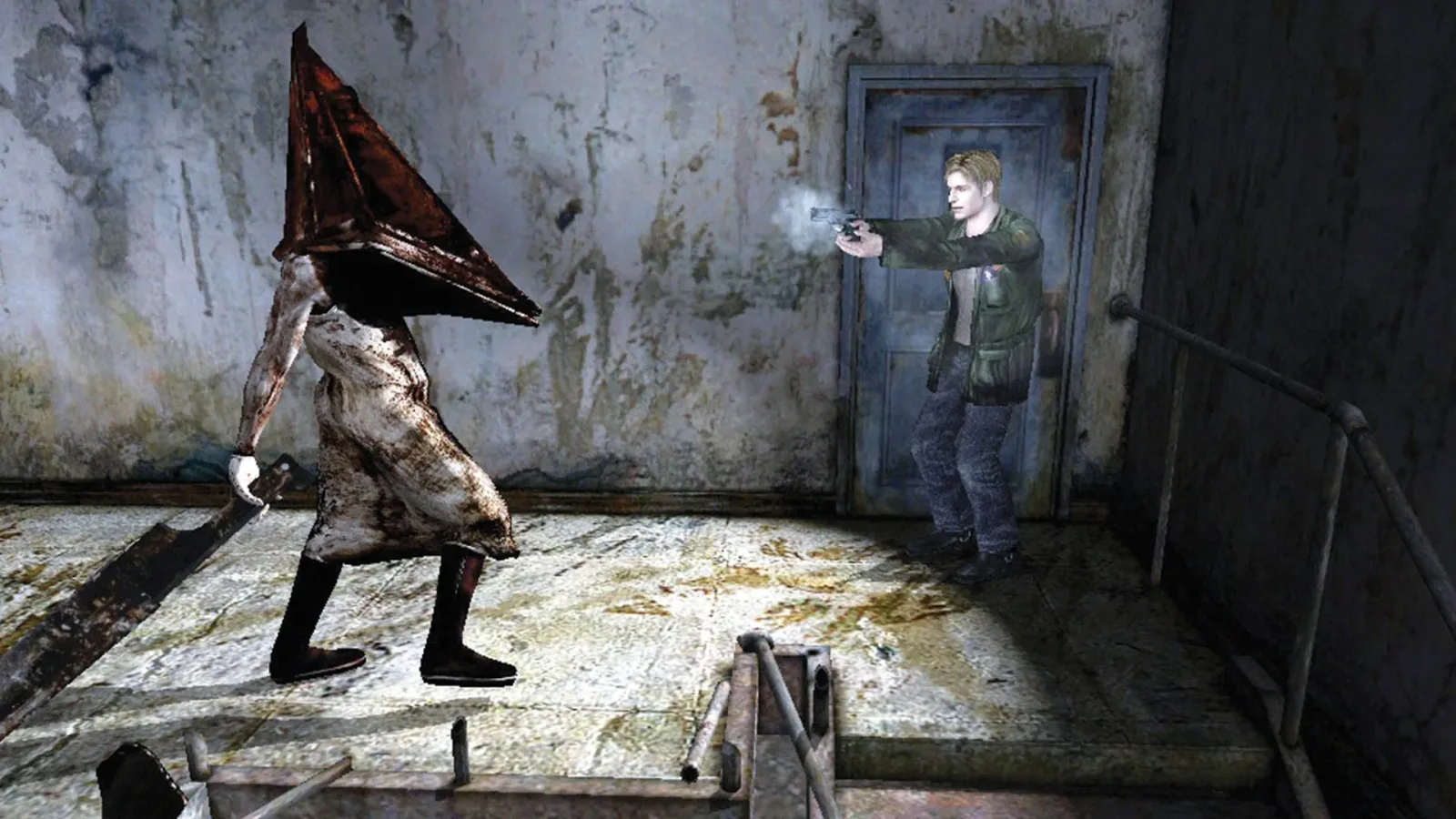
Masahiro Ito, the influential artist closely associated with Konami's original Silent Hill team and the creator of Silent Hill 2's Pyramid Head, has shared a candid reflection on the personal cost of his early career. In a post on X discussed by GamesRadar+, Ito said that the years he spent developing Silent Hill 1, Silent Hill 2, and Silent Hill 3 left him with almost no opportunity to pursue relationships or build a life away from work.
The comments are stark not because they revise the importance of Ito's contributions to one of gaming's defining horror series, but because they put that work in a more human context. Ito's art has remained central to conversations around psychological horror for decades, particularly thanks to Pyramid Head's status as one of the medium's most recognizable monster designs. Yet the artist's post is a reminder that landmark creative work can come alongside punishing schedules, missed experiences, and regrets that professional acclaim does not necessarily erase.
Eight years devoted to Silent Hill
According to the post, Ito spent eight years working on the first three Silent Hill games during his time at Konami. He wrote that he "gave up" on finding a girlfriend over that period and said he did not go on a single date. He also described sacrificing days off and sleeping on cardboard laid across the floor while working.
Embedded X/Twitter post
Those details echo comments Ito made in 2024, when he similarly indicated that he did not have time for a girlfriend while employed at Konami. His latest remarks are more openly reflective, however. Rather than simply describing an all-consuming workload, Ito said he has recently thought that he "probably would have been happier" if he had not put aside his personal life, found a partner, and married earlier.
"To be honest, lately, I've been thinking that if I hadn't sacrificed my personal life, found a girlfriend, and gotten married early on, I probably would have been happier," Ito wrote.
He also expressed disbelief at the path that has brought him to discussing those experiences publicly on social media. The post does not offer a complete account of his life or make a broader statement about every part of the games industry. It is, instead, a personal reflection from a veteran artist looking back at choices and circumstances from a formative period of his career.
The artist behind Silent Hill's enduring imagery
Ito's name carries particular weight for Silent Hill fans because his work helped establish the visual language that distinguished the series from other survival-horror games. The original Silent Hill games were not defined only by foggy streets, limited visibility, and unsettling sound design. Their impact also came from environments and creatures that made the ordinary feel diseased, unstable, and deeply unfamiliar.
Among those creations, Pyramid Head remains the most famous. Introduced in Silent Hill 2, the looming executioner figure became inseparable from the franchise's public identity, even as fans have repeatedly discussed the character's original narrative and symbolic context. The design's heavy metal helmet, imposing silhouette, and brutal weapon helped make it an enduring icon of video game horror.
That recognition has had a long afterlife. Pyramid Head is regularly cited alongside the great monster designs of games and film, while Ito's influence can be seen in the wider horror genre's interest in industrial textures, distorted anatomy, and environments that communicate dread before a creature ever enters the frame. His involvement with Team Silent's games helped produce imagery that remains instantly legible to players who may not have experienced the original releases when they were new.
Professional success, though, is not necessarily an answer to the questions Ito raises. His post does not diminish the artistic value of the work, nor does it ask fans to stop appreciating it. Instead, it underscores a tension familiar to many people in creative industries: a career can produce something lasting and admired while demanding a degree of time, energy, and isolation that is difficult to assess until years later.
Fans respond with support
GamesRadar+ noted that the replies to Ito's post were filled with supportive messages from fans. That response is understandable given both his status within horror gaming and the unusually personal nature of the comments. Players have celebrated Ito's work for years, but the reaction to this post centers less on franchise nostalgia and more on empathy for an artist who has spoken frankly about loneliness and hindsight.
There is no simple way to resolve the kind of feeling Ito described. It is impossible to know how an alternative path might have unfolded, and Ito himself does not claim otherwise. His career has been widely successful on a professional level, but success in one area does not automatically provide fulfillment in every other one. The emotional force of his statement comes from that gap between an accomplishment recognized by millions and the private experiences he believes he may have missed.
The moment also broadens a conversation often reduced to nostalgia for the games themselves. When audiences revisit classic titles, celebrate remakes, or debate the importance of old franchises, the focus naturally falls on the finished product. Less visible are the people who made it, the working conditions surrounding development, and the personal trade-offs that can be obscured by a game's eventual reputation.
Creative legacy and the cost of overwork
The original Silent Hill trilogy holds a major place in horror game history, but Ito's reflection offers a sobering counterpoint to the way the industry often talks about beloved classics. It is easy to romanticize intense development periods after a game has become canonized. Stories of sleeping at work, giving up weekends, or devoting every available hour to a project can be retold as evidence of passion and commitment.
For the people living through those periods, the reality can be much more complicated. Long hours may produce work that audiences love, but they can also narrow a person's world, strain relationships, and make ordinary milestones feel out of reach. Ito's words do not provide a complete verdict on his years at Konami, and they should not be treated as one. They do, however, make clear that he sees a personal cost in the choices surrounding that time.
That distinction matters. Admiring the games does not require celebrating every sacrifice made in their creation. Fans can recognize Silent Hill as a defining achievement while also accepting the artist's own account of what the work demanded from him. In fact, taking his comments seriously is a more meaningful form of appreciation than treating exhaustion and lost personal time as part of a mythologized development story.
Why Ito's comments resonate now
Silent Hill is once again a highly visible name in gaming, with renewed attention around the series and its legacy. In that environment, Ito's reflections land differently than a routine behind-the-scenes anecdote. They connect the franchise's celebrated past to the individual who helped shape some of its most unforgettable images.
For players, Pyramid Head may represent fear, guilt, psychological horror, or simply a classic gaming monster. For Ito, the work surrounding that era is also tied to years in which he says he set aside parts of his personal life. Both realities can exist at the same time: a hugely influential artistic legacy and a creator's sense of loss over what it took to build it.
As fans continue to discuss the future of Silent Hill, Ito's post is a valuable reminder to look beyond the iconography. The games' atmosphere, creature work, and visual identity did not appear by accident. They came from artists and developers whose lives extended beyond the projects audiences now remember. Ito's honesty does not change the place Pyramid Head holds in horror history, but it adds an important perspective to the story behind it.
Community
Discussion
Start the conversation.
No comments have been posted yet.