

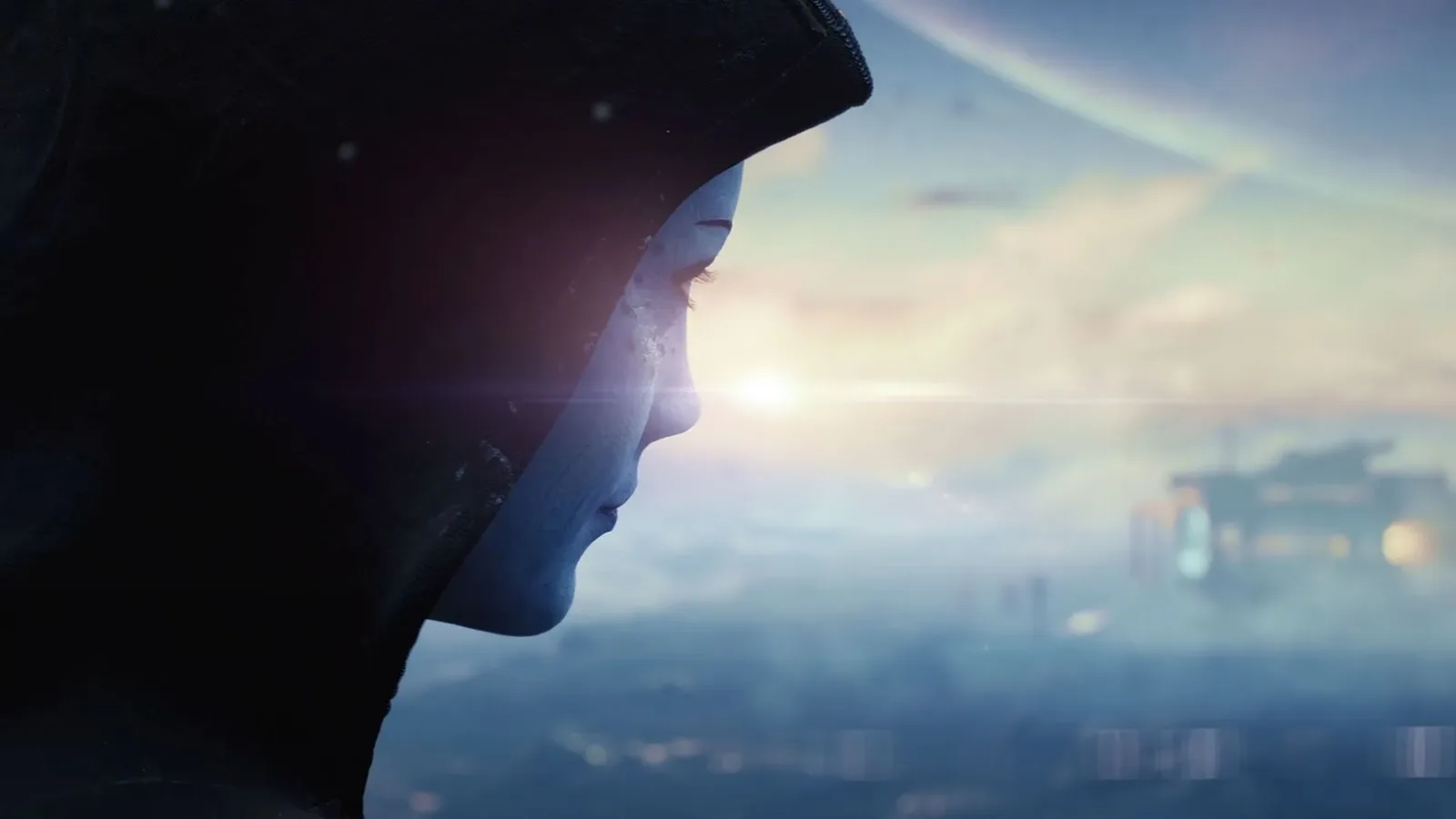
The reported closure of BioWare and cancellation of Mass Effect 5 have prompted an emotional response from players and developers across the games industry. Project director Mike Gamble has now addressed the wave of messages sent to the studio's staff, thanking fans for their support while also calling attention to the people affected by the shutdown.
Gamble's comments focused on the developers behind the unfinished science-fiction RPG, whom he described as a team with deep experience and a long history at BioWare. His message was both a note of gratitude and a practical request for assistance: anyone with relevant openings should consider the people who had been working on the next Mass Effect.
"I could probably scroll for hours and continue reading the words of support for the studio, the legacy, and the impact that BioWare has had on you," Gamble wrote. "It means so much to us."
He added that there was substantial talent among his colleagues, referring to the group as "OGs," and said he would personally vouch for every member of his crew. For a studio associated with some of the most influential role-playing games of the last two decades, that experience is not limited to a single project. It represents knowledge built across major releases, established production pipelines, narrative design, world-building, technical development, and the difficult work of bringing huge character-driven games to the finish line.
For useful background on this topic, read Shigeru Miyamoto Sees AI as a Prompt to Refocus Game Development.
Gamble did not let the message end entirely on a bleak note. He closed with a joke about the upside of suddenly having free time: at least he would not need to call in sick when Grand Theft Auto 6 arrives. The quip brought a little levity to a situation that has otherwise been met with disappointment from fans who had been waiting for the next chapter in BioWare's space opera.
BioWare's closure leaves Mass Effect 5 unfinished
The studio was reportedly caught up in a wider round of cuts at EA, which was said to involve 400 job losses following an acquisition by a private investment group led by Saudi Arabia's Public Investment Fund. BioWare's shutdown meant that development on Mass Effect 5 was scrapped.
For fans, the cancellation is particularly hard to process because the game had long carried the expectation of a return to one of gaming's most recognizable RPG universes. The Mass Effect series remains closely tied to BioWare's identity, combining cinematic companion relationships, player choices, branching story paths, galaxy-spanning exploration, and high-stakes science-fiction conflict. Even with few official details about the new game's story, the prospect of another entry had kept the community engaged for years.
The team's work had apparently reached a point where it could inspire confidence among people who had seen it. Developers who worked on the project described it as "something special," a sentiment that has only made the cancellation sting more. That phrase does not reveal exactly what the game contained, how far it had progressed, or when it might have been intended to launch. Still, it suggests that the staff involved believed strongly in what they were making.
Shortly after the closure news emerged, discussion also turned toward material that may have been prepared for public release. Rumors circulated that a Mass Effect 5 trailer existed, and footage described as that trailer later leaked online. The leak inevitably fueled more conversation about the game that will now never be completed in its planned form.
Leaks can offer an intriguing glimpse at an abandoned project, but they cannot replace a finished game or provide the full context that a carefully managed reveal would have delivered. Trailers are designed to establish mood, communicate a creative direction, and generate excitement. When that material surfaces after a cancellation, it instead becomes a reminder of the gap between a project's promise and its ultimate fate.
A legacy built on role-playing games and memorable worlds
BioWare's importance to players extends far beyond any one sequel. Over the years, the studio became synonymous with expansive RPGs that placed characters and decisions at the center of the experience. Its catalog helped define expectations for cinematic storytelling in games, particularly for players who wanted their conversations, alliances, romances, and moral choices to feel meaningful.
Mass Effect in particular became a landmark series through its mixture of squad-based action and long-form narrative continuity. Players were encouraged to carry decisions forward, form attachments to a recurring cast, and approach galaxy-shaping events in their own way. That structure created a level of personal investment that few franchises can easily match. For many fans, their version of Commander Shepard's story was not simply a campaign they completed; it was a record of decisions they made over multiple games.
That history explains why the response to BioWare's closure has been so intense. The reaction is not only about a canceled title. It is about the end of a studio whose games helped shape players' tastes, friendships, and memories over many years. Gamble explicitly acknowledged that connection in his message, recognizing the impact BioWare's work had on its audience.
There is also a human reality behind that legacy. A game studio is not merely a name, a logo, or a list of released products. It is made up of artists, writers, programmers, designers, producers, testers, audio specialists, community staff, and many others whose contributions can be difficult to see from outside. The public may remember a beloved mission, character, line of dialogue, or gameplay system, but those moments exist because teams of people solved countless creative and technical problems together.
Gamble's appeal to hiring managers puts that reality front and center. The closure may have ended BioWare's current work, but it does not erase the skills or accomplishments of the people who made that work possible. His willingness to personally recommend the members of his team is a direct statement of confidence in their ability.
Industry support arrives during another difficult period
Developers from throughout the industry have expressed sadness over the closure. That solidarity matters because large-scale game development is a collaborative field, and the loss of a studio affects more than its own employees. Former colleagues, partner teams, independent creators, and competitors can all recognize the value of experienced developers suddenly entering an uncertain job market.
The people affected by the closure include individuals who had continued building on BioWare's traditions while trying to make something new. Their work on Mass Effect 5 may remain incomplete, but the expertise gained during that production can travel with them into future projects. Some may join established teams; others may help form new studios; still others could bring lessons from BioWare's approach to roles outside traditional AAA development.
That possibility is important when considering the longer-term impact of a closure. Studios can disappear, projects can be canceled, and planned sequels can be left unfinished, but creative talent does not vanish with a corporate decision. The developers behind major games often continue influencing the medium through the teams they join next. The result may not be another Mass Effect, but the ideas, craftsmanship, and hard-earned experience can still find a place in future worlds and stories.
What Mass Effect fans are left with
There is no announced path forward for the canceled Mass Effect 5. With BioWare shut down and development halted, fans are left to reflect on what was shown or rumored, the comments from people close to the project, and the series that came before it. The leaked trailer, if authentic, will likely remain an especially bittersweet artifact: a brief suggestion of a direction that will not receive the opportunity to become a full game.
For now, the clearest message from the project's director is not about plot details, release plans, or a potential revival. It is about people. Gamble's post thanked the community for recognizing BioWare's legacy, but it also asked that players and industry professionals remember the developers themselves. Those developers are now seeking their next opportunities, and Gamble wants prospective employers to know exactly how highly he regards them.
The joke about Grand Theft Auto 6 may have been brief, but it captures the resilient tone of the message. Humor cannot undo the loss of a studio or restore a canceled game. It can, however, offer a moment of connection during a painful transition. For the staff affected by the closure, the hope is that the support being expressed online turns into tangible opportunities and that the people behind BioWare's legacy soon get the chance to create something special again.
Community
Discussion
Start the conversation.
No comments have been posted yet.