

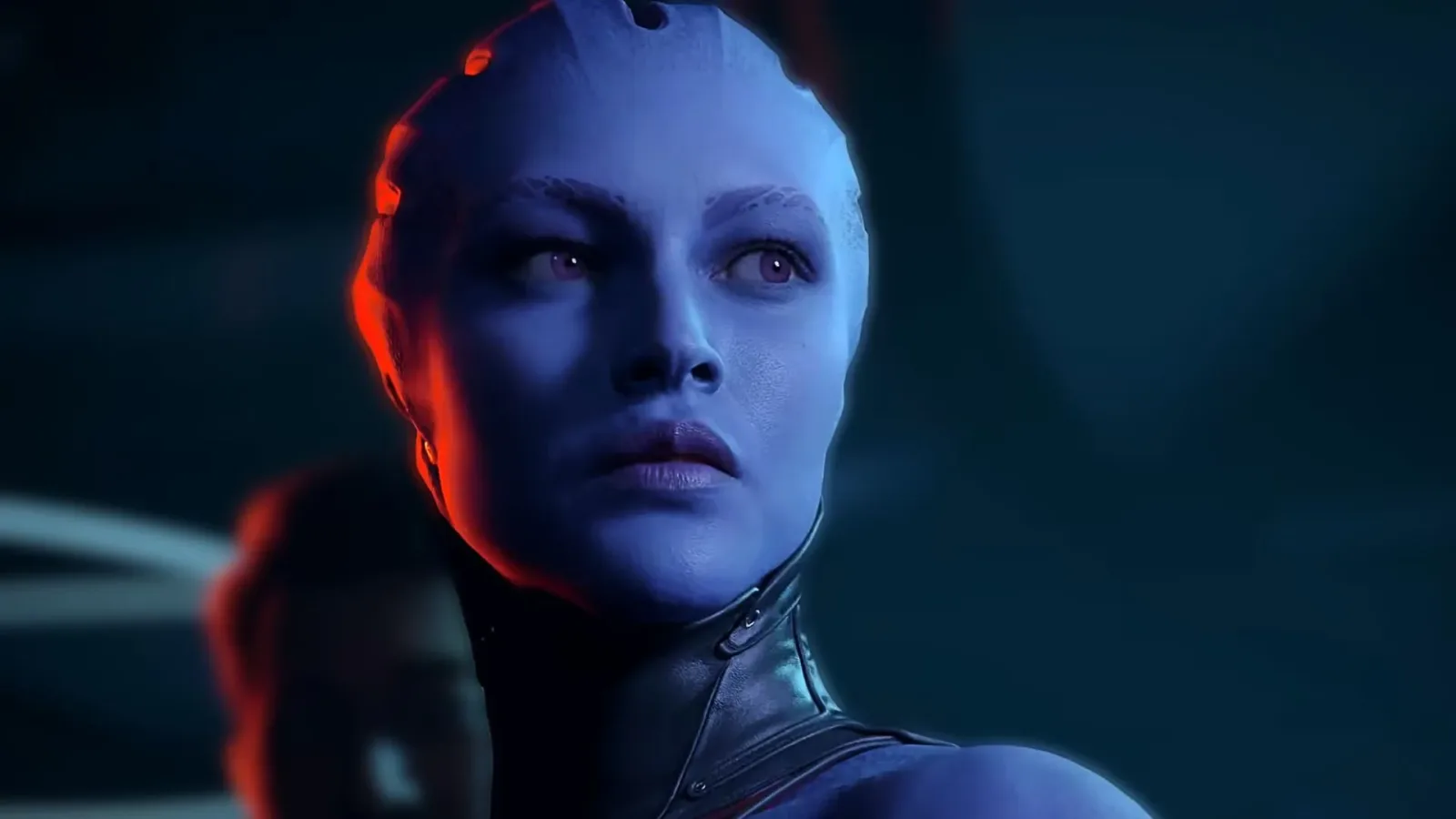
N7 Day is normally a date for Mass Effect fans to revisit favorite squadmates, debate galaxy-saving decisions, share Normandy screenshots, and celebrate one of gaming's most influential science-fiction RPG series. This year, November 7 carried a far heavier mood. It was the first N7 Day held after BioWare's closure by parent company EA, leaving the future of Mass Effect uncertain and a new entry apparently unfinished.
Yet the day also became a striking display of what the series has meant to the people who made it as well as the audience that has spent years returning to its worlds. Former directors, writers, composers, animators and other contributors shared memories of their work, praised the community's dedication, and mourned a creative home that had shaped landmark role-playing games. Several messages also carried a shared belief that Mass Effect should not be finished simply because the team behind it is no longer intact.
That combination of grief and optimism defined the conversation. The franchise's next step has not been announced, no replacement developer has been confirmed, and there is no clear public timetable for a return. Still, many of the people most closely associated with the original games used N7 Day to make clear that Mass Effect's legacy remains much larger than any single release cycle.
Embedded X/Twitter post
Casey Hudson sees a path forward
Casey Hudson, the original Mass Effect game director and a key creative figure in the series' early history, addressed the unusual nature of this year's celebration directly. Hudson also led development on Star Wars: Knights of the Old Republic, another RPG remembered for player agency and cinematic storytelling. Rather than offering a conventional cheerful greeting, he acknowledged that "happy" did not feel like the right word under the circumstances.
For useful background on this topic, read Mewgenics Spent 13 Years Becoming Edmund McMillen's Most Ambitious Catastrophe.
Even so, Hudson said he remains optimistic that Mass Effect will continue. He credited the players whose attachment to the universe has endured through sequels, spin-offs, debates, remasters and long periods of silence. In his view, a triumphant return would be made possible by that sustained outpouring of affection from the community.
It is an important sentiment coming from the director of the original game. Mass Effect did not become beloved merely as a setting of starships and alien civilizations; it earned loyalty through the personal investment it asked of players. Choices could define Shepard's reputation, determine which characters survived, and shape relationships across multiple games. The series encouraged people to see their own version of its story as meaningful, which helps explain why the community remains vocal even amid uncertainty.
A project lead salutes fans and the stories left untold
Michael Gamble, who had been leading the next Mass Effect project, also thanked fans on social media. His message praised the love and passion surrounding the universe, saying that the community had remained a source of support even through the worst days. He closed by raising a toast to the stories that remain untold.
That phrase lands with particular force following BioWare's closure. The project had been informally referred to in conversation as Mass Effect 5 and, in other contexts, Mass Effect Universe. Neither label established an official final title, and the available comments do not reveal how far development had progressed, what form the game would have taken, or whether its work could be continued elsewhere.
For fans, the uncertainty is especially frustrating because Mass Effect has always been built around possibility. Its central appeal is not only the tale it tells, but the sense that there are countless corners of the galaxy still worth exploring: colonies on the edge of known space, fragile alliances between species, unexplained threats beyond the relay network, and the individual lives caught beneath massive political and military events.
Gamble's wording reflects that tension. It does not confirm the next game's survival, but it recognizes that there were creative ambitions and narrative threads still waiting for an opportunity to become real. At present, those stories remain exactly that: untold.
Sam Hulick reveals discussions about scoring the new game
Composer Sam Hulick provided another revealing glimpse at what might have been. Hulick, whose work helped establish the original trilogy's signature electronic and atmospheric sound, said that he had been in discussions with BioWare about returning to compose music for the next Mass Effect. He stressed, however, that nothing had been finalized.
His comments underline both the project's connection to the series' past and an apparent willingness to evolve its identity. Hulick said BioWare wanted to take the music in a new direction, while he wanted to avoid simply repeating the formula established by the original trilogy. That is a sensible creative challenge for any continuation of Mass Effect. Fans want the stirring synth textures, lonely space ambience and heroic thematic lift associated with the series, but a new story also needs its own voice.
One idea Hulick discussed was the increased use of vocal songs. He pointed to the fan response to Faunts' end-credits track from the first Mass Effect and suggested that lyrical music could have given emotional narrative moments a different kind of impact. The original trilogy often relied on instrumental pieces to evoke its largest feelings, whether tension, wonder, loss or resolve. A more prominent place for songs with lyrics could have been a major tonal change, especially during intimate character scenes or pivotal story conclusions.
To mark N7 Day, Hulick also shared a newly scored version of the leaked Mass Effect Universe trailer. The piece reportedly closes with dark, bouncing synthesizer elements, a reminder of how central sound has been to the franchise's atmosphere. Even brief musical material can immediately evoke the sensation of scanning a distant planet, walking the Normandy's decks, or preparing for a mission that may have consequences far beyond its immediate objective.
Former staff remember a dream job
The public reflections were not limited to high-profile franchise leads. Former BioWare narrative designer Michael Tucker described working on his favorite series as the opportunity of a lifetime and a dream realized. He said he was proud of the work the team accomplished and of making decisions intended to deliver an unforgettable experience for Mass Effect fans.
Those remarks speak to a quality that has long distinguished BioWare's most celebrated work: the people creating it were often fans of the genre and, in Mass Effect's case, deeply conscious of the responsibility of expanding a universe players cared about. Narrative design in a choice-driven RPG involves more than writing dialogue. It means considering continuity, character motivations, branching outcomes, player expectations, pacing, and the emotional consequences of decisions that may echo across dozens of hours.
Jonathan Cooper, a former BioWare animator, added another piece of history to the day by releasing a rare internal trailer from the original trilogy's very early development. He described it as a very pre-alpha piece assembled to highlight the games' cinematics. The material offers a useful reminder that Mass Effect's cinematic language did not arrive fully formed. Its conversations, camera work, performances and mission staging were built through experimentation long before players saw the finished games.
That work helped set expectations for modern RPG presentation. Mass Effect combined dialogue choices with close-up character performances, branching scenes and action-focused framing in a way that made its decisions feel immediate. The technology and production methods have changed dramatically since then, but the impact of that approach can still be seen throughout narrative games today.
Catherynne M. Valente on why it is never "just a video game"
Catherynne M. Valente, the novelist behind Mass Effect: Annihilation and one of the writers on the cancelled next Mass Effect, offered one of the most personal N7 Day reflections. In a substantial post, she wrote that she had lost track of the number of times she had used the word "devastated" in the preceding two weeks. She rejected the idea that the loss should be minimized as being only about a game.
Her response captures why studio closures can resonate far beyond corporate news. For workers, they mean the loss of colleagues, creative plans, accumulated knowledge and years of specialized labor. For players, they can mean the sudden interruption of a world that has become part of their lives. Mass Effect has connected with people through its relationships, its questions about identity and artificial intelligence, its depictions of sacrifice, and its willingness to imagine a future where different species attempt to build something together despite their history.
There is also an especially painful dimension to a franchise that treats continuity as one of its defining strengths. Players have spent years carrying choices from one chapter to another, watching consequences develop and sharing stories of the paths they took. When future installments become uncertain, it can feel as though the conversation between creators and players has been interrupted mid-sentence.
What comes next for Mass Effect?
No N7 Day message can settle the practical questions surrounding Mass Effect's future. EA has closed BioWare. The next project's status has not been clarified through an official release plan. There is no confirmed new studio, no announced creative team, and no indication of which elements of the halted work, if any, could eventually carry forward.
What this year's tributes do establish is that the series still has an unusually broad reservoir of goodwill. That support comes from players, but also from many of the developers who helped define the franchise across its games, novels, music and cinematic presentation. Their memories are not simply nostalgic; they point to the creative potential still present in the Mass Effect setting.
For now, N7 Day stands as a moment of remembrance rather than a venue for concrete announcements. Fans can celebrate the missions, companions and difficult choices that made the trilogy enduring, while recognizing the very real disappointment surrounding the studio's closure and the unfinished project. The hope expressed by Hudson, Gamble, Hulick and others does not guarantee a new Mass Effect. It does, however, make one thing clear: there are still people who believe the galaxy has more to say.
Community
Discussion
Start the conversation.
No comments have been posted yet.