

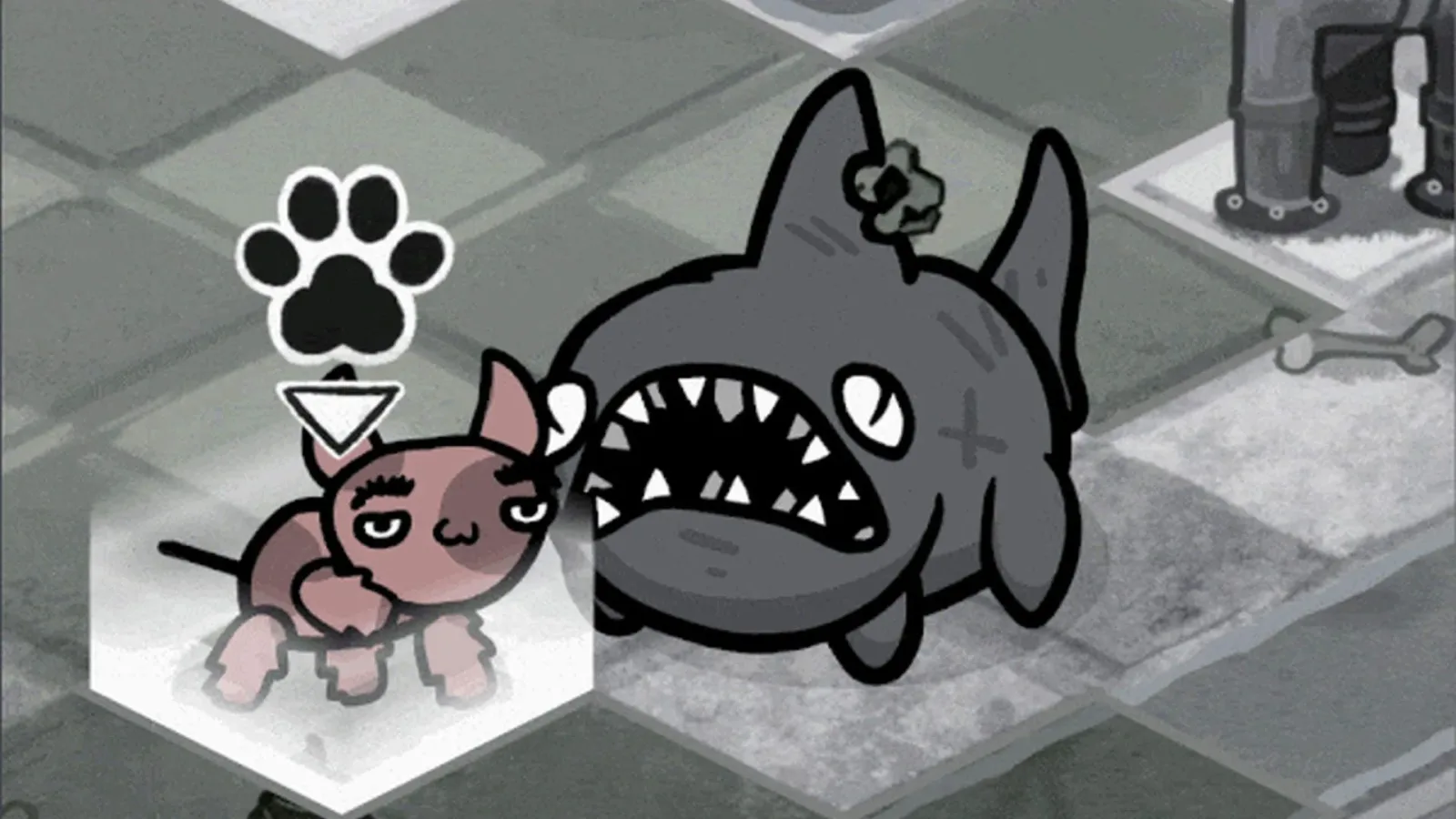
Mewgenics began with a joke that almost nobody wanted. In August 2012, during Ludum Dare 24, participants voted on possible competition themes. One unusual candidate, "1,000 kittens," finished last in the public vote. Yet the rejected prompt immediately clicked with Edmund McMillen, who had recently seen enormous success with The Binding of Isaac.
McMillen and Team Meat co-founder Tommy Refenes began building a prototype around the absurd premise. The project was initially called Mew-Genics, and its early pitch promised not merely a thousand cats, but an almost incomprehensible 12 sextillion possible felines. The huge number was rooted in a technical and artistic trick McMillen had already explored: layering separate visual pieces to create characters that visibly changed as their attributes changed.
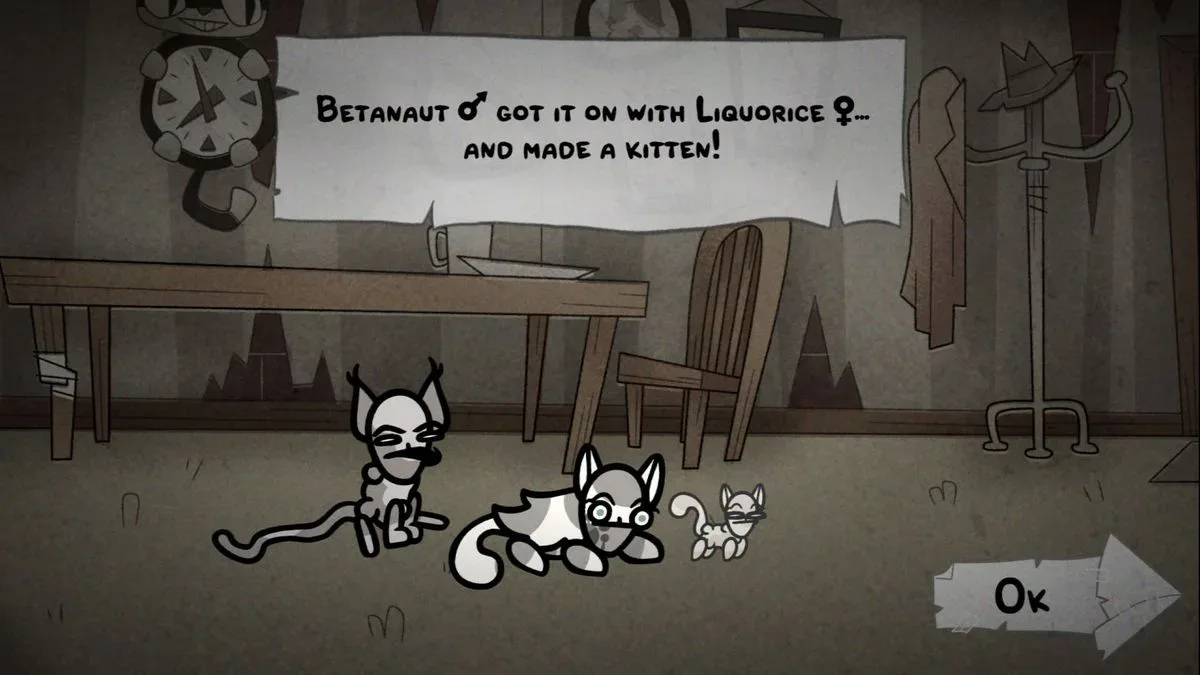
For cats, the idea had obvious potential. Randomized heads, limbs, bodies, and other features could be treated as genetic information. Breeding would pass combinations forward, producing strange descendants with distinct appearances. It was a simple starting point, but one McMillen became intensely attached to. What followed was a 13-year development journey involving a cancellation, several abandoned genres, an enduring creative partnership, and a final design packed with systems its own creators sometimes forget exist.
An Early Version That Barely Resembled the Finished Game
By the following year, McMillen and Refenes had a build they were prepared to show publicly. It was not yet the tactics-heavy Mewgenics players know. Instead, the game revolved around a house that could be upgraded over time. Players could interact with their cats, watch their animations, and send them into minigames using the animals as avatars.
For useful background on this topic, read N7 Day 2026 Becomes a Fight to Protect Mass Effect's Future After BioWare Closure.
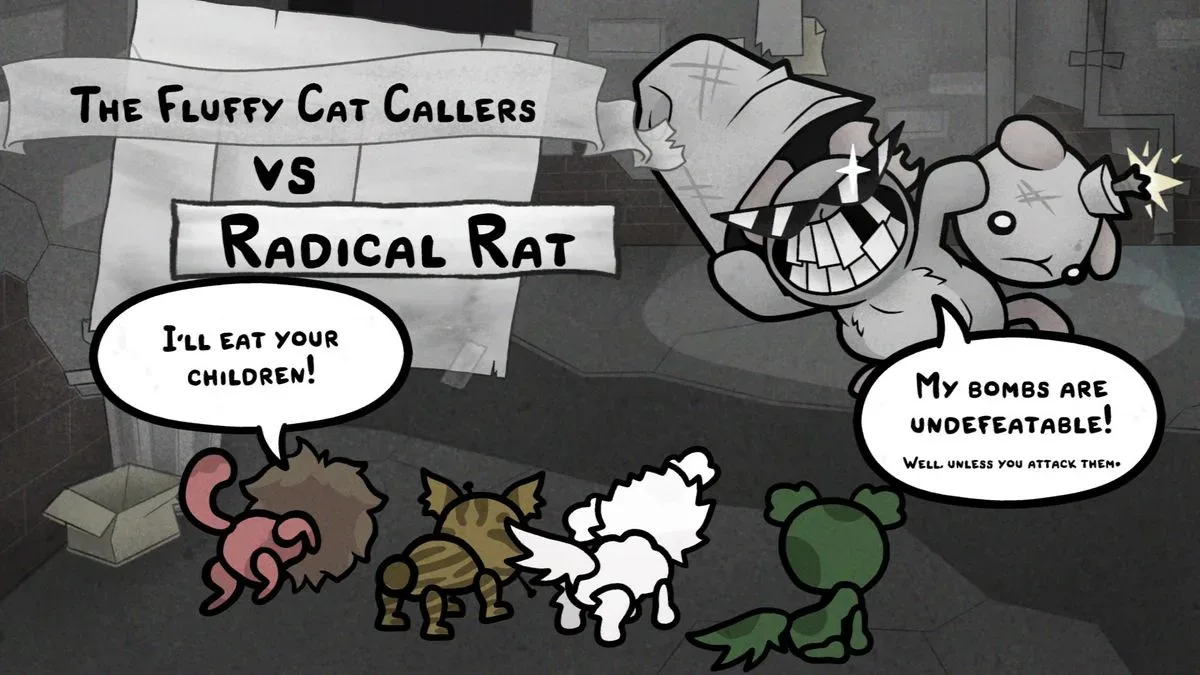
Only one of those activities had been properly realized: cat fights. Those early battles took inspiration from Pokémon-style turn-based combat. Team Meat planned to bring the game to PAX Seattle in August 2013, but the playable demo was pulled at the last moment.
The decision became a major dividing line for the project. After returning from the event, Refenes told McMillen he could not continue working on Mewgenics. McMillen tried to keep the collaboration going, but the game was effectively cancelled at that point. Publicly, it was described as being on hold while Team Meat moved to another project.
That project was eventually announced as Super Meat Boy Forever, which released in 2020. By then, McMillen had departed both the game and Team Meat. He later reflected that the collaborators had come to want very different things. But even while Mewgenics was inactive, he kept attempting to find a version of its concept that could work.
The Game Kept Changing Shape
McMillen's attempts to revive the project often involved reframing it through a different genre. At one stage, he considered an approach closer to Spelunky, an important influence on his move into roguelikes with The Binding of Isaac. He also continued pitching variations of the idea to Refenes in the hope that one might capture his former partner's interest.
Tyler Glaiel, McMillen's longtime friend and collaborator from the Flash webgame era, had a different suggestion. Why not apply the positioning and battlefield decision-making of Final Fantasy Tactics rather than use Pokémon-like encounters? The two styles share turn-based roots, but Glaiel believed tactics combat offered more genuine depth.
That observation would eventually prove crucial, although it did not become Mewgenics' direction immediately. Following McMillen's exit from Team Meat in December 2016, he and Glaiel reunited to make the action platformer The End Is Nigh. Throughout that production, McMillen continued floating Mewgenics-adjacent ideas.
One proposed project involved breeding procedurally generated aliens. The creatures would have more unusual, physics-driven assemblies of body parts than the cats. But after a short period of experimentation, Glaiel reached a clear conclusion: the alien concept was simply a worse fit than cats. The original theme had an emotional weight that a substitute could not match.
Why Cats Were Always the Point
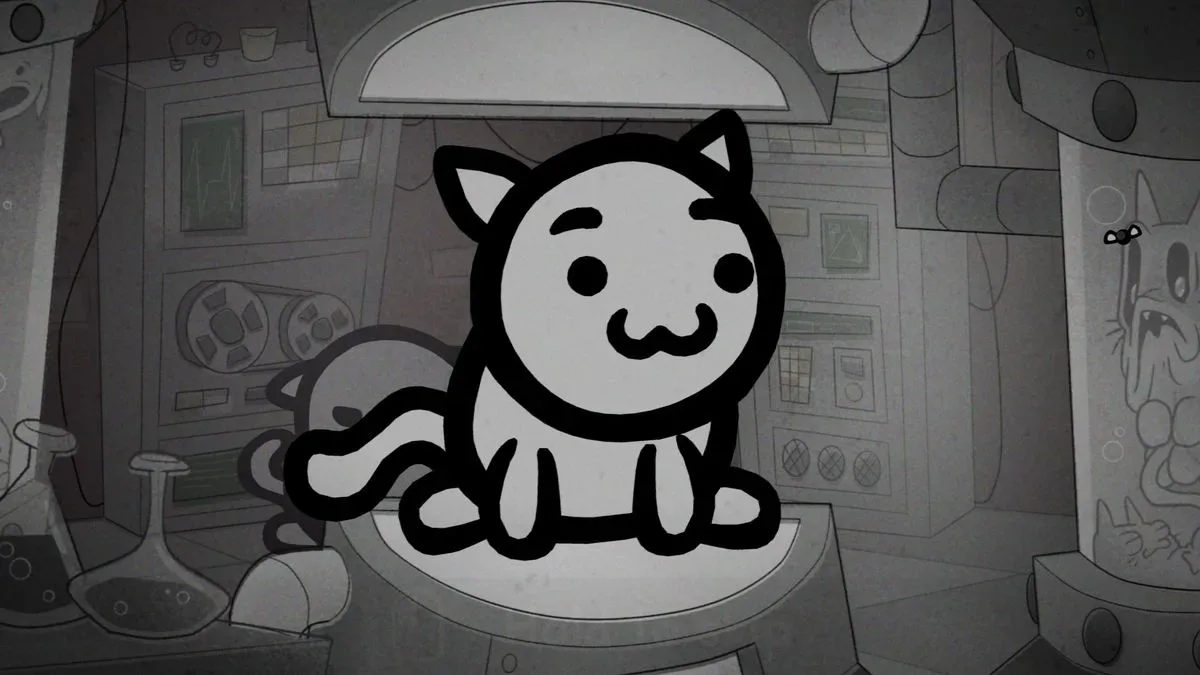
Mewgenics may turn cats into combat units, breeding experiments, and resources to be traded away, but its creator's investment in the theme comes from a genuine affection for animals. McMillen's first cat, Guppy, was a stray kitten abandoned in a planter box by its mother. Guppy died in 2014, but was memorialized through the powerful Guppy transformation in The Binding of Isaac.
His family later became familiar with the world of hairless-cat ownership, eventually caring for three such cats. Their most recent was a Russian import named Puggy. That experience also exposed McMillen to aspects of designer breeding that troubled him. He has criticized an industry he feels can value rare visual traits, distinctive ears, or unusual coats over the animals' health.
That criticism runs directly through Mewgenics' themes. The game's breeding mechanics invite players to pursue rare combinations and desirable outcomes, echoing the logic of collecting prized "drops." Its grotesque humor and moral discomfort are not accidental decorations around a cat simulator; they are part of the reason McMillen continued carrying the concept with him for so long.
From Beat-'Em-Up to Tactical RPG
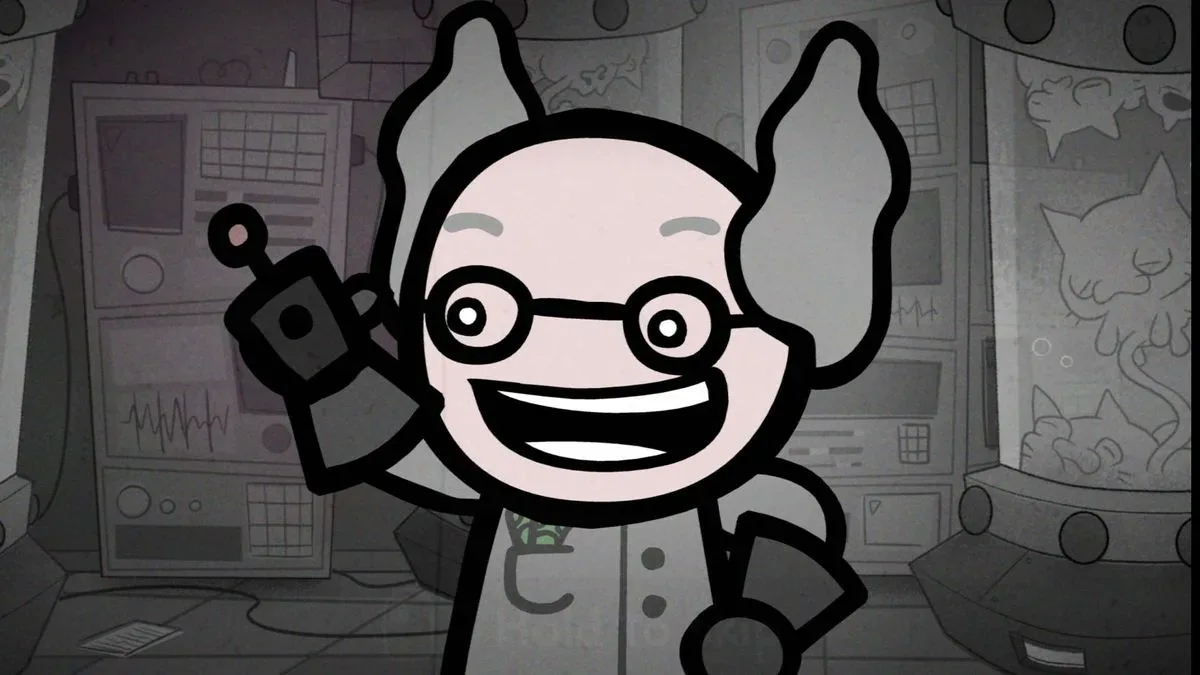
After The End Is Nigh launched in 2017, McMillen and Glaiel were finally able to devote themselves to Mewgenics. The project already had years of accumulated creative material. Characters including Dr Beanies and Butch had appeared in blog posts as far back as 2012, while even an early version of the musical theme had been recorded by Ridiculon. What remained unresolved was the most important question: what exactly would the game play like?
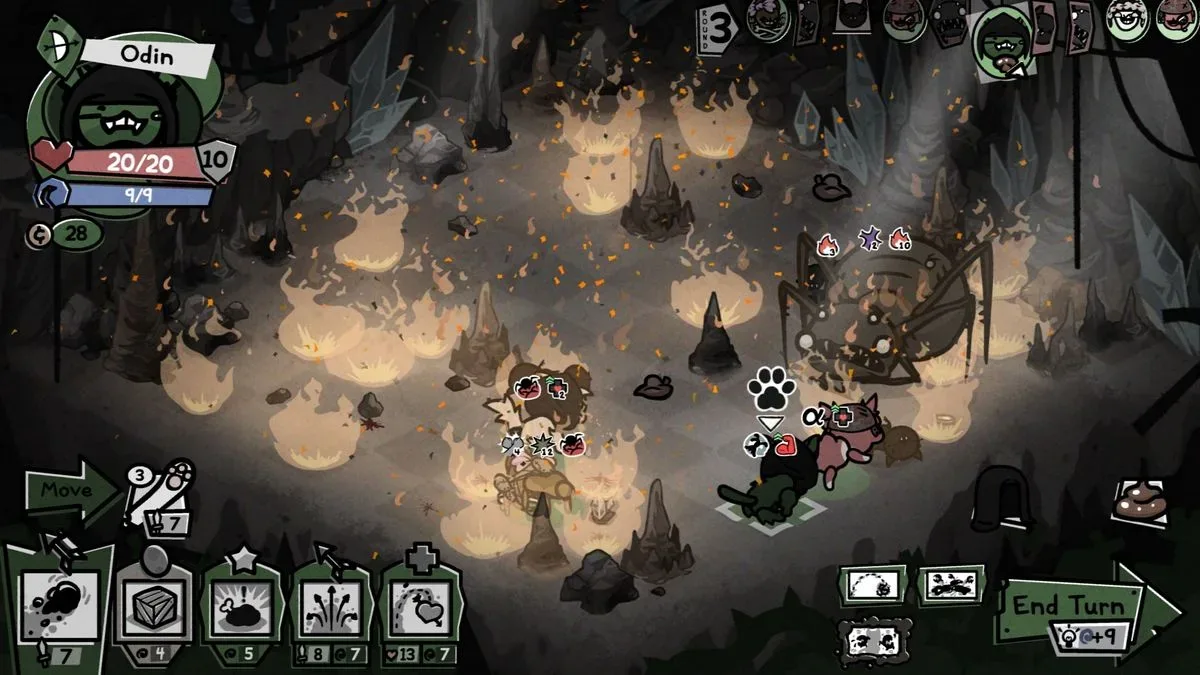
There were numerous prototypes. One took the form of a Castle Crashers-style beat-'em-up. The developers wanted a group of cats on screen because multiple characters could support more interesting stories and interactions than a lone protagonist. Making that readable and satisfying in real time, without leaning on multiplayer, was difficult. Possible answers included a single player-controlled cat with followers or a main cat supported by AI companions.
Another version pursued a real-time strategy model inspired by StarCraft. Glaiel found it cumbersome. Without direct control, enemies needed extremely long attack windups so players had enough time to issue movement orders. That undermined the immediacy of dodging and made the strategic layer less compelling.
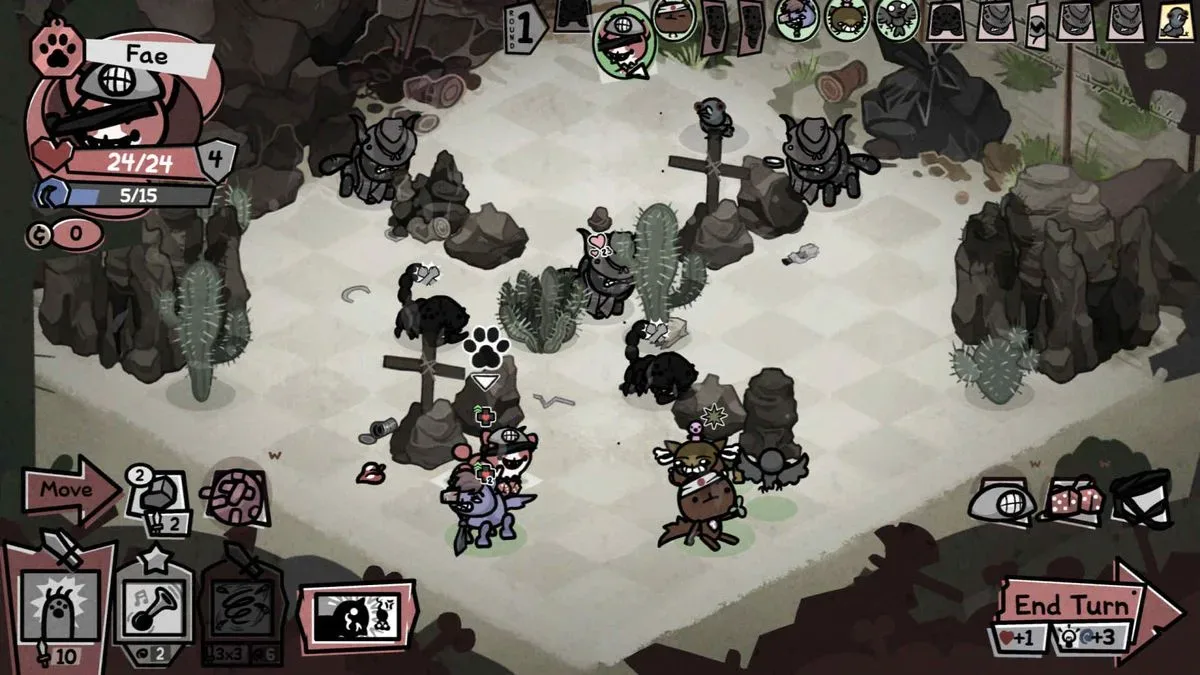
Neither experiment was necessarily doomed. Both developers believe they could have made decent games from those foundations. But neither seemed as interesting as the direction Mewgenics finally chose: turn-based tactical combat paired with the cat-breeding and home-management ideas that had existed from the start.
Two Interlocking Games, Built at Once
The final version's ambition created a difficult design problem. Mewgenics had to work as both a pet-focused breeding game and a tactical RPG. But the breeding system could not be meaningfully finalized until the developers knew what kinds of combat challenges, abilities, and roles the resulting cats would need to fulfill.
Development from 2020 through 2026 involved solving that problem in an unusually organic way. McMillen and Glaiel worked on systems that could appear disconnected, gradually completing them before linking the pieces together. Their shared history and similar instincts made that approach possible, though it did not guarantee every assumption would be right.
The game's bizarre NPCs illustrate how much changed late in production. Early on, the plan was to upgrade these characters with money, an approach the team felt encouraged undesirable grinding. Eventually, McMillen recognized that Mewgenics already had a more thematically appropriate resource: cats themselves.
In the final game, players can hand kittens with unwanted traits, or older combatants past their strongest days, over to NPCs in exchange for rewards. Even Dr Beanies' role as a quest giver arrived surprisingly late. Less than a year before launch, he was still associated with ability needles that granted randomized powers based on cats players had sent to him. The system often produced unexciting abilities and cluttered inventories, so it was reworked rather than discarded.
That is representative of Mewgenics' broader design philosophy. A feature that fails in one role might return later as optional late-game content, a hidden reward, or an unusual interaction. Ideas were rarely thrown away forever. They were retained until the team found an empty space in the larger experience where they could matter.
A Living World of Overlooked Details
That long accumulation of experiments is now one of Mewgenics' defining strengths. McMillen has described players reaching hundreds of hours and still encountering mechanics, events, and combinations they had never seen. Some features that may once have been planned as central systems ended up tucked into rare routes or difficult optional content.
The developers have also discovered that they do not always remember every interaction they implemented. In one player discussion, Glaiel learned of a unit becoming blinded after using a wind ability while standing on dirt. The interaction had been added, but it was distant enough from day-to-day memory to surprise him. Conversations between the pair still drift into questions over which elemental behaviors are currently in the game, which were merely discussed, and which could become material for a future class or expansion.
McMillen sees that density as part of the magic. Years of updates helped turn The Binding of Isaac into an enormous ecosystem of secrets, and Mewgenics was developed under the shadow of that standard. In a sense, its creators were competing with a previous game that had already received a decade of additional content and refinement.
Mewgenics did not get there through a conventional straight line. It began as an unloved game jam prompt, became a domestic cat-management game, disappeared when a partnership ended, and resurfaced through aliens, brawlers, RTS experiments, and tactics prototypes. Its long road explains why the finished game can feel so overstuffed with strange possibilities. For McMillen, the original desire to make the number of cats effectively infinite never really went away. It simply took 13 years to build a game expansive enough to hold that idea.
Community
Discussion
Start the conversation.
No comments have been posted yet.