

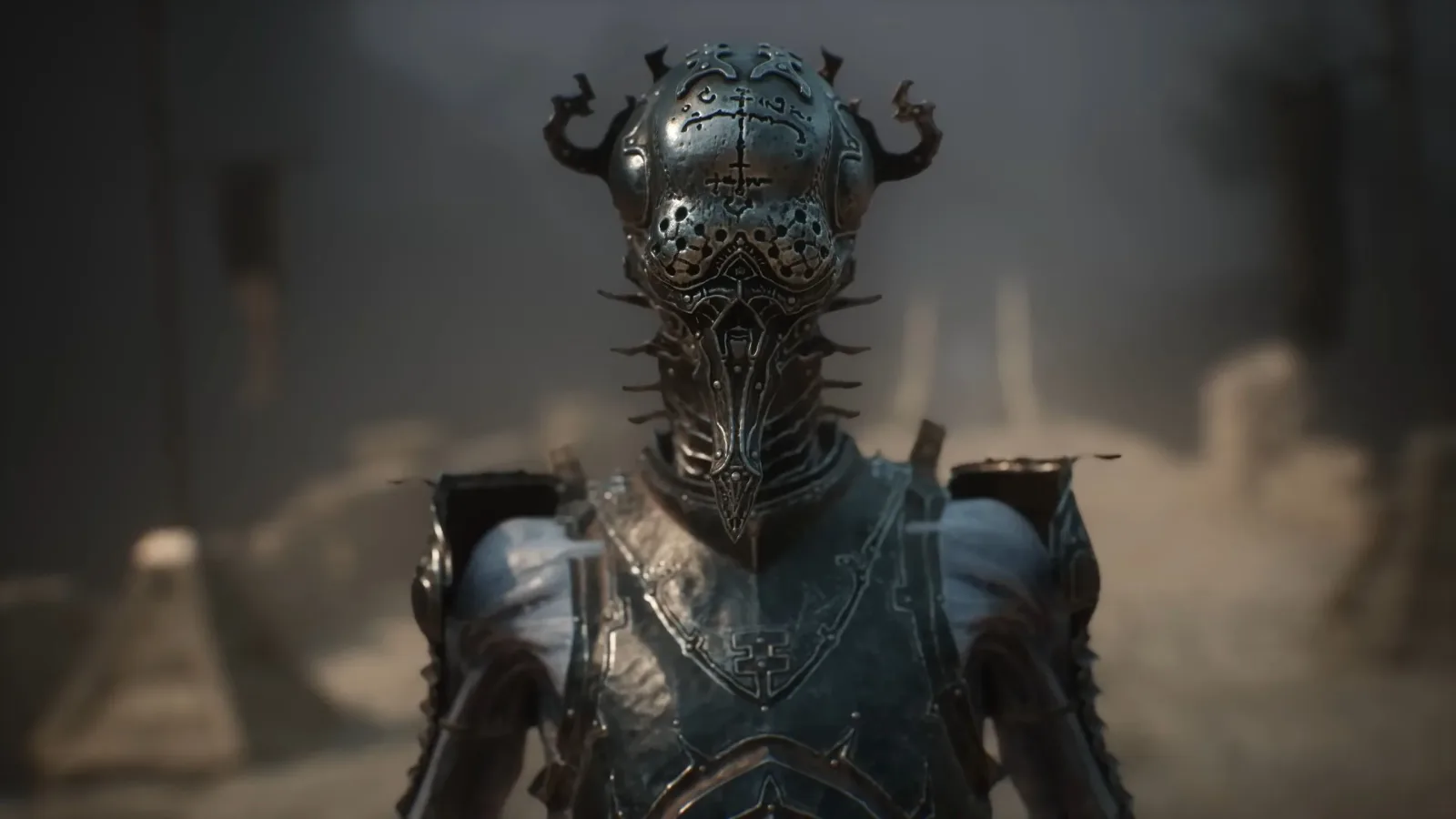
Mortal Shell 2 can apparently be a very good action RPG once its systems are functioning as intended. It has the demanding combat, sinister atmosphere and exploratory pull expected of a modern Soulslike, and one player ultimately completed its adventure, defeated its troubled final boss and collected every Ova in roughly 22 hours. But that positive endpoint does not erase an opening stretch reportedly defined by severe bugs, missing interactions and a progression bottleneck that made the first six hours of the game feel needlessly miserable.
The most striking part of the experience is not simply that Mortal Shell 2 had bugs. Big games often launch with bugs, and action RPGs with layered combat, open areas and progression systems can be especially vulnerable to them. The concern is that several problems reportedly combined to conceal one of the game's most important early upgrade tools. In a genre where character growth and weapon improvement directly shape difficulty, that kind of failure can make a player believe the game is balanced around relentless punishment when it is actually failing to present a basic feature.
For a Soulslike, trust between player and game matters enormously. Players are willing to accept defeat, cryptic lore and demanding bosses when the rules are legible. They need to know that an attack can be learned, an item can be used, a door is locked for a reason, or a chest can be opened if they investigate it correctly. Mortal Shell 2's reported technical issues undermine that relationship. A player cannot sensibly distinguish an intentional mystery from a broken prompt if the game intermittently refuses to let them interact with objects.
Problems reportedly began almost immediately on PS5
The issues began during the tutorial. After equipping items in the lesson designed to explain item use, the player reportedly found that those items could not actually be activated. Checking the control guide confirmed there was a designated use input, yet pressing it did not solve the problem. The situation was made more confusing by graphics settings that could be toggled in the PS5 version's menus but reportedly had no visible effect before a patch.
For useful background on this topic, read Marvel's Wolverine Estimated as PS5's Sixth Highest-Grossing New Release of 2026.
That is a damaging first impression for any game, but it is particularly troubling in an action RPG that expects players to learn through repeated practice. Tutorials establish the language of the game: which prompts matter, how equipment behaves and whether menus accurately reflect what is happening in play. When an item-use feature does not work during or soon after its own tutorial, a player may assume they have misunderstood the instructions rather than recognize a technical fault.
In this case, intentionally dying reportedly restored the ability to use items. That outcome suggested the issue was not player error or a missing requirement, but a state-related bug that reset after death. While it allowed the adventure to continue, it also foreshadowed a larger problem: systems could disappear or reappear without the game offering an explanation.
Shortly after leaving the tutorial, the player encountered a second issue. Mortal Shell 2 includes small dungeon-like spaces tied to checkpoints known as beacons. One early beacon dungeon contains a prominent gray stone structure positioned in a bright, circular room. It is apparently a chest, though its altar-like design does not immediately communicate that role. The player noticed it, approached it from different angles and tried to interact, move or damage it, but nothing happened.
Without an interaction prompt, treating the object as decoration was a reasonable conclusion. Games teach players to read visual language, and chests generally need to look distinct enough to invite a second look. Here, the object's unusual appearance already made its purpose unclear. A bug that removed the ability to interact with it completed the confusion.
An invisible interaction bug hid essential progression
The problem became clearer outside the beacon. In a village near the first checkpoint, prompts for other chests reportedly vanished as well, along with the ability to open them. Reloading the game fixed those interactions, confirming that they had not been intentionally unavailable. Yet by then, the damage was done: the early beacon chest had been left behind, its importance unknown.
This would be a minor inconvenience if the chest held an optional consumable or a little extra currency. Instead, it contained a key item for the blacksmith's forge and the weapon-upgrade path. That made it a pivotal miss, not because the player ignored clear directions, but because the game allegedly gave no prompt and no reliable way to identify the object as a usable chest.
The impact only became apparent around six hours into the playthrough. By that point, the first main dungeon and boss had been completed, much of the nearby map had been explored and the player's sword remained at level one. In most Soulslikes, players expect access to basic weapon upgrades fairly early, even if the best materials and highest levels are reserved for deeper into the game. A starting weapon can be viable, but a completely unupgraded one begins to feel increasingly weak as enemies grow more durable and aggressive.
Mortal Shell 2 apparently uses multiple upgrade-related items, adding another layer of possible confusion. The player had already found two components believed to be part of a three-piece repair process. However, those items were for other gear rather than the melee-weapon upgrade route. The blacksmith did not reportedly offer clearer dialogue after receiving some of these pieces, leaving little guidance about what was still missing or where it might be found.
That lack of feedback is important even apart from the bug. Good progression design does not necessarily need to hand players a map marker, but it should make the state of a major system understandable. If a forge cannot be used, the player should receive a meaningful clue about why. If they possess components that serve another purpose, dialogue or inventory descriptions should help separate those paths. Without that clarity, a player can waste hours searching under the assumption that one elusive piece is hidden somewhere in the area they have already cleared.
The missed chest changed the difficulty curve
After finally seeking outside help, the player learned that the missing forge item was in the opening beacon chest. It was reportedly placed in an especially visible location, with candelabras and lighting drawing attention toward it. But visibility is not enough when the object does not resemble a conventional chest and the interaction prompt is broken. The key distinction is that the player did investigate it; the game simply gave no confirmation that further action was possible.
Once the component was recovered, the sword could reportedly be raised immediately to around +9. That huge jump demonstrated how far the playthrough had drifted from the intended progression curve. The first fifth of the game had been completed with unupgraded melee weapons, firearms and skill stones, while repeated bugs created the impression that the game was simply opaque and excessively hostile.
There is a difference between a player choosing a self-imposed challenge and being forced into one by hidden technical failure. Fighting through an early zone with a base-level weapon can be a memorable feat when done deliberately. Doing it because a core upgrade is locked behind an interaction that silently failed is something else entirely. It inflates enemy durability, lengthens every encounter and raises the cost of each mistake. The result can make an otherwise balanced combat system feel sluggish or unfair.
That is why the early experience is more significant than an isolated bug report. It illustrates how a bug in a single object can ripple across an entire role-playing game. The missing chest did not merely deny one reward; it distorted combat, exploration, crafting, player confidence and the perceived quality of the game's opening hours.
Patches helped, but other frustrations remained
The account also points to broader rough edges beyond the upgrade issue. Mortal Shell 2's open world initially had an extremely limited checkpoint structure, a complaint serious enough that a patch reportedly addressed it after players pushed back. Sparse checkpoints can heighten tension in a Soulslike, but they must be balanced against travel time and the consequences of death. When checkpoints are too distant, failure can feel less like a lesson and more like a demand to repeat uneventful traversal.
Visibility was another concern. The game's lighting was described as so dark that brightness and gamma needed to be increased substantially, yet important items could still blend into the environment. Dark fantasy games often pursue heavy shadow and high contrast for mood, but crucial interaction points need to remain readable. If players cannot see items clearly, and the game may also fail to display prompts, exploration becomes a test of technical luck rather than observation.
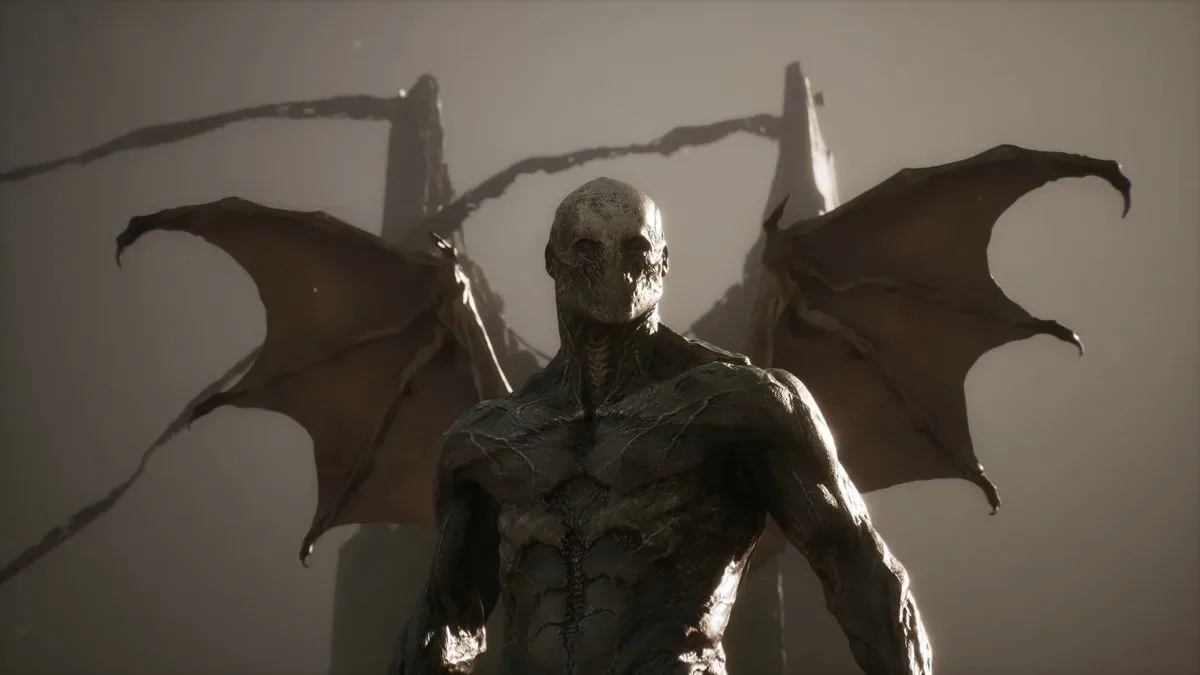
Even the final boss reportedly suffered from problems, including buggy behavior, excessive durability and an overused grab attack. The encounter was completed, but it left a poor impression despite use of a secret MacGuffin intended to counter the fight. A climactic battle should bring the game's combat ideas together; when technical faults and repetitive high-impact attacks dominate, it risks souring the finale.
Mortal Shell 2 is stronger when its systems work
Despite all of these complaints, the final verdict was not that Mortal Shell 2 is beyond saving. The player finished it, found all of its Ova and enjoyed the experience overall after getting past the disastrous opening. The game was also said to be more enjoyable after patches. That matters, because it suggests the core action RPG has enough strength to survive its roughest technical failures.
Still, a patch cannot recover the time spent by early players who unknowingly cleared major content underpowered. Nor can it fully restore confidence after menus, prompts and progression systems have repeatedly failed. Mortal Shell 2's case is a reminder that launch stability is not separate from game design. In a Soulslike, bugs that disrupt interaction and upgrades change the effective difficulty of the entire adventure.
For players starting on PS5, the lesson is not to assume every inaccessible object is decorative or every stalled system is intentional. Reloading may restore missing interactions, and revisiting conspicuous early locations could be worthwhile if weapon progression seems unusually delayed. More importantly, developers should treat these failures as high-priority issues. A difficult game earns its reputation through demanding but dependable design--not by making players battle the interface, the bugs and the bosses all at once.
Community
Discussion
Start the conversation.
No comments have been posted yet.