

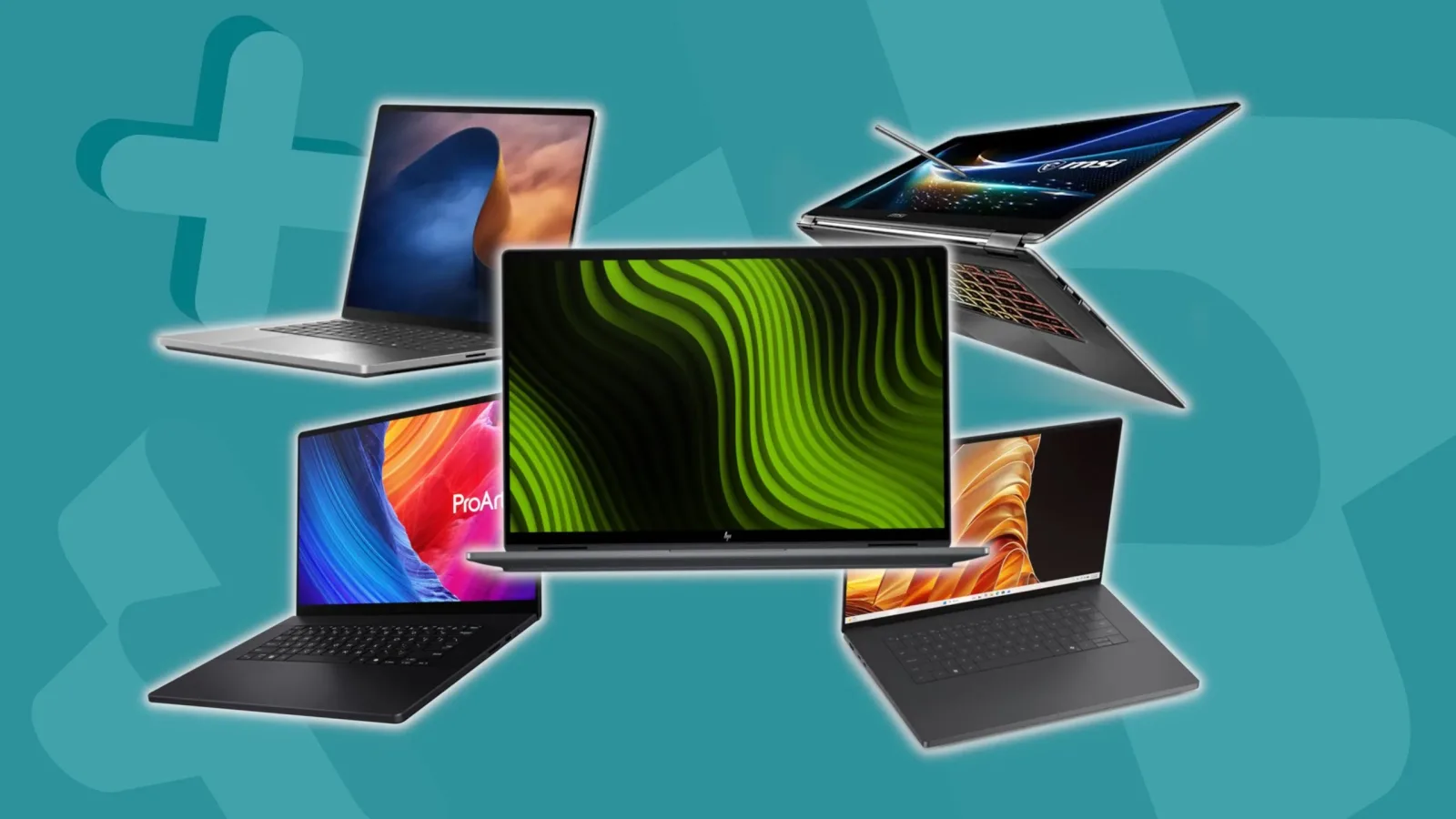
Nvidia RTX Spark laptops are entering the pre-order phase ahead of their stated October 16 launch, bringing a new class of thin, Arm-based systems aimed at creative work, professional applications, AI workloads, and gaming. The early lineup is substantial in brand terms, with Microsoft, Asus, HP, MSI, Lenovo, and Dell all represented. In price terms, however, this is very clearly a premium opening wave.
The least expensive announced RTX Spark laptop options begin at $2,599.99. That entry point applies to the Microsoft Surface Laptop Ultra and Asus ProArt P14 configurations built around the 18-core version of Nvidia's RTX Spark system-on-chip. Rather than establishing a new inexpensive alternative to dedicated-GPU gaming notebooks, these first devices arrive at prices comparable to many RTX 5070 Ti gaming laptops.
That distinction matters for prospective buyers. A traditional RTX 5070 Ti laptop can already deliver strong QHD+ gaming performance in current high-end releases, while the RTX Spark range must justify its cost through a different combination of qualities: compact chassis designs, large memory allocations, high-resolution displays, AI-focused capabilities, and the potential flexibility of its integrated platform. Gaming is part of the pitch, but it is not the only reason these machines exist.
RTX Spark is targeting thin, high-end portable computing
The most immediately noticeable advantage of the RTX Spark category is physical design. Powerful gaming laptops have become more portable over time, but high-performance cooling and dedicated graphics hardware can still result in noticeably thick and heavy machines. The RTX Spark roster instead emphasizes the slim, creator-laptop form factors normally associated with productivity-focused premium notebooks.
For useful background on this topic, read Gears of War: E-Day Best Weapon Builds and Mod Locations.
That could make the new systems appealing to people who want one portable computer for demanding creative applications, local AI work, professional software, and occasional or regular gaming. Several of the announced models also offer 4K displays, OLED panels, and high refresh rates, specifications that are often expensive extras in conventional gaming laptops.
There are important caveats, though. Nvidia positioned RTX Spark performance in comparison with an RTX 5070 at its introduction, which puts pressure on these laptops to demonstrate where their architecture and specialized capabilities provide value beyond raw frame rates. The current pricing makes that question unavoidable: shoppers can find dedicated-GPU notebooks at similar prices, and those machines are a more familiar quantity for PC games.
Gaming performance on RTX Spark systems will also depend heavily on DLSS in demanding titles. Additionally, Arm-based operating systems use emulation for at least some software, so game compatibility and performance will not necessarily be as straightforward as they are on a standard x86 gaming laptop. Early adopters should treat compatibility as a meaningful buying consideration rather than assuming every PC game will behave identically across architectures.
Memory capacity helps explain the premium pricing
The unusually high starting prices are not simply about the newness of the hardware. Memory is a major factor. RAM supply constraints have pushed component costs upward, and RTX Spark laptops pair their chips with configurations intended for demanding AI and creative workflows. Even baseline systems are being offered with memory capacities that sit above what many mainstream gaming laptops provide.
That approach creates a clear split between the RTX Spark proposition and a typical gaming-first notebook. Buyers focused almost exclusively on playing games may find better value in established systems with discrete graphics. Buyers who need substantial memory for professional workloads, use AI-accelerated tools, value premium displays, or want high-end performance in a particularly thin laptop may see more reason to consider Spark.
There are eight laptop families and 18 configurations in the initial selection, including both 18-core and 20-core RTX Spark variants. Retail availability is spread across major stores, with many pre-orders appearing through Best Buy and additional listings offered through Amazon, Costco, and B&H Photo. As with any brand-new hardware platform, individual configurations deserve close comparison because display technology, storage, memory, processor version, and panel size vary significantly.
Microsoft Surface Laptop Ultra starts at the entry price
Microsoft's Surface Laptop Ultra is one of the two models identified at the $2,599.99 starting point. Its lower-cost RTX Spark option uses the 18-core chip configuration, 24GB of RAM, and a 512GB SSD. The machine is built around a 3:4, 2180p Mini LED display, reinforcing the idea that it is aimed at productivity and creator tasks as much as entertainment.
Higher Surface Laptop Ultra versions step up both memory and storage. An 18-core model with 32GB of RAM and a 1TB SSD is listed at $3,299.99. A 20-core version with 32GB and 1TB rises to $3,699.99, while the 20-core system with 48GB of RAM and a 1TB SSD reaches $3,999.99.
Those tiers illustrate the RTX Spark lineup's central theme. The lower-priced configuration is still expensive by normal laptop standards, but the range quickly moves into workstation-like territory once shoppers seek the fuller 20-core experience and larger memory pool.
Asus brings OLED choices in 14-inch and 16-inch sizes
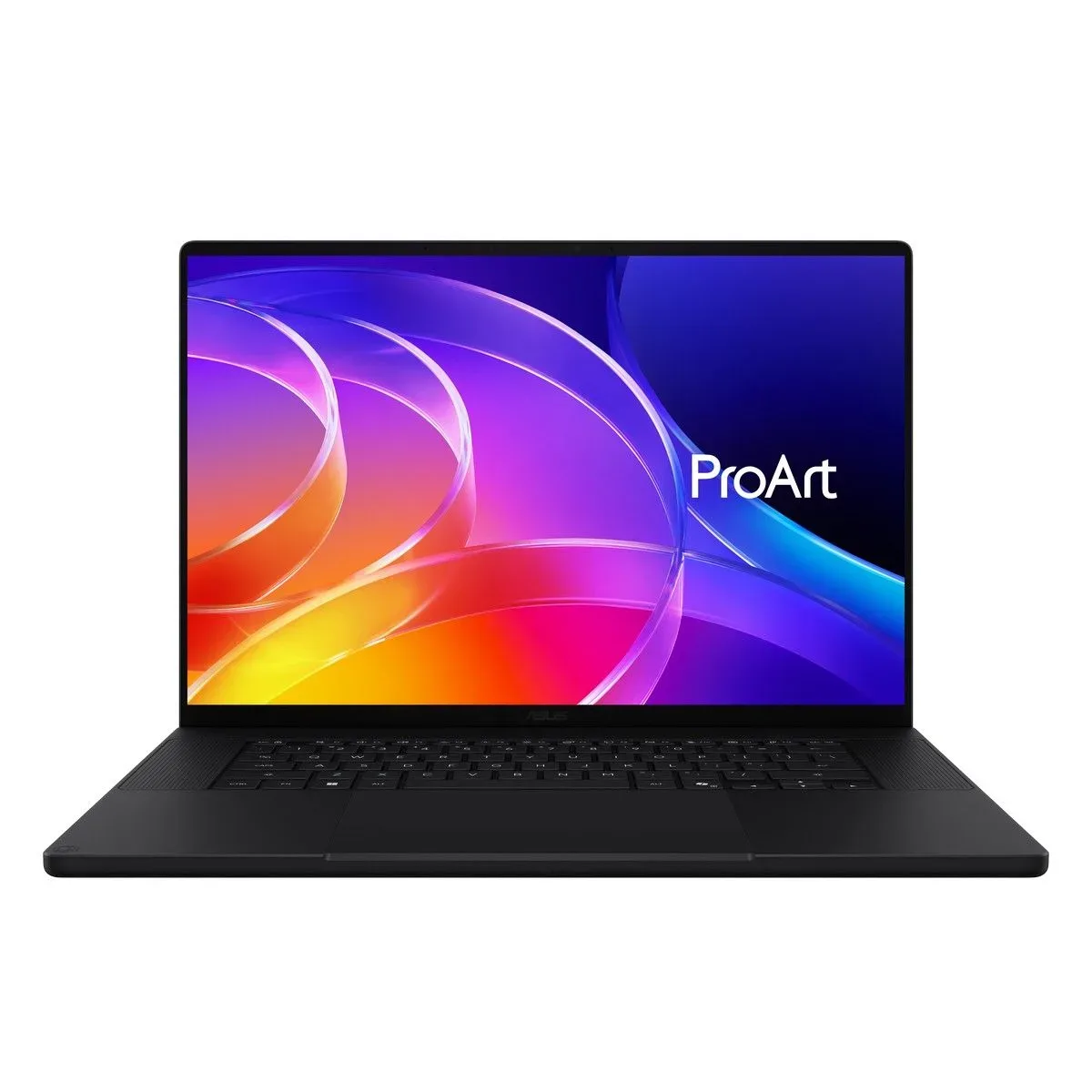
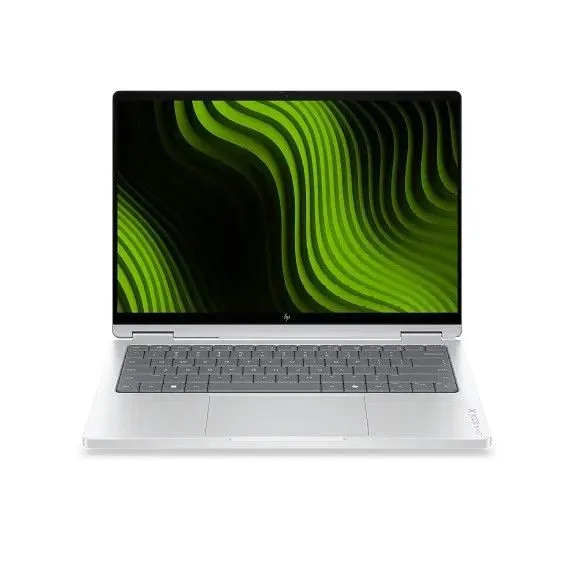
Asus is the other manufacturer offering a $2,599.99 entry model through the ProArt P14. Like the comparable Surface offering, it uses the 18-core RTX Spark version alongside 24GB of RAM and a 512GB SSD. The difference is the display philosophy: the ProArt P14 features a 3K OLED panel, making it a potentially appealing option for buyers who prioritize OLED image quality.
Other ProArt P14 configurations move to 32GB of RAM with a 512GB SSD for $3,099.99, 48GB and 1TB for $3,699.99, and an especially high-end 128GB and 1TB version at $6,499.99. That top model underscores how strongly these notebooks are positioned around memory-hungry work rather than gaming alone.
The Asus ProArt P16 expands the concept with a larger 16-inch chassis, a 4K OLED screen, and a 120Hz refresh rate. Its listed 18-core model includes 32GB of RAM and a 1TB SSD for $3,399.99. At the far end, a 128GB RAM and 2TB SSD configuration is priced at $6,999.99. For gamers, the 120Hz panel is notable, though actual results in modern games will still need independent testing, particularly when running titles through an Arm-oriented software environment.
HP offers the lowest-priced announced 20-core route
HP's OmniBook range stands out because it has the least expensive announced path to a 20-core RTX Spark configuration. The HP OmniBook X 14 pairs that higher-tier chip with a 3K OLED display running at 120Hz, 32GB of RAM, and a 1TB SSD. No specific price was provided for this model, but its position is important given that competing 20-core systems often climb rapidly in cost.
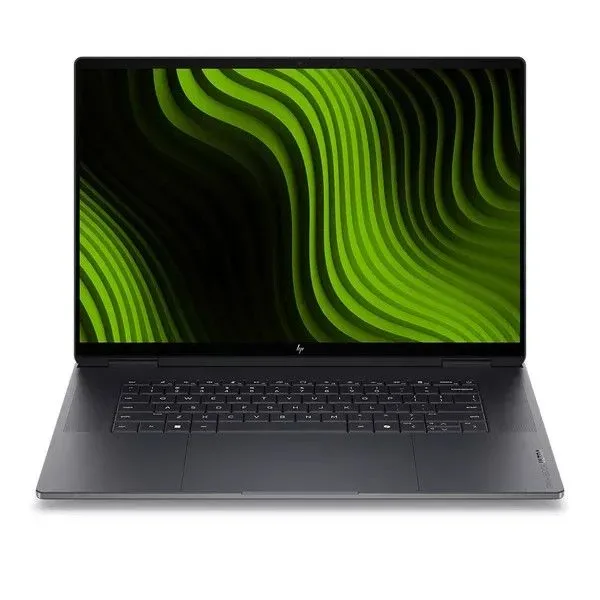
The larger HP OmniBook Ultra 16 retains the 20-core RTX Spark, 32GB of RAM, and 1TB of storage while moving to a larger OLED panel at the same 3K resolution. It provides a bigger-screen alternative for users who want the platform's higher core count without shifting to the extreme memory capacities seen in some of Asus's most expensive options.
MSI, Lenovo, and Dell round out the first wave
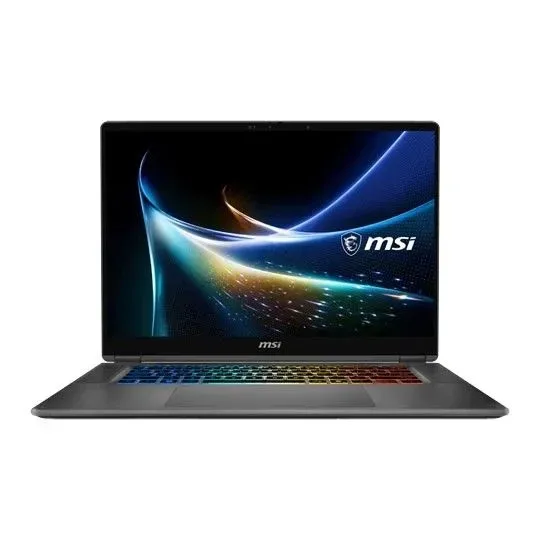
MSI is skipping the 18-core version in its currently announced Prestige N16 Flip AI lineup. The model begins with a full 20-core RTX Spark implementation, a 4K OLED display, 32GB of RAM, and a 1TB SSD. The listed price is $3,299.99, placing it among the comparatively direct premium options for shoppers who know they want the higher-tier chip.
Lenovo's Pro 9n is the sole model represented from its Legion and Yoga-associated lineup. It costs $100 more than the 20-core HP OmniBook X 14, while including a 15-inch QHD+ OLED touchscreen, 32GB of RAM, a 512GB SSD, and a Yoga Pen Gen 2. Its feature list makes the device look more like a versatile premium productivity convertible than a conventional gaming machine, though its Spark hardware keeps gaming within the conversation.
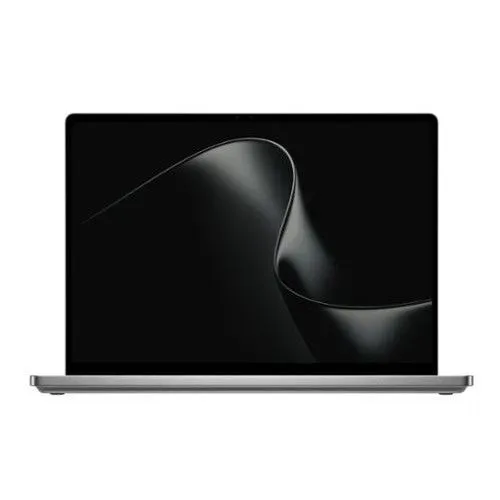
Dell's XPS 16 Creator is among the more expensive pre-order choices. The 18-core version with a 3.2K OLED display, 32GB of RAM, and a 512GB SSD is priced at $3,799.99. A 20-core variant raises the specification to 32GB of RAM and a 1TB SSD for $3,999.99. Dell's pricing is particularly striking because less expensive RTX Spark systems exist with similar or stronger core configurations.
Who should consider an RTX Spark laptop?
The first RTX Spark laptops are not obvious replacements for affordable gaming notebooks. At $2,599.99 and above, they are luxury portable computers designed for a blended workload. Their strongest case is likely for users who genuinely need a thin machine with generous memory, premium screens, modern AI-oriented computing capabilities, and room for gaming in the same package.
For players whose priority is simply the highest frame rate per dollar, established dedicated-GPU gaming laptops remain formidable competition. An RTX 5070 Ti laptop around this price range brings a clearer gaming track record and avoids many of the questions surrounding emulation. The RTX Spark machines will need real-world testing to establish how consistently they can run demanding games, how well DLSS supports their results, and how broad their compatibility proves to be.
Still, the early RTX Spark roster is ambitious. It gives buyers options across 14-inch, 15-inch, and 16-inch designs; Mini LED and OLED displays; resolutions from QHD+ to 4K; and memory capacities from 24GB to 128GB. Pre-orders now give early adopters a chance to choose their preferred balance of size, display, storage, memory, and 18-core or 20-core hardware before the October 16 release window.
Community
Discussion
Start the conversation.
No comments have been posted yet.