

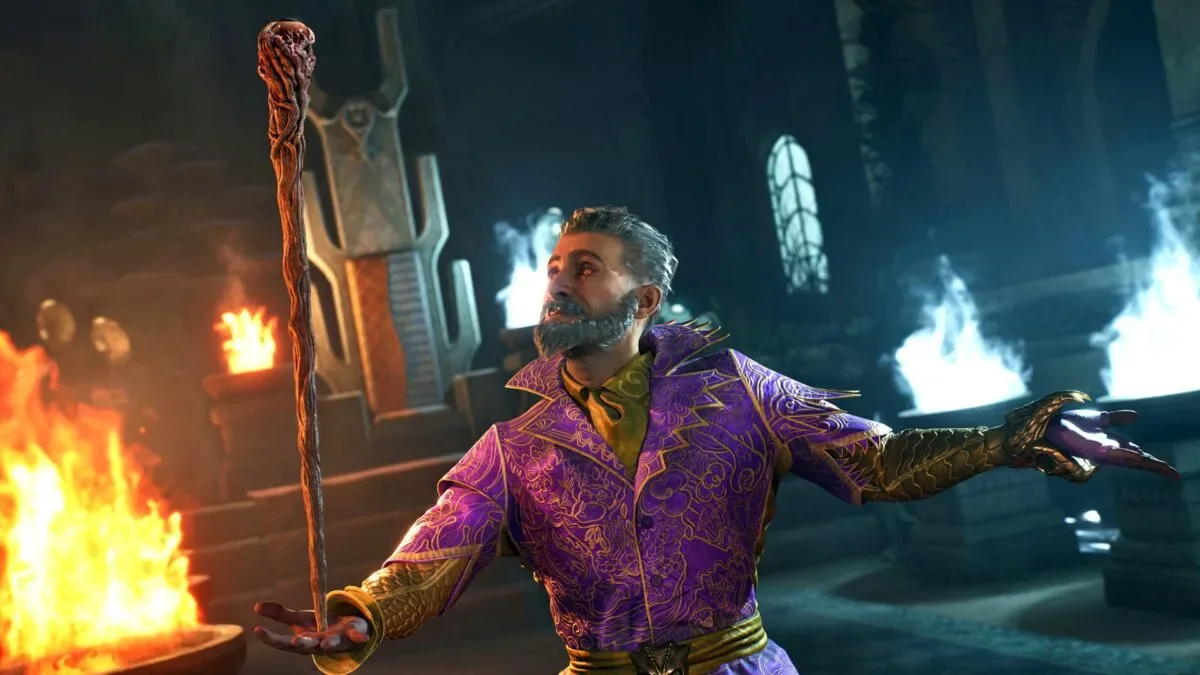
The Elder Scrolls IV: Oblivion Remastered has received another Nintendo Switch 2 update, and this one is intended to undo the most noticeable problem created by the previous patch. Bethesda released the new update on October 13 and confirmed that it addresses what it described as a "global visual degradation issue" found after the prior update.
That acknowledgement will be welcome news for Switch 2 players who noticed that the remastered open-world RPG looked substantially worse after a small patch released in late September. Rather than delivering only the routine fixes many expected, that update was followed by reports of blurrier visuals, visible ghosting, and an overall loss of image clarity. The deterioration was pronounced enough that some players chose not to update their copies while waiting for a fix.
The latest patch now appears to have resolved the issue. Players who have installed it have reported that the game once again looks much closer to how it did before September's problematic update. Some early impressions have gone a step further, suggesting performance may feel improved compared with prior Switch 2 versions. Bethesda has specifically confirmed the correction of the global visual issue, though the broader performance observations remain player reports rather than detailed official patch claims.
Embedded X/Twitter post
A Small September Update Led to a Big Visual Change
Late September's update did not initially arrive with the expectations normally attached to a major overhaul. It was a comparatively small patch, the kind of release players often associate with minor bug fixes and behind-the-scenes maintenance. But after it was installed, Switch 2 owners began documenting a range of visual problems across the game.
For useful background on this topic, read Castlevania: Belmont's Curse Review -- A Gothic Metroidvania That Rewards Curiosity.
The two most frequently raised concerns were ghosting and increased blur. Ghosting can leave trailing or smeared-looking artifacts around movement, making the image appear less clean in motion. Added blur can reduce detail throughout a scene, softening environments, characters, and distant objects. In a game built around broad outdoor vistas, dungeon exploration, towns, and long stretches of travel across Cyrodiil, a broad drop in clarity is especially difficult to ignore.
The issue was not framed as an isolated visual bug tied to one quest, one region, or a particular menu setting. Bethesda's use of the term global reflects why the response became so urgent: players were describing a degradation affecting the overall presentation of the Switch 2 port. A remaster is naturally judged in part by how it updates the original game's visuals, so any patch that appears to broadly weaken image quality can undermine a key reason for choosing the newer version.
As concerns spread, some players took the cautious step of preventing their game from updating. That kind of response is unusual but understandable when an update is perceived as a downgrade. Game patches are generally expected to improve stability, eliminate bugs, or refine performance. When a patch creates a conspicuous new issue, players with functioning versions may prefer to wait until the situation is clarified rather than risk losing the presentation they already have.
The October 13 Patch Is the Intended Fix
Bethesda's October 13 update directly addresses the central complaint. The studio said the patch fixes the visual degradation discovered in the previous update, making clear that the new release is a corrective follow-up rather than simply another unrelated maintenance patch.
Reports from players who downloaded the update suggest the repair is visible. The game is said to look cleaner and more in line with the pre-September version, with the previously reported blur and ghosting no longer defining the overall image. While individual impressions can vary depending on display setup and the situations being compared, the initial response indicates that the update has made a meaningful difference for the affected version.
There is also interest in the patch's size. Players have noted that the new download seems larger than some anticipated for a targeted visual repair. Bethesda has not publicly detailed every technical adjustment behind the fix in the information currently available, so it is not possible to say precisely what changed under the hood or why the September release caused the degradation in the first place.
That technical uncertainty does not change the practical takeaway for people who delayed updating: the current Switch 2 patch is the version Bethesda has issued to correct the prior patch's image-quality problems. Players who held off because of the September reports now have an official reason to install the latest update.
Why Image Quality Matters So Much for Oblivion Remastered
Oblivion Remastered revisits one of the most recognizable entries in Bethesda's Elder Scrolls series. Its appeal is closely tied to exploration: walking out of the Imperial City, following a road into the wilderness, entering caves and ruins, or wandering into an unexpected side activity. Visual readability is not merely cosmetic in that context. It affects the atmosphere of travel, the distinctiveness of locations, and how satisfying it feels to survey the world around the player.
A softer image or persistent motion artifacts can therefore have an outsized effect. Environmental details become harder to appreciate, while movement through open areas can look less stable. Even players focused primarily on quests, combat, or character progression can notice an altered image whenever they turn the camera, traverse a large outdoor area, or move through a populated settlement.
For a Nintendo Switch 2 release in particular, visual tuning can be a sensitive subject. Players may make different compromises depending on whether they are playing on a handheld screen or using a larger display, but both situations reward a clear and consistent presentation. A problem affecting the game globally has the potential to be visible regardless of where or how someone is playing.
The reports that the new version may also feel somewhat better in performance are encouraging, but they should be treated separately from Bethesda's confirmed visual fix. The official statement establishes that the degradation issue has been addressed. Whether the update produces measurable or consistent performance improvements across every scenario would require more detailed testing and official technical information.
A Familiar Patch Cycle, But a Quick Course Correction
Games as large and complex as an open-world RPG can require repeated updates, and even carefully tested patches can have unexpected consequences on a specific platform. That does not make visual regressions less frustrating for affected players, especially when the issue follows what appeared to be a minor update. Still, the timeline here shows a relatively direct response: a September patch introduced a noticeable problem, player reports brought attention to it, and Bethesda issued an October 13 update identifying the visual degradation as fixed.
For the Switch 2 audience, the most important result is that the earlier concern no longer appears to be a reason to avoid the latest version. Players who were waiting for confirmation before accepting an update can now proceed with more confidence, while anyone who installed the September patch has a path back toward the visual quality they expected.
It is also a useful reminder that patch notes and update labels do not always tell the whole story of a game's condition. A small download can have broad effects, positive or negative, and player feedback remains valuable when problems emerge outside the expected scope of an update. In this case, reports of blur and ghosting helped establish that the issue was not simply a matter of preference or a single isolated glitch.
What Switch 2 Players Should Do Now
If a Switch 2 copy of The Elder Scrolls IV: Oblivion Remastered was kept on an older version to avoid September's visual problems, the October 13 update is now the relevant patch to install. Bethesda has stated that it fixes the global visual degradation caused by the preceding release.
- Players who delayed the September update: The newest patch is the corrective release intended to restore the game's visuals.
- Players already affected by blur or ghosting: Updating should address the global image-quality issue identified by Bethesda.
- Players looking for performance changes: Some early player impressions are positive, but Bethesda's confirmed fix concerns visuals rather than a detailed performance upgrade.
- Players interested in the technical cause: The available information does not explain exactly what created the September regression or list every underlying adjustment in the new patch.
The immediate story, then, is a straightforward one: the Switch 2 version briefly took a notable step backward visually after a late-September update, and Bethesda's October 13 patch is designed to put it back on course. For a remastered journey through Cyrodiil, returning clear and stable visuals is a substantial improvement in itself.
Community
Discussion
Start the conversation.
No comments have been posted yet.