

Technical upgrades can do a lot for a classic game, but they can also sand away the peculiar details that made the original unforgettable. That is the risk facing any remake of The Legend of Zelda: Ocarina of Time, a game whose grand adventure is inseparable from its collection of unnerving monsters, oddball merchants, mysterious side characters, and visual non sequiturs. Hyrule has always been a place where a heroic quest can abruptly pause so that Link talks to a talking owl, trades with a plant person, or enters a room containing something he probably should not have seen.
The Nintendo Switch 2 remake has preserved that essential weirdness. Every notable oddity has made the transition in one form or another, and that alone is reassuring for longtime players. Yet the move from the original Nintendo 64 presentation to a far more detailed remake has changed the energy of several characters. Some were arguably stranger when they were made of sharp polygons and blurry textures. Others benefit enormously from animation, shadows, and a visual style capable of making their unsettling intentions unmistakable.
The result is not a simple case of "better graphics equals better weirdness." Instead, the remake turns Ocarina of Time's eccentric cast into a useful reminder that creepy, funny, cute, and deeply bizarre can all depend on the limitations of the hardware displaying them.
When clearer visuals make the uncanny less effective
A number of Ocarina of Time's minor characters were memorable specifically because the original game left room for the imagination. Their facial features could be read as expressive, monstrous, or simply wrong depending on the scene and the player's mood. With modernized visuals, some of that ambiguity has been replaced by a more literal interpretation.
For useful background on this topic, read Ocarina of Time remake Makes Link's Lost Childhood Harder to Ignore.
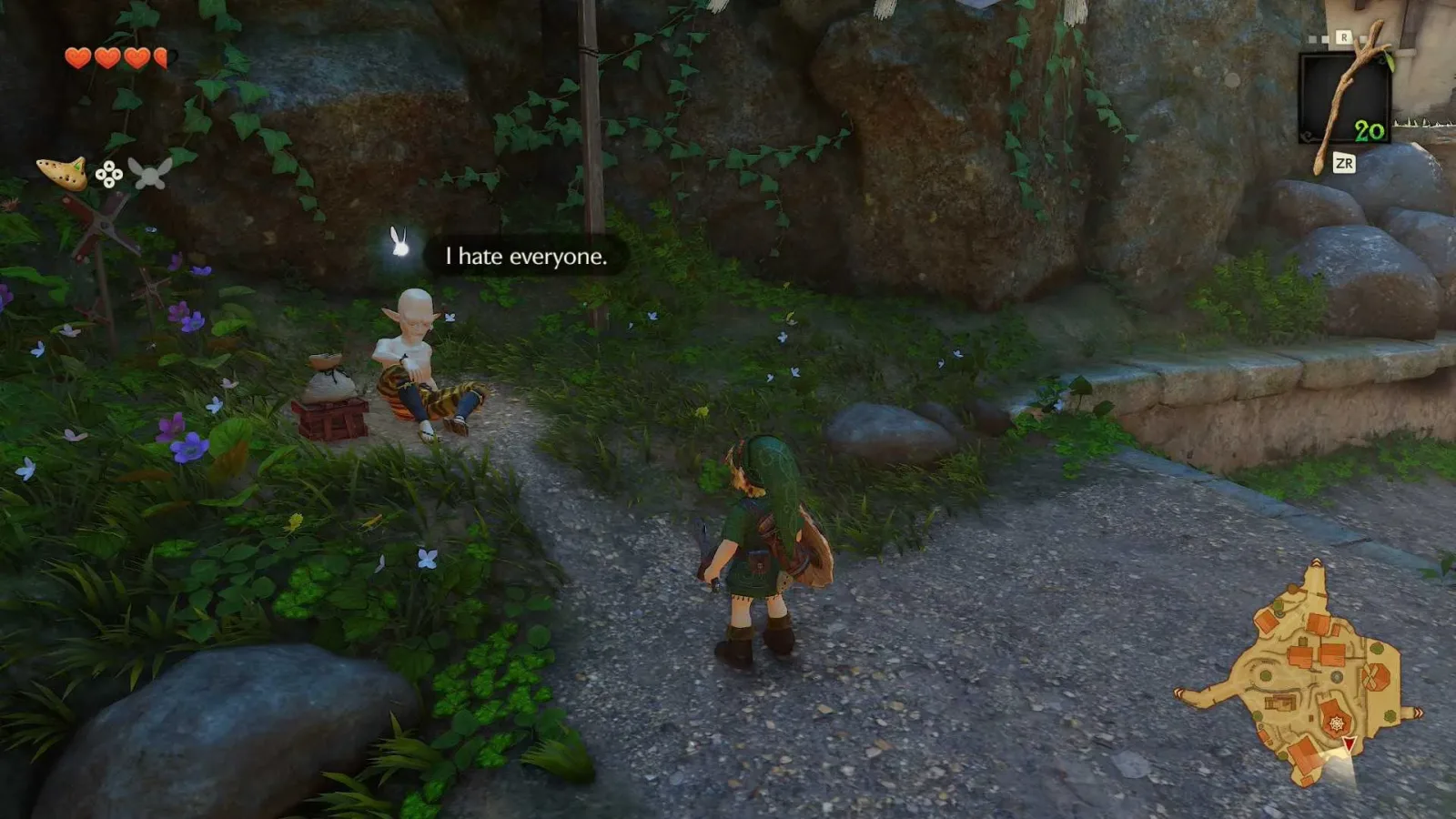
One of the clearest examples is the unnamed unsettling man whose original polygonal appearance carried an almost accidental intensity. In the remake, he looks substantially more conventional, and even his dialogue has changed. The old fixation on calling everyone he met "disgusting" gave him a very specific and bizarre hostility. His revised antisocial attitude is still unpleasant, but it does not land with the same off-kilter force. The character remains an unusual presence, yet feels less like a mysterious Hyrulean malfunction and more like a person having a bad day.
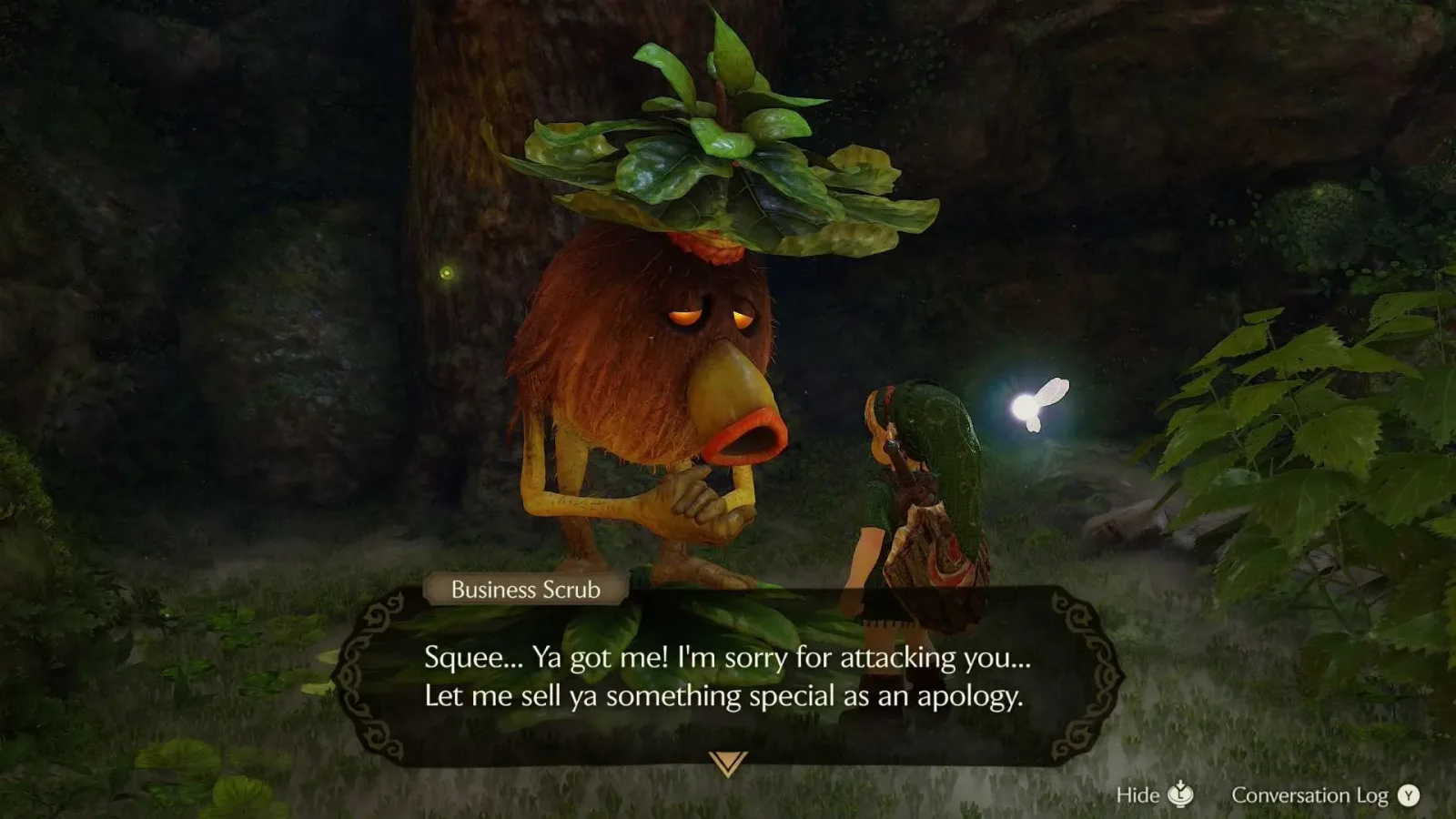
The Deku Business Scrub similarly loses a little of his strange edge. His updated design remains recognizable and appealing, but the stronger emphasis is now on his pitiful circumstances rather than his oddness. He is a pathetic little salesman first and a weird forest creature second. That is not necessarily a failure of the remake, but it does alter the joke.
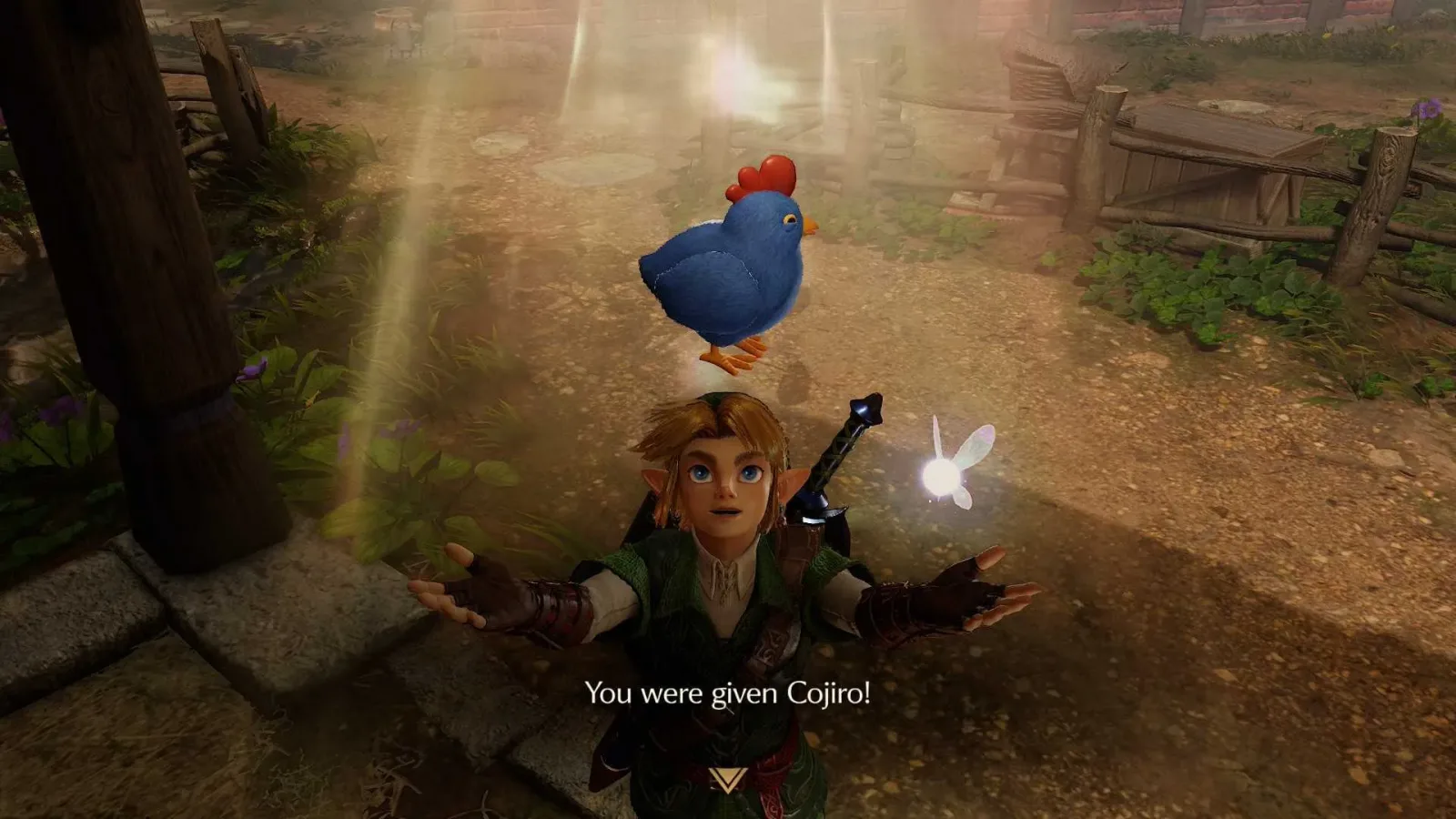
Cojiro, the blue Cucco tied to the trading sequence, presents a more complicated case. The original bird had a beady, almost storybook-like eye that made him unusually adorable. The remake's version may not have quite the same tiny-eyed charm, but Cojiro remains a standout. More importantly, the character still has the kind of peculiar importance that only Zelda can give to a chicken: a crucial piece of a lengthy adventure built around swapping increasingly improbable items among Hyrule's residents.
For another perspective on this story, read Ocarina of Time Remake's Weirdest Characters, Ranked After Their Switch 2 Return.
The frogs encountered around Zora's River also illustrate how minor design choices affect this category of character. Their newer looks may be more refined, but their eyes do not appear large enough to retain the exaggerated charm of the original. It is a small complaint, but these details matter when evaluating a creature whose entire appeal rests in being a collection of odd proportions and musical enthusiasm.
Horror benefits from the remake's added detail
While some weird little guys become less strange under a brighter microscope, Ocarina of Time's horror elements frequently come through stronger than ever. The remake's animation and lighting give the game's most disturbing residents an opportunity to be frightening on purpose rather than merely creepy by technical accident.
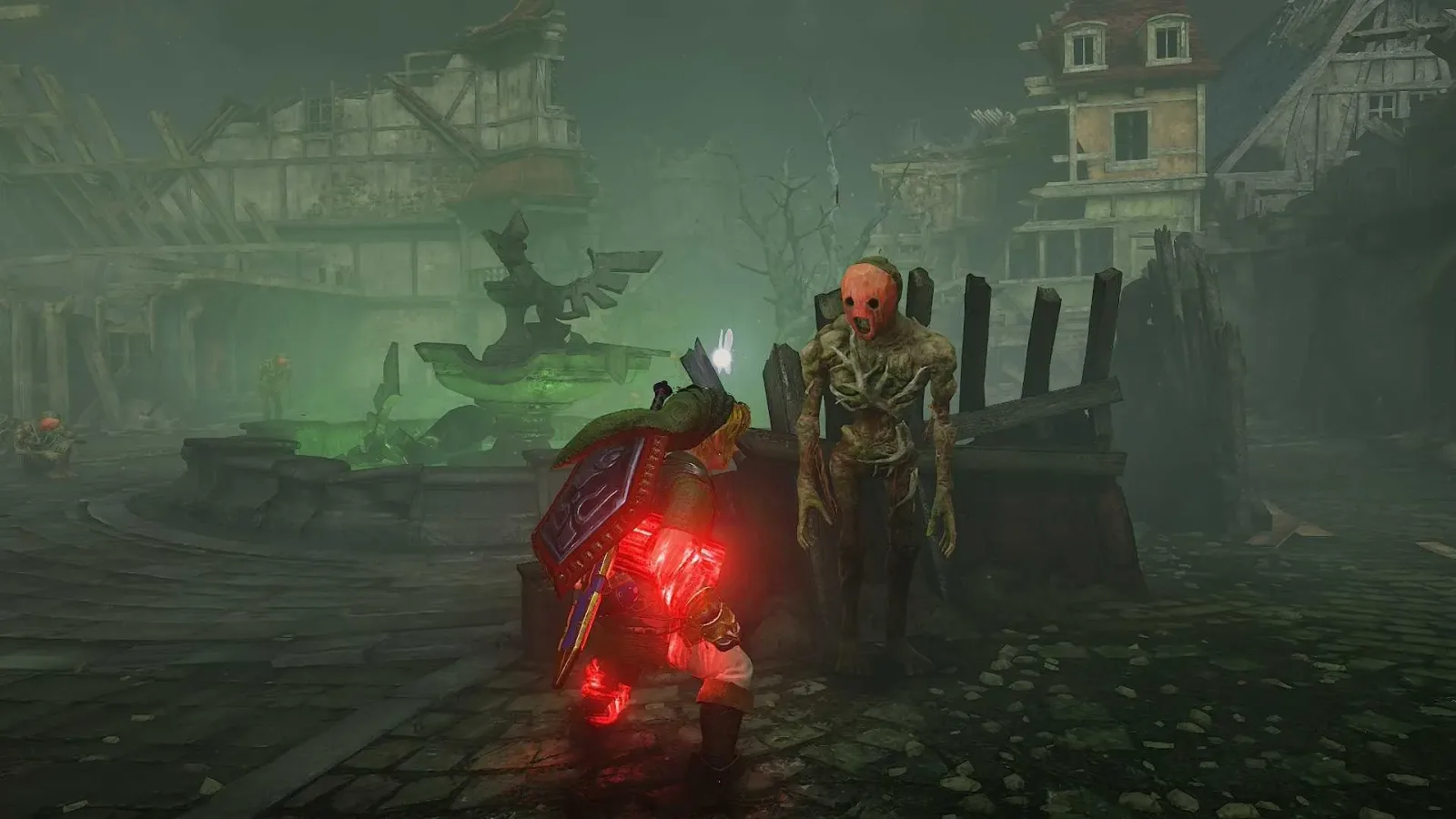
Redeads are a good example. In a static image, they can look almost comical, like people wearing awkward Halloween costumes. Once they begin moving, however, their threat is fully restored. Their stilted, alarming behavior ensures they remain uncomfortable encounters, even if the visual redesign creates a slightly different balance between ridiculousness and dread. They are perhaps no longer purely weird little guys, but they are still very weird dudes.
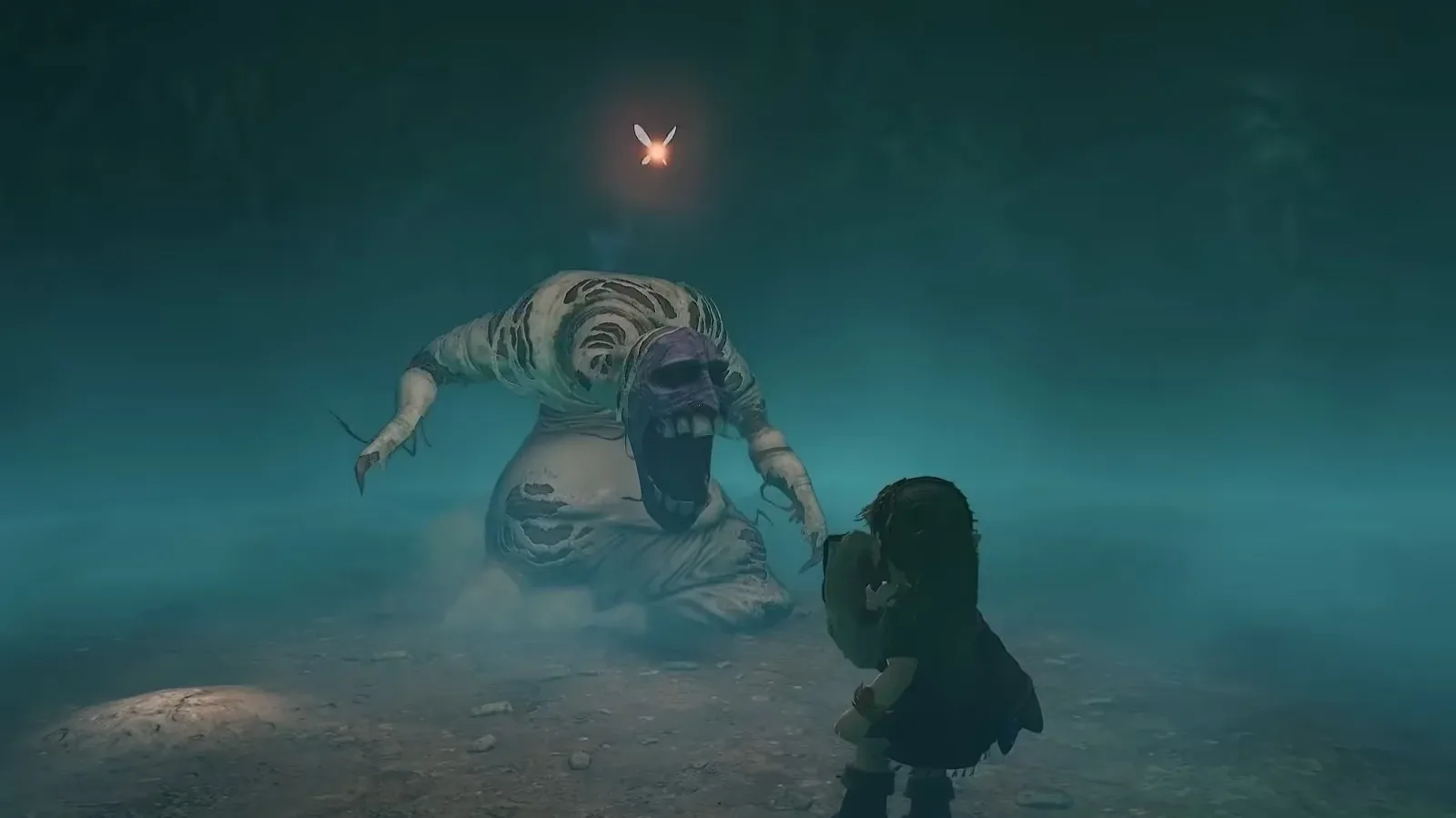
Dead Hand fares even better. This is a creature that could easily have lost its power in a glossy remake, especially since the original's low-detail model let players fill in the most unpleasant parts themselves. Instead, the new presentation keeps the monster grotesque. Its renewed visual design, paired with jerky movements, maintains the sense that Link has stumbled into a nightmare beneath Kakariko Village. Dead Hand remains one of the game's most successful examples of Hyrule being far more disturbing than its heroic fantasy packaging initially suggests.
The remade face embedded in a wall is another winner. It is menacing, expressive, and suitably ominous, with the added visual detail making the encounter feel more intentionally threatening. There is one trade-off: it is now much clearer that the strange line about taking a ferry to another world comes from a nearby floor plaque rather than the wall face itself. In the original, it was easier to imagine the statue whispering the words directly. The remake improves the object while slightly reducing the mystery around it.
Then there is the game's unnamed "thing," a particularly unnecessary and extremely welcome horror-show detail. Rather than smoothing out one of Ocarina of Time's most inexplicable visual oddities, the remake leans harder into the freakishness. It becomes the strongest proof that Nintendo did not approach this project with a mandate to make every corner of Hyrule prettier, safer, or easier to explain.
Skulltula-Man also earns high marks. The updated version is a genuine shock, preserving the unnerving fusion of human and spider imagery that made the cursed residents of the Skulltula House so memorable. It is an effective bit of body horror in a game that otherwise lets players spend much of their time fishing, racing, and playing songs for frogs.
The icons who remain reliably strange
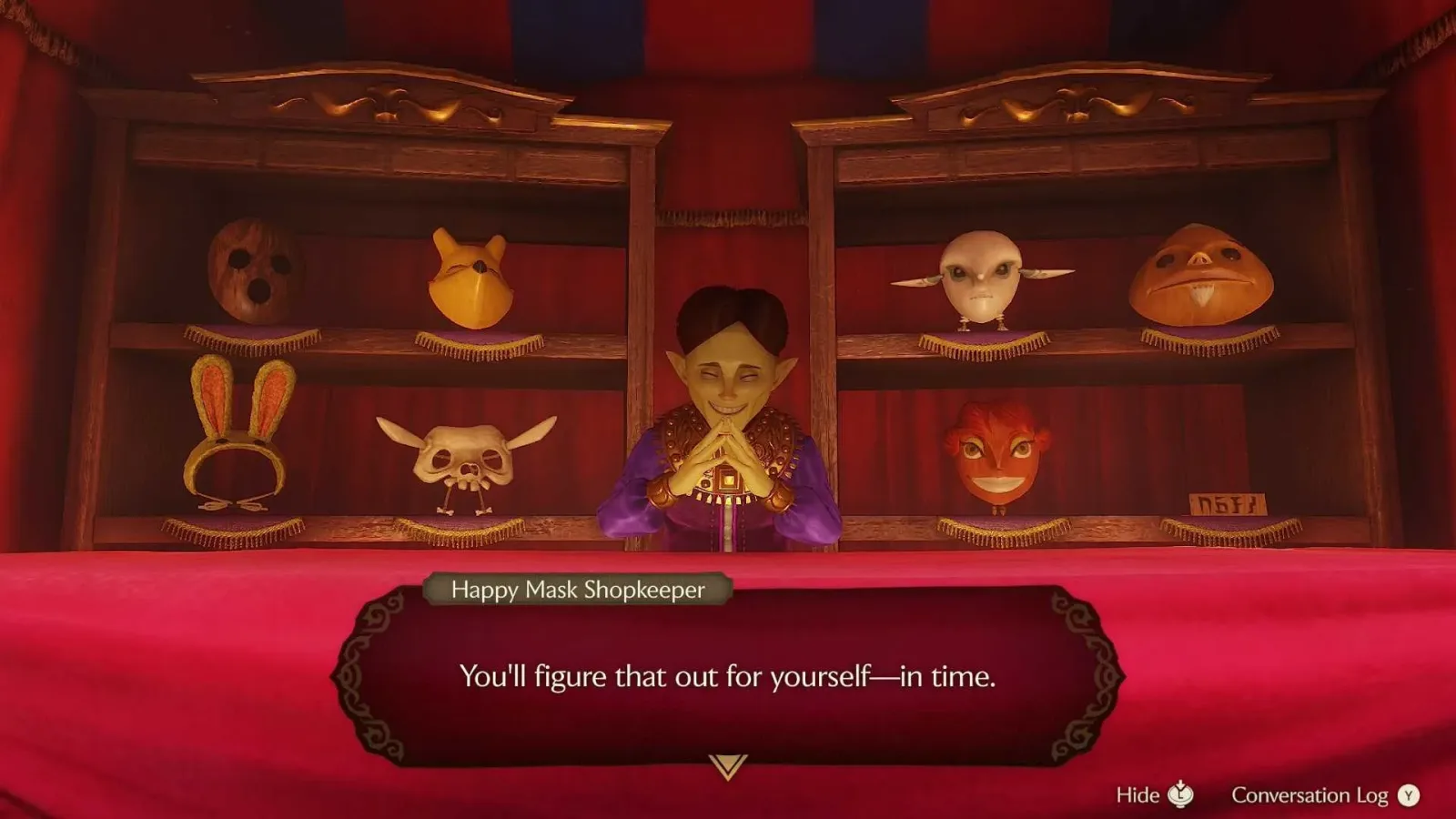
Several characters make the transition almost effortlessly because their personalities were always powerful enough to survive any visual upgrade. The Happy Mask Salesman remains one of the most quietly unsettling people in the series. His more elaborate clothing has sparked speculation that Majora's Mask could be next in line for a remake, although the outfit can just as easily be read as a more detailed interpretation of his familiar theatrical look. The shadow across his face is particularly effective, preserving the uncertainty around whether he is simply eccentric or something much more ominous.
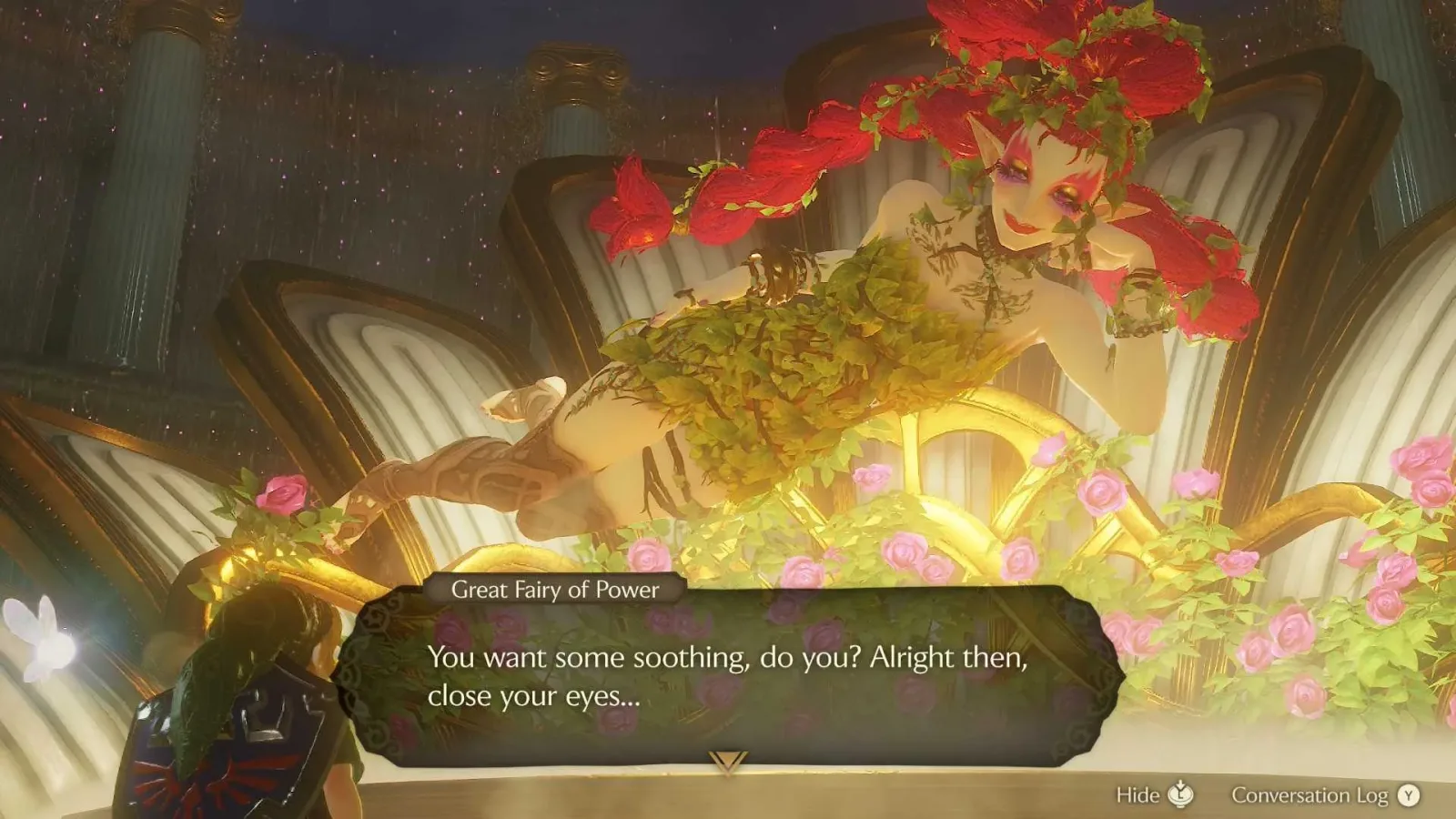
The Great Fairy, meanwhile, needs no revision to her status. Her overwhelming theatricality remains intact. The remake retains the character's unmistakable presence without trying to moderate it, which is exactly the correct call.
Biggoron is still a beloved representative for Hyrule's weird little Gorons, despite being physically enormous. He has done nothing wrong, continues to be charming, and remains an ideal example of the franchise's knack for making a giant rock creature feel like a friendly neighborhood acquaintance.
King Zora also remains strange in the best way. His design continues to be unmistakably Zora royalty, even as the remake's detail makes him seem oddly chewy. That is not an adjective usually associated with a monarch, but Ocarina of Time has never been a world governed by ordinary standards.
Koume and Kotake, the Twinrova witches, have likewise been weird little guys for generations. Their status is unquestionable. Their age, bickering, magical abilities, and willingness to merge into a more powerful sorceress make them impossible to classify as anything less than essential Hyrule oddballs.
Not everyone belongs on the list anymore
Remakes can also force a reassessment. Bongo Bongo, for instance, has crossed a line from unusual to genuinely terrifying. The giant disembodied hands, the central eye, and the percussive boss concept used to carry enough absurdity to feel amusing alongside their menace. In the remake, the fear factor is simply too strong. The bongos are no longer funny enough to qualify as a weird little guy trait. This is now a monster players may want to leave as quickly as possible.
Rauru receives a different kind of demotion. The remake makes him read less like an eccentric presence and more like what he visibly is: an owl. He is still Rauru, despite lingering confusion around the character's identity, but he no longer carries quite the same unusual aura.
Ganondorf remains a borderline case. He is usually too imposing, too serious, and too central to the story to fit comfortably among Hyrule's little weirdos. Yet his organ performance at Hyrule Castle is impossible to ignore. Whether the instrument was already waiting in the castle, whether he spent seven years becoming an organ virtuoso, or whether he commissioned it solely to make an entrance for Link, the behavior is undeniably peculiar. Conquering Hyrule apparently still leaves time for dramatic musical preparation.
Hyrule's weirdest hero
The remake also strengthens the argument that Link himself deserves honorary recognition. He is a small, occasionally mischievous kid placed in an enormous and dangerous world. His dialogue contains hints of jokes, troublemaking, and youthful laziness that can get overshadowed by the scale of his destiny. The fate of Hyrule rests with a hero who often feels like he would rather explore, fish, and annoy the people around him. That contrast is central to the game's charm.
The Deku Tree Sprout deserves an honorary place as well. Easily forgotten amid the game's larger characters, this successor to the Great Deku Tree has a line memorable enough to demand a second look. Ocarina of Time has always been rich with incidental moments like that: one strange sentence, one alarming face, or one background creature that can stick in a player's mind for decades.
The Switch 2 remake may refine, reframe, or occasionally soften some of those moments, but it does not erase them. Its best achievement is recognizing that Ocarina of Time should not be rebuilt into a completely tidy fantasy epic. Hyrule needs its bizarre merchants, unsettling wall faces, giant friendly Gorons, terrifying underground monsters, and inexplicable bits of nightmare fuel. They are not distractions from the adventure. They are a major reason the adventure still feels alive.
Community
Discussion
Start the conversation.
No comments have been posted yet.