

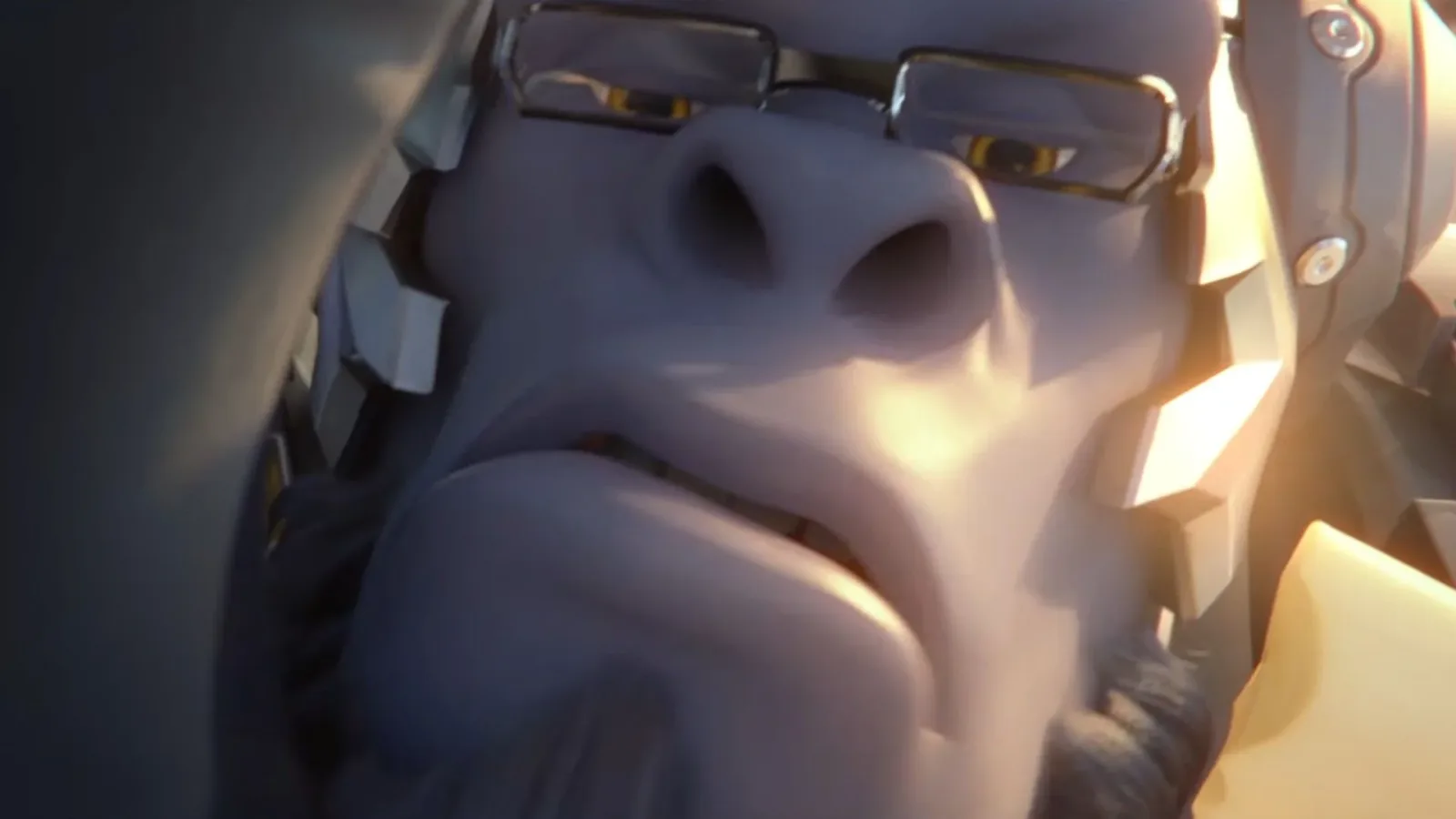
Overwatch may eventually revisit playable PvE storytelling, but fans hoping for the return of a massive, progression-heavy campaign should temper their expectations. Game director Aaron Keller has said he would not rule out future PvE content, while also making clear that recreating the scale of the original Overwatch 2 campaign vision would likely mean building an entirely separate game.
The comments reopen a long-running conversation around Overwatch's narrative potential. Blizzard's hero shooter has always had a setting packed with factions, rivalries, globe-spanning conflicts, and characters whose stories extend well beyond the competitive matches players know. Yet the path from that lore to a sustainable playable story mode has proven far more complicated than many fans expected.
For now, Keller's position appears to be cautiously open rather than promising. Smaller PvE experiences may still fit into Overwatch's future, but the larger campaign concept once presented as a defining part of Overwatch 2 remains a fundamentally different kind of project from the live-service multiplayer game Blizzard currently operates.
Why the original Overwatch 2 campaign mattered
When Overwatch 2 was first announced, its PvE component was positioned as much more than a handful of co-op missions. The plan involved a story-driven campaign that would take players through major events in the Overwatch universe, with hero progression and customization intended to give repeated play a stronger sense of growth.
For useful background on this topic, read Mass Effect's Worldbuilding Makes It a Stronger IP Than Dragon Age, BioWare Veteran Argues.
That approach promised something the original Overwatch had rarely offered in-game: a substantial way to follow the setting's central conflict from beginning to end. Animated shorts, comics, cinematics, voice lines, and seasonal material have all added pieces to the larger picture over the years. A campaign, however, could have given players a direct role in that evolving narrative while letting Blizzard build elaborate encounters around its recognizable cast.
The idea was especially appealing because Overwatch heroes are designed around striking abilities and clear personalities. A co-op mode could potentially create action scenarios that competitive balance would never allow. Giant enemy forces, boss encounters, set-piece escapes, destructible battlefields, and unusual hero combinations all make sense in a PvE setting without needing to preserve the fairness required for ranked play.
That campaign was ultimately canceled, and the replacement took the form of smaller story missions. Those missions were more limited in scope and arrived infrequently. They too were discontinued before Overwatch's competitive multiplayer resurgence earlier in 2026, leaving the franchise's playable narrative ambitions in an uncertain position.
Keller says interest did not become sustained play
Speaking to the press about the possibility of story missions returning, Keller reflected on the previous campaign effort and the reaction it received. He said the content generated considerable excitement and helped advance the story, but it did not receive the level of continued play Blizzard had hoped to see.
"When you look at the campaign that we ran, I think that while there was a lot of excitement there, and it did drive the story forward, it didn't really get played the way that we wanted it to."
That distinction is important. A mode can be warmly received, attract players at launch, and still struggle to justify the resources needed to maintain it. PvE content requires mission design, encounter scripting, enemy behavior, environments, voice work, animations, narrative development, testing, and ongoing support. In a live competitive shooter, those efforts also compete with the production of heroes, maps, balance updates, modes, cosmetics, events, and technical work.
Overwatch's audience has historically gathered around the quick, replayable appeal of multiplayer matches. A story campaign can broaden the game's reach, but it may not necessarily become a long-term destination for the same players who return every season for competitive and casual play. Keller's remarks suggest that this gap between initial interest and sustained engagement was a major lesson from the previous PvE push.
It also explains why Blizzard may see cinematic storytelling and other non-playable formats as more efficient ways to move the universe forward. High-quality animated shorts and videos still require major work, but they do not need the same extensive gameplay systems, replayability structure, matchmaking considerations, or mission support as a full co-op campaign.
PvE is not completely off the table
Despite the practical concerns, Keller did not dismiss the possibility of future playable PvE outright. "I would never discount it," he said when discussing the potential for narrative missions to return.
That wording leaves room for smaller-scale experiments rather than committing to a sweeping campaign. Limited events, standalone co-op encounters, seasonal missions, or compact narrative experiences could potentially offer a middle ground. Such content could provide a playable look at important moments in the setting without requiring Blizzard to build an enormous parallel game alongside the multiplayer service.
Any future version would likely need to avoid disrupting the competitive game's development cadence. Overwatch is built around frequent changes: heroes are adjusted, maps enter and leave rotations, modes are refined, and player feedback can dramatically affect priorities. A large PvE initiative can become difficult to support if it draws too heavily from teams responsible for the core experience.
Smaller missions could be more realistic because they would not need every piece of the original campaign's proposed infrastructure. Blizzard could focus on individual scenarios, a particular hero group, or a contained threat rather than supporting a giant story with extensive talent trees and broad replay systems. That does not mean such missions are confirmed, only that they appear more feasible than an immediate return to the old plan.
A full campaign would be "a whole new game"
Keller was far more direct about the prospect of another campaign comparable to the one Blizzard once envisioned. In his view, that kind of project would be a huge undertaking and would probably require a separate team making "a whole new game."
This is perhaps the clearest indication yet that players should not expect Overwatch 2 to suddenly transform into the hybrid multiplayer-and-campaign package that was previously proposed. A full campaign would need its own production identity, staffing, long-term planning, and likely a business and release strategy separate from the seasonal hero shooter.
There is a creative reason for that as well as a logistical one. A campaign of sufficient scale needs freedom to establish pacing, character arcs, difficulty curves, and dramatic changes to the world. The competitive game, by contrast, is designed for repeatable matches and a stable roster of recognizable heroes. Those goals can complement one another, but they are not easy to build within the same release pipeline.
A separate game could theoretically let Blizzard explore the Overwatch universe without forcing every decision through the needs of PvP balance. It could focus on co-op combat, branching builds, large missions, and the consequences of the conflict between Overwatch, Talon, Null Sector, and other forces. But Keller's comments should not be read as an announcement that such a project is underway. They instead underline just how large the commitment would be.
The universe still has major storytelling appeal
Overwatch remains unusually well suited to stories beyond competitive matches. Its cast includes scientists, soldiers, robots, outlaws, activists, mercenaries, and even Winston, the genetically engineered gorilla whose role in bringing Overwatch back together remains one of the setting's most recognizable hooks. The world's visual identity and international scope create room for action set pieces that do not have to fit within the familiar lanes of a multiplayer map.
That potential may be why the demand for story content has persisted despite the campaign's cancellation. Players do not simply want background lore; many want to see the major conflicts move forward in a meaningful way. They want relationships between characters to develop, villains to take action, and the broader status of the world to change.
Blizzard has other avenues available for doing that. Keller specifically pointed toward cinematics and narrative formats that can communicate developments without the heavy cost of playable missions. Blizzard's president has also previously teased possible adaptations for both Warcraft and Overwatch, making an animated project another conceivable way the Overwatch setting could receive greater attention.
For players, the immediate takeaway is mixed but not entirely discouraging. The door to PvE has not been shut. At the same time, the kind of expansive campaign many players once expected from Overwatch 2 is not something that can simply be restarted as a side feature. If it ever returns at that scale, it would need the resources, focus, and identity of a new game built around that ambition from the start.
Until then, Overwatch's story is likely to continue through the formats that best fit the ongoing multiplayer game. Whether Blizzard eventually supplements those with smaller playable missions remains an open question, but Keller's remarks make one point clear: future PvE would need to prove it can serve both the universe and the live game without compromising either.
Community
Discussion
Start the conversation.
No comments have been posted yet.