

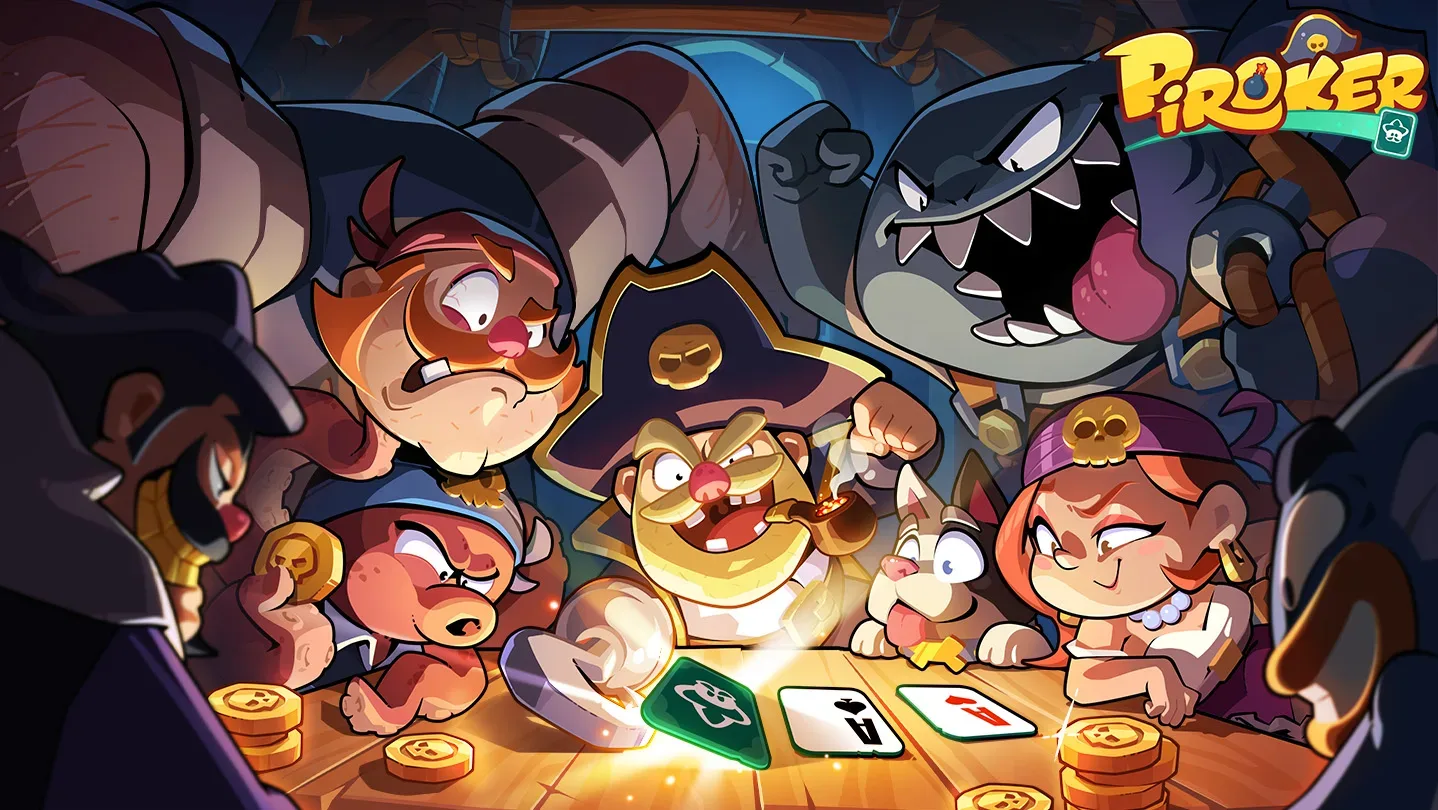
Piroker, a pirate-themed roguelike autobattler from Habby.FUN, has been revealed with a cinematic trailer and plans for an exclusive Steam playtest. The game frames its competitive battles around poker hands, asking players to build combinations such as pairs, straights, and full houses while navigating the unpredictable systems of a roguelike run.
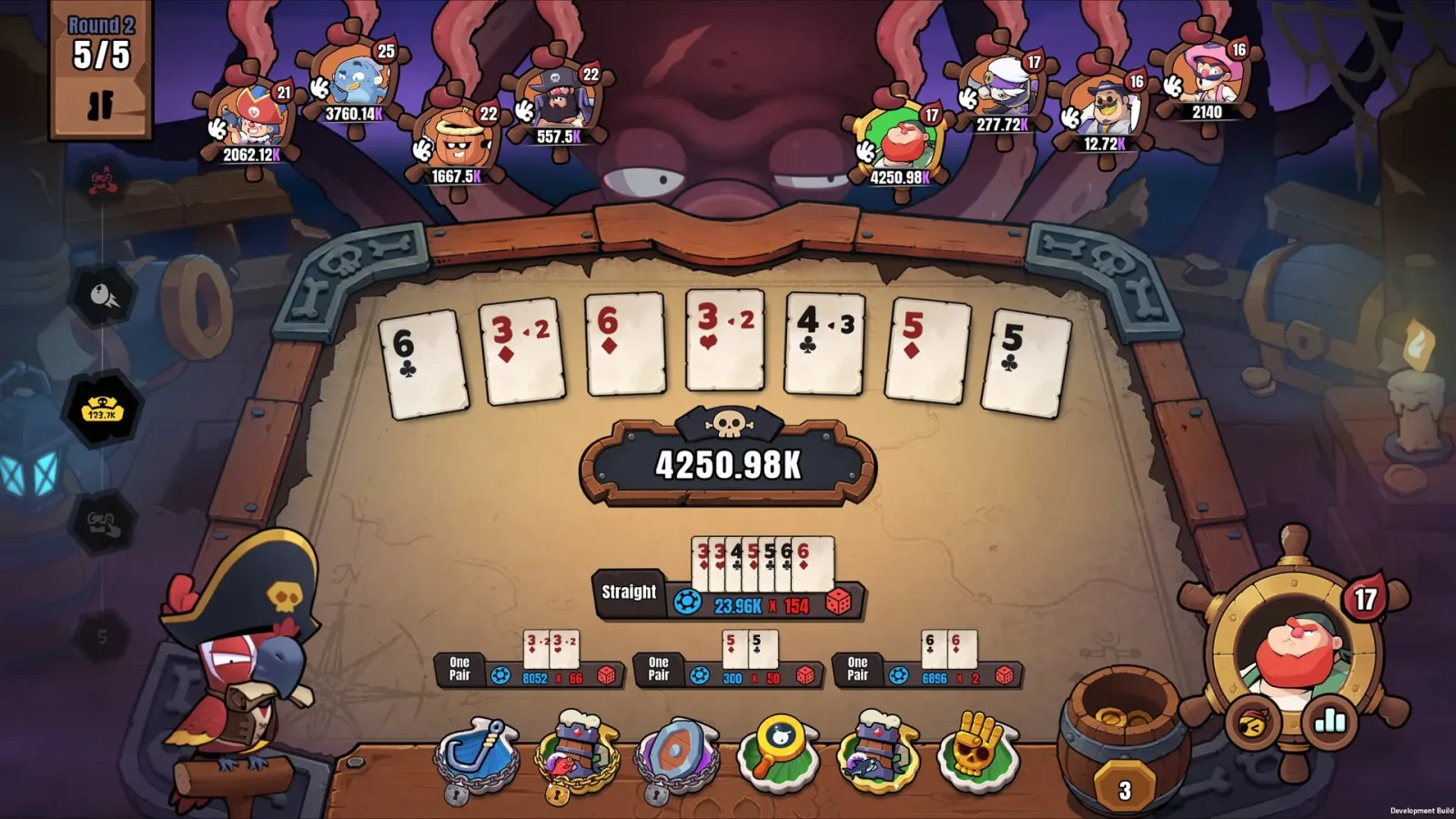
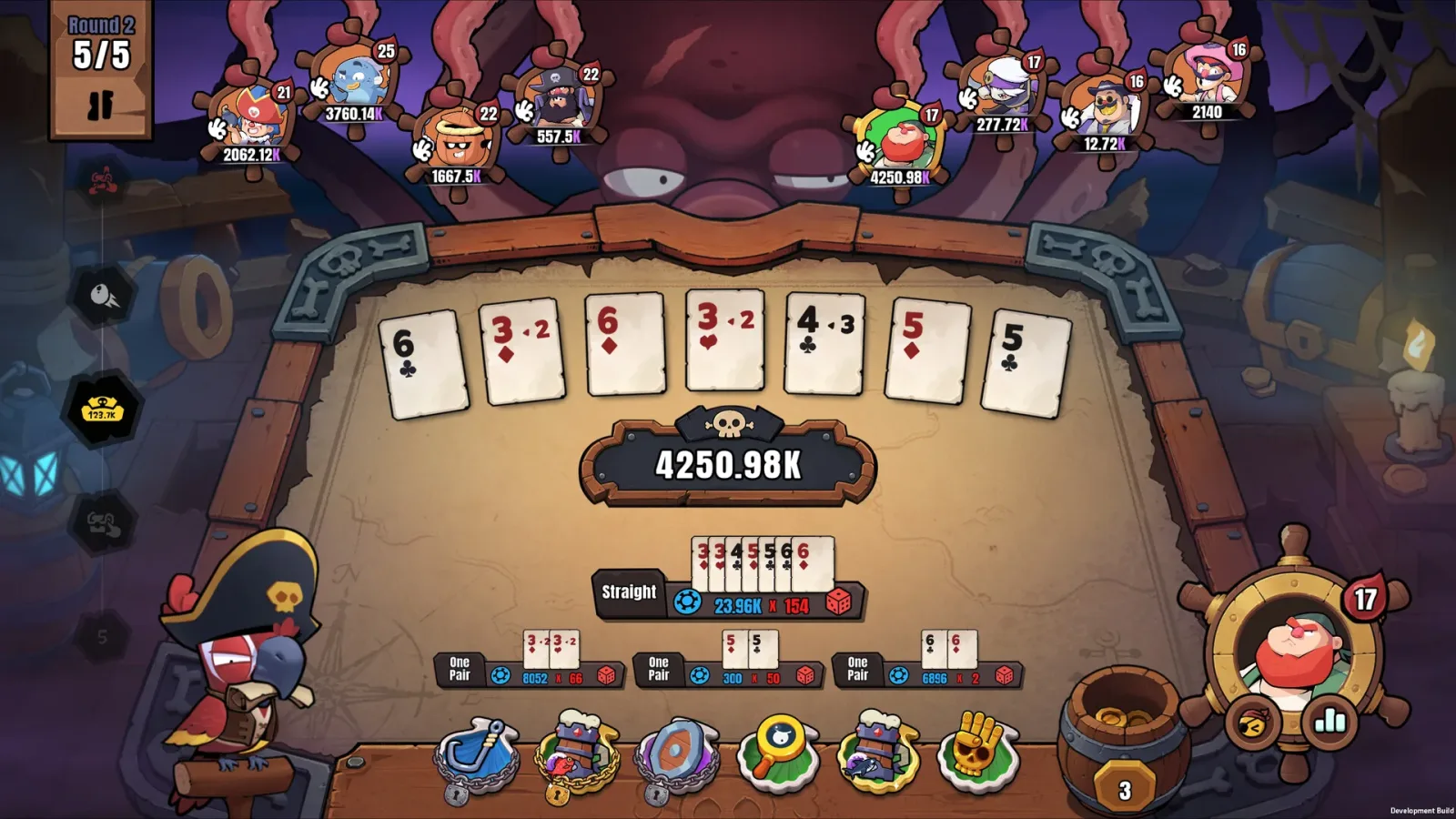
Rather than treating cards as a separate minigame layered over combat, Piroker makes the poker table central to its battles. The hands players assemble determine combat outcomes and can activate their chosen crew's abilities. Eight pirates enter each free-for-all match, accumulating points round by round as they attempt to avoid becoming one of the lowest-scoring players and taking damage.
The result is a concept that mixes familiar card-game logic with the escalating builds of an autobattler. A successful run will seemingly depend on more than simply pursuing the strongest standard hand. Players will need to choose a pirate hero, commit to a relic treasure, account for a shared deck, and find ways to make exotic fish and additional treasures work together.
A poker table shared by eight pirates
Piroker begins with hero selection. The announced roster includes more than 60 pirate heroes, each bringing a different starting ability, strategy, or economic modifier to the table. That setup should make the opening decisions meaningful: one captain may be better positioned to pursue a particular hand type, while another may gain an advantage through rerolls, shop activity, or a different approach to building resources.
For useful background on this topic, read The Hollowing Brings Solitary Horror Flight to Steam With a Free Demo.
After choosing a pirate, players move into a choice phase and pick one relic treasure. These relics alter how power is drawn from a deck shared by the entire lobby. That common pool is an important part of the game's competitive identity. Instead of every player operating in a fully isolated card engine, decisions made around the deck can matter to the wider field, creating opportunities to anticipate opponents or adapt when a desired route is no longer available.
Each round awards points, and those totals can be improved by treasure effects and exotic fish. Pirates at the bottom of the standings take damage, turning the contest into a survival game as well as a race for high scores. This structure gives every round pressure: a build does not necessarily need to be the best in the lobby immediately, but it has to remain strong enough to avoid falling behind.
The poker vocabulary will be recognizable to card-game players. Pairs, straights, full houses, and other hands can be assembled to produce effects and trigger crew abilities. But the game's roguelike framework means that the value of a conventional poker hand may change considerably from one run to the next. A treasure might reward frequent hand triggers, a hero could alter the economy around specific decisions, or a fish buff could make an unusual strategy viable.
For another perspective on this story, read Piroker Reveals Its Pirate Poker Roguelike Battles and Steam Playtest.
Relics, fish, and room for unconventional builds
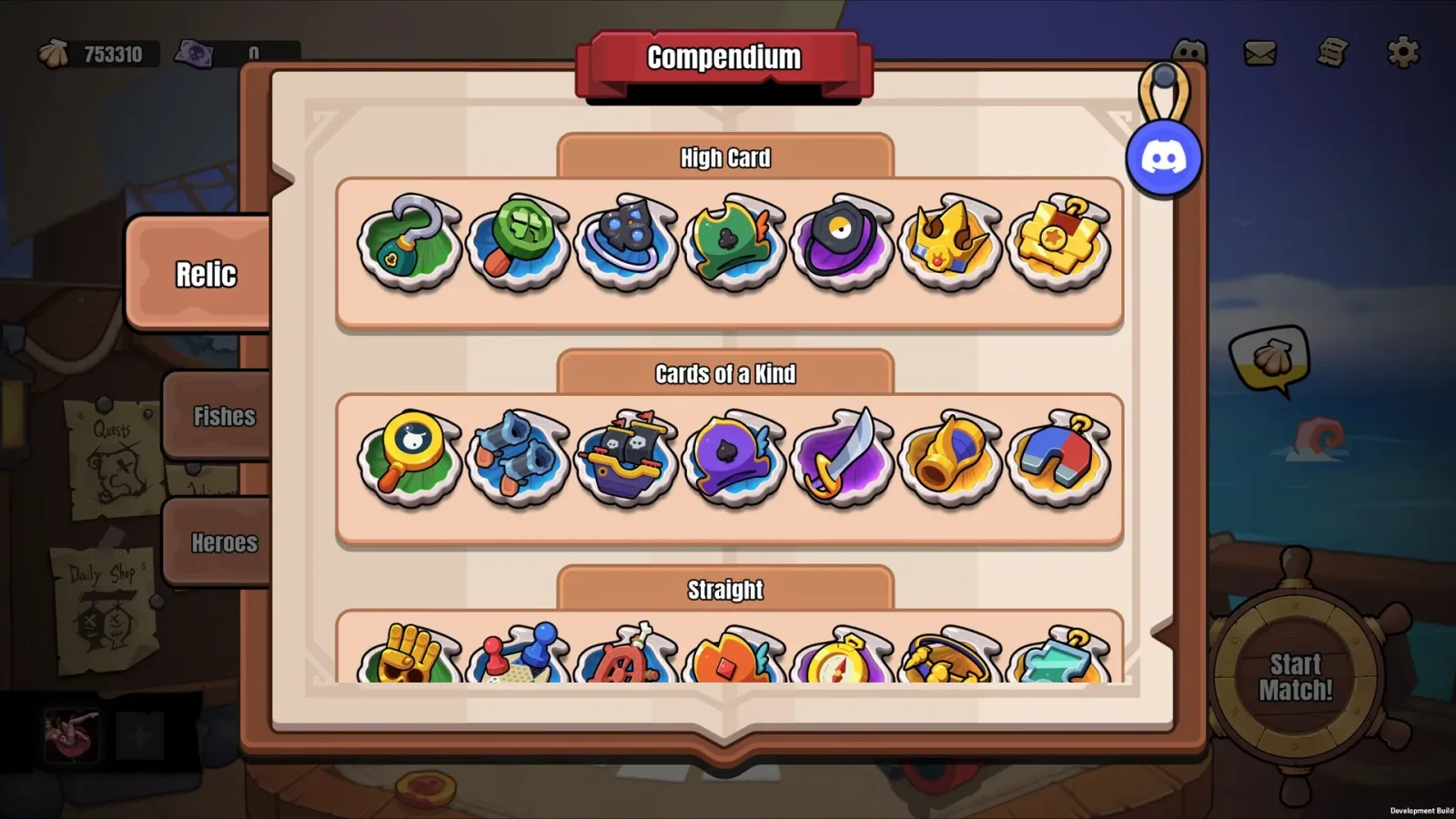
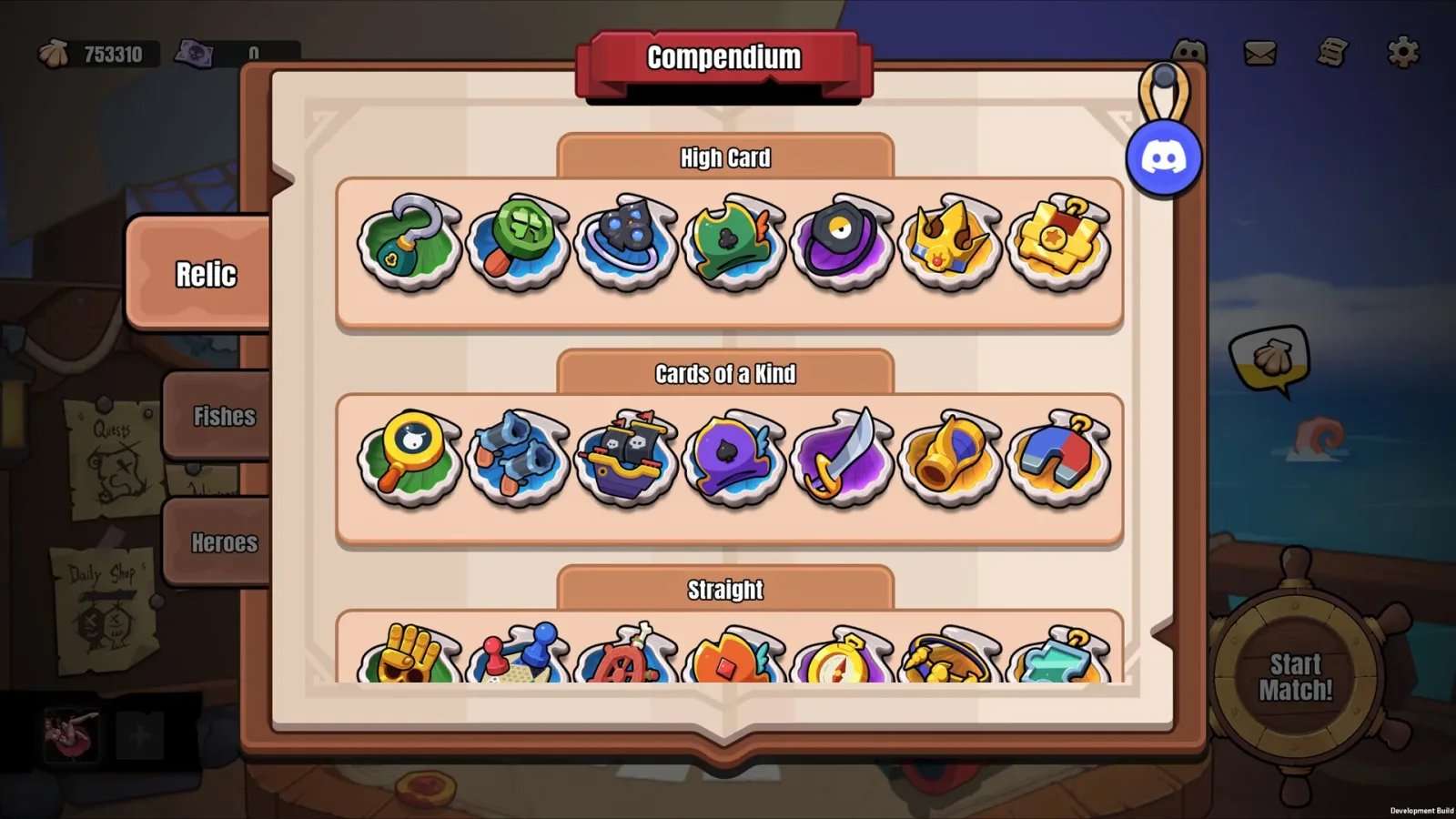
Habby.FUN is emphasizing a wide pool of build-changing tools. Piroker is planned to include more than 100 Treasure skills, all interacting with the same deck system, alongside more than 40 exotic fish that grant persistent buffs. The game also highlights mutant fish, adding another eccentric element to a setting built around nautical adventure, cannons, and cartoon pirate theatrics.
Those fish are not presented as disposable one-round bonuses. Their persistent nature means players can shape their plan around effects that remain relevant across a run. In a roguelike, permanent or semi-permanent upgrades often provide the backbone for later choices. A player may begin with a simple pursuit of reliable poker hands, then find an exotic fish or relic that makes a more specialized line substantially stronger.
The developer is also calling attention to "notorious" or illegal tactics. Precisely how those tactics operate has not yet been detailed, but the language suggests that Piroker will encourage players to look beyond straightforward poker fundamentals. In a game where every hero, treasure, and fish can alter the rules of a build, the strongest option may sometimes be an approach that would look strange at an ordinary card table.
That potential for rule-bending is particularly fitting for the pirate premise. Piroker's swashbuckling world is not built as a restrained simulation of card play; it is a stylized contest where a pirate crew, magical or unusual treasures, and creatures from the sea can all influence the outcome. The stated aim of nearly unlimited build variety is ambitious, but the combination of a large hero roster, relic pool, and persistent fish effects gives the game several systems through which to create different runs.
Autobattler pacing with roguelike decisions
As an autobattler, Piroker places much of its action in preparation and decision-making rather than direct real-time control. Players make choices about their hero, relics, shop offerings, poker hands, and synergies, then see those preparations converted into battle results. The tension comes from reading what a run offers, judging the state of the competition, and knowing when to revise a plan.
Rerolling shop offerings will be one of the tools available for that adaptation. A player who is missing a key component, looking for a complementary treasure, or trying to push a specific strategy can spend resources to seek a better option. However, rerolls are normally an economic gamble in this genre, especially when certain heroes have modifiers connected to the economy. Choosing when to invest in immediate power and when to preserve resources could become a major dividing line between cautious and aggressive playstyles.
The shared-deck concept adds another layer to these choices. Because treasures draw their power from a common deck, the match is not solely about maximizing an individual build in a vacuum. A choice that appears powerful may be less dependable if several opponents are pursuing related effects. Conversely, a less contested route could become valuable simply because it is easier to support consistently.
Piroker's announced detailed on-screen statistics should help players study those interactions. The feature is intended to let players review lineups and plays, offering a clearer picture of why a round was won or lost. For a game mixing poker combinations with numerous relic effects, transparent information will be useful both for new players learning the systems and for experienced competitors looking to refine their decisions.
Asynchronous ghost fleets and live lobbies
Arena mode will support two forms of PvP. Players can take part in asynchronous battles against a "ghost fleet," allowing them to engage with competitive lineups on their own schedule. That format can be especially useful for a strategy game structured around considered choices, as it lets players progress through matches without requiring every opponent to be online at the same moment.
For players seeking a more immediate contest, Piroker will also offer real-time lobbies for direct matches with friends. The two approaches give the game a broader multiplayer profile: asynchronous play supplies flexibility, while live lobbies preserve the social tension of competing at the same table.
A global matchmaking leaderboard is planned as well. Combined with the eight-player free-for-all structure, that suggests Piroker is being designed with replayable competitive sessions in mind rather than just a sequence of isolated roguelike runs. The constantly changing combinations of pirates, treasures, and fish may help keep that pursuit from settling into a single fixed routine, though the eventual balance of its large pool of effects will determine how broad the competitive field truly feels.
Hand-drawn pirate presentation and long-term unlocks
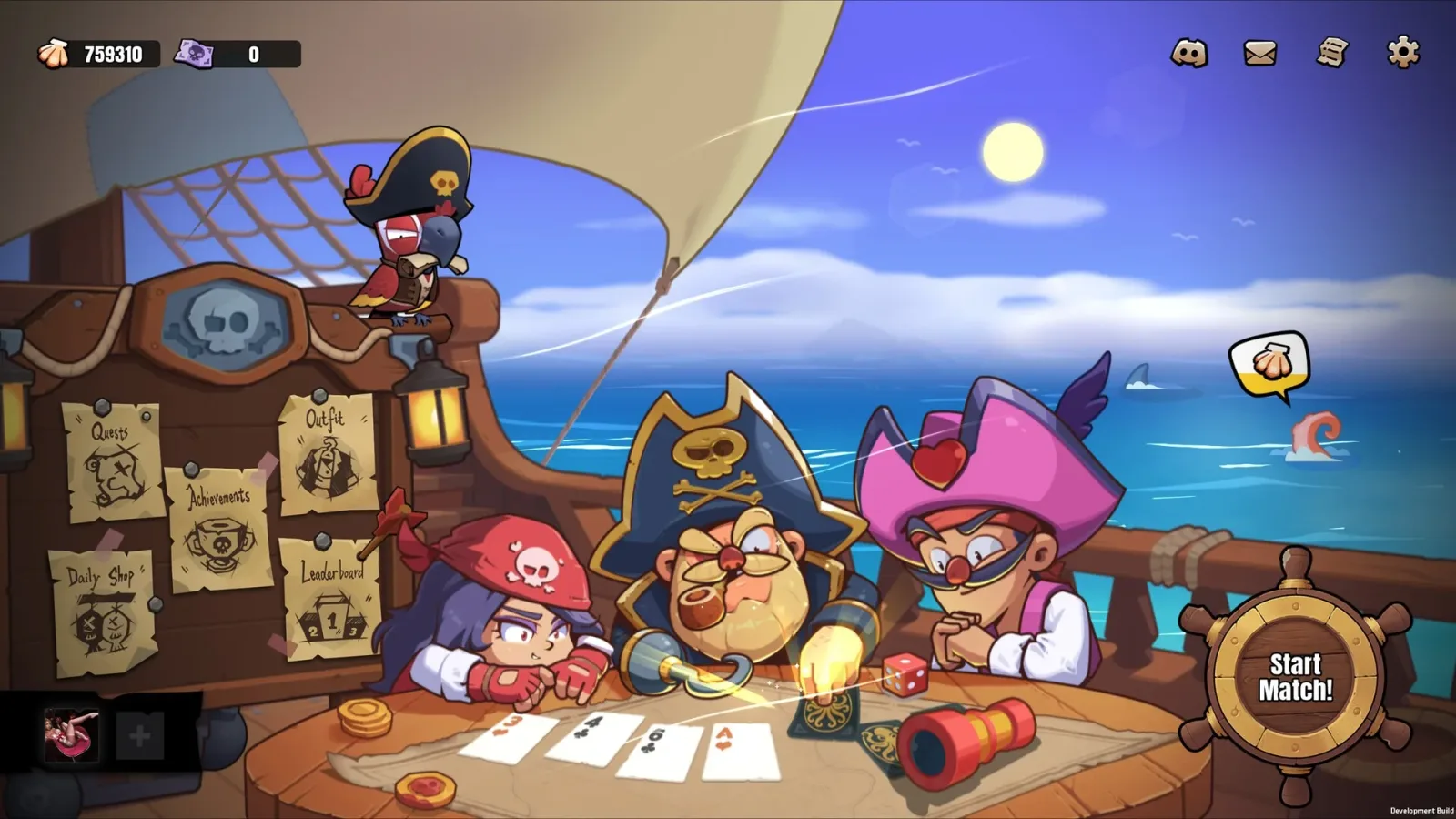
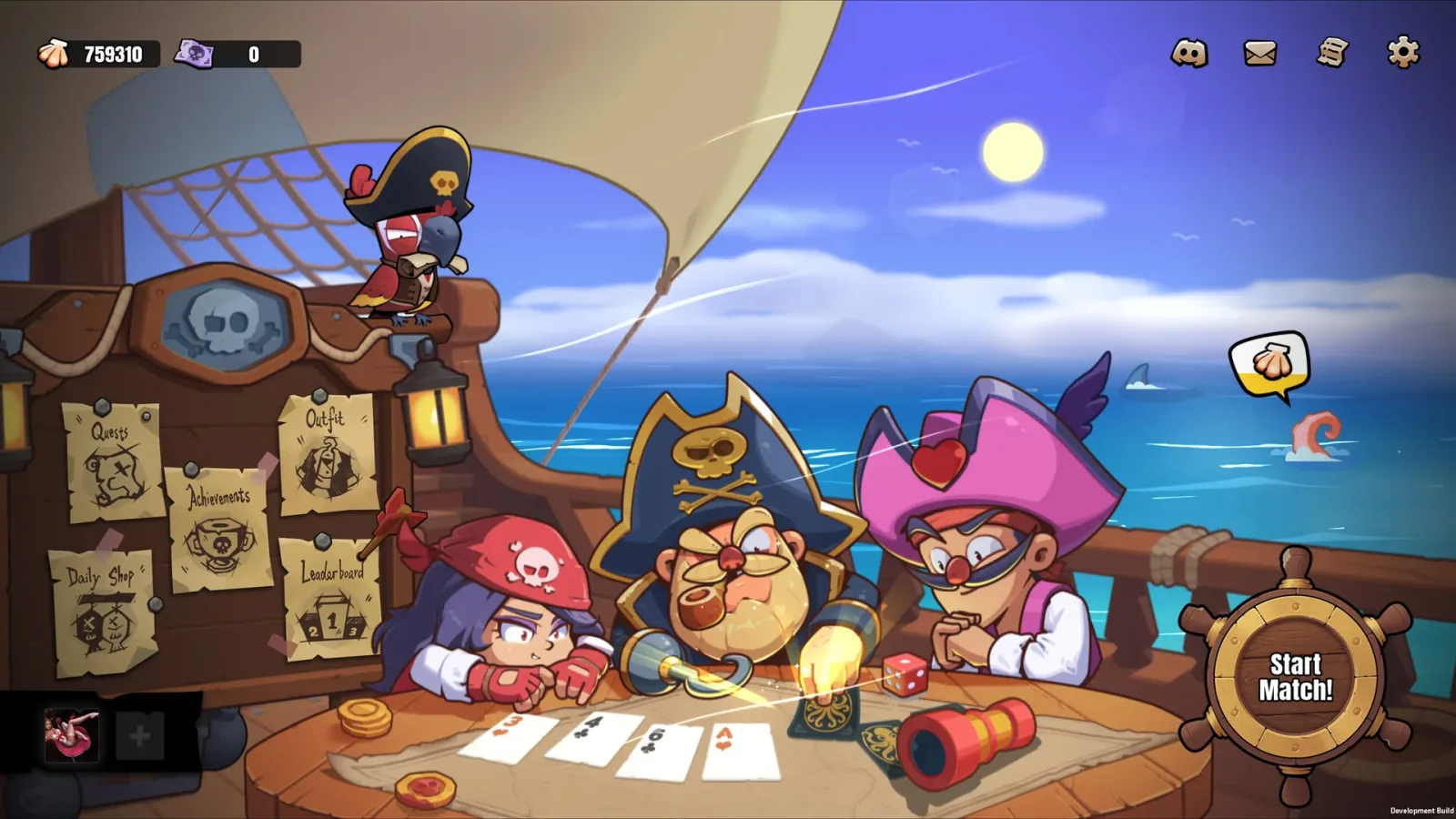
Visually, Piroker uses hand-drawn nautical art with a deliberately cartoony tone. Its pirate flavor extends beyond the character and treasure names into its audio-visual presentation, which includes accordion melodies and cannon fire. The atmosphere appears intended to make each battle feel like a boisterous clash between eccentric captains rather than a dry card-game simulation.
Outside individual matches, players will work through a treasure-map progression system. That track includes unlockable pirates, skins, and achievements, providing goals beyond a single leaderboard climb. Unlockable heroes could be particularly significant given the stated size and variety of the roster, offering players new starting strategies as they spend more time with the game.
For now, the most important next step is the Steam playtest. Habby.FUN has invited interested players to wishlist Piroker on Steam ahead of that testing period. No wider launch timing, pricing details, or additional platforms have been announced.
Piroker's premise stands out because it does not use poker only as a theme. The game's hands are tied directly to crew abilities and scoring, while relics, shops, heroes, and sea creatures push those basic combinations into roguelike territory. If its shared-deck competition and large set of build tools come together, this could be a notably unruly take on the autobattler formula--one where a full house is only the beginning of the plan.
Community
Discussion
Start the conversation.
No comments have been posted yet.