

The Hollowing, a new first-person horror flight simulation game from developer Rubeki, has been announced for Steam and now has a free demo available. Revealed during PC Gaming Show Tokyo Direct, the game is planned for a full Steam launch later in 2026, with Future Friends Games handling publishing.
Set within the same universe as Rubeki's earlier cult favorite Lorn's Lure, The Hollowing trades that game's climbing-focused isolation for a lonely cockpit, a fragile aircraft, and a massive world shrouded by mist. Its premise centers on a pilot travelling between scattered airports and outposts across an immense Megastructure, keeping communications towers operational so isolated settlements can remain connected.
The job sounds practical, even routine, at first. Fly to a station, land safely, inspect the infrastructure, make repairs, then prepare for the next journey. But the tone surrounding that work is much less reassuring. Players are alone for much of the journey, moving through increasingly oppressive locations in a setting that is explicitly described as not quite human. A voice on the radio provides company, direction, and a growing source of unease.
A Horror Game Built Around the Flight Itself
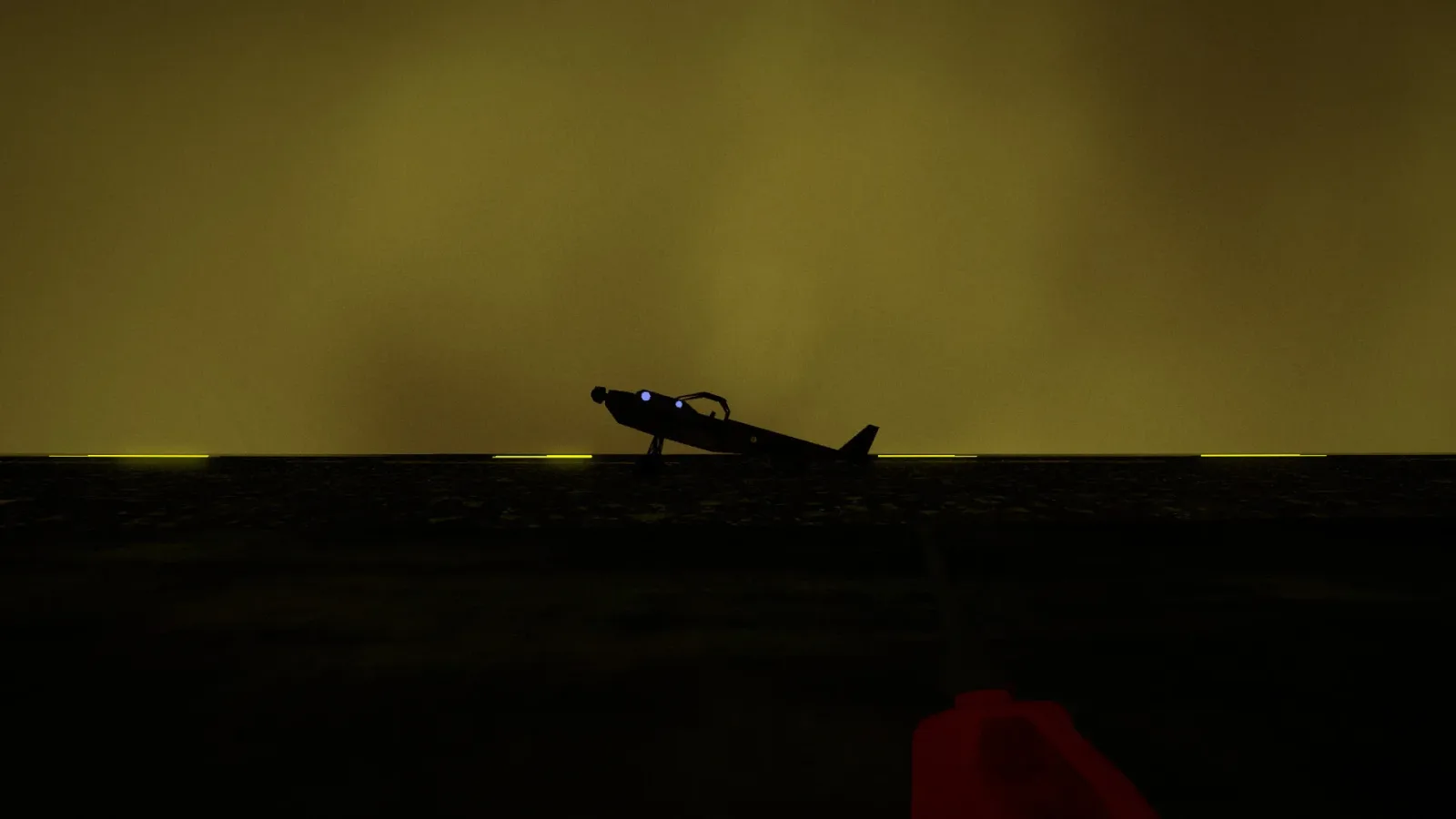
Flight games often treat the journey between destinations as a chance to relax, admire a landscape, or settle into a technical rhythm. The Hollowing appears to use those same fundamentals to create tension. Its central challenge is not simply reaching the next marker: players need to learn how to handle a delicate craft through takeoffs, landings, and navigation across an unfamiliar and hazardous-looking environment.
For useful background on this topic, read Hideo Kojima Says Sony Ended Physint Funding in a June Zoom Call.
That gives the game's horror a tactile foundation. A poor landing, a misread route, or the pressure of bringing an aircraft down at a remote station can be unsettling even before the stranger elements of the world take hold. Rather than separating traversal from danger, the game makes operating the vehicle part of the atmosphere. Every trip carries the implication that the player has to trust their skills while flying into a place that does not want to be understood.
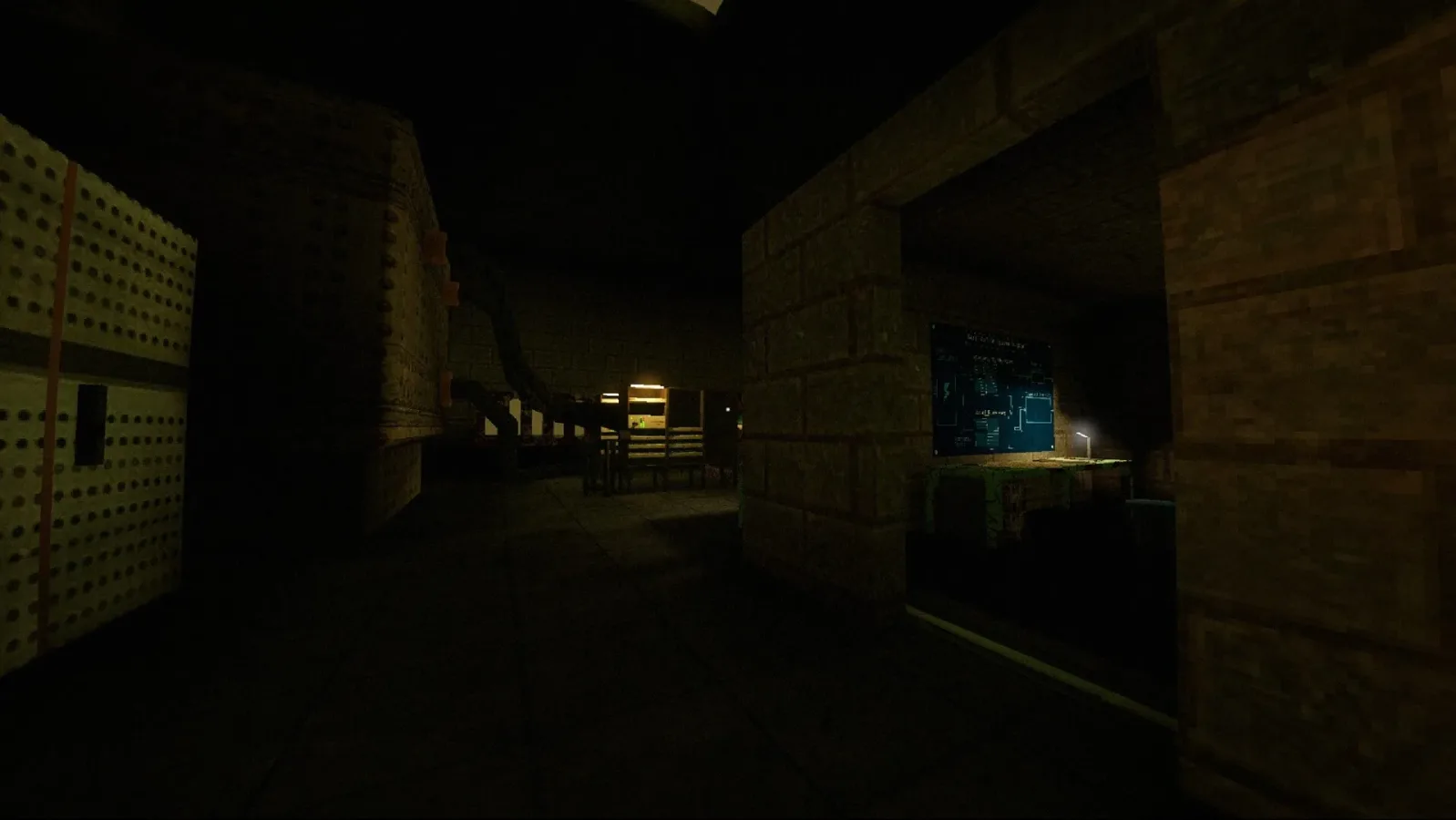
The Megastructure is the key setting tying the premise together. It is not presented as a conventional open landscape with ordinary towns, roads, and airports. Instead, the world consists of towering, enclosed, or otherwise unnatural spaces broken up by settlements and service locations. Fog obscures what lies ahead, and the need to preserve communication between far-flung communities gives each destination a practical reason to exist.
That structure also creates an effective framework for escalating horror. Early tasks may teach the basic operation of the aircraft and establish the maintenance routine. Later flights can introduce more threatening environments, stranger clues, and more disturbing implications about the people--or entities--occupying this vast constructed world. The announcement does not spell out the game's secrets, but its focus on mystery suggests that understanding the Megastructure will be as important as mastering its routes.
For another perspective on this story, read The Hollowing Demo Is Live on Steam Ahead of 2026 Release.
Maintenance Work, Remote Stations, and an Unwelcome Companion
The player's role in The Hollowing is that of a worker responsible for the communications network. At airports and outposts, they will maintain the towers that allow settlements to stay in touch with one another. It is a deliberately grounded task for a setting with an increasingly surreal edge. Repair work establishes a purpose for landing in isolated places and provides a reason to leave the comparative shelter of the cockpit.
That combination can make even simple spaces feel unnerving. A maintenance station is usually designed around utility: equipment, landing areas, signal infrastructure, and whatever supplies are needed to keep it working. In a horror setting, though, the same places become opportunities for silence, distance, and the uncomfortable sense that something has changed since the last person was there.
The radio voice is another major part of the game's setup. It guides the pilot, but it also haunts them. That wording leaves substantial room for ambiguity. Is this voice a reliable supervisor, another stranded inhabitant, an automated system, or something with an agenda? The game's isolated premise means that radio conversations may be the player's main connection to another presence, turning an otherwise helpful tool into a possible source of dread.
Audio is likely to be central to the experience for that reason. The sound of an engine, the interruption of static, the quiet before a transmission arrives, and the mechanical noises of a landing all have the potential to shape the game's sense of place. The announcement emphasizes atmosphere rather than action, pointing to a horror experience where anticipation and uncertainty matter as much as any direct confrontation.
Returning to the World of Lorn's Lure
Rubeki is revisiting the universe of Lorn's Lure, its previous game that has sold more than 60,000 copies. That connection offers an intriguing prospect for players already familiar with the developer's work, while The Hollowing is also positioned as its own distinct genre experiment.
Lorn's Lure built its identity around traversal and a harshly immense setting, so the move to a flight sim retains the developer's interest in physical movement through intimidating architecture. The activity has changed, but the appeal of scale remains. Where climbing makes players study surfaces, routes, and momentum at close range, flying can make them consider distance, weather, visibility, and the difficulty of safely approaching a tiny destination in an enormous space.
The shared setting could mean returning players notice familiar visual ideas, themes, or unanswered questions. It does not necessarily mean that prior knowledge is required. The newly announced game has a self-contained occupational premise--keep the communications network alive--and that gives newcomers an immediate role to understand. The mystery can then expand outward from the routine work.
Rubeki's decision to make a horror flight game is also notable because it joins two genres not often combined so directly. Flight simulations are frequently associated with authenticity, systems management, and technical competence. Atmospheric horror, meanwhile, is often built around limitation and vulnerability. The Hollowing places those ideas together: the pilot has a machine capable of crossing great distances, but it is described as delicate, making expertise and careful control essential rather than empowering the player without limits.
What the Steam Demo Offers
The free Steam demo gives players an early chance to see how the cockpit handling, navigation, and horror tone fit together. It arrives well before the full release, letting curious players sample the particular balance Rubeki is attempting rather than relying only on the announcement's striking premise.
Demos are especially useful for a game built around the feel of movement. Screenshots can establish the scale of a fogbound Megastructure, and a trailer can communicate mood, but landing an aircraft in a tense environment depends on responsiveness, pacing, and the information available to the pilot. The demo should provide the clearest early indication of how demanding the craft is to operate and how much the game asks players to manage during a flight.
It can also establish the intended rhythm. The game's loop appears to move between travel, arrival, maintenance, and discovery. If the demo introduces that cycle, players should be able to get a sense of whether its quiet stretches create immersion, dread, or both. The gradual nature of the concept is important: a horror game set in a large, remote structure has room to make distance itself feel threatening.
A Promisingly Different Kind of Isolation
There are plenty of games about being trapped in a hostile location, but The Hollowing approaches isolation from a different angle. The player is not entirely stationary, nor are they merely trying to escape. They have a job that requires them to keep moving deeper into the world. Each repaired tower and completed trip may preserve connections for others, but it may also carry the pilot further into the heart of a mystery.
That tension between duty and self-preservation is a strong fit for the game's premise. Communications infrastructure is often invisible until it fails. Here, maintaining it is the player's reason for entering places that appear increasingly strange and inhospitable. The goal is not only personal survival; it is keeping a fragile network alive across a vast environment where contact is already difficult to maintain.
With its Steam demo now available, The Hollowing is ready to give players their first hands-on trip across Rubeki's eerie Megastructure. The full version is scheduled to arrive on Steam later in 2026. Until then, the demo offers a chance to test the aircraft, make a careful landing, listen to the radio, and find out why this maintenance route feels far more unsettling than it should.
Community
Discussion
Start the conversation.
No comments have been posted yet.